Are you wondering if you really need to wear a helmet every time you ride your bike? You might think it’s just an extra hassle or something only kids have to do.
But what if that small piece of gear could be the difference between a minor scrape and a serious injury? You’ll discover the real reasons why helmets matter, the laws that might affect you, and how wearing one can keep you safer without ruining your ride.
Keep reading—you might be surprised by what you learn.

Credit: www.safetyandhealthmagazine.com
Helmet Laws By Region
Wearing a helmet while riding a bike is important for safety. Different places have different rules about helmets. These rules depend on the country or region.
Understanding helmet laws helps riders stay safe and avoid fines. Let’s look at how helmet laws vary by region and age.
Countries With Mandatory Helmet Laws
Many countries require all cyclists to wear helmets. Some countries only require helmets in certain areas or for certain riders. Laws also change depending on the type of cycling.
- Australia: Helmet use is mandatory nationwide for all riders.
- New Zealand: Helmets are required for all cyclists.
- United Kingdom: No law requires helmets for adults, but recommended.
- Canada: Helmet laws vary by province; some require helmets for all ages.
- United States: Helmet laws differ by state; many require helmets for minors.
- Germany: No mandatory helmet law for casual riders.
- Japan: Helmets are required for children under 13.
Age-specific Helmet Requirements
Many regions set helmet rules based on the rider’s age. Younger riders often must wear helmets by law. Adults may have no legal helmet requirements in some places.
Age rules aim to protect children and teens, who are more at risk in accidents.
- Australia: Helmets required for all ages.
- United States: Most states require helmets under 18 years old.
- United Kingdom: No age-specific helmet law but recommended for children.
- Japan: Helmets mandatory for children under 13 years old.
- Canada: Some provinces require helmets for riders under 18.
Penalties For Non-compliance
Not wearing a helmet when the law requires it can lead to fines. Penalties vary by region and the rider’s age. Some places also give warnings or require safety courses.
Following helmet laws helps avoid penalties and protects your safety.
- Australia: Fines range from $100 to $200 for not wearing a helmet.
- United States: Fines vary by state, often $25 to $100 for minors.
- Canada: Penalties depend on the province, including fines or warnings.
- Japan: Fines apply for children not wearing helmets; adults usually not fined.
- United Kingdom: No fines for adults; police may advise children to wear helmets.
Safety Benefits Of Wearing Helmets
Wearing a helmet on a bike is important for your safety. Helmets provide protection and can save lives. Let’s explore the benefits of wearing helmets.
Helmets are designed to protect your head. They can reduce the risk of serious injury. Here are some key safety benefits of helmets.
Protection Against Head Injuries
Helmets are crucial for protecting your head in case of falls or accidents. They absorb the impact, reducing the chance of skull fractures.
- Minimizes risk of concussions
- Reduces severity of head trauma
- Prevents skull fractures
Impact On Accident Survival Rates
Wearing a helmet can increase your chances of surviving a bike accident. It acts as a protective barrier for your head.
| With Helmet | Higher Survival Rate |
| Without Helmet | Lower Survival Rate |
Long-term Health Advantages
Helmets not only protect you during accidents but also contribute to long-term health. They prevent injuries that could affect your future well-being.
Common Helmet Types
Wearing a helmet while riding a bike protects your head from injuries. Different helmets suit different types of biking. Knowing the right type helps you stay safe and comfortable.
Here are common helmet types made for various biking styles. Each type has unique features for its purpose.
Road Bike Helmets
Road bike helmets are light and well-ventilated. They focus on aerodynamics to reduce wind resistance. Many have a sleek shape and multiple air vents.
- Lightweight for long rides
- Good airflow to keep cool
- Designed to reduce drag
- Usually bright colors for visibility
Mountain Bike Helmets
Mountain bike helmets offer extra protection for rough trails. They have a stronger build and often include a visor to block the sun and debris.
| Feature | Description |
| Durability | Stronger shell to handle impacts |
| Visor | Protects eyes from sun and branches |
| Coverage | More coverage at the back and sides |
| Ventilation | Moderate airflow for rough conditions |
Urban And Commuter Helmets
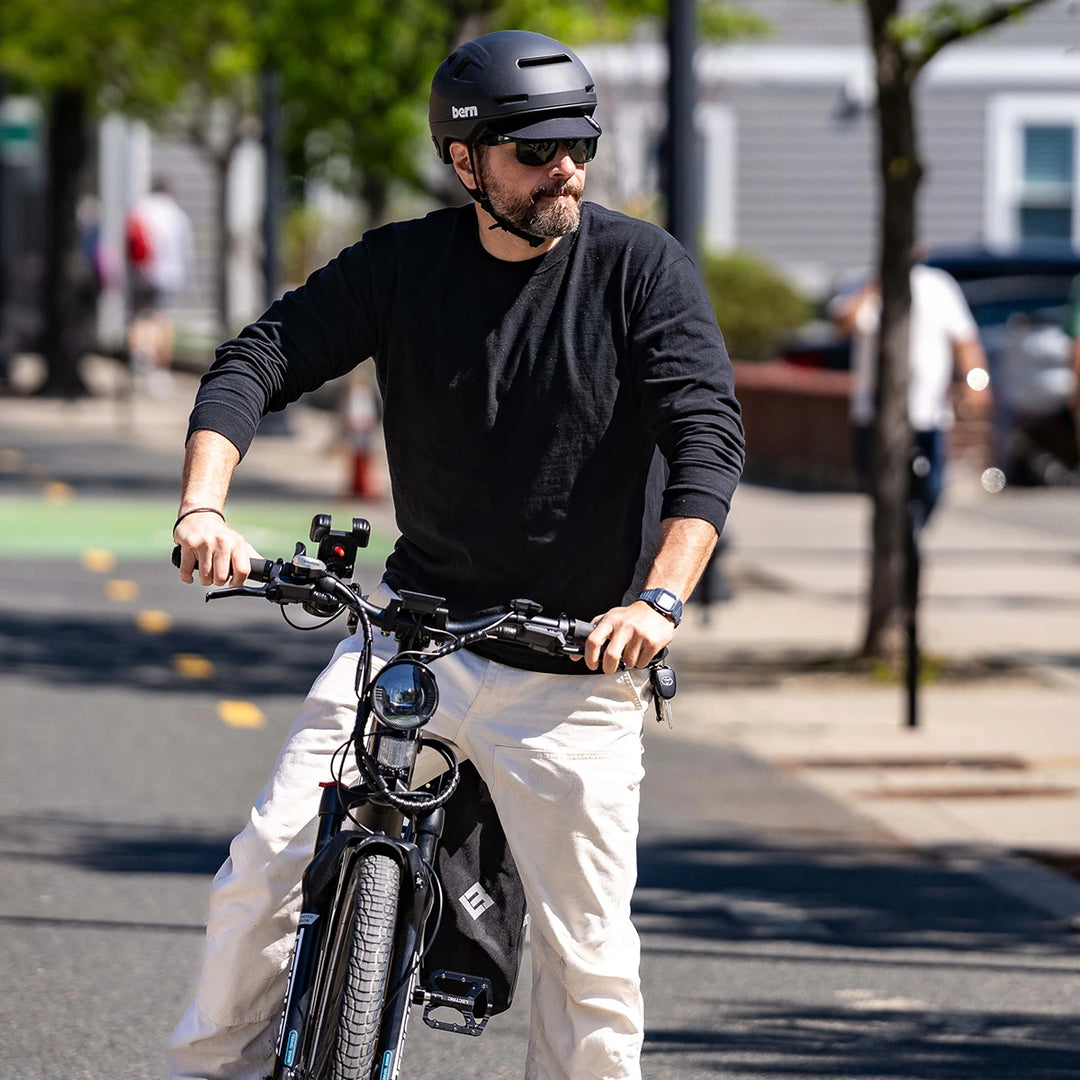
Urban helmets focus on comfort and style. They often have fewer vents but add features like reflective materials and built-in lights.
- Sleek design for city use
- Reflective strips for night safety
- Some models include rear lights
- Comfort padding for daily wear
Credit: bernhelmets.com
Choosing The Right Helmet
Wearing a helmet is important for bike safety. Picking the right helmet helps protect your head well.
Not all helmets fit the same. You need one that feels good and meets safety rules.
Proper Fit And Comfort
A helmet must fit snugly without causing pain. It should sit level on your head and not move when you shake your head.
- Measure your head size with a tape measure above your eyebrows.
- Try helmets in your size to find one that feels comfortable.
- Adjust straps so the helmet stays in place but does not press too hard.
- Check for padding that can be removed and washed.
Safety Certifications To Look For
Look for helmets with safety labels. These show the helmet meets safety standards for impact protection.
| Certification | Region | What It Means |
| CPSC | USA | Meets US safety standards for bike helmets. |
| CE EN 1078 | Europe | Meets European safety requirements. |
| AS/NZS 2063 | Australia/New Zealand | Certified for local safety rules. |
Additional Features And Accessories
Extra features can improve safety and comfort. Choose features that fit your riding style and needs.
- Visors help shield your eyes from sun and rain.
- Ventilation holes keep your head cool on hot days.
- Reflective strips increase visibility at night.
- Built-in lights add extra safety in low light.
Helmet Myths And Misconceptions
Many people have wrong ideas about wearing helmets on bikes. These myths can stop riders from protecting themselves.
This article looks at common myths about helmets and explains the facts clearly.
Helmets And Visibility
Some believe helmets block their view and make riding unsafe. This is not true. Helmets are designed to fit well and keep your sight clear.
- Helmets do not reduce your side or front vision.
- Bright colored helmets can make you more visible to drivers.
- Many helmets have reflective parts to increase safety at night.
Impact On Cycling Performance
Some riders think helmets slow them down or make cycling harder. In truth, helmets are made to be light and aerodynamic.
| Myth | Fact |
| Helmets are heavy | Most helmets weigh less than 300 grams |
| Helmets cause overheating | Ventilation holes keep your head cool |
| Helmets slow you down | Proper helmets reduce air resistance |
Helmets Only Needed For Kids
Some say helmets are only for children. This idea is wrong. Everyone who rides a bike should wear a helmet.
Reasons adults need helmets too:
- Adults face the same risks of head injury as kids.
- Helmets protect in accidents of all speeds.
- Wearing a helmet sets a good example for others.
Helmet Maintenance And Replacement
Wearing a helmet while biking is important for safety. To keep it effective, you must take care of it well. Proper maintenance helps the helmet protect your head.
Helmets do not last forever. You need to know when to replace them. Good care and storage also keep helmets in good shape longer.
When To Replace Your Helmet
Replace your helmet after any crash or impact, even if it looks fine. The inside padding and shell may be damaged.
Most helmets last about five years. Over time, materials break down and become less safe. Check the helmet’s age if you are unsure.
- After a crash or hard impact
- If the shell or foam is cracked
- If straps or buckles are broken
- If the helmet is older than five years
Cleaning And Care Tips
Clean your helmet regularly to remove sweat and dirt. Use mild soap and warm water. Avoid harsh chemicals that can damage the helmet.
Remove any pads inside and wash them separately if possible. Let everything dry before putting the helmet back together.
- Use mild soap and water for cleaning
- Do not use bleach or strong cleaners
- Wash and dry removable pads separately
- Wipe down straps carefully
Storage Recommendations
Store your helmet in a cool, dry place. Keep it away from direct sunlight and heat sources. Heat can weaken the helmet’s materials.
Avoid dropping or throwing your helmet. Keep it on a soft surface or hang it by the straps to prevent damage.
- Store helmet indoors, away from sunlight
- Keep it in a dry, cool area
- Do not place heavy items on the helmet
- Hang by straps or place on soft surface
Alternatives And Additional Safety Gear
Wearing a helmet is important for bike safety. Some people look for other ways to stay safe while riding.
There are many types of safety gear that can help protect you. These items improve your visibility and protect your body.
Reflective Clothing And Lights
Reflective clothing helps drivers see you in the dark. Bright colors and shiny strips make you more visible.
Bike lights also keep you visible. Use white lights in front and red lights in back to signal your presence.
- Wear reflective jackets or vests
- Attach reflective tape to your bike
- Use front and rear bike lights
- Consider flashing lights for extra attention
Knee And Elbow Pads
Knee and elbow pads protect your joints in case of a fall. They help reduce scrapes and bruises.
These pads are easy to wear and do not limit your movement. They add a layer of safety, especially for beginners.
- Knee pads protect your knees from impact
- Elbow pads shield your elbows from injury
- Choose pads with soft but strong padding
- Make sure pads fit snugly but comfortably
Bike Safety Technology
New technology can help keep you safe while biking. Some devices warn you about dangers and improve control.
Examples include brake sensors, GPS trackers, and smart lights. These tools work with your bike to increase safety.
- Brake sensors alert you if brakes fail
- GPS trackers help find your bike if lost
- Smart lights adjust brightness based on conditions
- Some devices send emergency alerts automatically
Credit: billbonebikelaw.com
Frequently Asked Questions
Do I Legally Have To Wear A Helmet On A Bike?
Helmet laws vary by location. Some regions require helmets for all cyclists. Others only for minors. Check local laws to ensure compliance and safety.
How Does Wearing A Helmet Protect Me On A Bike?
Helmets reduce head injury risk by absorbing impact force. They provide critical protection during falls or collisions. Wearing one significantly increases cycling safety.
Are There Any Exceptions To Bike Helmet Laws?
Yes, some places exempt certain age groups or types of cycling. Exceptions depend on local regulations. Always verify specific rules in your area.
Can I Get Fined For Not Wearing A Bike Helmet?
In areas with helmet laws, fines are common for non-compliance. Penalties vary by jurisdiction. Wearing a helmet helps avoid fines and promotes safety.
Conclusion
Wearing a helmet on a bike keeps your head safe. It lowers the risk of serious injuries in crashes. Many places require helmets by law for all riders. Even if not required, helmets add a strong layer of protection. Choosing to wear one shows you care about your safety.
Stay smart and protect yourself every time you ride. It’s a small step that can save your life. Safe biking means happy biking.