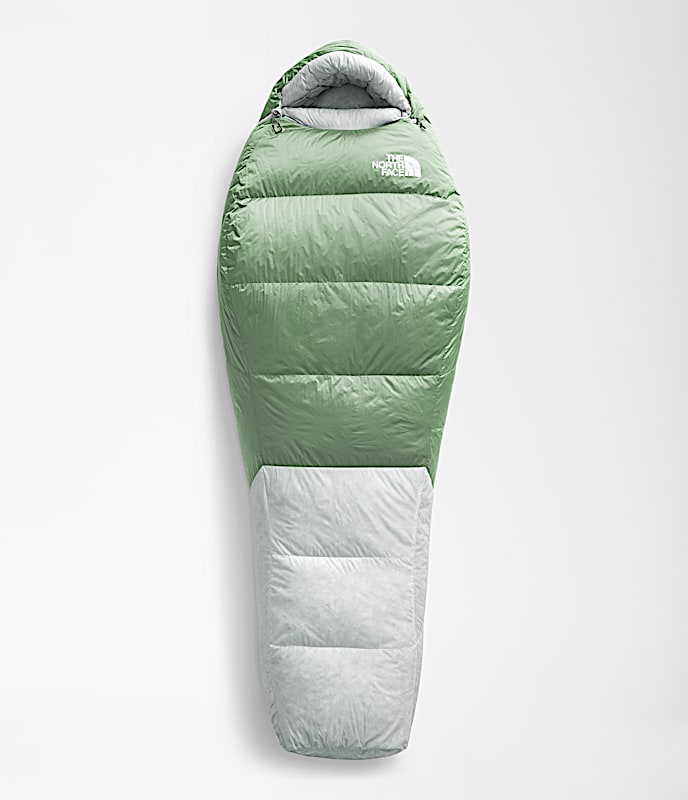
Are you planning a camping trip and wondering if a 0 degree sleeping bag is really necessary? Choosing the right sleeping bag can make or break your outdoor experience.
You don’t want to freeze all night, but you also don’t want to carry extra weight if it’s not needed. This guide will help you understand when a 0 degree sleeping bag is the smart choice for your adventure. Keep reading to find out if it’s the right fit for you and how it can keep you comfortable and safe in cold conditions.
Cold Weather Sleeping Bags
Cold weather sleeping bags keep you warm during chilly nights. They protect you from cold air and help maintain your body heat. Choosing the right bag is key for comfort and safety.
Sleeping bags come with temperature ratings. These ratings show the lowest temperature the bag can handle. Understanding these ratings helps you pick the best bag for your trip.
Temperature Ratings Explained
Temperature ratings tell you how cold it can get before the bag stops keeping you warm. The ratings include comfort, limit, and extreme levels. Each level shows a different safety margin.
- Comfort rating:Lowest temperature for a relaxed sleeper.
- Limit rating:Lowest temperature for a cold sleeper.
- Extreme rating:Survival temperature, not for comfort.
| Rating Type | Meaning |
| Comfort | Temperature for normal comfort |
| Limit | Temperature to avoid cold stress |
| Extreme | Lowest survival temperature |
Why Choose A 0 Degree Bag
A 0 degree sleeping bag works well in cold weather. It keeps you warm in freezing temperatures. This bag fits campers who face snow or cold mountain nights.
- Good for winter camping and mountaineering
- Protects against frost and cold winds
- Helps maintain body heat below freezing
- Offers peace of mind in harsh weather
Using a 0 degree bag means you prepare for cold nights. It adds safety when temperatures drop below freezing. This choice suits serious outdoor adventurers.
Factors Influencing Bag Choice
Choosing the right sleeping bag is important for a comfortable night’s sleep outdoors. Several factors can help you decide if a 0 degree sleeping bag is right for you.
Consider where you will be camping, how cold you usually feel, and your gear.
Camping Location And Season
The place and time of year you plan to camp matter a lot. Mountains and cold areas need warmer sleeping bags. During winter, temperatures drop and you may need a 0 degree bag.
In warmer places, a lighter bag might be enough. Always check the forecast before your trip to decide.
Personal Cold Tolerance
Everyone feels cold differently. Some people get cold easily and may need a warmer bag. Others stay warm in cooler temperatures.
Think about how you usually feel in cold weather. This will help you choose the right sleeping bag.
Sleeping Pad And Shelter Impact
A sleeping pad adds insulation from the ground. It can make a big difference in how warm you feel at night.
Your tent or shelter also affects warmth. A good tent can block wind and keep you warmer.
- Use a good sleeping pad for extra warmth
- Choose a tent that protects against wind
- Consider bag features like hoods and draft collars
Types Of 0 Degree Sleeping Bags
Choosing a 0 degree sleeping bag means you need gear that keeps you warm in very cold conditions. These bags come in different types based on their filling and shape.
Understanding the differences helps you pick the right bag for your outdoor adventures.
Down Vs Synthetic Fill
Down fill comes from duck or goose feathers. It is light and compresses well. Down keeps you very warm but loses heat if wet.
Synthetic fill uses man-made fibers. It stays warm even when wet. Synthetic bags are heavier but dry faster.
- Down: lightweight, compressible, very warm
- Synthetic: water-resistant, heavier, dries quickly
- Down is best for dry cold weather
- Synthetic is better for damp or wet conditions
Bag Shapes And Sizes
Sleeping bags come in different shapes to fit your needs and comfort. The main shapes are mummy, rectangular, and semi-rectangular.
Mummy bags are tight and keep heat close to your body. Rectangular bags offer more space but less warmth. Semi-rectangular bags balance warmth and room.
- Mummy:snug fit, best heat retention
- Rectangular:roomy, less heat retention
- Semi-rectangular:mix of warmth and space
- Sizes vary to fit different heights and sleeping styles

Credit: www.gearx.com
Benefits Of 0 Degree Bags
Choosing the right sleeping bag is important for a good night’s rest outdoors. A 0 degree sleeping bag can keep you warm in very cold weather. These bags offer many benefits for campers and hikers.
Understanding what 0 degree bags provide helps you decide if you need one for your trips. They offer warmth and flexibility in different conditions.
Warmth And Comfort
A 0 degree sleeping bag is designed to protect you from freezing temperatures. It keeps your body heat inside and cold air out. This helps you sleep without feeling cold or uncomfortable.
- High insulation to trap heat
- Soft lining for comfortable sleep
- Wind-resistant outer shell
- Fits snugly to reduce heat loss
Versatility For Various Conditions
0 degree bags work well in many outdoor settings. They are not just for extreme cold. You can use them in fall, winter, and early spring. They handle wet or dry weather with ease.
| Condition | Usefulness of 0 Degree Bag |
|---|---|
| Cold nights (32°F to 0°F) | Provides necessary warmth and comfort |
| Mountain camping | Keeps you warm at high altitudes |
| Wet or damp weather | Water-resistant materials help stay dry |
| Cool spring mornings | Prevents chills when temperatures drop |
Potential Drawbacks
Choosing a 0 degree sleeping bag has some downsides. It might not always be the best choice for every trip.
Understanding these drawbacks helps you decide if you really need one. Think about your needs before buying.
Weight And Bulk
Zero degree sleeping bags often weigh more than bags rated for warmer weather. They use more insulation to keep you warm.
This extra weight can make your backpack heavier and harder to carry. The bag also takes up more space in your pack.
- Heavier to carry on long hikes
- Uses more room in your backpack
- May slow you down during travel
Cost Considerations
Zero degree sleeping bags cost more than bags for milder temperatures. The extra materials and design raise the price.
Buying one might not be worth it if you rarely camp in very cold weather. You could spend money on features you don’t use.
- Higher price than warmer bags
- May not be needed for most trips
- Could limit budget for other gear

Credit: www.amazon.ca
Alternatives To 0 Degree Bags
Not everyone needs a 0 degree sleeping bag for camping. These bags are made for very cold weather. Many campers can stay warm using other options. Choosing the right gear helps you save money and weight.
There are ways to keep warm without buying the coldest sleeping bag. Using layers or special sleep systems can work well. These choices give flexibility for different temperatures.
Layering Sleeping Bags
Layering means using two or more sleeping bags together. You can use a lighter bag inside a thicker one. This adds extra warmth without a heavy bag. It also lets you adjust warmth by adding or removing layers.
You can mix bags with different fillings and shapes. For example, a mummy bag inside a rectangular bag. This method works well for cold nights and warm days. It also helps keep your gear clean.
- Choose bags that fit well together
- Use a lighter bag for warmer weather
- Use a thicker bag for colder nights
- Layering allows temperature control
- Easy to pack and carry
Using Sleep Systems
Sleep systems include a sleeping bag, liner, and pad. Each part helps keep heat in. Liners add warmth and keep the bag clean. Sleeping pads stop cold from the ground.
Using a good sleep system can replace the need for a 0 degree bag. You can adjust the layers in the system for comfort. This option is flexible and often lighter to carry.
- Sleeping bag for insulation
- Liner for extra warmth
- Sleeping pad to block cold ground
- Adjust layers to match weather
- Works well in many conditions
Tips For Choosing The Right Bag
Choosing the right sleeping bag is important for a good night’s rest outdoors. A 0 degree sleeping bag keeps you warm in cold weather. Knowing how to pick the best one helps you stay comfortable and safe.
This guide gives tips to help you decide if you need a 0 degree sleeping bag. It also covers what to check before buying.
Assessing Your Needs
Think about where and when you will use your sleeping bag. Cold weather camping or winter hiking usually needs a 0 degree bag. If you camp in warmer seasons, a lighter bag may work.
Consider your own comfort level and how cold you get at night. Some people feel colder and need warmer bags. Also, check the weight and size if you carry your bag in a backpack.
- Check the usual temperature where you camp
- Decide if you sleep cold or warm
- Think about how you carry your gear
- Choose a bag that fits your body size well
Testing And Reviews
Read reviews from people who have used the sleeping bag. Look for feedback about warmth, comfort, and durability. Real user tests give clues about how the bag performs in cold weather.
Try the bag if possible before buying. Check how it fits and if it feels warm enough. Some outdoor stores let you test sleeping bags in cool rooms or during demo events.
- Look for reviews from trusted sources
- Check user comments about cold weather use
- Test the bag’s weight and pack size
- Try it on to check fit and comfort
Caring For Your Sleeping Bag
A 0 degree sleeping bag keeps you warm in cold weather. Taking care of it helps it last longer.
Proper care includes cleaning, storing, and regular maintenance. These steps protect its insulation and fabric.
Cleaning And Storage
Clean your sleeping bag only when needed. Frequent washing can damage its filling and shell.
Store your sleeping bag in a large, breathable bag. Avoid tight compression to keep loft and insulation.
- Use mild soap and cold water for washing
- Hand wash or use a gentle machine cycle
- Dry completely before storing to prevent mold
- Keep it in a loose storage sack or hang it
- Store in a cool, dry place away from sunlight
Maintenance Tips
Check your sleeping bag for damage before and after trips. Fix tears or broken zippers quickly.
Keep your sleeping bag dry during use. Use a sleeping pad for insulation and moisture protection.
- Repair holes with fabric patches or sewing kits
- Store with the zipper closed to keep shape
- Avoid exposing to sharp objects or rough surfaces
- Air out your sleeping bag after each use
- Use a liner to reduce dirt and sweat buildup

Credit: www.gearx.com
Frequently Asked Questions
What Temperature Is A 0 Degree Sleeping Bag For?
A 0 degree sleeping bag is designed for freezing conditions. It keeps you warm in temperatures around 0°F (-18°C). Ideal for winter camping, mountaineering, or cold weather adventures where staying warm is crucial.
Do I Need A 0 Degree Sleeping Bag Year-round?
No, a 0 degree sleeping bag is not for year-round use. It is best for extreme cold weather. For mild or summer camping, lighter sleeping bags are more comfortable and practical.
How To Choose The Right Sleeping Bag Temperature Rating?
Choose a sleeping bag rating based on expected weather. Consider the coldest temperature you will face. Always opt for a bag rated slightly lower than your lowest temperature for safety and comfort.
Can A 0 Degree Sleeping Bag Be Too Warm?
Yes, a 0 degree sleeping bag can be too warm in mild weather. Overheating can cause discomfort and sweating. Use season-appropriate bags to avoid heat buildup and ensure a good night’s sleep.
Conclusion
Choosing a 0 degree sleeping bag depends on your camping needs. Cold weather trips require good warmth and protection. This type of bag keeps you warm in freezing temperatures. It may be heavy and bulky for mild weather. Think about where and when you will camp.
A 0 degree bag suits winter or mountain adventures best. Stay comfortable by picking the right sleeping bag for you. Warm nights make outdoor trips much more enjoyable. Consider your comfort and safety first.