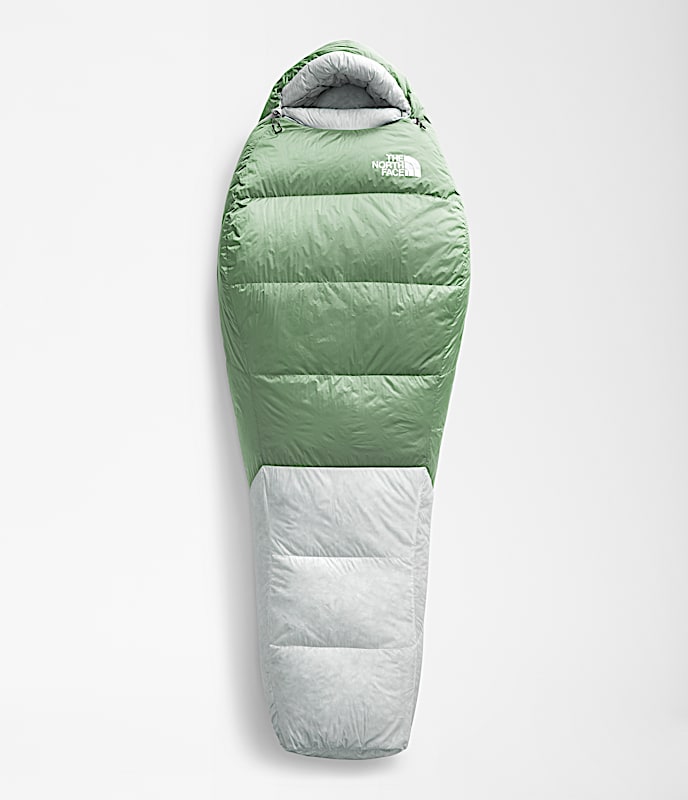
Are you planning your next outdoor adventure and wondering if a 0 degree sleeping bag is a must-have for your gear list? Choosing the right sleeping bag can make or break your camping experience, especially when temperatures start to drop.
You might be asking yourself, “Do I really need a 0 degree sleeping bag, or is it just overkill? ” In this blog post, we’ll uncover the truth about these ultra-warm sleeping bags, helping you decide if investing in one is the best choice for your comfort and safety.
Stay with us as we dive into the factors that influence this crucial decision, ensuring you’re equipped with the knowledge to enjoy a warm and restful night under the stars.

Credit: www.gearx.com
What Is A 0 Degree Sleeping Bag
A 0 degree sleeping bag is designed for cold weather camping. It keeps you warm when temperatures drop to zero degrees Fahrenheit.
These bags are thicker and use special insulation to hold heat inside. They protect you from freezing conditions outdoors.
Temperature Rating Explained
The temperature rating shows the lowest temperature the bag can handle. A 0 degree bag works well in freezing weather.
It is different from bags rated for warmer weather. The rating helps campers choose the right bag for their trip.
Materials And Insulation
0 degree sleeping bags use thick insulation inside. This keeps heat from escaping and cold from entering.
- Down feathers provide great warmth and compress well.
- Synthetic fibers keep warmth even when wet.
- Durable outer fabric blocks wind and moisture.
Ideal Uses For A 0 Degree Sleeping Bag
These bags suit cold weather activities like winter hiking or camping in snowy areas.
They offer comfort and safety when temperatures fall below freezing at night.
| Activity | Why Use a 0 Degree Bag |
| Winter Camping | Protects against frost and cold winds |
| Mountain Hiking | Keeps warmth at high, cold elevations |
| Snow Sports Trips | Provides warmth after outdoor activities |

Credit: www.amazon.ca
When To Use A 0 Degree Bag
A 0 degree sleeping bag is designed for very cold temperatures. It keeps you warm when the weather drops below freezing.
Knowing when to use this bag helps you stay safe and comfortable outdoors. It is best for specific cold conditions.
Cold Weather Camping
Cold weather camping often means temperatures near or below freezing. A 0 degree sleeping bag protects you from the cold night air.
This bag keeps your body heat inside and prevents frostbite or hypothermia. It is a good choice for late fall or early spring trips.
- Camp in areas with temperatures around 0°F (-18°C)
- Use during chilly nights in the mountains
- Ideal for camping in late autumn or early spring
Winter Backpacking
Winter backpacking exposes you to cold, windy, and snowy conditions. A 0 degree sleeping bag is essential for warmth during these trips.
This sleeping bag provides good insulation and helps you rest well despite the cold. It allows you to carry less extra clothing for warmth.
- Backpack in snowy or icy environments
- Plan for temperatures below freezing at night
- Reduce extra bulk by using a well-insulated bag
High Altitude Trips
High altitude trips often mean very cold nights even in summer. A 0 degree sleeping bag helps you stay warm at these heights.
Air gets thinner and colder as you go higher. This bag offers the needed insulation to keep you safe and comfortable while you sleep.
- Use above 8,000 feet (2,400 meters) elevation
- Prepare for cold mountain nights
- Essential for overnight stays in alpine conditions
Temperature Ratings Explained
Sleeping bags have temperature ratings to help you pick the right one. These ratings show how warm the bag keeps you.
Knowing these ratings helps you stay comfortable and safe in cold weather.
Comfort Vs. Limit Ratings
Comfort rating shows the lowest temperature you can sleep in without feeling cold. It fits most people well.
Limit rating is the lowest temperature where you might feel cold but still be safe. It is for less sensitive sleepers.
- Comfort rating: Best for regular use
- Limit rating: Lowest safe temperature
- Use comfort rating for most trips
- Limit rating suits tough sleepers
Factors Affecting Warmth
Warmth depends on more than just the bag’s rating. Different things can change how cold you feel.
Knowing these factors helps you choose the right sleeping bag for your trip.
- Body size and metabolism
- Clothing worn inside the bag
- Sleeping pad insulation
- Weather and wind conditions
- Bag material and fill type

Credit: www.gearx.com
Material And Insulation Types
Choosing the right sleeping bag depends on its materials and insulation. These parts keep you warm and comfortable at night. Understanding them helps you pick the best bag.
Three main parts affect warmth: down insulation, synthetic insulation, and shell fabrics. Each has its own benefits and uses.
Down Insulation
Down insulation comes from the soft feathers under a bird’s outer feathers. It traps heat well and is very light. Down is great for cold, dry weather but loses warmth if wet.
- Very warm and compressible
- Lightweight for easy carrying
- Needs to stay dry to keep insulating
- Usually lasts longer than synthetic
Synthetic Insulation
Synthetic insulation is made from polyester fibers that mimic down. It keeps warmth even when wet and dries faster. Synthetic bags are often cheaper and easier to clean.
| Feature | Down | Synthetic |
| Warmth | High | Moderate |
| Weight | Light | Heavier |
| Water Resistance | Poor | Good |
| Price | Higher | Lower |
| Durability | Long-lasting | Good |
Shell Fabrics
The shell fabric is the outer layer of a sleeping bag. It protects insulation from wind, water, and damage. Common shell fabrics include nylon and polyester, often with water-resistant coatings.
- Nylon is strong and lightweight
- Polyester resists water well
- Durable coatings add weather protection
- Breathable shells help reduce sweat
Weight And Packability Considerations
Choosing a 0 degree sleeping bag means thinking about weight and size. These bags are made for very cold nights, so they can be heavier and bigger.
Knowing how weight and packability affect your trip helps you carry the right gear. This keeps your backpack light and easy to manage.
Weight Of A 0 Degree Sleeping Bag
0 degree sleeping bags often weigh more than bags made for warmer weather. This is because they use extra insulation to keep you warm.
Heavy bags can slow you down on long hikes. Think about how much weight you can carry comfortably before choosing your bag.
- Extra insulation adds weight
- Heavier bags may tire you faster
- Balance warmth with how much you can carry
Packability Of A 0 Degree Sleeping Bag
Packability means how small your sleeping bag can get when packed. 0 degree bags are thicker, so they take more space.
Look for bags with good compression features. These help make the bag smaller to fit better in your backpack.
- Thicker insulation means bigger packed size
- Compression sacks reduce volume
- Smaller packed size saves backpack space
Alternatives To 0 Degree Sleeping Bags
A 0 degree sleeping bag keeps you warm in very cold weather. But you may not always need one. There are other ways to stay warm on cold nights without carrying a heavy bag.
Choosing the right gear and using smart techniques can help you sleep comfortably. These options can be lighter, cheaper, or easier to use.
Layering Strategies
Layering your clothes and sleeping gear traps heat and keeps you warm. You can use several thin layers instead of one thick layer.
Start with a base layer that wicks away sweat. Add an insulating layer to hold heat. Use a waterproof or windproof outer layer to block cold air.
- Base layer: thermal underwear or moisture-wicking clothes
- Insulating layer: fleece or down jacket
- Outer layer: rain jacket or windbreaker
- Extra blankets or liners inside your sleeping bag
Using Sleep Systems
Sleep systems combine different items to keep you warm. These systems include sleeping pads, liners, and bags working together.
A good sleeping pad stops cold ground from pulling heat from your body. Adding a sleeping bag liner can boost warmth without extra bulk.
- Use an insulated sleeping pad under your bag
- Add a fleece or silk sleeping bag liner
- Choose a lighter sleeping bag rated for higher temperatures
- Combine these parts to adjust warmth based on the weather
Cost Vs. Performance
Choosing a 0 degree sleeping bag means balancing cost and performance. These bags keep you warm in very cold weather.
But they often come with a higher price. You need to know if the extra cost is worth it for your needs.
Understanding Temperature Ratings
Temperature ratings tell you the lowest temperature a bag can handle. A 0 degree bag works well in freezing cold.
If you camp in mild weather, a 0 degree bag may be too warm and heavy. It may cost more without full benefit.
Material Quality And Insulation
High-quality materials improve warmth and weight. Down insulation is lighter but usually costs more.
Synthetic insulation can be cheaper but heavier. You pay more for better insulation that keeps heat well.
Weight And Packability
A 0 degree sleeping bag often weighs more. It can take more space in your backpack.
Lightweight bags cost more but make hiking easier. Think about how much weight you can carry comfortably.
Frequency Of Use
If you camp in cold places often, a 0 degree bag is a good investment. It will perform well when needed.
For rare cold trips, renting or borrowing might save money. Buying an expensive bag is not always smart.
Budget Considerations
Higher performance means higher price. Decide how much you can spend before buying.
Lower-cost bags may not keep you warm in extreme cold. Balance your budget with your safety needs.
| Feature | Low-Cost Bag | High-Performance 0 Degree Bag |
|---|---|---|
| Warmth | Good for mild cold | Excellent for freezing cold |
| Weight | Heavier | Lightweight options |
| Durability | Average | High-quality materials |
| Price | Affordable | Expensive |
Tips For Staying Warm At Night
Sleeping in cold weather can be tough. Using a 0 degree sleeping bag helps, but you need more than that. Staying warm all night requires good preparation and smart choices.
This guide shares easy tips to keep you cozy and safe during cold nights outdoors.
Choosing The Right Sleeping Pad
A sleeping pad stops cold from the ground. It adds comfort and insulation. Choose a pad with good insulation value (R-value) for cold nights.
Thicker pads keep you warmer. Inflatable or foam pads work well. Make sure the pad fits your sleeping bag size for full coverage.
- Look for R-value 4 or higher for cold weather
- Inflatable pads can be lighter and warmer
- Foam pads are durable and cheap
- Check pad size matches your sleeping bag
Proper Clothing
Wear clothes that keep heat in and dry. Use layers that you can add or remove. Start with a moisture-wicking base layer to stay dry.
Add an insulating layer like fleece. Use a windproof and waterproof outer layer if needed. Avoid cotton because it traps moisture and cools you down.
- Base layer: wool or synthetic materials
- Insulating layer: fleece or down jacket
- Outer layer: windproof and waterproof shell
- Wear warm socks and a hat
- Keep gloves handy for cold hands
Site Selection
Pick a campsite that helps you stay warm. Avoid low spots where cold air settles. Look for natural wind barriers like trees or rocks.
Clear the ground of snow and debris. Use leaves or pine needles as extra insulation under your sleeping pad. Choose a flat spot to sleep comfortably.
- Find a flat, dry area for your tent
- Avoid valleys or low spots where cold air collects
- Camp near trees or rocks for wind protection
- Clear snow and sharp objects from the ground
- Use natural materials for added ground insulation
Frequently Asked Questions
What Is A 0 Degree Sleeping Bag Used For?
A 0 degree sleeping bag is designed for extreme cold weather. It keeps you warm in freezing temperatures, ideal for winter camping and mountaineering. Its insulation prevents heat loss, ensuring comfort and safety in sub-zero conditions. Choose it if you expect very cold nights outdoors.
Do I Need A 0 Degree Sleeping Bag For Mild Weather?
No, a 0 degree sleeping bag is not necessary for mild weather. It can cause overheating and discomfort in warmer conditions. For mild climates, use a sleeping bag rated for higher temperatures, like 20 or 40 degrees. This ensures better comfort and breathability.
How To Choose The Right Sleeping Bag Temperature Rating?
Select a sleeping bag temperature rating based on your camping conditions. Consider the lowest nighttime temperature you’ll face. Choose a bag rated slightly lower for safety. For cold winter trips, a 0 degree bag is suitable. For milder weather, pick a higher rating.
Are 0 Degree Sleeping Bags Heavier Than Regular Bags?
Yes, 0 degree sleeping bags are generally heavier due to extra insulation. They use thicker materials to provide warmth in extreme cold. This added weight can affect portability. If weight is a concern, look for lightweight models designed for cold weather.
Conclusion
Choosing a 0 degree sleeping bag depends on your camping needs. Cold weather trips need warm and reliable gear. A 0 degree bag keeps you comfortable in freezing temperatures. For mild weather, a lighter bag might work better. Think about where and when you camp most.
Stay safe and warm with the right sleeping bag. Your comfort at night helps you enjoy the outdoors more. Make a choice that fits your adventures well.