Are you puzzled about whether you need a dishwasher air gap in your kitchen? You’re not alone.
Many homeowners find themselves questioning this small yet significant component. What exactly is a dishwasher air gap, and why should you care about it? Here’s a hint: it plays a crucial role in keeping your kitchen clean and your family safe.
By the end of this article, you’ll know exactly what an air gap does and why it might just be the unsung hero of your kitchen setup. Stay with us as we unravel the mystery behind this essential device that could save you from unwanted plumbing headaches and health risks. Your kitchen’s hygiene could depend on it. Ready to discover more? Let’s dive in.
What Is A Dishwasher Air Gap
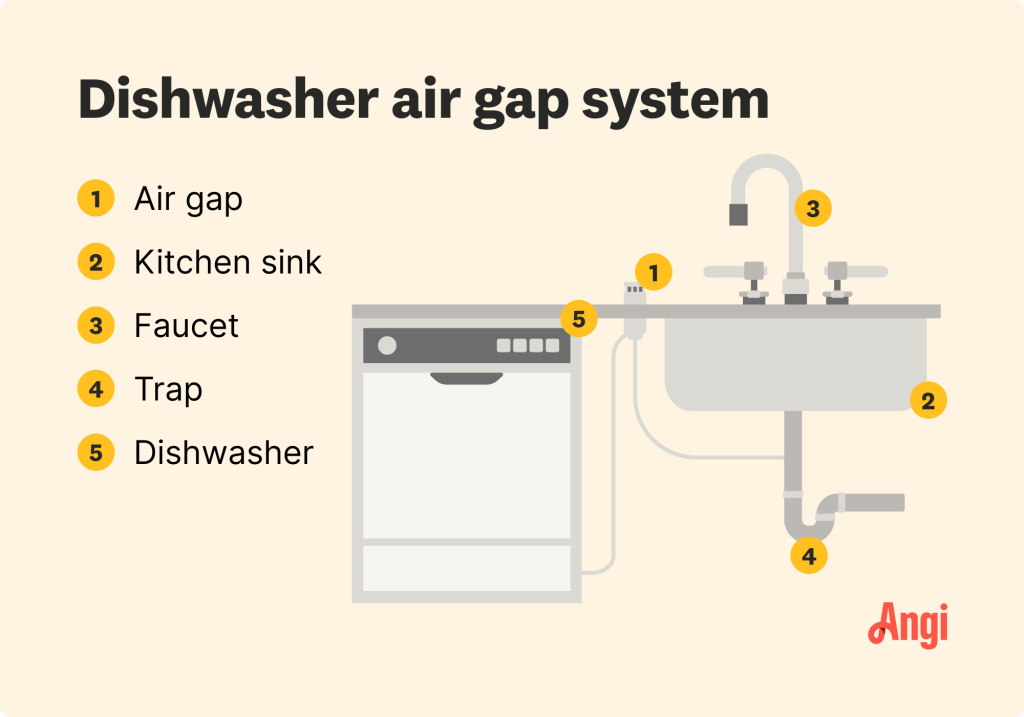
A dishwasher air gap is a small device installed near the kitchen sink. It prevents dirty water from flowing back into the dishwasher. This helps keep your dishwasher clean and safe.
The air gap works by creating a gap of air between the dishwasher drain and the sink drain. This gap stops dirty water from siphoning back into the dishwasher. It acts like a barrier to protect your dishes from contamination.
How Does A Dishwasher Air Gap Work?
The air gap connects to two hoses. One hose leads from the dishwasher to the air gap. The other hose goes from the air gap to the sink drain.
When the dishwasher drains, water flows through the air gap. The air gap allows air to break any backflow. This stops dirty water from returning to the dishwasher.
Where Is The Air Gap Installed?
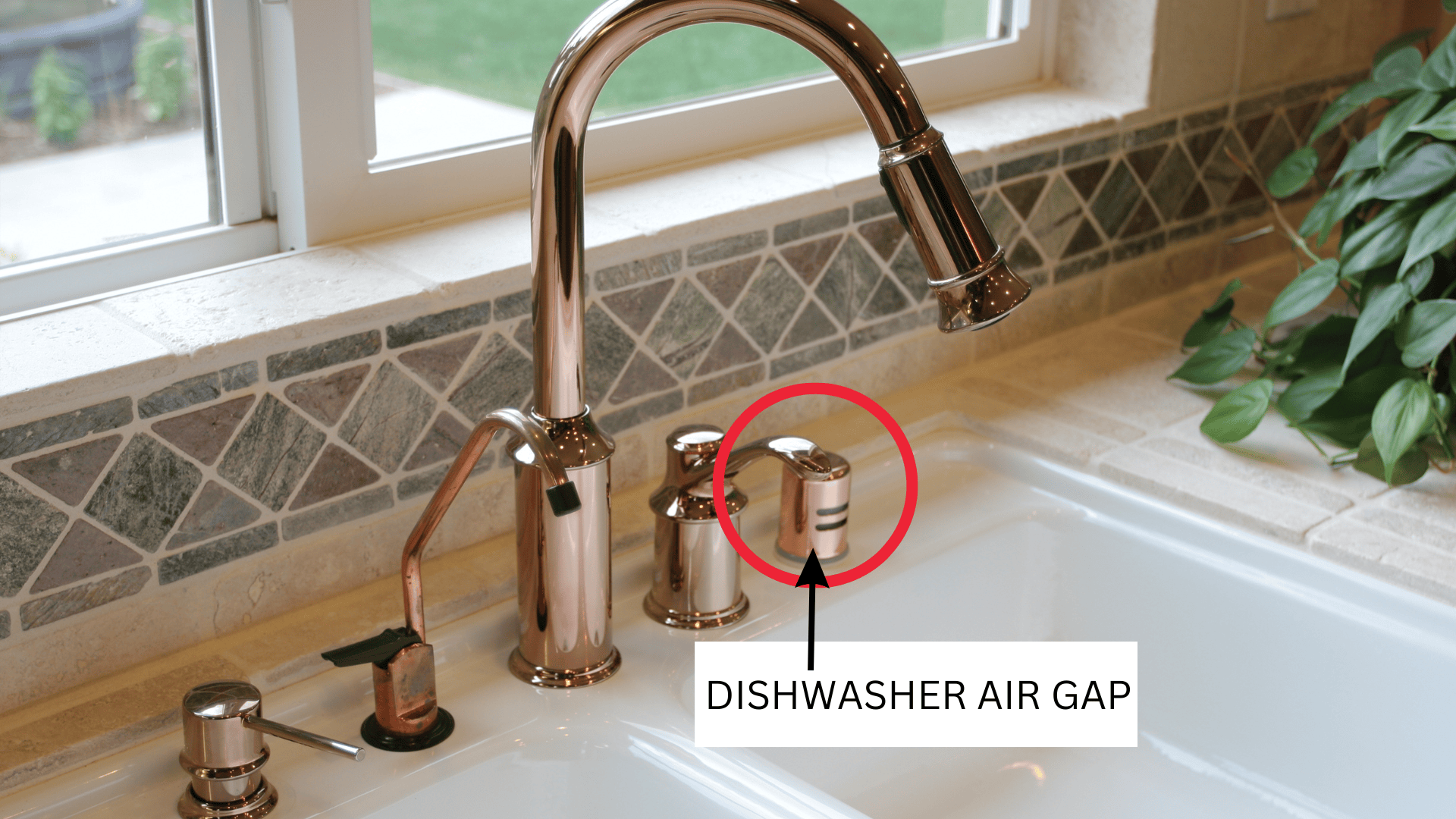
The air gap is usually mounted on the sink or countertop. It looks like a small metal or plastic cylinder. It sits next to the faucet and has a cover.
Its location makes it easy to see if it is clogged or leaking. This helps with regular maintenance and cleaning.
Why Is An Air Gap Important?
- Prevents contamination of dishes with dirty water
- Meets local plumbing codes in many areas
- Protects your dishwasher from damage due to backflow
- Helps maintain good hygiene in the kitchen
Why Air Gaps Matter
Air gaps play a vital role in dishwasher installations. They help keep your kitchen safe and clean. Without an air gap, dirty water might flow back into your dishwasher. This can cause contamination and health risks.
Understanding why air gaps matter helps you make better decisions. It also ensures your dishwasher works efficiently and lasts longer. Let’s explore the main reasons air gaps are important.
Prevents Backflow Contamination
An air gap stops wastewater from flowing back into your dishwasher. It creates a space that blocks dirty water from returning. This prevents germs and bacteria from contaminating your clean dishes.
Meets Plumbing Codes
Many local building codes require air gaps for dishwashers. They ensure safe and proper plumbing. Installing an air gap keeps your setup legal and avoids fines or problems during inspections.
Protects Your Dishwasher
Backflow can damage your dishwasher’s motor and parts. An air gap prevents dirty water from entering sensitive components. This helps your dishwasher last longer and reduces repair costs.
Improves Drainage Efficiency
Air gaps help maintain proper drainage pressure. They stop clogs and allow water to flow smoothly. This makes your dishwasher drain faster and more effectively.
Local Plumbing Codes And Requirements
Understanding local plumbing codes is crucial before deciding whether you need a dishwasher air gap. These regulations vary widely by location and directly affect how you install or upgrade your dishwasher drainage system.
Ignoring local requirements can lead to costly repairs or even health hazards. Have you checked what your local code demands about dishwasher air gaps?
What Local Codes Say About Dishwasher Air Gaps
Many municipalities require an air gap to prevent dirty water from siphoning back into your dishwasher. This device acts as a physical barrier between the dishwasher and the drain line.
Some areas might allow alternatives like high loops, but these often come with strict installation rules. Knowing exactly what your code specifies helps you avoid fines and plumbing issues.
How To Find Your Local Plumbing Requirements
Start by visiting your city or county’s official website. Look for plumbing codes, permit guidelines, or building regulations related to kitchen plumbing.
You can also call your local building department or speak with a licensed plumber who knows the area. They can provide insights into whether an air gap is mandatory or if other options exist.
Consequences Of Not Following Local Plumbing Codes
Failing to install a required air gap can cause water contamination and damage to your dishwasher. Insurance claims may be denied if your installation doesn’t meet code.
Additionally, during home inspections, improper plumbing can lower your property’s value or stall a sale. Is saving a bit of money now worth these potential risks?
How Air Gaps Prevent Contamination
Understanding how air gaps prevent contamination is key to maintaining a clean and healthy kitchen environment. An air gap is a small but vital device that stops dirty water from flowing back into your dishwasher or sink. It creates a physical break between the dishwasher drain and the home’s plumbing, ensuring that wastewater doesn’t mix with your clean dishes.
What Exactly Is An Air Gap?
An air gap is a simple fixture usually mounted on your sink or countertop. It looks like a small cylinder with a cap, but its function is crucial. By providing a gap of air between the dishwasher drain hose and the sink drain, it blocks any backflow of dirty water.
How Backflow Can Contaminate Your Dishwasher
When wastewater from your sink or garbage disposal flows backward, it can carry food particles, grease, and bacteria into your dishwasher. This backflow can happen if there’s a clog or if your plumbing is improperly installed. Without an air gap, these contaminants can land on your dishes, creating a health risk.
The Science Behind The Air Gap’s Protection
The air gap works by physically separating the dishwasher’s drain line from the sink’s drain system. If water tries to flow backward, it spills out through the air gap, usually onto the sink or countertop, rather than re-entering the dishwasher. This simple barrier stops dirty water from sneaking back in.
Real-life Impact: Why I Installed An Air Gap
After noticing a funky smell and residue on my dishes, I learned that backflow was the culprit. Installing an air gap eliminated the problem immediately. It’s a small change that made a big difference in keeping my kitchen sanitary.
- Water pooling around your dishwasher or sink drain
- Unpleasant odors coming from your dishwasher
- Visible residue or film on your dishes after washing
- Local plumbing codes requiring air gaps for dishwashers
Does Your Home Plumbing Require An Air Gap?
Not all homes require an air gap by law, but many plumbing codes do. It’s worth checking your local regulations and your dishwasher’s installation manual. Installing an air gap can also prevent costly plumbing issues down the road.
Alternatives To Air Gaps
Not everyone has an air gap installed for their dishwasher, and you might wonder if there are other ways to prevent dirty water from flowing back into your clean dishes. Luckily, there are alternatives that can work depending on your kitchen setup and local plumbing codes. Understanding these options helps you decide what fits best for your home and budget.
High Loop Drain Method
The high loop drain method involves routing the dishwasher drain hose up to the underside of the countertop before it connects to the sink drain. This elevated loop creates a natural barrier that stops wastewater from siphoning back into the dishwasher.
This setup is simple and doesn’t require extra parts, making it a popular choice for many homeowners. However, it relies on proper installation height, usually at least 20 inches above the floor, to be effective. You might have installed one yourself without realizing it—did you notice the hose looping under your counter?
Air Gap Vs. High Loop Comparison
| Feature | Air Gap | High Loop |
|---|---|---|
| Installation | Requires a separate device on the sink or countertop | Uses existing plumbing, no extra device needed |
| Effectiveness | Provides a physical barrier preventing backflow | Relies on gravity and hose height to prevent backflow |
| Cost | Higher due to additional parts and labor | Minimal or no cost if properly installed |
| Code Compliance | Often required by local building codes | May not meet code requirements in some areas |
Choosing between an air gap and a high loop often depends on your local plumbing rules and how much work you want to put into installation. Think about your priorities: is ease and cost more important, or is guaranteed protection from backflow your top concern?
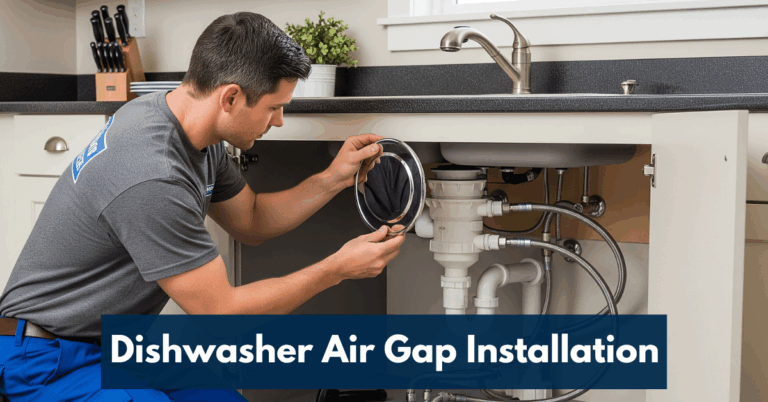
Installing A Dishwasher Air Gap
Installing a dishwasher air gap helps prevent dirty water from backing up into your dishwasher. It creates a physical barrier that stops wastewater from flowing back. This simple device improves your kitchen’s hygiene and keeps your dishwasher working well.
Tools And Materials Needed
- Dishwasher air gap kit
- Adjustable wrench
- Screwdriver (Phillips and flathead)
- Measuring tape
- Drill with hole saw bit
- Plumber’s putty or silicone sealant
- Hose clamps
- Replacement dishwasher drain hose (if needed)
- Bucket or towel for water spills
Step-by-step Installation Guide
- Turn off the dishwasher and water supply.
- Move the dishwasher out slightly to access hoses.
- Choose a spot on the sink or countertop for the air gap.
- Drill a hole if there is no existing one.
- Apply plumber’s putty or sealant around the air gap base.
- Insert the air gap into the hole and secure it with the mounting nut.
- Disconnect the dishwasher drain hose from the dishwasher.
- Attach the hose from the dishwasher to the air gap’s inlet.
- Connect the air gap’s outlet hose to the sink drain or garbage disposal.
- Use hose clamps to secure all hose connections tightly.
- Push the dishwasher back into place carefully.
- Turn on the water supply and run a short wash cycle to check for leaks.
Common Air Gap Problems
Dishwasher air gaps are essential for preventing dirty water from flowing back into your clean dishes. However, like any plumbing component, they can face issues that disrupt their function. Understanding common air gap problems helps you identify and fix them before they become costly repairs.
Clogs And Blockages
Clogs are the most frequent problem with dishwasher air gaps. Food particles, soap residue, and debris can build up inside the air gap, blocking water flow. If your dishwasher starts draining slowly or water pools in the sink, a blockage might be the cause.
Cleaning the air gap is straightforward. Remove the cover and use a brush or a pipe cleaner to clear any obstructions. You might be surprised how much gunk collects in there over time.
Leaks And Repairs
Leaks around the air gap can occur if seals wear out or connections loosen. You may notice water dripping onto your countertop or under the sink during dishwasher cycles. Ignoring leaks can lead to water damage and mold growth.
Check the tightness of hose clamps and inspect the rubber gaskets regularly. Replacing damaged parts is often simple and inexpensive. Have you checked your air gap seals lately?
Credit: gps-plumbing.com
Maintenance Tips For Air Gaps
Keeping your dishwasher air gap clean and functioning properly is crucial to prevent water backflow and ensure your kitchen stays hygienic. Regular maintenance can save you from costly plumbing issues and keep your dishwasher running smoothly. Let’s look at some practical tips to help you maintain your air gap effectively.
How To Clean Your Air Gap
Removing debris and buildup from the air gap is easier than you might think. Start by unscrewing the decorative cap on top and lifting it off carefully. Use a small brush or a pipe cleaner to clear out any gunk inside the air gap cylinder.
Running water through the air gap while you clean helps flush out loosened dirt. You’ll be surprised how much residue can accumulate, especially if your water is hard or you use a lot of dishwasher detergent.
How Often Should You Inspect It?
Checking your air gap once every few months is a good habit. If you notice slow drainage or water pooling around the sink, inspect it immediately. Waiting too long can lead to clogs or foul odors.
Try setting a reminder on your phone or calendar to inspect the air gap along with your regular kitchen cleaning routine. This small habit can prevent bigger problems down the line.
What To Do If You Notice A Leak
Leaks around the air gap can signal a loose connection or cracked parts. First, tighten the hose clamps connecting the dishwasher and drain lines. If the leak persists, check the air gap body for cracks or damage.
Replacing a faulty air gap is usually straightforward and affordable. Don’t ignore leaks, as they can lead to water damage under your sink and cause mold growth.
Tips To Prevent Future Clogs
- Avoid pouring grease or large food particles into the dishwasher drain.
- Run hot water in the sink before starting the dishwasher to help clear debris.
- Occasionally flush the air gap with a vinegar solution to break down mineral deposits.
Taking these small steps can keep your air gap clear and working efficiently, saving you stress and maintenance costs.
Signs You Need An Air Gap
Knowing the signs you need a dishwasher air gap helps protect your kitchen from dirty water backflow. An air gap stops water from your sink or dishwasher from flowing back into clean water lines. Ignoring these signs can cause water damage and health risks.
Watch for problems that show your dishwasher might lack a proper air gap. Early detection helps avoid costly repairs and keeps your kitchen safe.
Visible Water Backflow Near The Sink
Water pooling near the sink drain after running the dishwasher is a clear sign. It means dirty water is flowing back instead of draining properly. This often happens without an air gap installed.
Slow Or Incomplete Drainage
Your dishwasher takes longer to drain or leaves water inside. This may indicate a blockage or backflow issue. An air gap helps air enter the drain line, allowing water to flow smoothly out.
Unpleasant Odors Around The Dishwasher
Smells of sewage or standing water near the dishwasher suggest waste is trapped. These odors occur when dirty water cannot drain fully. An air gap prevents this by stopping backflow.
Water Leaks Under The Sink
Leaks under the sink cabinet after dishwasher use signal a drainage problem. Without an air gap, water can flow back and escape from connections. This causes damage to cabinets and flooring.
Local Plumbing Codes Require An Air Gap
Some areas mandate air gaps by law for dishwashers. Check local codes before installation. Missing an air gap can cause inspection failures and fines.

Credit: www.youtube.com
Credit: callwhitney.com
Frequently Asked Questions
What Is A Dishwasher Air Gap And Why Use It?
A dishwasher air gap prevents dirty water from flowing back into the dishwasher. It ensures clean water supply and protects your plumbing. Many local codes require it for safety and hygiene reasons.
Do All Dishwashers Need An Air Gap Installed?
Not all dishwashers need an air gap, but many local codes require one. It depends on your plumbing setup and local regulations. Check your local building codes to be sure.
Can I Install A Dishwasher Without An Air Gap?
You can install a dishwasher without an air gap if allowed by local codes. However, it may risk backflow contamination. Using an air gap is the safest option to protect your water supply.
How Does A Dishwasher Air Gap Prevent Backflow?
The air gap creates a physical break between the dishwasher and drain. This stops dirty water from siphoning back into the dishwasher. It acts as a barrier for contaminants.
Conclusion
A dishwasher air gap helps keep dirty water out of your clean dishes. It stops water from flowing back into the dishwasher. Many local codes require it for safety. Installing one is simple and affordable. It gives peace of mind and better hygiene.
Not all dishwashers need it, but it is a smart choice. Protect your home’s water system and avoid clogs. Consider adding an air gap for cleaner, safer dishwashing.