Are you wondering if you really need a footprint for your tent? It’s a simple question, but the answer can make a big difference in how your camping trip feels.
A footprint might seem like an extra piece of gear you don’t want to carry, but it can protect your tent, keep you dry, and save you from unexpected troubles. Before you pack up and head out, let’s dive into why a footprint could be the game-changer for your next adventure—and whether it’s worth the space in your backpack.
Keep reading to find out how this small addition can make your camping experience much better.
Purpose Of A Tent Footprint
A tent footprint is a protective layer placed under your tent. It serves multiple purposes to enhance your camping experience.
This guide will explore how a footprint protects your tent and improves comfort while camping.
Protecting Tent Floor
A tent footprint acts as a barrier between the ground and your tent floor. It helps prevent damage from rocks, sticks, and moisture.
This protection is crucial for maintaining the quality of your tent. A damaged tent floor can lead to leaks and discomfort.
- Keeps tent floor dry
- Prevents tears from sharp objects
- Reduces wear and tear
Increasing Tent Longevity
A footprint extends the life of your tent. By shielding it from rough surfaces, it reduces the risk of damage.
Investing in a footprint can save money in the long run. A longer-lasting tent means fewer replacements.
| Benefit | Description |
| Durability | Reduces direct contact with rough ground |
| Cost-effective | Less frequent need to buy new tents |
Enhancing Comfort
A footprint can make sleeping more comfortable. It adds a layer of cushioning between you and the hard ground.
This extra layer helps insulate your tent. It keeps you warmer during cold nights by reducing heat loss to the ground.
| Comfort Feature | Effect |
| Cushioning | Improves sleep quality |
| Insulation | Keeps warmth inside the tent |

Credit: www.reddit.com
Types Of Footprints
A footprint protects the bottom of your tent from damage. It also helps keep moisture away. Different footprints suit different tents and needs.
Choosing the right footprint can make camping more comfortable and extend your tent’s life.
Custom-fit Footprints
Custom-fit footprints match the exact shape and size of your tent. They offer the best protection because they cover all areas.
These footprints often come from the tent maker or specialized brands. They prevent water and dirt from getting under your tent floor.
Universal Ground Tarps
Universal ground tarps are larger sheets that work with many tents. They do not fit perfectly but still protect the tent bottom.
You can fold or cut them to size. They are usually cheaper and good for casual camping trips.
- Made from durable waterproof materials
- Can be reused for different tents
- May extend beyond tent edges to protect campsite
Diy Options
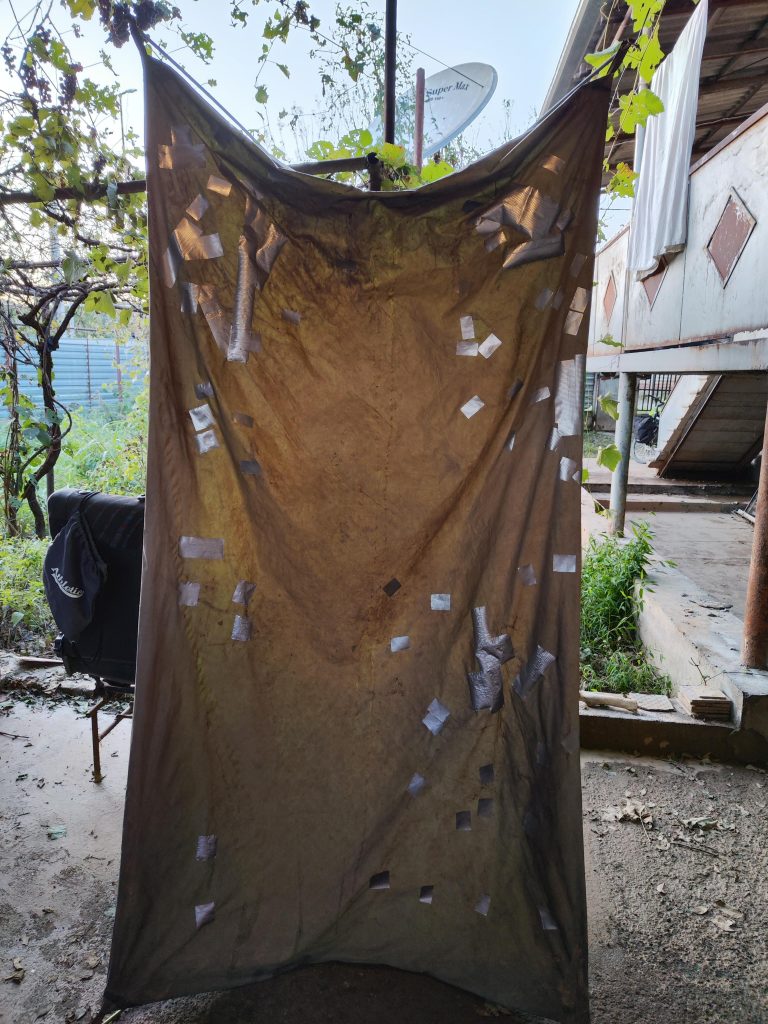
You can make your own footprint with materials like plastic sheets or old tarps. This option saves money and allows custom sizes.
DIY footprints may not last as long as store-bought ones but work well for short trips or emergencies.
- Use heavy-duty plastic or canvas
- Cut to match your tent size
- Secure edges to avoid slipping
When To Use A Footprint
A footprint is a protective layer that goes under your tent. It shields the tent floor from damage and dirt.
Knowing when to use a footprint can keep your tent in good shape and make camping easier.
Rough Terrain Conditions
Rough terrain can have sharp rocks, sticks, or uneven ground. These things can tear or wear out your tent floor.
Using a footprint helps protect your tent from these hazards. It adds a strong barrier between the ground and your tent.
- Prevents holes and tears
- Makes packing up easier by keeping the bottom clean
- Improves comfort by smoothing out small bumps
Wet Or Muddy Ground
Wet or muddy ground can soak into your tent floor. This causes dampness and damage over time.
A footprint acts as a waterproof layer. It keeps water from seeping in and stops mud from sticking to your tent.
- Protects against water damage
- Keeps the tent floor dry and clean
- Makes cleaning after camping faster
Extended Camping Trips
Long trips put more wear on your tent. The floor can get dirty, wet, or torn with constant use.
Using a footprint during extended trips helps keep your tent floor strong and clean for many nights.
- Extends the life of your tent
- Reduces damage from constant setup and takedown
- Makes packing lighter by reducing cleaning needs
Material Choices And Durability
Choosing a footprint for your tent helps protect the tent floor from damage. The material of the footprint affects how long it lasts and how well it works. Durable materials keep your tent safe from rough ground and wet conditions.
Picking the right footprint material also affects how easy it is to carry and set up. Some materials are heavier but stronger, while others are lighter but less durable.
Common Materials Used
Footprints come in different materials. Each has benefits and downsides. Common materials include nylon, polyester, and polyethylene. Nylon is strong and light. Polyester resists stretching and UV damage. Polyethylene is heavy but very tough.
- Nylon:Lightweight and strong, good for backpacking.
- Polyester:Holds shape well and resists sun damage.
- Polyethylene:Thick and tough, great for rough surfaces.
Waterproofing Features
A good footprint should keep moisture from reaching your tent floor. Many footprints have waterproof coatings like polyurethane or silicone. These coatings stop water from soaking through. Without waterproofing, your tent floor can get wet and damaged.
Waterproof coatings also help footprints last longer. They protect the fabric from rain, mud, and dirt. Choose a footprint with a durable waterproof layer for better protection.
Weight Considerations
The weight of a footprint matters if you carry your gear on your back. Lightweight footprints make hiking easier. Nylon and polyester options are usually lighter. Polyethylene footprints are heavier but offer extra protection.
- Lightweight footprints reduce pack weight.
- Heavier footprints offer more durability.
- Balance weight with durability for your needs.
Setting Up Your Footprint
A footprint is a protective layer placed under your tent. It shields the tent floor from dirt, rocks, and moisture. Setting it up correctly helps keep your tent clean and dry.
This guide covers the right way to place, secure, and protect your footprint. Follow these tips for a smooth camping experience.
Proper Placement Tips
Choose a flat, clear area for your footprint. Remove sharp sticks, stones, and debris from the ground. Align the footprint to match your tent’s shape and size.
- Pick a level spot to avoid water pooling under the tent.
- Make sure the footprint is slightly smaller than the tent floor.
- Lay the footprint smoothly without wrinkles or folds.
- Check that it covers the entire tent base to prevent damage.
Securing The Footprint
Keep the footprint in place by attaching it to your tent. This stops it from sliding and reduces wear on the tent floor. Use the tent’s built-in loops or straps to fasten the footprint.
| Method | Description |
| Tent loops | Clip footprint corners to tent loops for a tight fit. |
| Straps | Use straps to secure footprint edges under tent corners. |
| Stakes | Stake down footprint edges if your tent does not have attachments. |
Avoiding Damage
Protect your footprint to extend its life and keep your tent safe. Avoid dragging it over rough surfaces. Clean it before packing to prevent dirt buildup.
Tips to avoid damage:
- Fold the footprint carefully to prevent creases.
- Store it in a dry place away from sunlight.
- Do not place the tent or footprint over sharp rocks.
- Inspect the footprint regularly for tears or holes.

Credit: www.reddit.com
Alternatives To Using A Footprint
A footprint protects your tent floor from damage and dirt. Some campers choose other ways to protect their tent instead. These alternatives can be useful in different camping situations.
Below are some options to consider if you do not want to use a footprint with your tent.
Using Tent Pads
Tent pads are flat areas made of gravel, sand, or wood chips. They provide a clean, firm surface for your tent. Tent pads help prevent moisture from seeping under the tent. They also reduce wear and tear on the tent floor.
Clearing The Campsite
Clearing the campsite means removing rocks, sticks, and debris before setting up your tent. This method protects the tent floor from sharp objects. It also helps keep the inside of your tent clean.
- Pick a flat area free of stones and sticks
- Brush away loose dirt and leaves
- Check for roots or uneven ground
- Use a groundsheet or tarp if available
Tent Design Features
Some tents have built-in features that protect the floor. These features reduce the need for a separate footprint. Look for tents with thick floor material or waterproof coatings.
| Feature | Description | Benefit |
| Thick Floor Material | Heavy-duty fabric on tent floor | Resists tears and punctures |
| Waterproof Coating | Sealant layer on floor fabric | Keeps moisture out |
| Seam Sealing | Sealed floor seams | Prevents leaks |
| Bathtub Floor Design | Floor edges rise up the walls | Stops water from entering tent |
Maintaining And Cleaning Your Footprint
A footprint helps protect your tent’s floor from damage. Keeping it clean and well-maintained extends its life. Simple care steps keep your footprint ready for every trip.
Cleaning and storing your footprint properly prevents wear and tear. Small repairs can stop damage from getting worse. Follow these tips to keep your footprint in good shape.
Post-trip Cleaning
After each trip, remove dirt and debris from your footprint. Use a soft brush or cloth to clean it gently. Avoid harsh chemicals that can damage the material.
If your footprint is very dirty, rinse it with water. Let it dry completely before storing. This stops mold and mildew from forming.
Storage Tips
Store your footprint in a cool, dry place. Fold it loosely to avoid creases and cracks. Keep it away from direct sunlight to prevent fading and damage.
Do not store your footprint while it is wet. Moisture can cause mold growth and weaken the fabric. Use a breathable bag or container for storage.
Repairing Small Tears
Check your footprint for small tears or holes after each use. Repair minor damage quickly to keep it waterproof. Use a patch kit made for tent fabrics.
- Clean the damaged area before repair
- Apply adhesive and press the patch firmly
- Allow the patch to dry for several hours
- Test the repair before using the footprint again
Credit: www.cleverhiker.com
Frequently Asked Questions
What Is A Tent Footprint And Why Use It?
A tent footprint is a protective groundsheet that fits under your tent. It shields the tent floor from dirt, moisture, and abrasions. Using one extends your tent’s life and improves comfort by adding an extra waterproof layer.
Can I Use A Tarp Instead Of A Footprint?
Yes, a tarp can serve as a footprint. However, it may not fit perfectly and could cause water pooling or damage. A custom footprint offers better protection and durability tailored to your tent model.
Does A Footprint Improve Tent Waterproofing?
Absolutely. A footprint adds an extra waterproof barrier beneath your tent. It prevents ground moisture from seeping through the tent floor, keeping your interior dry and comfortable during wet conditions.
How Does A Footprint Protect My Tent Floor?
A footprint guards against sharp rocks, sticks, and rough terrain. It reduces wear and tear on your tent’s base. This protection helps avoid punctures and extends the tent’s usable lifespan.
Conclusion
A footprint protects your tent floor from damage and dirt. It helps keep your tent clean and dry inside. Using one can make your camping gear last longer. It also adds an extra layer of comfort on rough ground. A footprint is light and easy to carry.
It is a small item that offers big benefits. Think about the places you camp and how often you use your tent. A footprint can save you time and effort while camping. It’s a smart choice for many campers.