Are you standing in your kitchen, contemplating whether a microwave oven is a necessary addition to your home? It’s a common question that many of us face.
As you navigate through the myriad of kitchen appliances, making the right choice can feel overwhelming. You might wonder if a microwave is just a convenience or if it truly has a place in your daily routine. Could it simplify your life, or is it just another gadget to clutter your countertop?
We’ll dive into the practical benefits and potential drawbacks of owning a microwave oven. By the end, you’ll have a clear understanding of whether it’s a must-have for you or an appliance you can do without. Let’s explore the facts and help you make an informed decision that fits your lifestyle perfectly.
Benefits Of A Microwave Oven
Microwave ovens offer many benefits that make cooking easier and faster. They help save time, reduce energy use, and add convenience in the kitchen. These advantages make microwaves a valuable tool for busy households and simple meal preparation.
Time-saving Cooking
Microwaves cook food much faster than traditional ovens. They heat food evenly and quickly by using electromagnetic waves. This means you can warm leftovers or prepare meals in minutes. No need to wait for the oven to preheat. Perfect for quick snacks and busy days.
Energy Efficiency
Microwaves use less electricity than conventional ovens. They focus heat directly on the food, reducing wasted energy. This makes them cost-effective and better for the environment. Using a microwave can lower your utility bills and shrink your carbon footprint.
Convenience And Versatility
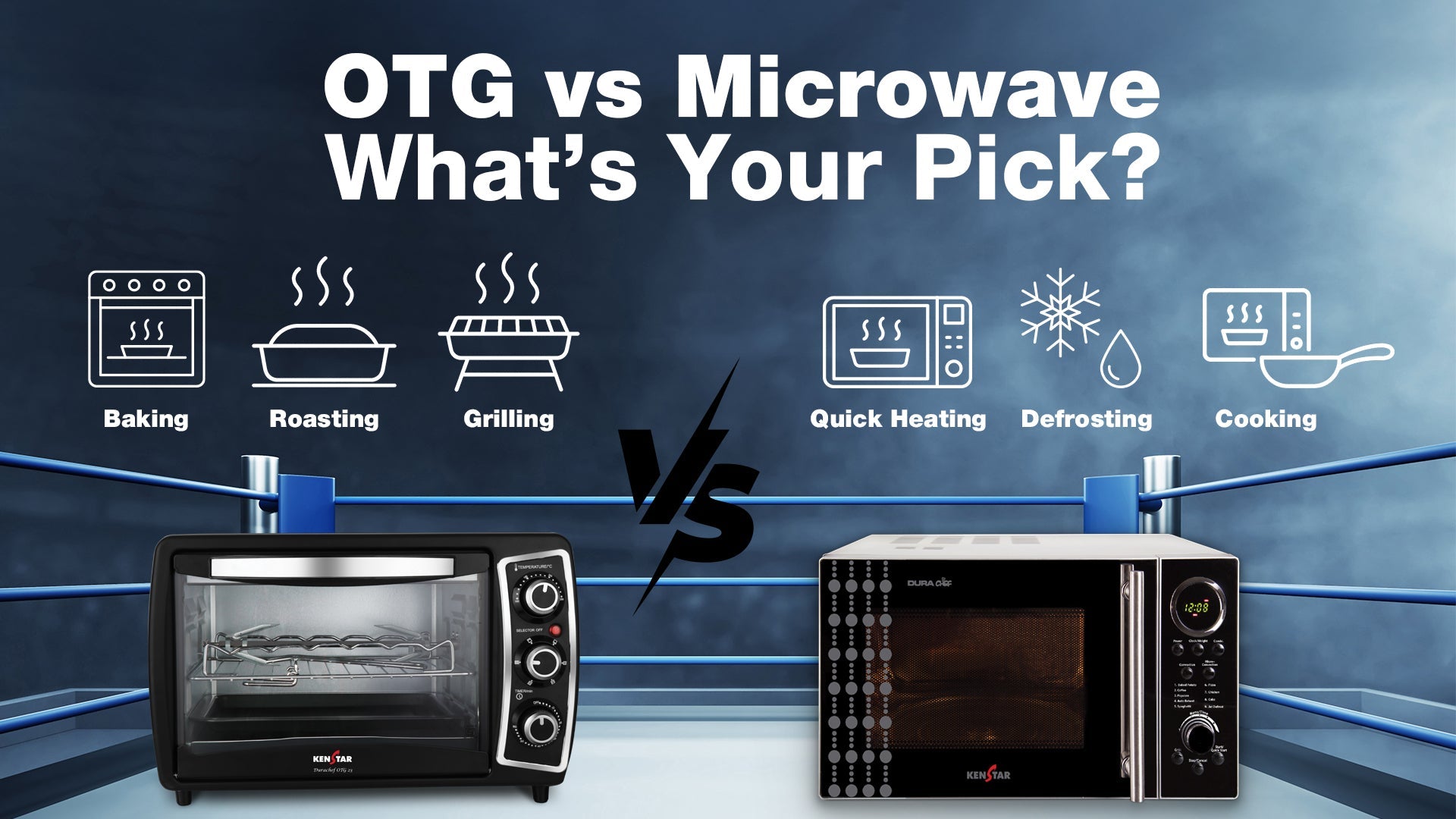
Microwaves are easy to use with simple controls. They can defrost, reheat, and cook a variety of foods. Many models come with preset cooking options for common dishes. Compact size fits well in small kitchens or offices. A versatile appliance for many cooking needs.
Credit: kenstar.in
Types Of Microwave Ovens
Choosing the right microwave oven depends on your cooking habits and kitchen needs. Different types of microwave ovens offer various features that can make your cooking easier or more versatile. Understanding these types helps you decide which one suits your lifestyle best.
Solo Microwaves
Solo microwaves are the simplest and most affordable option. They’re perfect for reheating food, defrosting, and simple cooking tasks. If you mostly warm leftovers or make quick snacks, a solo microwave could be all you need.
These microwaves don’t have grilling or convection features, so they might not brown or crisp your food. Think about how often you want to bake or grill—if rarely, a solo microwave saves space and money.
Grill Microwaves
Grill microwaves add a heating element that allows you to grill or brown your food. This feature is great if you enjoy crispy textures, like grilled sandwiches or roasted vegetables. It’s a step up from solo microwaves, giving you more cooking options.
Consider if you want to experiment with grilling without buying a separate appliance. Grill microwaves combine convenience and versatility, making them ideal for small kitchens or quick meals.
Convection Microwaves
Convection microwaves combine microwave and convection oven functions, letting you bake, roast, and grill with hot air circulation. This means you can cook pizzas, cakes, and roasted dishes with even heat and better texture.
If you like baking but don’t have space for a full oven, a convection microwave is a practical choice. It offers the most flexibility, but also comes with a higher price and a learning curve for cooking times and settings.
Microwave Oven Features To Consider
Choosing the right microwave oven means looking beyond just the brand or price. The features it offers can greatly affect how well it fits into your daily routine. Understanding these features helps you pick a model that meets your cooking needs and saves you time.
Power Levels And Wattage
Microwaves come with different power levels, usually ranging from 600 to 1200 watts. Higher wattage means faster cooking, but it can also mean more energy use. Multiple power levels let you cook delicate foods gently or heat leftovers quickly without overcooking.
Think about how you use your microwave. Do you mostly reheat coffee, or do you prepare entire meals? If you cook a variety of dishes, look for a microwave with adjustable power settings. This flexibility can make a big difference in the quality of your food.
Preset Cooking Modes
Many microwaves offer preset cooking modes for common foods like popcorn, pizza, or vegetables. These modes simplify cooking by automatically setting the time and power. If you often prepare the same items, presets can save you guesswork and effort.
However, not all presets work perfectly for every brand or recipe. It’s helpful if the microwave allows you to customize or add your own presets. This way, you can tailor the settings to your taste and avoid overcooked or undercooked meals.
Size And Capacity
The size of the microwave affects where you can place it and what you can cook inside. Compact models fit well in small kitchens but might struggle with larger plates or bowls. Larger microwaves handle big dishes but require more counter space.
Consider the number of people you usually cook for. A small microwave might be fine for one person but limiting for a family. Also, think about the shape and depth of the interior to ensure your favorite cookware fits comfortably.

Credit: www.consumerreports.org
When A Microwave Oven Might Not Be Necessary
Not everyone needs a microwave oven in their kitchen. Depending on your lifestyle, kitchen size, and cooking style, skipping a microwave might actually make sense. Let’s look at situations where a microwave isn’t a must-have appliance for you.
Limited Kitchen Space
Small kitchens demand smart choices about what appliances to keep. A bulky microwave can take up valuable counter or shelf space that you might need for other tools.
If your kitchen is already crowded with essentials, think about whether a microwave will really fit in without causing clutter. Could you use that space for a toaster oven or a coffee maker instead?
Alternative Cooking Appliances
You might already have appliances that cover the main uses of a microwave. For example, a stovetop or oven can reheat meals just as well with a little extra time.
Slow cookers, air fryers, and toaster ovens can handle many tasks a microwave does, often with better taste and texture. Do you find yourself using these devices more than a microwave would?
Personal Cooking Habits
How often do you actually need to heat food quickly? If you prefer cooking fresh meals daily or eating cold dishes like salads, a microwave might be unnecessary.
Some people enjoy the process of cooking and avoid shortcuts like microwaving. If you’re someone who rarely reheats leftovers, ask yourself if a microwave will add value to your kitchen routine.
Safety Tips For Microwave Use
Microwave ovens are common in many kitchens. Using them safely is very important. Small mistakes can cause accidents or damage. Follow simple safety tips to protect yourself and your home.
Proper Container Selection
Use only microwave-safe containers. Glass, ceramic, and some plastics work well. Avoid metal or foil, as they cause sparks. Check labels to confirm microwave safety. Never use containers with metal trims or decorations.
Plastic containers not made for microwaves can melt. This may release harmful chemicals into food. Choose containers marked “microwave-safe” for heating or cooking.
Avoiding Overheating
Overheating food or liquids can cause burns or spills. Heat food in short intervals and stir in between. Watch for steam buildup, which can cause burns when opened. Never heat sealed containers, as they may explode.
Be careful with eggs or foods with skins. They can burst from steam pressure. Pierce the skin before heating to avoid accidents.
Regular Maintenance
Clean the microwave regularly to avoid food buildup. Wipe spills immediately to prevent odors and stains. Check the door seal for damage or dirt. A broken seal can leak microwaves and reduce efficiency.
Test the microwave with a cup of water. If it heats unevenly, call a technician. Don’t use a microwave with sparks or strange smells. Turn it off and get it repaired.
Budgeting For A Microwave Oven
Budgeting for a microwave oven means more than just checking the price tag. You want to make sure your investment fits your needs without stretching your finances. Thinking through costs now can save you from surprises later.
Price Ranges
Microwave ovens come in a wide price range. Basic models start around $50 and cover essential functions like reheating and defrosting. Mid-range options, priced between $100 and $200, offer extra features such as sensor cooking and multiple power levels.
High-end microwaves can exceed $300, often including convection cooking or smart technology. Ask yourself what features you actually need. Do you want a simple reheater or a multi-function kitchen tool?
Long-term Savings
Cheaper microwaves might save money upfront but could cost more over time. Energy-efficient models reduce electricity bills. Look for microwaves with an Energy Star rating to cut down on power usage.
Durability also affects long-term savings. A well-built microwave lasts longer and avoids replacement costs. Have you considered how often you cook or reheat food? The more you use it, the more important these savings become.
Warranty And Support
Warranty length and customer support matter when budgeting. A microwave with a solid warranty protects you against defects and repairs. Typical warranties range from one to three years.
Check if the manufacturer offers easy access to customer service or local repair centers. Poor support can turn a small issue into a costly hassle. How important is peace of mind in your purchase decision?
Credit: kaff.in
Frequently Asked Questions
Do I Really Need A Microwave Oven At Home?
A microwave oven saves time by quickly heating and cooking food. It’s convenient for busy lifestyles and small kitchens. However, it’s not essential if you prefer traditional cooking methods or eat fresh meals regularly.
What Are The Main Benefits Of A Microwave Oven?
Microwaves offer fast cooking, energy efficiency, and easy cleanup. They preserve nutrients better than some methods and reduce cooking odors. These advantages make microwaves ideal for reheating leftovers and simple meal prep.
Can A Microwave Oven Replace A Conventional Oven?
Microwaves are great for reheating and simple cooking but cannot fully replace conventional ovens. They lack the ability to bake or roast with the same texture and flavor quality.
Is It Safe To Use A Microwave Oven Daily?
Yes, using a microwave daily is safe when following manufacturer instructions. Microwaves use non-ionizing radiation, which does not cause harm to food or health.
Conclusion
A microwave oven can save time and make cooking easier. It heats food quickly and uses less energy. Small kitchens benefit from its compact size. Some meals need more care, so a microwave is not always enough. Think about your cooking habits and space.
This helps decide if a microwave fits your needs. Simple, fast meals? A microwave could be useful. Enjoy cooking in a way that suits you best.