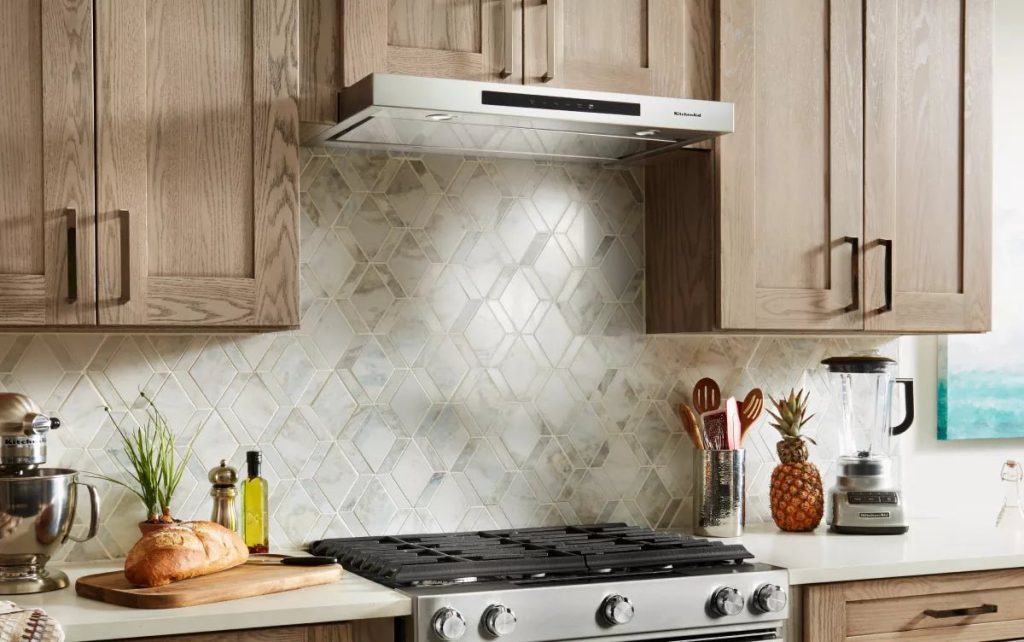
Are you wondering if a range hood is necessary for your gas stove? You’re not alone.
Many homeowners find themselves puzzled by this question. You might be thinking about the delicious meals you can whip up on your gas stove, but what about the smoke, odors, and grease it produces? These can linger in your kitchen and even spread throughout your home, affecting your indoor air quality.
That’s where a range hood comes into play. But is it truly essential, or just a luxury? Keep reading to discover why a range hood might be your kitchen’s best friend, and how it can make your cooking experience healthier and more enjoyable. Prepare to be surprised by the benefits you didn’t even know you needed!
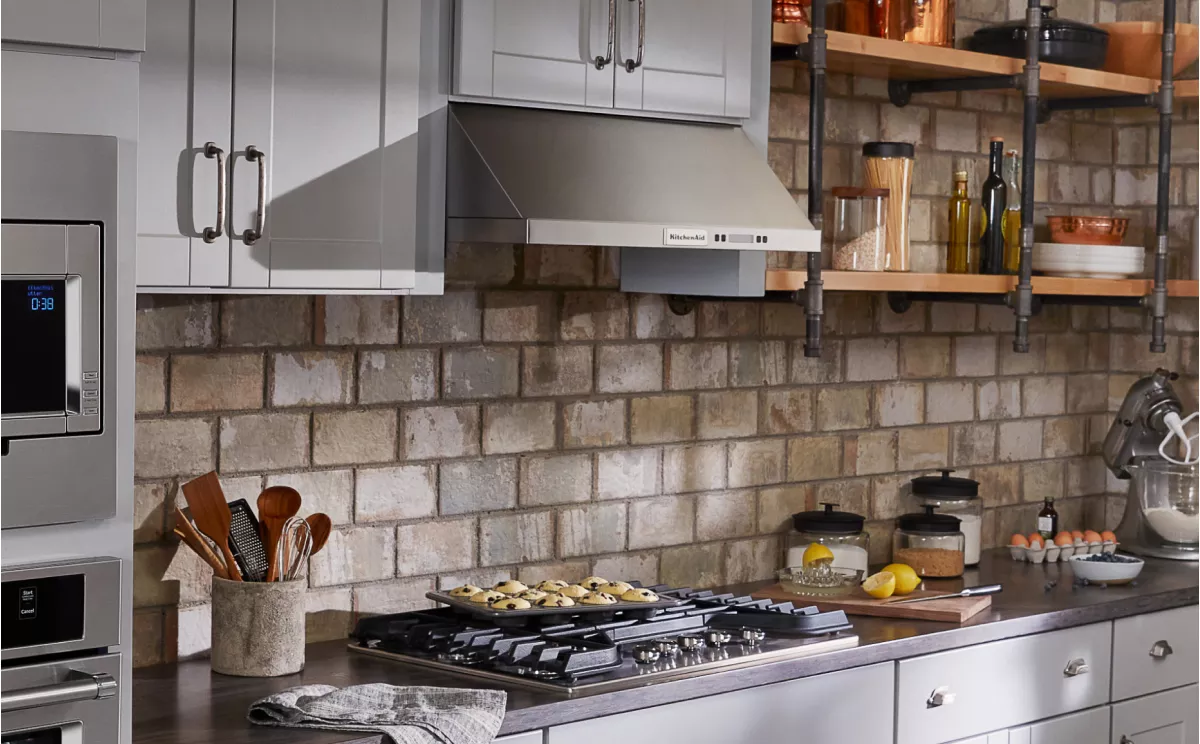
Credit: www.kitchenaid.com
Benefits Of A Range Hood
Adding a range hood to your gas stove setup brings more than just style—it significantly improves your cooking environment. It tackles common kitchen challenges, making your space healthier and more comfortable. Understanding these benefits can help you decide if a range hood is right for your home.
Improved Air Quality
Cooking on a gas stove releases pollutants like nitrogen dioxide and carbon monoxide. A range hood actively removes these harmful gases, keeping the air you breathe cleaner. This is especially important if you have children, pets, or anyone with respiratory issues in your household.
Have you noticed lingering smells or irritation after cooking? A good range hood can solve that by constantly exchanging stale air with fresh air. It helps maintain a healthier kitchen atmosphere every time you cook.
Heat And Odor Reduction
Gas stoves generate a lot of heat, which can make your kitchen uncomfortable, especially during summer. A range hood pulls out excess heat, keeping your cooking area cooler. This makes cooking a more pleasant experience, so you spend less time feeling overheated.
Odors from strong spices or burnt food can stick around for hours. Range hoods remove these smells quickly, preventing your whole home from smelling like last night’s dinner. Wouldn’t it be nice to have a fresh-smelling kitchen even after a heavy meal?
Grease And Smoke Removal
Cooking with gas often produces grease and smoke that can settle on your walls, cabinets, and appliances. Over time, this buildup can be tough to clean and may damage your kitchen surfaces. A range hood traps grease particles before they spread, protecting your kitchen’s appearance.
Smoke from cooking can also trigger your smoke alarms unnecessarily or make your kitchen feel smoky and unpleasant. Using a range hood controls smoke effectively, so you avoid these problems. Doesn’t a cleaner and smoke-free kitchen sound like a smart investment?
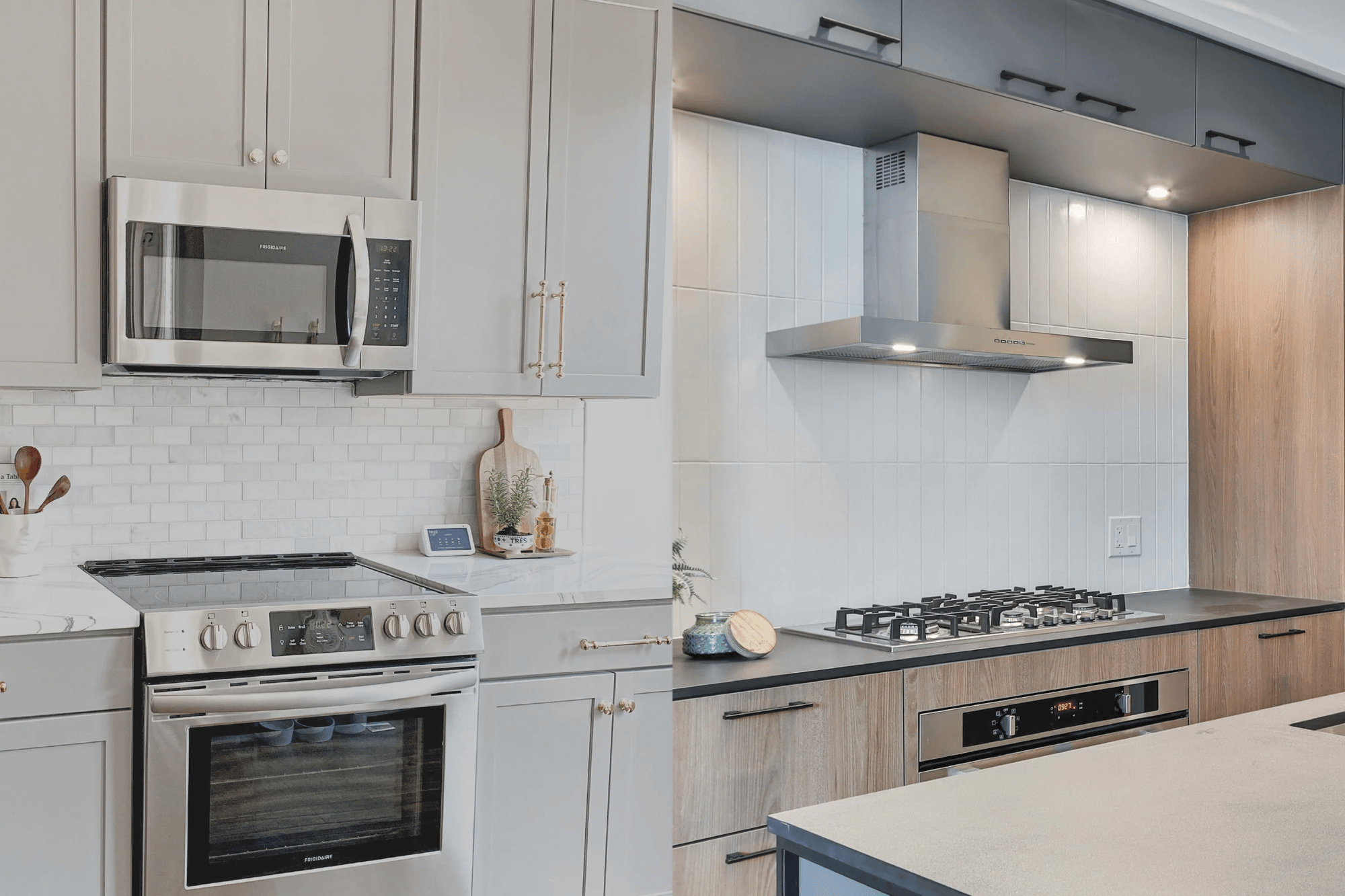
Credit: akicon.com
Risks Of Not Using A Range Hood
Using a gas stove without a range hood can expose you to several hidden dangers. These risks are not always obvious but can seriously affect your health and safety. Understanding what happens when you skip a range hood helps you make safer choices in your kitchen.
Carbon Monoxide Exposure
Gas stoves produce carbon monoxide (CO), a colorless and odorless gas that can be deadly in high amounts. Without a range hood to vent this gas outside, it can build up in your home, causing headaches, dizziness, or worse. Have you ever felt lightheaded while cooking? That could be a sign of dangerous CO levels.
Installing a range hood ensures that carbon monoxide is quickly removed, keeping your indoor air safer. It’s not just about comfort—it’s about protecting your life and your family’s health.
Indoor Air Pollution
Cooking on gas releases pollutants like nitrogen dioxide and fine particles into your home’s air. These irritate your lungs and can trigger asthma or allergies, especially if your kitchen has poor ventilation. Without a range hood, these pollutants linger, reducing air quality and making breathing harder.
Think about the last time you cooked without ventilation—did your eyes water or throat feel scratchy? A range hood helps clear these harmful particles, improving the air you breathe every day.
Fire Hazards
Grease and other cooking residues accumulate quickly on surfaces near your stove. Without a range hood to capture and remove these, they build up and increase the risk of kitchen fires. A sudden flare-up can easily catch these deposits on fire, turning a simple cooking accident into a disaster.
Regularly using a range hood reduces grease buildup and lowers your fire risk. Isn’t it worth adding this layer of protection to keep your kitchen safe?
Types Of Range Hoods
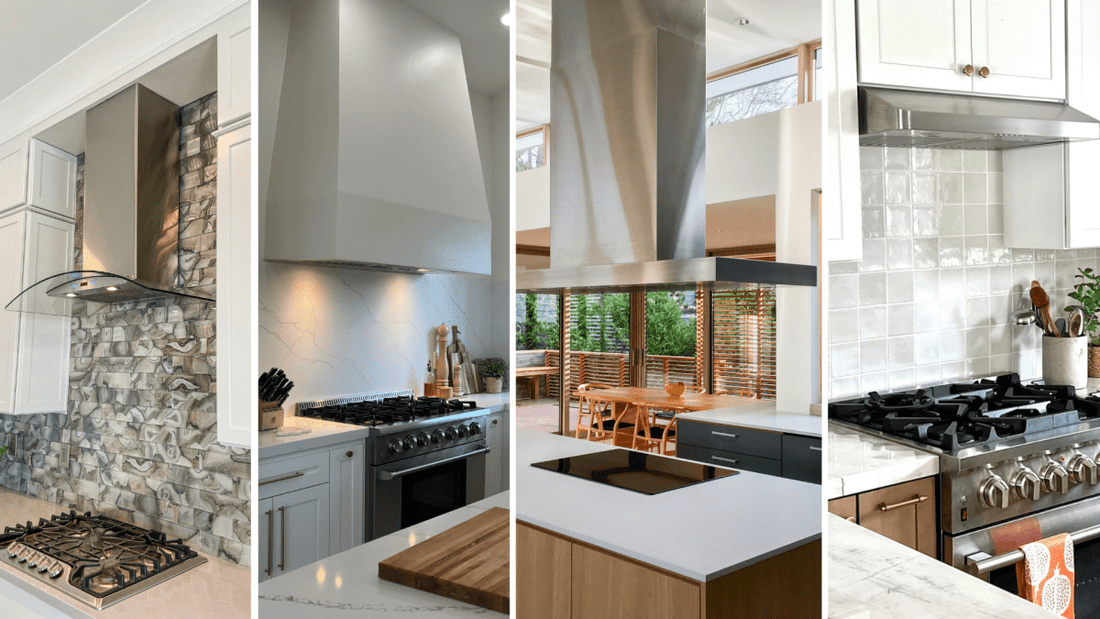
Choosing the right range hood for your gas stove can make a significant difference in your kitchen’s air quality and cooking comfort. Range hoods come in different types, each with unique features and installation needs. Understanding these options helps you pick one that fits your space, budget, and ventilation goals.
Ducted Hoods
Ducted hoods vent air directly outside your home through a duct system. This setup removes smoke, odors, and moisture efficiently, keeping your kitchen fresh. They require professional installation and access to an external wall or roof, which might not be possible in every kitchen.
People with open kitchen layouts often prefer ducted hoods because they provide strong ventilation. However, consider the extra cost and installation time. If your kitchen lacks an exterior wall, a ducted hood might not be feasible.
Ductless Hoods
Ductless hoods, also known as recirculating hoods, filter the air and release it back into the kitchen. They use charcoal or carbon filters to capture odors and grease but don’t remove heat or humidity effectively. Installation is simpler since they don’t need an external vent.
If you rent your home or have limited renovation options, ductless hoods offer a practical solution. But remember, filters need regular replacement to maintain air quality. Ask yourself: is convenience more important than maximum ventilation?
Ventilation Power And Noise Levels
Ventilation power is measured in cubic feet per minute (CFM), indicating how much air the hood moves. A gas stove usually needs a hood with at least 100 CFM per 10,000 BTUs of burner output. Choosing a hood with inadequate power means lingering smoke and odors.
Noise levels can influence your cooking experience, especially in open kitchens. Look for models with noise ratings under 60 decibels for quieter operation. Balancing power and noise often means finding a model with multiple fan speeds, so you can adjust as needed.
Credit: prolinerangehoods.com
Installation Considerations
Installing a range hood for your gas stove involves more than just picking a model that looks good. The right setup can impact your kitchen’s air quality and safety. It’s crucial to think about where and how the hood will fit into your space and what kind of power and ventilation it needs to work effectively.
Placement And Height
Placement is key to a range hood’s performance. Ideally, it should be centered directly above your gas stove to capture smoke and odors efficiently. The height matters too—too low and it could get in your way; too high, and it won’t remove fumes properly.
Most manufacturers recommend installing the hood between 24 to 30 inches above the cooking surface. Have you measured your kitchen’s layout to see where the hood will fit best? Think about your cooking habits and how much space you need to move comfortably.
Electrical And Ventilation Requirements
Range hoods need power and proper ventilation to do their job well. Many models require a dedicated electrical circuit, so you might need to check if your kitchen wiring supports this. Ventilation options can be ducted or ductless, but gas stoves usually benefit from ducted systems that vent outside.
Consider the length and path of the ductwork. Long or complicated routes can reduce the hood’s efficiency. Have you inspected your kitchen walls or ceiling to plan the vent path? Making sure your ventilation system matches your hood’s specifications is crucial for safety and performance.
Professional Vs. Diy Installation
Deciding between hiring a professional or doing it yourself depends on your skills and the complexity of the installation. If your kitchen needs new wiring or ductwork, a pro can ensure everything meets safety codes. This can save you headaches and potential hazards down the line.
However, if you’re handy and the range hood fits existing setups, a DIY installation might be doable. Just keep in mind that improper installation can reduce your hood’s effectiveness and even cause damage. Which option feels more practical and safe for your situation?
Alternative Safety Measures
Gas stoves need careful safety measures to protect your home and health. Range hoods help by clearing smoke and gases. Still, some alternative steps keep the kitchen safe without one. These steps lower risks and improve air quality around the stove.
Proper Kitchen Ventilation
Open windows and doors to bring fresh air in. Use exhaust fans to push air outside. Ventilation stops gas buildup and lowers smoke levels. Keep airflow steady while cooking to remove harmful fumes. A well-ventilated kitchen feels cleaner and safer.
Regular Stove Maintenance
Check stove parts for leaks or damage often. Clean burner holes to keep flames steady and blue. Replace worn-out gas lines and seals quickly. A well-maintained stove works efficiently and reduces gas leaks. Regular checks help catch problems early and prevent accidents.
Using Carbon Monoxide Detectors
Install carbon monoxide detectors near the kitchen and bedrooms. These devices alert you if dangerous gas levels rise. Test detectors monthly and change batteries yearly. Detectors provide critical warnings to avoid poisoning. They add a safety layer when using gas appliances.
Frequently Asked Questions
Do Gas Stoves Need Range Hoods For Safety?
Yes, range hoods improve safety by removing harmful gases and smoke. They help ventilate carbon monoxide and reduce fire risks in kitchens with gas stoves.
How Does A Range Hood Improve Indoor Air Quality?
Range hoods remove cooking fumes, smoke, and odors. They filter out pollutants and prevent grease buildup, keeping kitchen air clean and healthy.
Can I Cook Without A Range Hood On A Gas Stove?
Cooking without a range hood is possible but not ideal. It can lead to poor air quality, lingering smells, and increased grease on surfaces.
What Size Range Hood Suits A Gas Stove?
Choose a range hood at least as wide as your stove. Ideally, it should be 3 inches wider on each side for optimal ventilation.
Conclusion
A range hood helps keep your kitchen air clean and fresh. It removes smoke, grease, and strong smells fast. Gas stoves produce gases that can harm your health without proper ventilation. Installing a range hood makes cooking safer and more comfortable.
It also protects your walls and cabinets from grease buildup. Choosing the right hood depends on your kitchen size and cooking habits. A good range hood is a smart choice for any gas stove user. Breathe easier and cook better with proper ventilation.