Are you standing in your kitchen, staring at your stove, and wondering, “Do I really need a range hood?” You’re not alone.
Many homeowners ponder this question, especially when planning a kitchen remodel or settling into a new home. Your kitchen is the heart of your home, where delicious meals are crafted and cherished memories are made. Yet, it’s also a space that can quickly become a chaos of smoke, lingering odors, and greasy residues.
A range hood could be your ticket to a fresher, cleaner kitchen environment. Imagine cooking without the worry of smoke alarms blaring or the hassle of scrubbing stubborn grease off your cabinets. We’ll delve into why a range hood might just be the unsung hero you didn’t know you needed in your culinary space. Keep reading to discover the benefits, options, and whether it’s the right choice for you. You might be surprised by what you learn!
Benefits Of A Range Hood
A range hood offers many benefits that improve your kitchen’s environment. It helps keep the air clean and fresh by removing smoke, steam, and odors. This makes cooking more enjoyable and keeps your kitchen free from unwanted smells and grease. Range hoods also protect your kitchen surfaces and improve overall comfort during cooking.
Improving Air Quality
A range hood removes harmful air particles from cooking. It filters out smoke, steam, and tiny grease droplets. This prevents poor air quality and reduces allergens in the kitchen. Clean air helps you breathe easier and keeps your home healthier.
Reducing Odors And Smoke
Cooking smells can linger and spread through your home. A range hood quickly removes strong odors and smoke. It stops them from sticking to walls, clothes, and furniture. This keeps your kitchen and house smelling fresh and clean.
Preventing Grease Buildup
Grease from cooking can settle on surfaces and appliances. A range hood traps grease in its filters before it spreads. This reduces sticky residue on your walls and cabinets. It also makes cleaning easier and protects your kitchen’s finish.
Enhancing Kitchen Comfort
Cooking generates heat and moisture that can make the kitchen uncomfortable. A range hood helps remove excess heat and steam. It lowers humidity and keeps the kitchen cooler. This creates a more pleasant space for cooking and spending time.
Types Of Range Hoods
Choosing the right range hood can change your cooking experience dramatically. Different types of range hoods fit various kitchen layouts and cooking habits. Understanding each type helps you pick one that matches your needs and space.
Under-cabinet Hoods
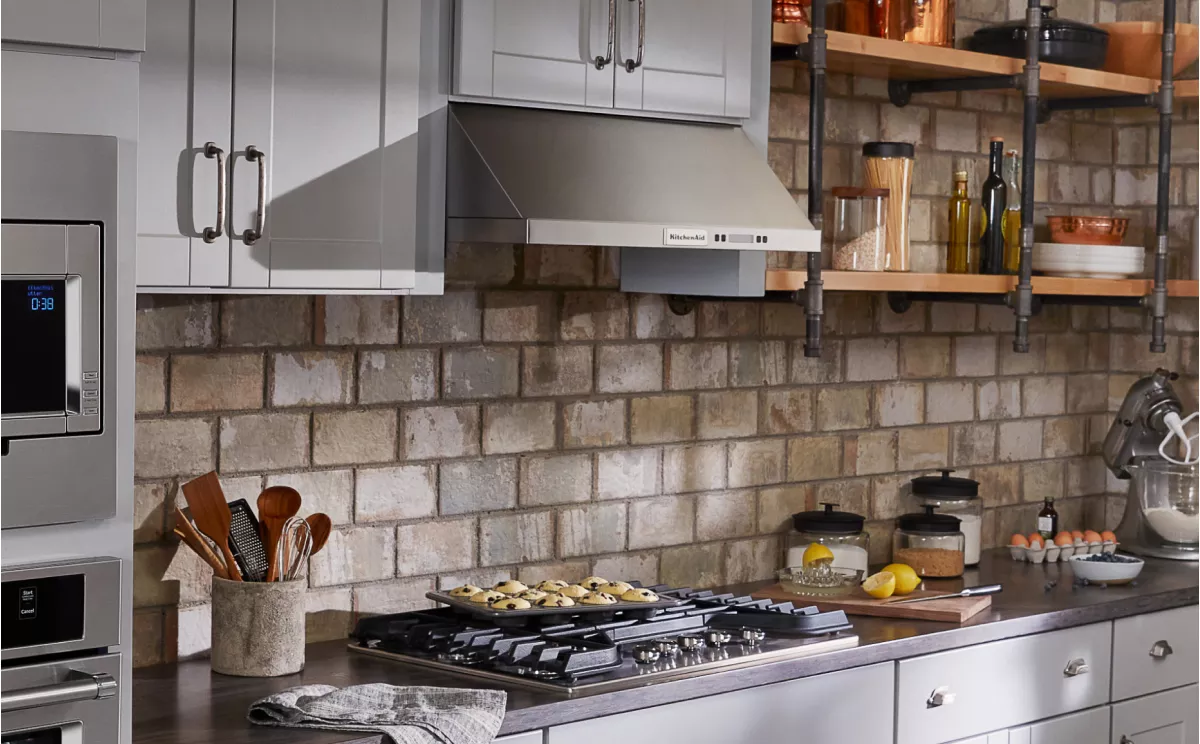
Under-cabinet hoods are installed directly beneath your kitchen cabinets. They save space and blend well into kitchens with existing cabinetry. If your cooking area is compact, this type keeps things neat without sacrificing performance.
These hoods often come with powerful fans and lighting to brighten your stove. Have you noticed how smoke and smells linger in your kitchen? An under-cabinet hood can clear that out quickly, making your space more comfortable.
Wall-mounted Hoods
Wall-mounted hoods attach directly to the wall above your stove. They are perfect if you have a countertop against a wall and want a more noticeable ventilation feature. These hoods often offer strong suction and stylish designs.
They can become a centerpiece in your kitchen, combining function with aesthetic appeal. Do you want a bold statement piece that also handles heavy cooking? Wall-mounted hoods might be the answer.
Island Hoods
Island hoods hang from the ceiling over a kitchen island. They work well when your stove is located away from walls, often in open-concept kitchens. These hoods usually have a larger canopy to cover more cooking space.
Island hoods require professional installation but provide excellent ventilation. If you cook frequently on an island, consider how this hood can keep your air clean and your kitchen inviting.
Downdraft Ventilation
Downdraft ventilation systems pull smoke and steam downwards, usually built into the cooktop or countertop. They are less visible and ideal for kitchens where overhead installation isn’t possible.
While less common, downdraft hoods are great if you want a sleek look without a hood hanging over your stove. Think about whether you prefer your ventilation out of sight or don’t have room for traditional hoods.
How To Choose The Right Hood
Choosing the right range hood can make a huge difference in your kitchen’s air quality and overall cooking experience. It’s not just about picking a stylish model; you need to match the hood’s features to your space and cooking style. Let’s break down the key factors to help you find the perfect fit for your kitchen.
Considering Kitchen Size
Your kitchen’s size is crucial when selecting a range hood. A small kitchen may only need a hood with moderate power, while a larger space requires something stronger to clear smoke and odors effectively.
Measure the width of your stove and the height of your ceiling. The hood should be at least as wide as your cooking surface to capture all the fumes.
Ask yourself: Is your kitchen open or enclosed? Open kitchens usually need more powerful ventilation to keep the air fresh throughout the living area.
Matching Cooking Habits
Think about how often and what you cook. If you love frying or grilling frequently, you’ll want a hood with high extraction rates to handle the heavy smoke and grease.
On the other hand, if your cooking is mostly boiling or simmering, a less intense hood might suffice. This helps avoid unnecessary noise and energy use.
Do you cook with a lot of spices or strong aromas? A hood with an efficient charcoal filter can help keep your kitchen smelling clean.
Evaluating Ventilation Power
Ventilation power is measured in cubic feet per minute (CFM). The higher the CFM, the more air the hood can move, which is essential for removing smoke and odors quickly.
A good rule is to have at least 100 CFM for every 10,000 BTUs of your stove’s power. This ensures the hood can keep up with your cooking output.
Consider the duct size and length too. Longer ducts or multiple bends reduce efficiency, so you might need a more powerful hood if your ductwork isn’t straightforward.
Noise Levels And Design
Range hoods can be noisy, and constant loud sounds can make cooking stressful. Look for models with noise levels below 60 decibels for a quieter kitchen environment.
Many brands offer variable speed controls, allowing you to adjust the fan speed according to what you’re cooking and how much noise you can tolerate.
Design is also important—choose a hood that complements your kitchen’s style but doesn’t sacrifice function. Sleek, slim designs often hide powerful fans without taking up much space.
Credit: www.kitchenaid.com
Installation And Maintenance Tips
Installing a range hood correctly ensures better air quality and kitchen safety. Proper setup improves its efficiency and lifespan. Maintenance keeps it running smoothly and prevents common problems. Follow these tips to install and care for your range hood.
Proper Placement And Height
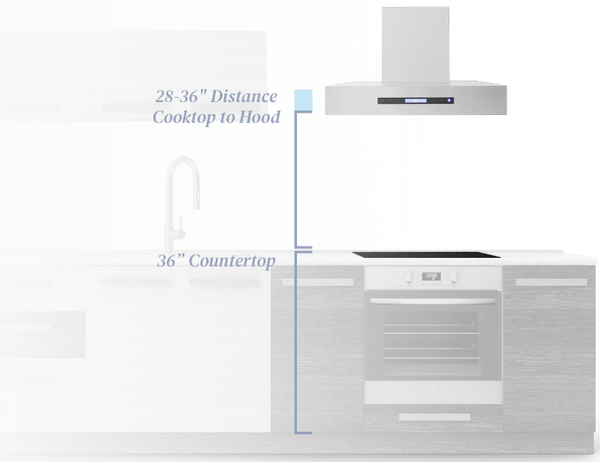
Place the range hood directly above the cooking surface. Keep the bottom of the hood 24 to 30 inches above the stove. This height captures smoke and steam effectively. Too low can block your view; too high reduces performance. Ensure it covers the entire cooking area for best results.
Ducted Vs. Ductless Options
Ducted hoods vent air outside, removing heat and odors completely. They require a duct system and professional installation. Ductless hoods use charcoal filters to clean the air. They are easier to install but need filter changes often. Choose based on your kitchen setup and ventilation needs.
Cleaning Filters Regularly
Grease and dust build up on filters quickly. Clean metal filters every month with warm, soapy water. Charcoal filters need replacement every 3 to 6 months. Clean filters improve airflow and reduce fire risk. Check your hood’s manual for specific cleaning steps and schedules.
Troubleshooting Common Issues
- Low airflow: Check if filters are clogged or fan is blocked.
- Excess noise: Tighten loose parts or clean the fan blades.
- Light not working: Replace bulbs with correct type and wattage.
- Hood not turning on: Inspect power supply and switch connections.
Routine checks help spot problems early. Fix small issues to avoid costly repairs.
Alternatives To Range Hoods
If you’re wondering whether a range hood is essential, it’s good to know there are other ways to keep your kitchen air fresh and clean. Alternatives can often fit better with your space, budget, or style. Let’s look at some practical options that can help you manage cooking fumes and odors without a traditional range hood.
Air Purifiers
Air purifiers can be a powerful ally in controlling kitchen smells and airborne particles. They work by filtering out smoke, grease, and odors, improving the air quality around your cooking area.
Choosing a purifier with a HEPA filter and activated carbon can trap fine particles and neutralize smells effectively. You might place it near your stove to catch pollutants right where they start.
Have you tried using an air purifier in your kitchen? It’s a quieter alternative that doesn’t require installation but still helps you breathe easier while cooking.
Improved Kitchen Ventilation
Good ventilation can make a big difference, even without a range hood. Opening windows or installing exhaust fans helps push cooking fumes outside, reducing indoor air pollution.
Installing a window fan or a small wall vent can create airflow that pulls smoke and steam out quickly. This simple change often keeps your kitchen fresher than you might expect.
Think about your kitchen layout—can you enhance natural airflow? Sometimes, a cross breeze is all you need to clear the air during and after cooking.
Cooking Adjustments
Altering how you cook can reduce the need for heavy ventilation. Using lower heat settings or cooking methods that produce less smoke and grease can keep your kitchen air cleaner.
Steaming, boiling, or slow cooking often generates less smoke than frying or grilling. You might also use lids on pots and pans to contain steam and smells.
Have you noticed how certain cooking habits affect your kitchen’s air? Small tweaks in technique might save you from installing extra equipment.
Credit: www.kitchenaid.com

Credit: us.cleadeep.com
Frequently Asked Questions
What Is The Main Purpose Of A Range Hood?
A range hood removes smoke, grease, and odors from cooking. It improves kitchen air quality and reduces moisture buildup. Proper ventilation also helps prevent damage to walls and ceilings. It creates a healthier and more comfortable cooking environment.
Do All Kitchens Require A Range Hood?
Not all kitchens need a range hood, but most benefit from one. It is especially important in homes that cook frequently or use gas stoves. Range hoods help maintain cleanliness and improve air circulation. They also reduce lingering cooking smells and airborne pollutants.
How Does A Range Hood Improve Indoor Air Quality?
A range hood captures and exhausts airborne grease, smoke, and odors. It prevents these particles from spreading throughout the home. By filtering and ventilating, it lowers indoor pollution levels. This leads to fresher air and a healthier kitchen environment.
Can A Range Hood Reduce Kitchen Heat And Moisture?
Yes, range hoods remove excess heat and moisture created during cooking. This prevents condensation and reduces humidity in the kitchen. It also helps avoid mold growth and damage to cabinets. Keeping the kitchen cooler and drier enhances comfort while cooking.
Conclusion
A range hood helps keep your kitchen air fresh and clean. It removes smoke, steam, and cooking smells quickly. Installing one can protect your walls and ceilings from grease. It also helps reduce heat while cooking. Choosing the right range hood depends on your kitchen size and cooking habits.
A good hood makes cooking safer and more pleasant. Think about your needs before deciding. Clean air means a healthier home. A range hood is a smart addition for many kitchens.