Are you wondering if a vacuum breaker is necessary for your hose bib? You’re not alone.
Many homeowners are curious about this small yet significant device and how it can impact their home’s plumbing. Imagine having peace of mind every time you water your garden or wash your car. A vacuum breaker might be the key to ensuring your water stays clean and your plumbing system remains efficient.
We’ll delve into what a vacuum breaker does, why it might be essential for your home, and how it can protect your water supply from contamination. Keep reading to discover whether you need one and how it could benefit your household.

Credit: www.pmmag.com
What Is A Vacuum Breaker
A vacuum breaker is a simple but important device attached to your hose bib. It stops dirty water from flowing backward into your clean water supply. Think of it as a safety guard that protects your home’s plumbing and drinking water.
Without a vacuum breaker, water can siphon back into your pipes when there’s a sudden drop in water pressure. This can happen if a water main breaks or if there is heavy water usage elsewhere. Contaminants like soil, fertilizers, or bacteria can then enter your water system.
How Does A Vacuum Breaker Work?
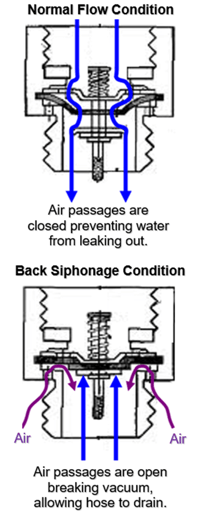
The vacuum breaker allows air to enter the hose bib when water pressure drops. This breaks the suction that could pull dirty water backward. When the pressure is normal, it seals tightly to let water flow out normally.
Imagine watering your garden and accidentally leaving the hose submerged in a puddle. Without a vacuum breaker, the dirty water in the puddle could be drawn back into your home’s pipes. The vacuum breaker prevents this by letting air in to stop the backflow.
Where Is A Vacuum Breaker Installed?
Usually, it screws directly onto your outdoor faucet or hose bib. You might also find vacuum breakers on sprinkler systems or washing machines. Installing one is quick and doesn’t require special tools.
If you’ve ever wondered why some homes have these little devices attached outside, now you know. They are there to protect your family’s water from contamination risks that you can’t easily see or smell.
Why Should You Care About A Vacuum Breaker?
- Protects Drinking Water:Prevents harmful contaminants from entering your pipes.
- Meets Plumbing Codes:Many local regulations require vacuum breakers on hose bibs.
- Easy and Affordable:Installation is simple and the device itself is inexpensive.
Have you checked your hose bib recently? If not, adding a vacuum breaker could save you from costly plumbing problems and health risks. It’s a small step that offers big peace of mind.
Why Hose Bibs Need Protection
Protecting your hose bib is more important than many homeowners realize. Without proper safeguards, your water supply can get contaminated, putting your family’s health at risk. Understanding why hose bibs need protection helps you make smart choices to avoid costly repairs and health issues.
What Is Backflow And Why Does It Matter?
Backflow happens when water flows backward into your clean water supply. This can carry dirt, chemicals, or bacteria from your garden hose back into your home’s plumbing. Have you ever left a hose submerged in a bucket of fertilizer or dirty water? That water can easily flow back into your pipes without a proper barrier.
The Role Of Pressure Changes In Your Plumbing
Sudden drops in water pressure can cause backflow. This might happen if a fire hydrant nearby is used or if there’s a water main break. When pressure drops, contaminated water has a chance to flow backward through your hose bib, risking your entire water system.
Common Risks Without A Vacuum Breaker
- Contaminated drinking water
- Health issues from bacteria or chemicals
- Damage to plumbing fixtures
- Costly repairs and water bills
Ignoring these risks can lead to serious problems. Have you considered how much a simple vacuum breaker could save you in the long run?
How A Vacuum Breaker Protects Your Hose Bib
A vacuum breaker stops water from flowing backward. It acts as a one-way valve on your hose bib. Installing one is a small step that provides big protection for your home’s water supply.
How Vacuum Breakers Work
Understanding how vacuum breakers work is key to protecting your home’s water system. These small devices prevent water from flowing backward into your clean water supply. They act as a safety guard against contamination, but how exactly do they do it?
What Happens Inside A Vacuum Breaker?
A vacuum breaker contains a simple valve mechanism that opens or closes based on water pressure. When water flows in the normal direction, the valve stays closed, allowing water to pass through freely. However, if pressure drops or reverses, the valve opens to let air in, breaking the vacuum and stopping backflow.
Why Is Backflow A Problem?
Backflow can pull dirty water or chemicals back into your home’s clean water supply. Imagine spraying weed killer on your lawn, then suddenly water pressure drops. Without a vacuum breaker, that harmful chemical could be sucked back into your drinking water pipes.
Types Of Vacuum Breakers You Might Encounter
- Atmospheric Vacuum Breakers (AVB):These are basic and cost-effective, ideal for garden hoses.
- Pressure Vacuum Breakers (PVB):These handle higher pressure systems and are often used with irrigation setups.
- Reduced Pressure Zone (RPZ) Assemblies:More complex and used where high hazard contamination is possible.
How Do You Know If Your Hose Bib Needs One?
Consider if your hose bib is connected to irrigation or chemical sprayers. If so, a vacuum breaker is a smart addition. It’s a small investment that avoids costly water contamination issues.
Risks Without A Vacuum Breaker
Not having a vacuum breaker on your hose bib can lead to serious problems that might not be obvious at first. This small device plays a big role in protecting your water supply from contamination. Without it, you risk backflow, which can pull dirty water into your clean water lines.
Backflow Contamination
Backflow happens when water flows backward into your home’s clean water supply. Without a vacuum breaker, dirty water from your garden or hoses can mix with your drinking water. This can introduce harmful bacteria and chemicals, putting your health at risk.
Health Hazards
Imagine watering your garden with a hose dipped in a bucket of fertilizer or pesticide. Without a vacuum breaker, those toxic substances can be sucked back into your home’s water system. This can cause illnesses and expose your family to dangerous chemicals.
Potential Plumbing Damage
Backflow can also cause damage to your plumbing system. Contaminants can corrode pipes and fixtures, leading to costly repairs. It’s a problem that grows over time but starts with the absence of a simple safety device.
Legal And Code Compliance Issues
Many local building codes require vacuum breakers on hose bibs. Failing to install one could mean you’re not meeting legal standards. This might affect your home insurance or even result in fines.
Unexpected Water Pressure Problems
Without a vacuum breaker, sudden changes in water pressure can cause your hose bib to malfunction. You might notice spitting or uneven water flow. These small annoyances can hint at bigger risks to your plumbing system.
Have you ever thought about what’s really flowing back through your hose? Adding a vacuum breaker is a simple step that can save you from many hidden risks.
Types Of Vacuum Breakers For Hose Bibs
Vacuum breakers protect your water supply from contamination. They stop dirty water from flowing back into clean pipes. Different vacuum breakers fit various hose bib setups. Each type works in its own way to keep water safe and clean. Knowing these types helps you choose the right one for your home.
Atmospheric Vacuum Breakers (avb)
Atmospheric vacuum breakers are simple and cost-effective. They allow air to enter the pipe when water stops flowing. This breaks the vacuum and stops backflow. AVBs are easy to install on outdoor hose bibs. They do not work under constant pressure.
Pressure Vacuum Breakers (pvb)
Pressure vacuum breakers work with continuous pressure. They have a spring-loaded valve inside. This valve opens to let air in if water pressure drops. PVBs prevent backflow even when water is flowing. They need to be installed above the hose bib level.
Hose-end Vacuum Breakers
Hose-end vacuum breakers attach directly to the hose. They are small and portable. These devices prevent water from flowing back into the hose bib. Ideal for garden hoses and sprinklers. Easy to move and reuse on different hoses.
Spill-resistant Vacuum Breakers (svb)
Spill-resistant vacuum breakers reduce water spillage during use. They include a valve that closes quickly when water stops. SVBs are good for areas where water waste is a concern. They combine backflow prevention with water saving features.

Credit: www.reddit.com
Installation Tips For Vacuum Breakers
Installing a vacuum breaker on your hose bib is a smart move to prevent backflow contamination. But how do you make sure it’s done right? Paying attention to the details during installation can save you from leaks, damage, and costly repairs later.
Choosing The Right Type Of Vacuum Breaker
Not all vacuum breakers are created equal. You’ll want to select a model that matches your hose bib’s size and water pressure.
Consider whether you need a hose-end vacuum breaker or a wall-mounted one. Each serves a specific purpose and fits differently, so pick the one that suits your setup.
Have you checked the product specifications? They often list compatible pipe sizes and pressure limits—don’t skip this step.
Preparing Your Hose Bib For Installation
Before you attach the vacuum breaker, turn off the water supply completely. This prevents water from spraying during installation.
Clean the threads on your hose bib to remove dirt or old tape. This ensures a tight seal and reduces the risk of leaks.
Have you ever struggled with stuck connections? Using a little plumber’s tape on the threads can make screwing the vacuum breaker on much easier and more secure.
Attaching The Vacuum Breaker Correctly
Screw the vacuum breaker onto the hose bib by hand first to avoid cross-threading. It should fit snugly without forcing.
Use a wrench to tighten it just enough—over-tightening can crack the device or the bib itself.
After installation, turn the water back on slowly and check for leaks. A leak here means you might need to tighten it a bit or reapply plumber’s tape.
Testing And Maintenance Tips
Once installed, test your vacuum breaker by running water through it and ensuring no backflow occurs.
Keep an eye on it regularly, especially after winter or heavy use. Dirt and debris can clog the device, so occasional cleaning is essential.
Have you considered setting a reminder to inspect your vacuum breaker? A quick check every few months can prevent bigger issues down the line.
Maintenance And Inspection
Proper maintenance and inspection of a vacuum breaker on your hose bib keeps your water safe. Regular checks help spot problems early. This avoids costly repairs and water contamination.
Routine care also extends the life of your vacuum breaker. It ensures the device works correctly to prevent backflow. This protects your home’s water supply from pollution.
Inspecting For Visible Damage
Look closely at the vacuum breaker for cracks or leaks. Check the connections to the hose bib for tightness. Any damage or loose fittings need quick attention.
Cleaning The Vacuum Breaker
Remove dirt, debris, and mineral buildup from the device. Use a soft brush and mild soap with water. Avoid harsh chemicals that can damage parts.
Testing The Vacuum Breaker Function
Turn on the hose and watch for water flow issues. The vacuum breaker should stop water from flowing backward. If it fails, replace the unit to maintain safety.
Scheduling Regular Maintenance
- Check the vacuum breaker every three months.
- Perform deep cleaning twice a year.
- Replace the device every few years as recommended.

Credit: www.aquorwatersystems.com
Local Regulations And Codes
Local regulations and codes play a crucial role in deciding whether you need a vacuum breaker on your hose bib. These rules are designed to protect your water supply from contamination caused by backflow. Understanding them can save you from costly fines and health hazards.
Understanding Your Local Plumbing Codes
Every area has its own plumbing codes that dictate when and where vacuum breakers are required. These codes often vary between cities, counties, and states. Checking with your local building or water authority ensures you meet the specific requirements for your location.
Why Some Areas Mandate Vacuum Breakers
Many local codes require vacuum breakers on hose bibs to prevent backflow contamination. This is especially true in areas with public water systems or irrigation systems. The goal is to keep drinking water safe by stopping dirty water from flowing backward into the main supply.
How To Find Your Local Requirements
You can usually find local regulations online or by visiting your city’s building department. Some water utilities provide clear guidelines on their websites. If you’re unsure, calling a licensed plumber familiar with your area’s rules is a smart move.
Consequences Of Ignoring Local Codes
Failing to install a required vacuum breaker can lead to legal trouble. You might face fines or be forced to make costly repairs if contamination occurs. Plus, your insurance might not cover damages caused by code violations.
Personal Experience: A Wake-up Call
I once skipped checking local codes and installed a hose bib without a vacuum breaker. When a backflow incident happened, I ended up paying a hefty fee to fix the contamination and bring my system up to code. That experience taught me to always verify local rules before making changes.
Are you sure your hose bib meets local safety standards? Taking a few minutes to check now can prevent headaches later.
Frequently Asked Questions
What Is A Vacuum Breaker On A Hose Bib?
A vacuum breaker prevents backflow of contaminated water into the main supply. It protects drinking water from pollutants and ensures safe outdoor water use.
Why Do I Need A Vacuum Breaker On My Hose Bib?
You need a vacuum breaker to stop harmful backflow. It prevents contaminants from entering your home’s water system, maintaining clean and safe water.
How Does A Vacuum Breaker Protect My Water System?
It allows air into the hose bib, breaking any vacuum. This stops dirty water from siphoning back into your plumbing and contaminating clean water.
Is Installing A Vacuum Breaker Required By Law?
Many local codes require vacuum breakers on outdoor faucets. Check your local plumbing regulations to ensure compliance and protect your water supply.
Conclusion
A vacuum breaker helps stop water from flowing backward into your home. It keeps your water clean and safe. Installing one on your hose bib is a smart choice. It prevents damage and health risks. Protect your plumbing with this simple device.
It works quietly and needs little care. You can save money on repairs later. Think about adding a vacuum breaker today. It’s an easy way to keep water safe.