Ever found yourself standing in your kitchen, staring at your dishwasher, and wondering if you really need that mysterious little device called an air gap? You’re not alone.
Many homeowners are puzzled by this gadget, often questioning its necessity. You want your appliances to run smoothly, keeping your kitchen free from any unexpected messes or costly repairs. But does an air gap really make a difference? You’ll discover why this small component could be crucial for your dishwasher’s performance and your peace of mind.
Get ready to uncover the truth about dishwasher air gaps and find out if it’s the missing link in your kitchen’s efficiency.
Air Gap Basics
Understanding the basics of an air gap is key if you want to decide whether you need one for your dishwasher. Many homeowners overlook this small device, but it plays a crucial role in keeping your kitchen safe and your dishwasher running smoothly. Let’s break down what an air gap is and why it matters.
What Is An Air Gap
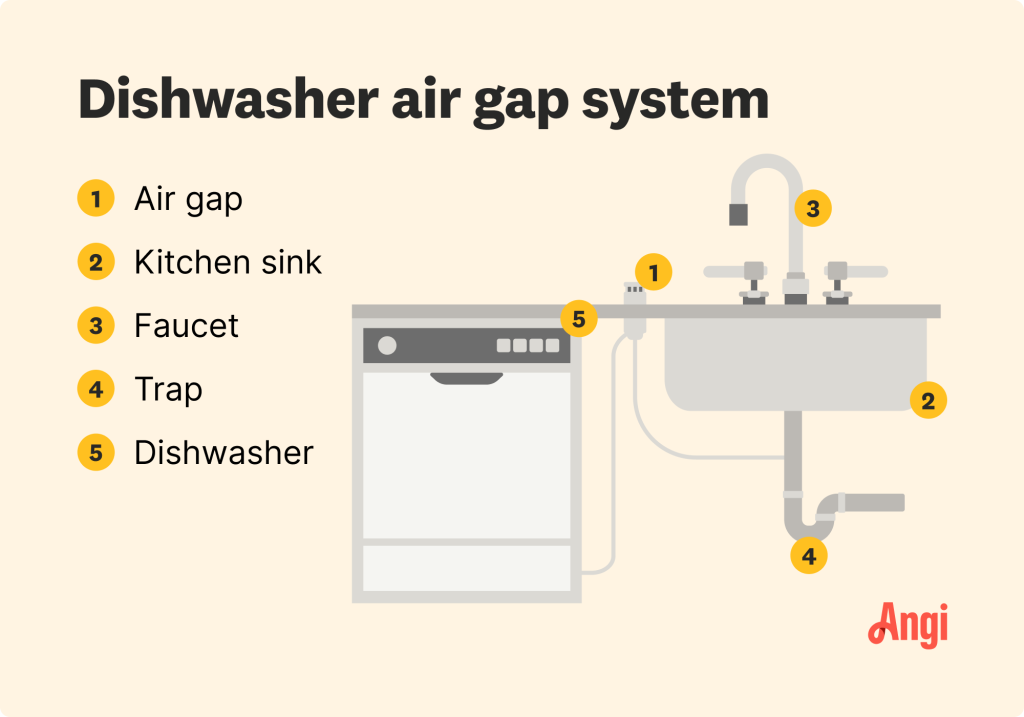
An air gap is a small, usually cylindrical device installed near your kitchen sink. It creates a physical break in the dishwasher’s drain line to prevent dirty water from flowing back into the dishwasher. This gap of air stops contaminants from contaminating your clean dishes.
You might spot an air gap as a chrome or plastic fixture mounted on the sink or countertop. It’s connected by hoses to both the dishwasher and the sink drain or garbage disposal. This simple setup works silently but effectively to protect your water supply.
Purpose Of An Air Gap
The main purpose of an air gap is to prevent backflow, which is when contaminated water flows backward into your dishwasher. This can happen if there’s a clog or blockage in the drain pipes. Without an air gap, dirty water could end up on your dishes, creating health risks.
Another important role is to comply with local plumbing codes. Many areas require air gaps by law, especially where cross-contamination could be a serious problem. Installing an air gap not only safeguards your family’s health but also keeps your home up to code.
Have you ever wondered why your dishwasher sometimes smells musty or fails to drain properly? A clogged or missing air gap could be the culprit. Checking this small device could save you from costly repairs or unpleasant surprises.

Credit: www.youtube.com
Installation Requirements
Installing a dishwasher requires attention to specific rules to keep your home safe. One key aspect is understanding the installation requirements for an air gap. This device prevents dirty water from flowing back into your dishwasher, protecting your drinking water. Knowing these requirements helps ensure your dishwasher works properly and meets safety standards.
Local Plumbing Codes
Local plumbing codes often dictate if an air gap is necessary. Codes vary between cities and states. Some areas require an air gap by law, while others allow alternatives like high loop drains. Check with your local building department for rules before installation. Following these codes avoids fines and ensures safe water flow.
Manufacturer Guidelines
Dishwasher manufacturers include installation instructions in their manuals. These guidelines specify if an air gap is needed for their models. Ignoring manufacturer directions can void warranties or cause malfunctions. Always review the manual carefully. Use the recommended parts and installation methods to protect your dishwasher and home plumbing.
Benefits Of Using An Air Gap
Using an air gap for your dishwasher offers clear advantages that go beyond simple installation requirements. It protects your kitchen’s water supply and keeps your dishwasher running smoothly. Understanding these benefits can help you decide if adding an air gap is the right choice for your home.
Preventing Backflow
An air gap creates a physical break between your dishwasher and the drain system. This prevents dirty water from flowing back into your dishwasher. Imagine the mess and health risks if wastewater from the sink could sneak back into your clean dishes—an air gap stops that from happening.
Without an air gap, contaminants could enter your dishwasher through a clogged or blocked drain. This is especially important if your kitchen sink and dishwasher share the same drain line. An air gap acts like a safety barrier, ensuring only clean water goes into your dishwasher.
Ensuring Clean Drainage
Air gaps help maintain proper drainage by allowing air to enter the drain line. This breaks any potential vacuum that could slow or stop the water flow. When water drains efficiently, your dishwasher performs better and finishes cycles faster.
Have you ever noticed water pooling around your dishwasher or sink? That might be a sign of poor drainage, which an air gap can fix. By promoting smooth water flow, air gaps reduce odors and prevent buildup of food particles in the pipes.
Alternatives To Air Gap
If you’re wondering whether an air gap is the only way to prevent dirty water from flowing back into your dishwasher, there are other options to consider. Alternatives to air gaps can be effective and sometimes simpler to install, depending on your setup. Understanding these options helps you make a choice that fits your kitchen’s design and plumbing rules.
High Loop Method
The high loop method is a popular alternative to an air gap. It involves routing the dishwasher drain hose up as high as possible under the countertop before it connects to the drain. This loop creates a natural barrier against backflow without adding extra hardware.
Many homeowners find this method easy to implement during installation or repairs. It doesn’t require drilling holes or buying additional parts, which can save time and money. However, check your local plumbing codes, as some areas don’t allow this method as a substitute for an air gap.
Other Backflow Prevention Devices
Besides the high loop, there are specialized backflow prevention devices designed for dishwashers. These include mechanical check valves and vacuum breakers that stop wastewater from reversing into your clean water supply.
- Mechanical check valveslet water flow in only one direction, effectively blocking backflow.
- Vacuum breakersprevent siphoning that can pull dirty water back into your dishwasher.
Installing these devices might require professional help to ensure they work properly and comply with local regulations. If you want a discreet solution without visible parts on your countertop, these devices can be a smart choice. Have you checked if your local plumbing code accepts these alternatives? That’s an important step before making changes.
How To Install An Air Gap
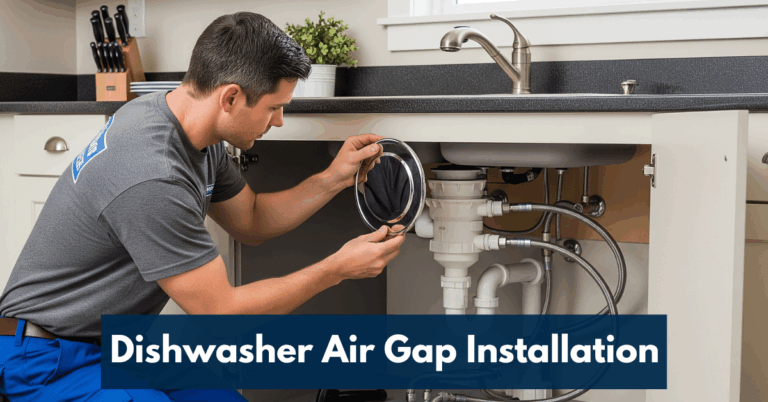
Installing an air gap is a smart way to keep your dishwasher safe and clean. It stops dirty water from flowing back into your dishwasher. The process is simple and does not need special skills. Follow clear steps to set it up correctly.
Tools And Materials Needed
- Air gap kit
- Screwdriver
- Drill with a hole saw bit
- Measuring tape
- Adjustable wrench
- Hose clamps
- Dishwasher drain hose
- Sink drain or garbage disposal connection
- Plumber’s putty or silicone sealant
Step-by-step Installation
- Turn off the dishwasher and water supply.
- Choose a spot on your sink or countertop for the air gap.
- Use the drill and hole saw to make a hole for the air gap.
- Place the air gap through the hole.
- Seal around the air gap base with putty or silicone.
- Secure the air gap with the mounting nut underneath the sink.
- Connect the dishwasher drain hose to the air gap inlet.
- Attach a hose from the air gap outlet to the sink drain or garbage disposal.
- Tighten all hose clamps to prevent leaks.
- Turn on the water and dishwasher to test for leaks and proper flow.
Credit: callwhitney.com
Common Issues Without An Air Gap
Skipping an air gap in your dishwasher setup can cause several problems. These issues affect both the appliance’s function and your home’s hygiene. Understanding these common problems helps you decide if an air gap is necessary.
Potential Contamination Risks
Without an air gap, dirty water may flow back into the dishwasher. This backflow can carry bacteria and food particles. It risks contaminating clean dishes and utensils. This issue often happens when the sink or drain clogs. The air gap acts as a barrier to stop this contamination. Without it, your dishwasher water may not be as clean as you expect.
Drainage Problems
Dishwashers without an air gap often face drainage issues. Water may drain slowly or not at all. This causes pooling inside the dishwasher or sink. It can lead to unpleasant odors and mold growth. The air gap prevents water from flowing backward. It helps maintain proper drainage and keeps your dishwasher working well.
Maintenance Tips
Keeping your dishwasher’s air gap in good shape is key to avoiding water backups and odors. Regular maintenance helps the air gap work efficiently, ensuring your kitchen stays clean and hygienic. Here are some practical tips to help you maintain your air gap without hassle.
Cleaning The Air Gap
Cleaning your air gap is simpler than you might think. Start by removing the cover on top of the air gap—it usually just twists off or pulls up gently.
Use a small brush or a pipe cleaner to clear away any debris or buildup inside. Running some warm water through the air gap after cleaning helps flush out remaining particles.
If you notice stubborn grime, a mild mixture of vinegar and baking soda can break it down effectively. How often do you check this part of your dishwasher setup? Making it part of your monthly routine can prevent bigger problems.
Troubleshooting Blockages
Blockages in the air gap often cause water to pool around your sink or dishwasher. If you see water backing up, first check the air gap for visible clogs.
Disconnect the hose connected to the air gap and inspect it for kinks or debris. Sometimes, simply flushing the hose with water clears the blockage.
If the problem persists, the blockage might be deeper in the drain line or garbage disposal. Would you be comfortable using a plumber’s snake, or is it time to call a professional? Addressing blockages early saves you from costly repairs later.

Credit: up.codes
Frequently Asked Questions
What Is An Air Gap For A Dishwasher?
An air gap is a small device that prevents dirty water from flowing back into your dishwasher. It ensures clean water circulation and protects your home’s water supply from contamination.
Do All Dishwashers Need An Air Gap?
Not all dishwashers require an air gap. Some local plumbing codes mandate it, while others allow alternatives like high loops. Check your local regulations to ensure compliance and proper dishwasher installation.
How Does An Air Gap Improve Dishwasher Safety?
An air gap blocks dirty water from siphoning back into clean water lines. This prevents contamination and protects your home’s water system, ensuring your dishwasher operates safely and hygienically.
Can I Install An Air Gap Myself?
Installing an air gap is possible for DIY enthusiasts with basic plumbing knowledge. However, hiring a professional ensures proper installation and adherence to local codes, avoiding potential plumbing issues.
Conclusion
An air gap helps keep dirty water from flowing back into your dishwasher. It protects your home from leaks and bad smells. Many local rules ask for an air gap to keep things safe. Installing one is a small step that can save big trouble later.
Think of it as a simple shield for your kitchen. Choose what fits your needs and local rules. A good setup means cleaner dishes and peace of mind.