Are you puzzled over whether your dishwasher needs an air gap? You’re not alone.
This small yet crucial component often leaves homeowners scratching their heads. But here’s the thing: understanding the role of an air gap can save you from potential headaches and costly repairs. Imagine a kitchen where your dishwasher functions smoothly, free from the risks of backflow contamination.
Sounds ideal, right? You’ll uncover the simple truth about air gaps and why they might be essential for your dishwasher’s optimal performance. Stick around, and we’ll clear up the mystery together, ensuring your kitchen stays clean, safe, and efficient.
Credit: callwhitney.com
Purpose Of An Air Gap
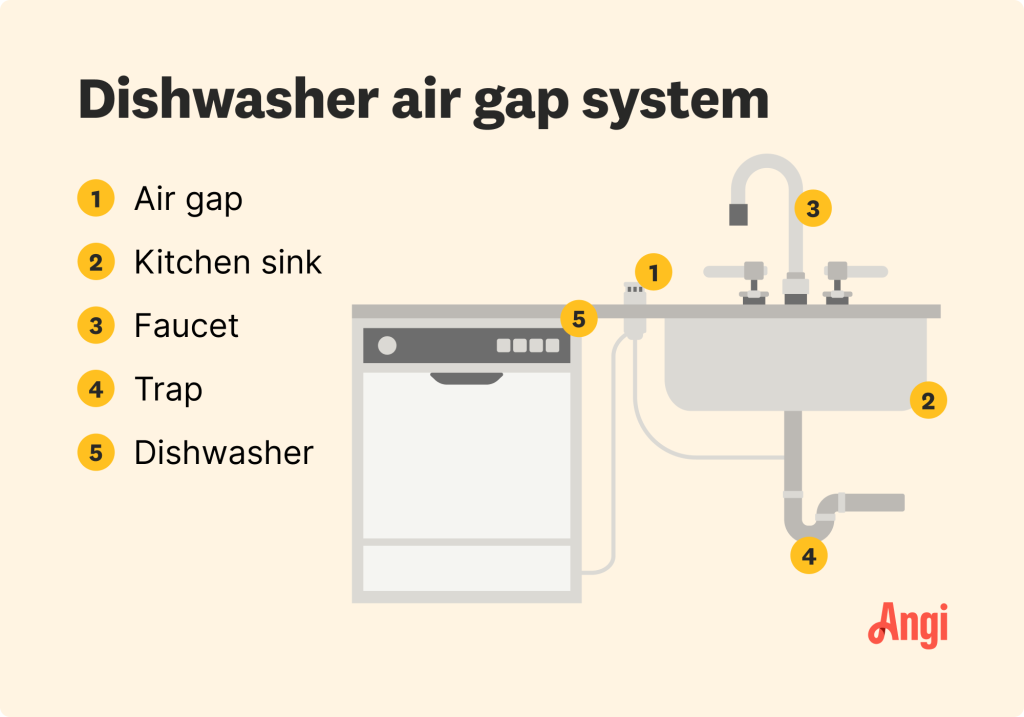
Understanding the purpose of an air gap can help you decide if your dishwasher truly needs one. An air gap is a small, simple device designed to keep your kitchen water safe and clean. It plays a key role in preventing dirty water from flowing back into your dishwasher and contaminating your dishes.
Preventing Backflow Contamination
Backflow happens when wastewater flows backward into your clean water supply. This can occur if there is a sudden drop in water pressure or a clog in the pipes. An air gap stops this by creating a physical break between the dishwasher drain and the household plumbing.
Imagine washing your dishes with water that has traces of food scraps or soap from the sink. An air gap prevents this unpleasant scenario by ensuring wastewater cannot flow back into your dishwasher. Without it, you risk exposing your dishes to harmful bacteria and germs.
Maintaining Plumbing Safety
Besides keeping your dishwasher clean, an air gap protects your home’s plumbing system. It prevents wastewater from contaminating your drinking water, which can lead to health issues. Local building codes often require an air gap for this reason.
Installing an air gap can save you from costly plumbing repairs caused by backflow damage. It acts as a safeguard that keeps your entire plumbing network functioning properly. Have you ever experienced a clogged drain or foul smell? An air gap can help prevent these problems.

Credit: www.youtube.com
When An Air Gap Is Required
Knowing when an air gap is required helps prevent water contamination. It stops dirty water from flowing back into the dishwasher. Rules about air gaps can vary depending on where you live and how you install the dishwasher.
Local Plumbing Codes
Many areas have specific plumbing codes that require an air gap for dishwashers. These codes protect the water supply from contamination. Check with local authorities or a plumber to understand the rules in your area. Some places allow alternatives to air gaps, but many do not.
Dishwasher Installation Types
The type of dishwasher installation affects the need for an air gap. Built-in dishwashers often require an air gap or a high loop in the drain hose. Portable dishwashers may not need one if they connect directly to the sink faucet. The difference lies in how the water drains and potential backflow risks.
Alternatives To Air Gaps
Not everyone can or wants to install an air gap for their dishwasher. Luckily, there are effective alternatives that can prevent dirty water from flowing back into your dishwasher. These options can save space and often cost less, but you should know how they work and when they’re appropriate for your setup.
High Loop Drain Method
The high loop drain method involves routing the dishwasher drain hose so it rises above the sink’s flood level. This creates a natural barrier that stops wastewater from siphoning back into the dishwasher.
It’s easy to do and doesn’t require extra parts. You just secure the hose under the countertop or cabinet so it loops high before connecting to the drain.
Keep in mind, some local plumbing codes don’t accept this method alone. So, check your area’s rules before relying solely on a high loop.
Check Valves And Other Devices
Check valves act like one-way gates for water, allowing it to flow out but not back in. Installing one on your dishwasher’s drain line can prevent backflow effectively.
There are also specialized air gap alternatives, like mechanical backflow preventers, designed for compact spaces. These devices are often easy to install and maintain.
However, these parts can sometimes fail or clog over time. Regular inspection and cleaning will help you avoid unexpected problems.

Credit: up.codes
How To Install An Air Gap
Installing an air gap for your dishwasher protects your home from dirty water backup. It stops wastewater from flowing back into the dishwasher. The process is simple and requires basic tools. Follow these steps to fit an air gap correctly.
Tools And Materials Needed
- Air gap kit
- Adjustable wrench
- Phillips screwdriver
- Drill with hole saw bit
- Measuring tape
- Plumber’s putty or silicone sealant
- Bucket or towels (to catch water)
- Hose clamps
- Dishwasher drain hose
- Sink drain tailpiece
Step-by-step Installation Guide
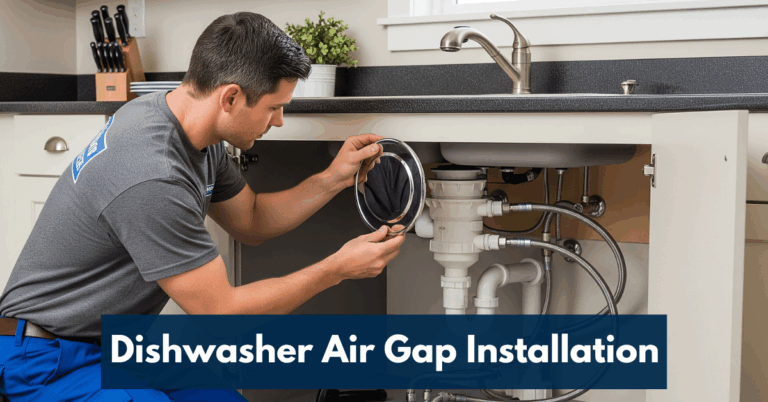
Start by turning off the dishwasher and water supply. Remove the cabinet door under the sink for easy access. Measure and mark the hole location on the sink or countertop. Use the drill with the hole saw bit to create the hole.
Apply plumber’s putty or silicone around the base of the air gap. Insert the air gap into the hole. Secure it with the locking nut under the sink. Connect the dishwasher drain hose to the air gap’s inlet.
Attach the other hose from the air gap’s outlet to the sink drain tailpiece. Tighten both connections with hose clamps. Check that all fittings are secure. Turn the water supply and dishwasher back on.
Run a short cycle to test for leaks or water flow issues. Wipe any spilled water and replace the cabinet door. Your air gap is now installed and ready to protect your dishwasher.
Common Issues Without An Air Gap
Not having an air gap in your dishwasher setup can cause several problems. These issues affect the dishwasher’s performance and your home’s plumbing safety. Understanding these common issues helps you decide if an air gap is necessary.
Backflow Risks
Without an air gap, dirty water may flow back into the dishwasher. This backflow can contaminate clean dishes. It happens because there is no physical barrier to stop wastewater. Backflow increases the chance of bacteria and germs spreading. It also risks clogging pipes with food waste and debris. An air gap prevents this by separating the dishwasher from the drain.
Drainage Problems
Skipping an air gap can cause drainage issues in the dishwasher. Water may not drain properly, leaving pools inside the machine. This standing water can damage the dishwasher’s pump and filters. It also leads to bad odors and mold growth. Air gaps ensure water flows smoothly out of the dishwasher. They help maintain proper drainage and keep the appliance working well.
Maintaining Your Dishwasher Drainage
Maintaining your dishwasher drainage is essential to keep your appliance running smoothly and avoid costly repairs. A well-maintained drainage system prevents clogs, bad odors, and water damage. Paying attention to how you care for this part of your dishwasher can save you time and frustration.
Regular Cleaning Tips
Start by cleaning the dishwasher filter regularly. Food particles often get trapped here and can cause blockages if ignored.
- Remove the filter and rinse it under warm water.
- Use a soft brush to scrub away stuck debris gently.
- Check the drain area and wipe away any visible gunk.
Another important step is to run a cleaning cycle with dishwasher cleaner or a cup of white vinegar. This helps dissolve grease and mineral buildup inside the drain pipes.
Have you ever noticed your dishwasher leaving residue on dishes? That could be a sign that your drainage needs attention.
Signs Of Drainage Problems
Recognizing early signs of drainage issues can prevent bigger problems. Pay attention if your dishwasher:
- Drains slowly or water pools at the bottom after a cycle.
- Emits a foul, sewage-like smell.
- Leaves food particles or debris on dishes.
- Triggers frequent error codes related to drainage.
If you experience any of these, it’s time to inspect your drainage system. Sometimes, simple cleaning fixes the problem, but persistent issues might indicate a need for professional help.
Frequently Asked Questions
What Is An Air Gap For A Dishwasher?
An air gap prevents dirty water from flowing back into your dishwasher. It acts as a safety device to avoid contamination. Local plumbing codes often require it to maintain clean water supply and proper drainage.
Do All Dishwashers Need An Air Gap Installed?
Not all dishwashers require an air gap. Some models have built-in backflow prevention. However, many local codes mandate an air gap for safety and health reasons.
Can I Install A Dishwasher Without An Air Gap?
You can install a dishwasher without an air gap if local codes allow. However, skipping it risks dirty water backup and potential health hazards. Consult your local plumbing regulations before installation.
How Does An Air Gap Improve Dishwasher Performance?
An air gap stops dirty water from re-entering the dishwasher. This prevents contamination and odors. It also helps maintain proper drainage, ensuring efficient dishwasher operation.
Conclusion
An air gap helps keep your dishwasher safe and clean. It stops dirty water from flowing back inside. Many local rules require an air gap by law. Installing one is simple and protects your home from leaks. You can choose to add an air gap for peace of mind.
Remember, a small part can prevent big problems. Make sure to check your local codes before installing your dishwasher. Safety first, always.