Are you standing in your kitchen, wondering if you really need a range hood? Maybe you’re considering a remodel, or you’ve just moved into a new space and noticed the absence of this appliance.
The decision might seem trivial, but it can significantly impact your cooking experience and the overall ambiance of your home. Picture this: you’re preparing a delicious meal, and the aroma of your favorite dish fills the room. But what happens when that aroma lingers too long, clinging to your furniture and walls?
Or when smoke and steam turn your cozy kitchen into an uncomfortable space? Before you dismiss the idea of installing a range hood, let’s explore why this often-overlooked appliance might just be the unsung hero of your kitchen. Dive into our article, and discover how a range hood can transform your cooking environment and enhance your home life.
Benefits Of Range Hoods
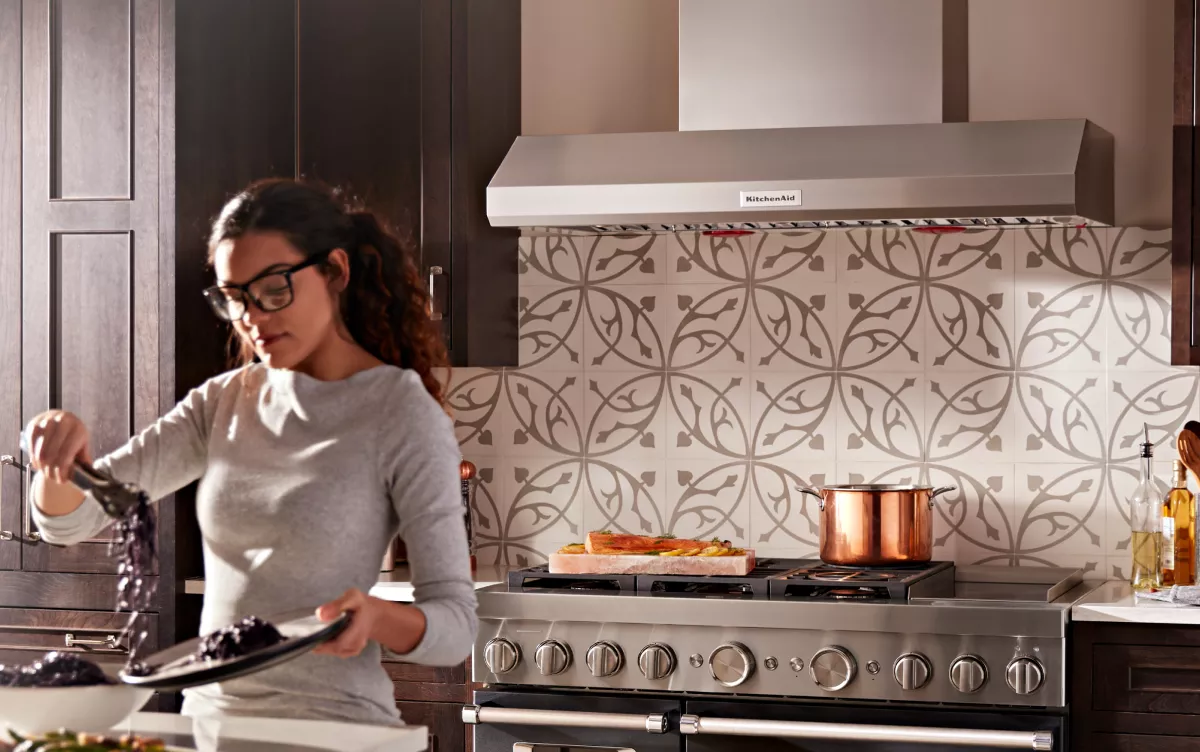
Range hoods offer several practical benefits that can make your cooking environment healthier and more comfortable. They do more than just look good above your stove—they actively improve the air you breathe and the overall cleanliness of your kitchen. Let’s break down the key advantages you’ll notice when you add a range hood to your cooking space.
Improved Air Quality
Cooking releases tiny particles and gases that can linger in your kitchen air. A range hood helps remove these pollutants, keeping your indoor air cleaner and safer to breathe.
Over time, this can reduce irritation to your eyes and lungs, especially if you cook frequently. Have you ever felt stuffy or experienced headaches after a long cooking session? A range hood can help prevent that.
Odor And Smoke Removal
Strong cooking smells can stick around for hours or even days without proper ventilation. Range hoods quickly pull out smoke and odors, stopping them from spreading throughout your home.
Imagine cooking fish or spicy dishes and not having the smell linger in your living room—this is exactly the kind of relief a good range hood provides. It keeps your home smelling fresh and inviting.
Heat Reduction
Cooking generates heat, which can make your kitchen uncomfortable, especially during hot weather. A range hood sucks up excess heat, helping to keep your kitchen cooler.
This means you can cook longer without feeling overheated or sticky. Have you ever avoided making your favorite meal just because your kitchen gets too hot? A range hood can change that experience.
Enhanced Kitchen Cleanliness
Grease and cooking residue can build up on your walls, cabinets, and countertops. A range hood traps much of this grease before it settles, making your kitchen easier to clean.
By reducing grease buildup, it also helps protect your appliances and surfaces from damage. Wouldn’t you prefer spending less time scrubbing and more time enjoying your meals?
Credit: www.kitchenaid.com
Types Of Range Hoods
Choosing the right range hood can change how you cook and clean your kitchen. Different types fit different kitchen layouts and cooking habits. Understanding these types helps you pick the one that suits your space and needs the best.
Wall-mounted Hoods
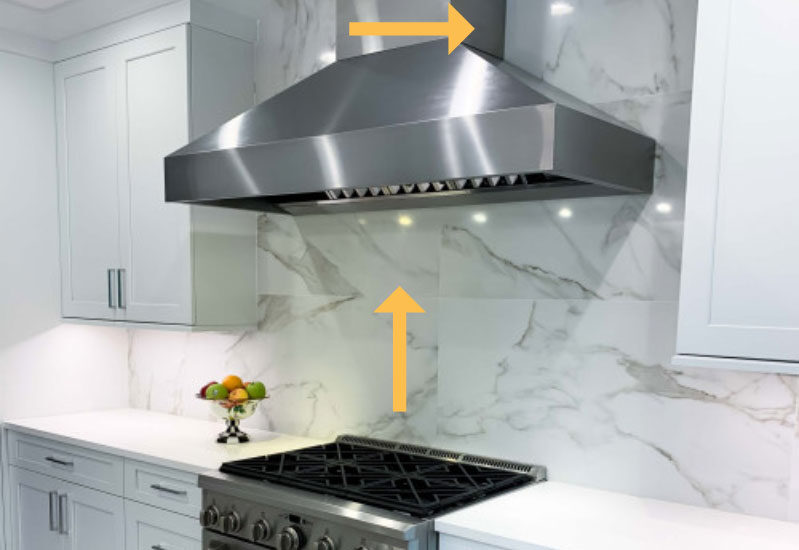
Wall-mounted hoods attach directly to the wall above your stove. They often have a chimney design that vents air outside. If your stove is against a wall, this type offers strong ventilation and makes cleaning smoke and odors easier.
Many people like how these hoods add a modern look. Have you noticed how much more pleasant it is cooking without lingering smells? Wall-mounted hoods can make that difference.
Under-cabinet Hoods
Under-cabinet hoods fit neatly under your kitchen cabinets. They save space and blend in well with your kitchen design. This type is great if you want something discreet but effective.
These hoods usually come with built-in lights to brighten your cooking area. Think about whether your cabinets can support the weight and if you want the hood visible or hidden.
Island Hoods
If your stove sits on an island in the middle of the kitchen, island hoods are the way to go. They hang down from the ceiling and offer ventilation from above. This type is often a centerpiece in modern kitchens.
Island hoods need strong suction power since they don’t have walls to help trap smoke. Would you like your kitchen’s focal point to be both stylish and functional? Island hoods can do that.
Downdraft Hoods
Downdraft hoods pull smoke and steam downwards, pulling air through vents usually behind the stove. They are hidden when not in use, making them perfect for minimalist kitchens. However, they work best with certain types of cooktops.
Consider downdraft hoods if you want to keep your kitchen open and uncluttered. But ask yourself: Will it handle your cooking style, especially if you fry or grill often? Its effectiveness can vary depending on your cooking habits.
How Range Hoods Work
Range hoods help keep your kitchen air clean and fresh. They remove smoke, steam, and odors produced during cooking. These devices work by pulling air through filters and either venting it outside or cleaning it and returning it inside. Understanding how range hoods work can help you pick the right one for your kitchen.
Ventilation Systems
Range hoods use fans to move air. The fan pulls cooking fumes and smoke upward. Air travels through the hood into a ventilation system. This system either pushes the air outside or cleans it before releasing it back. Proper ventilation stops grease buildup and reduces kitchen odors.
Recirculating Vs. Ducted Models
- Recirculating modelsclean the air with filters and send it back inside.
- Ducted modelsvent the air outside through a duct or pipe.
Ducted hoods are better at removing heat and moisture. Recirculating hoods are easier to install but need regular filter changes.
Filters And Maintenance
Filters trap grease and particles from cooking air. Most hoods use metal or charcoal filters. Metal filters catch grease and can be washed. Charcoal filters remove odors but need replacing often. Clean filters keep hoods working well and prevent fire risks.
Credit: www.kitchenaid.com
When You Need A Range Hood
Knowing when a range hood is necessary can improve your kitchen’s air quality and comfort. It helps remove smoke, odors, and grease while cooking. Understanding your cooking habits, kitchen layout, and local rules can guide your decision.
Cooking Frequency And Style
Cook often? A range hood is essential. It clears smoke and strong smells fast. Use high heat or fry food regularly? Ventilation helps prevent grease buildup. Simple meals with little smoke may need less ventilation.
Kitchen Size And Layout
Small kitchens trap smoke and odors quickly. A range hood moves air and keeps the space fresh. Open kitchens benefit by directing smells away from living areas. Placement near the stove ensures effective venting.
Local Building Codes
Some areas require range hoods by law. Codes focus on safety and air quality. Check local rules before installing. Proper installation ensures compliance and better performance.
Choosing The Right Range Hood
Choosing the right range hood can improve your kitchen’s air quality and comfort. It helps remove smoke, odors, and grease from cooking. Picking the best one depends on several factors. Consider size, power, noise, design, and budget. These details ensure your range hood fits your needs and space.
Sizing And Power
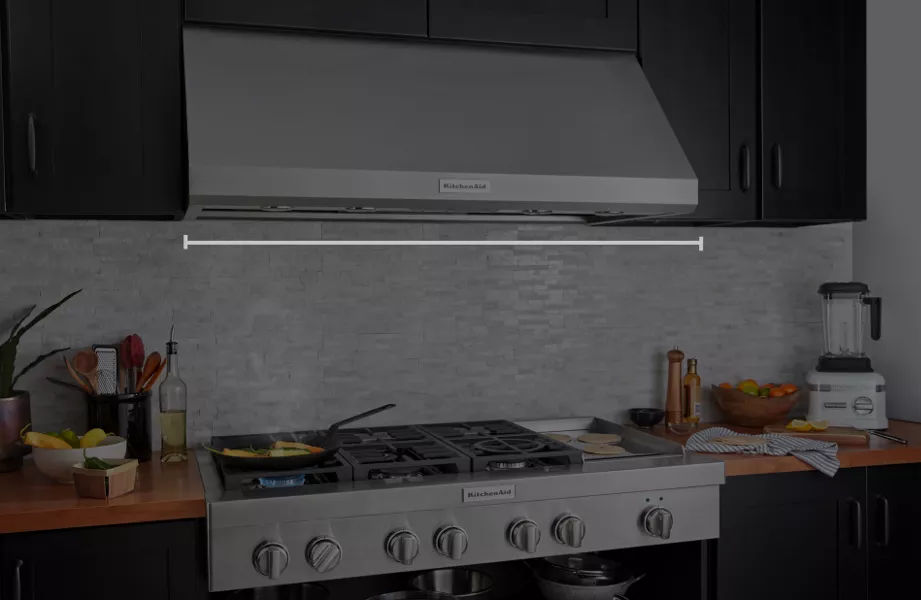
Choose a range hood size that matches your stove width. It should be at least as wide as your cooktop. Power is measured in cubic feet per minute (CFM). Higher CFM means better air removal. For electric stoves, 100 CFM per 10,000 BTUs is enough. Gas stoves need more power due to open flames. A hood with adjustable fan speeds adds flexibility.
Noise Levels
Range hoods can be noisy during operation. Look for models with low sones rating for quieter use. A sone value below 3 is usually quiet. Consider hoods with variable speed controls. This lets you reduce noise when less power is needed. Noise matters in open kitchens where sound travels easily.
Design And Aesthetics
Range hoods come in many styles and finishes. Choose one that matches your kitchen decor. Common designs include wall-mounted, under-cabinet, and island hoods. Stainless steel is popular for its clean look and durability. Glass and custom wood options create a unique style. The design should also allow easy cleaning and maintenance.
Budget Considerations
Range hoods vary widely in price. Basic models are affordable but may lack extra features. Mid-range hoods balance cost and performance well. High-end models offer powerful motors and stylish designs. Factor in installation costs and ductwork needs. Choose a range hood that fits your budget and cooking habits.
Installation Tips
Installing a range hood is more than just picking the right model. Proper installation ensures it works efficiently and keeps your kitchen fresh. Let’s look at some key tips that can make your installation smooth and effective.
Proper Placement
Position your range hood directly above the cooking surface. It should be centered to capture smoke and odors effectively.
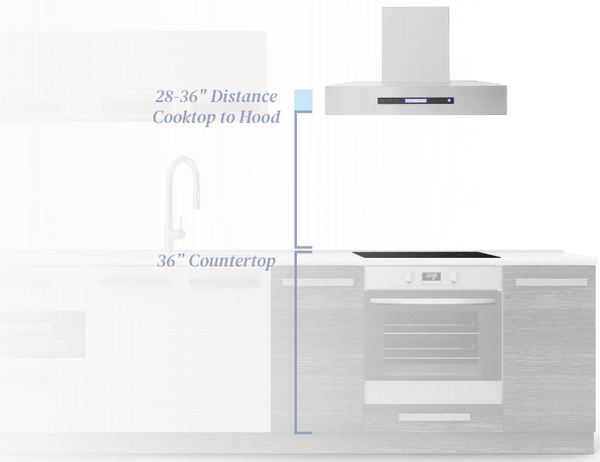
Maintain the recommended distance from the cooktop—usually between 24 to 30 inches. Too high, and it won’t capture fumes well; too low, and it could interfere with cooking.
Think about your kitchen layout. Are there cabinets or lighting fixtures nearby? Make sure your hood fits comfortably without blocking other essentials.
Ductwork Requirements
Good ductwork is crucial for venting air outdoors. Use rigid metal ducts instead of flexible ones to avoid airflow restrictions.
Keep duct runs as short and straight as possible. Every bend or long stretch reduces efficiency and increases noise.
Check local building codes for venting requirements. Some areas require venting directly outside rather than recirculating air back into the kitchen.
Professional Vs. Diy
Ask yourself if you have the skills to handle electrical wiring and duct installation safely. Improper installation can cause fire hazards or reduce performance.
Hiring a professional ensures the job meets safety standards and may save you costly mistakes. Plus, many warranties require professional installation.
If you choose DIY, gather all tools and instructions beforehand. Watch tutorials and double-check measurements to avoid surprises.
Maintaining Your Range Hood
Maintaining your range hood is key to keeping your kitchen fresh and safe. Regular care ensures it works efficiently and lasts longer. Neglecting simple upkeep can lead to poor air quality and even damage the unit.
Cleaning Filters
Filters trap grease and smoke, so cleaning them often is essential. You can usually remove the filters and soak them in hot, soapy water for 10-15 minutes.
If your filters are dishwasher-safe, running them through a cycle can save time. Remember to dry them completely before reinstalling to prevent mold growth.
How often should you clean? It depends on your cooking habits, but a good rule is every month if you cook daily or every three months if you cook less.
Regular Inspections
Take time to inspect your range hood regularly for any signs of wear or damage. Check the fan blades for buildup, and ensure the lights and controls function properly.
Look for loose screws or rattling sounds, which could indicate parts need tightening or replacement. Catching small issues early can save you costly repairs later.
Have you noticed your range hood isn’t as quiet or powerful as before? That’s a sign it’s time for a thorough check.
Troubleshooting Common Issues
Sometimes, your range hood might stop working correctly. If the fan won’t turn on, check the power supply and fuses first.
Unusual noises might mean the motor or fan blades are dirty or damaged. Cleaning or replacing these parts can often fix the problem.
If the lights flicker or don’t work, try replacing the bulbs or checking the wiring connections. Simple fixes like these often get your range hood back in action quickly.
Credit: blog.yaleappliance.com
Frequently Asked Questions
What Is The Main Purpose Of A Range Hood?
A range hood removes smoke, odors, and grease from your kitchen air. It improves ventilation and keeps the cooking area clean. This helps maintain better indoor air quality and prevents buildup on walls and ceilings.
Do All Kitchens Need A Range Hood?
While not mandatory, most kitchens benefit from a range hood. It controls cooking fumes and moisture. If you cook frequently or use gas appliances, a range hood is highly recommended for safety and comfort.
How Does A Range Hood Improve Indoor Air Quality?
Range hoods capture airborne particles, steam, and odors during cooking. They vent these pollutants outside or filter them. This reduces indoor pollution, preventing respiratory issues and keeping your kitchen fresh and healthy.
Can I Install A Range Hood In Any Kitchen?
Most kitchens can accommodate a range hood with proper planning. Installation depends on kitchen layout, ventilation options, and power supply. Consulting a professional ensures the best fit and compliance with building codes.
Conclusion
A range hood helps keep your kitchen clean and fresh. It removes smoke, odors, and grease from cooking. This improves air quality and reduces stains on walls and cabinets. Installing one can protect your health and make cooking more pleasant.
Consider your kitchen size and cooking habits before choosing a hood. A good range hood fits your needs and budget. It keeps your kitchen safe and comfortable every day. Think about how often you cook and what you cook. A range hood can make a big difference in your home.