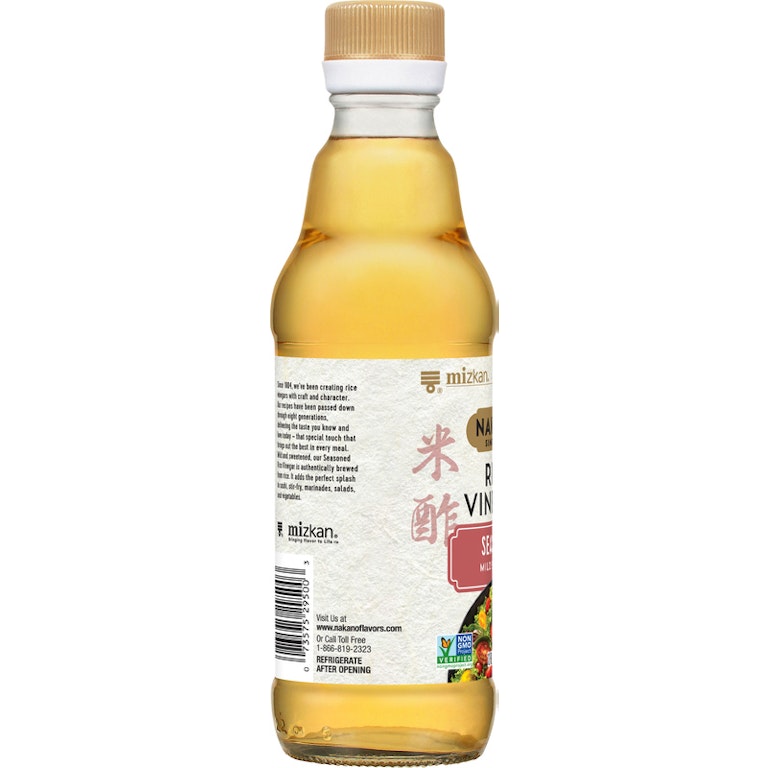
Are you wondering if you need to refrigerate rice vinegar? It’s a common question that can save you from wasting this kitchen staple.
You might think leaving it out on the shelf is fine, or maybe you’re worried it could spoil in the fridge. The truth is, knowing the right way to store rice vinegar can keep it fresh and tasty for much longer.
Keep reading, and you’ll discover simple tips that protect your vinegar’s flavor and quality, so every dish you make turns out perfect.
Rice Vinegar Basics
Rice vinegar is a staple in many kitchens around the world. It adds a mild, slightly sweet flavor to dishes. Understanding its basics helps in using it correctly and storing it well.
What Is Rice Vinegar
Rice vinegar is made from fermented rice. It has a gentle acidity compared to other vinegars. The color can be clear, red, or black depending on the rice and fermentation process. It usually contains about 4% to 5% acetic acid. This vinegar is popular in East Asian cooking. Its mild taste makes it perfect for delicate flavors.
Common Uses In Cooking
Rice vinegar is used in many recipes. It enhances salads, marinades, and sauces. Sushi rice often includes rice vinegar for a subtle tang. It balances sweetness and saltiness in dressings. Some use it to brighten stir-fries or soups. Its light flavor does not overpower dishes.

Credit: sporked.com
Storage Requirements
Understanding how to store rice vinegar is important for keeping its quality. This versatile ingredient adds a unique flavor to many dishes. Knowing the right storage methods can help preserve its taste and effectiveness. Let’s explore how to store rice vinegar properly.
Shelf Life Of Rice Vinegar
Rice vinegar has a long shelf life when stored correctly. Unopened bottles can last for years. Once opened, it remains good for several months. Check the expiration date for guidance. Keep the bottle tightly sealed to maintain freshness. Proper storage helps retain its flavor and acidity.
Impact Of Temperature On Quality
Temperature plays a key role in preserving rice vinegar. Store it in a cool, dark place, away from heat sources. Excessive heat can alter its taste and effectiveness. A pantry or cupboard works well for unopened bottles. For opened bottles, the refrigerator can help maintain quality. Avoid storing near the stove or direct sunlight. These conditions can degrade its quality over time.
Refrigeration Benefits
Refrigerating rice vinegar offers key benefits that help keep it fresh longer. Storing it in the fridge slows down natural changes that can affect taste and quality. This simple step helps preserve rice vinegar’s unique characteristics and prevents problems that may occur over time.
Preserving Flavor And Aroma
Rice vinegar has a delicate flavor and aroma that can fade if left at room temperature. Cold storage helps maintain these qualities by slowing chemical reactions. The vinegar stays crisp and fresh-tasting for months. This makes every dish you cook with it more flavorful.
Preventing Spoilage
Although rice vinegar is acidic and resists bacteria, it can still spoil. Refrigeration reduces the risk of mold or off-smells developing. It keeps the vinegar safe to use for a longer time. This means less waste and more confidence in your cooking ingredients.

Credit: sporked.com
When Refrigeration Is Not Needed
Rice vinegar is a staple in many kitchens, known for its mild flavor and versatility. But do you really need to refrigerate it? The answer depends on how you store it and whether the bottle is opened or not.
Unopened Bottles
If your rice vinegar bottle is unopened, refrigeration is usually unnecessary. The vinegar’s natural acidity acts as a preservative, keeping it safe and fresh for a long time.
Think about the bottles you’ve stored in your pantry—if they’re sealed tight and haven’t been exposed to heat or sunlight, they remain stable. You can keep unopened rice vinegar on a shelf, just like olive oil or soy sauce.
Proper Sealing And Storage Conditions
Once opened, rice vinegar can still stay fresh without refrigeration if sealed properly. Always make sure the cap or lid is screwed on tightly to prevent air from spoiling the vinegar.
Store the bottle in a cool, dark place away from direct sunlight and heat sources. A cabinet or pantry is ideal. Have you ever noticed your vinegar tastes different after being left near the stove? That’s a sign heat can affect its quality.
- Keep the bottle upright to avoid leaks and contamination.
- Use clean utensils when pouring to prevent bacteria from entering.
- Check the vinegar periodically for any changes in smell or appearance.
With these simple steps, you might not need to refrigerate rice vinegar at all, saving space and keeping your kitchen organized. Does your kitchen pantry have a cool spot perfect for this?
Signs Of Spoiled Rice Vinegar
Rice vinegar usually has a long shelf life. But sometimes, it can go bad. Knowing the signs of spoiled rice vinegar helps avoid bad taste and health risks. Watch for changes in smell, taste, appearance, and texture.
Changes In Smell And Taste
Fresh rice vinegar has a mild, slightly sweet aroma. If it smells sour, sharp, or off, it might be spoiled. The taste also changes. Spoiled vinegar can taste bitter or unpleasant. Trust your senses to detect any unusual smell or flavor.
Appearance And Texture Differences
Rice vinegar is usually clear or pale yellow. If it turns cloudy or dark, it might be going bad. Look for sediment or floating particles not normally there. Texture changes like thickening or sliminess are signs of spoilage. Any unusual appearance means it’s best to discard the vinegar.

Credit: betweencarpools.com
Tips For Storing Rice Vinegar
Proper storage of rice vinegar keeps its flavor fresh and quality high. Simple steps protect it from spoilage and contamination. Storing rice vinegar correctly helps you enjoy its tangy taste longer.
Choosing The Right Container
Use a container made of glass or food-safe plastic. Avoid metal containers as they can react with vinegar. Always keep rice vinegar in a tightly sealed bottle. This prevents air from entering and spoiling the vinegar. Original bottles often work best for storage.
Ideal Storage Locations
Store rice vinegar in a cool, dark place away from sunlight. A kitchen cabinet or pantry works well. Avoid storing near heat sources like stoves or ovens. Room temperature is fine for unopened vinegar. After opening, keeping it in the refrigerator extends freshness.
Frequently Asked Questions
Do I Need To Refrigerate Rice Vinegar After Opening?
No, rice vinegar does not need refrigeration after opening. It is naturally acidic, which preserves it. Store in a cool, dark place with the cap tightly closed to maintain freshness and flavor.
How Long Does Rice Vinegar Last Without Refrigeration?
Rice vinegar can last up to 1 year without refrigeration if sealed. Once opened, it remains good for 6 months to a year when stored properly in a cool, dark spot.
Can Rice Vinegar Spoil If Left Unrefrigerated?
Rice vinegar rarely spoils due to its acidity. However, improper storage can reduce quality. Keep the bottle tightly sealed and away from heat and sunlight to prevent flavor loss.
Does Refrigeration Improve Rice Vinegar’s Shelf Life?
Refrigeration is not necessary but can extend rice vinegar’s freshness slightly. Keeping it cool slows down any flavor changes, but proper sealing is more important for longevity.
Conclusion
Rice vinegar stays fresh longer without refrigeration. Keep it in a cool, dark place. Make sure the bottle is sealed tightly after use. This prevents air from changing its flavor. Storing rice vinegar properly keeps its taste strong. You can enjoy it in salads, sauces, and more.
No need to worry about spoiling quickly. Just follow simple storage tips for best results. Your rice vinegar will stay safe and tasty. Easy to handle and use anytime you want.