Have you ever opened a jar of tahini and wondered if it needs to go in the fridge? You’re not alone.
Tahini is a kitchen staple for many, but knowing how to store it properly can make all the difference in taste and freshness. If you want to keep your tahini smooth, flavorful, and safe to eat, understanding whether refrigeration is necessary is key.
Keep reading, and you’ll discover simple tips that will help your tahini stay perfect every time you use it.
Tahini Basics
Tahini is a creamy paste made from ground sesame seeds. It has a rich, nutty flavor and smooth texture. Tahini is a key ingredient in many Middle Eastern and Mediterranean dishes. It offers a healthy dose of fats, protein, and essential nutrients. Understanding tahini basics helps in using and storing it correctly.
What Is Tahini
Tahini is made by grinding toasted or raw sesame seeds. It looks like a thick, oily paste. The color ranges from light beige to darker brown. Tahini can be smooth or slightly grainy. It contains healthy fats and natural oils from sesame seeds. The taste is mildly bitter but rich and nutty. This paste is popular in cooking and baking.
Common Uses
Tahini is widely used in various recipes. It is a main ingredient in hummus and baba ghanoush. People use tahini as a sauce or salad dressing base. It adds flavor to dips, spreads, and marinades. Tahini can be mixed with honey or lemon for a sweet treat. It also enhances soups and stews. Many enjoy tahini as a healthy topping on toast or vegetables.

Credit: www.gianteagle.com
Shelf Life Factors
Understanding the shelf life of tahini is crucial for maintaining its quality and flavor. Many factors influence how long tahini stays fresh, and knowing these can help you decide if refrigeration is necessary. Let’s explore these factors in more detail.
Ingredients And Processing
Tahini is made from ground sesame seeds, which are naturally high in oil content. The oil can become rancid over time, especially if not stored properly. Processing methods also play a role; commercially produced tahini often includes preservatives, extending its shelf life compared to homemade versions.
Consider the ingredients used in your tahini. Does it have added oils or preservatives? These can significantly impact how long it remains fresh outside the fridge. Always check the label for specific storage recommendations.
Impact Of Exposure To Air And Light
Air and light are two major enemies of tahini’s freshness. When exposed to air, the oils in tahini can oxidize, leading to a bitter taste. Keeping the lid tightly sealed helps prevent this.
Light exposure can further exacerbate spoilage by breaking down the oils. Storing tahini in a dark, cool cabinet can help preserve its quality. Have you ever found your tahini tasting off? It might be due to improper storage rather than spoilage.
Remember, the way you store tahini can make a big difference. Take a moment to check where you keep your jar. A little attention to storage details can ensure your tahini remains delicious for longer.
Refrigeration Benefits
Refrigerating tahini can make a noticeable difference in how long it stays fresh and tasty. While tahini is naturally shelf-stable, keeping it in the fridge slows down changes that affect its flavor and texture. This means you get to enjoy that rich, nutty goodness longer without worrying about spoilage.
Extending Freshness
Storing tahini in the refrigerator helps maintain its freshness for weeks or even months. Cool temperatures slow the growth of bacteria and mold that can spoil the paste. Have you ever opened a jar only to find a sour smell or off taste? Refrigeration can prevent that unpleasant surprise.
Even if you don’t use tahini daily, chilling it preserves its original flavor. It’s especially helpful if you buy tahini in bulk or use it infrequently. You won’t have to rush through your jar before it turns bad.
Preventing Separation And Rancidity
Tahini naturally separates, with the oil rising to the top. Refrigeration slows this process, making it easier to keep the paste well mixed. Stirring cold tahini is simpler because the oil stays more evenly distributed.
More importantly, the fridge helps prevent the oils in tahini from going rancid. Rancidity occurs when fats oxidize, leading to an unpleasant taste and smell. Have you ever tasted tahini that seemed bitter or stale? Keeping it cold protects those healthy oils and keeps your tahini tasting fresh and smooth.
When To Refrigerate
Knowing when to refrigerate tahini can save you from wasting a jar and keep it tasting fresh longer. Tahini’s natural oils can separate or go rancid if not stored properly after opening. Understanding the right time to refrigerate helps maintain its flavor and texture.
After Opening
Once you open a jar of tahini, it’s best to refrigerate it to slow down the oil separation and prevent spoilage. If you use tahini regularly, keeping it in the fridge preserves its nutty taste and creamy texture.
Leaving tahini out at room temperature is okay only if you plan to finish it quickly—within a week or two. Otherwise, refrigeration is a simple step that extends its shelf life for several months.
Signs Of Spoilage
How can you tell if your tahini has gone bad? Watch for a sour or bitter smell, which means the oils have likely turned rancid.
Also, if you see mold spots or notice the texture has become unusually thick or grainy, it’s time to toss it. Trust your senses; if something feels off, don’t risk using it.
Storing Tahini Without Fridge
Storing tahini without a fridge is possible, but it requires some care to keep it fresh and tasty. Tahini is a paste made from sesame seeds, which contain natural oils that can go rancid if exposed to heat, light, or air for too long. Understanding the right conditions to store your tahini will help you avoid waste and enjoy its rich flavor longer.
Best Storage Conditions
Keep your tahini in a cool, dark place away from direct sunlight and heat sources like the stove or oven. A pantry or cupboard works well as long as the temperature stays relatively stable and below 70°F (21°C).
Humidity can also affect tahini’s texture and shelf life. Avoid places near the sink or dishwasher where moisture levels fluctuate. Instead, choose a dry spot that stays consistent to prevent spoilage.
Have you noticed how some jars separate with oil floating on top? This is natural, but it’s a sign to stir well before using and ensure the jar is sealed tightly afterward. That simple habit can extend freshness without refrigeration.
Using Airtight Containers
Transferring tahini to an airtight container can make a big difference. Glass jars with tight-fitting lids are ideal because they don’t absorb odors and help block air exposure.
If you buy tahini in a plastic container, consider switching it to a glass jar once opened. Plastic can sometimes allow air and odors in, speeding up spoilage.
Every time you use tahini, make sure to close the lid firmly. Leaving the jar open or loosely covered invites air and contaminants, which can cause the tahini to spoil faster.
- Use a clean spoon to scoop tahini to avoid introducing bacteria.
- Wipe the jar rim before sealing to prevent buildup that might trap moisture.
- Store the jar upright to minimize oil leakage and maintain texture.
Would keeping your tahini in a dark cupboard and using an airtight glass jar change how long it lasts on your shelf? Trying this could save you trips to the store and keep your recipes tasting fresh.

Credit: balancingbowls.com
Tips For Using Stored Tahini
Proper use of stored tahini helps keep its flavor fresh and texture smooth. Tahini can separate or become thick over time. Small habits improve your experience with tahini after storage.
Stirring And Texture
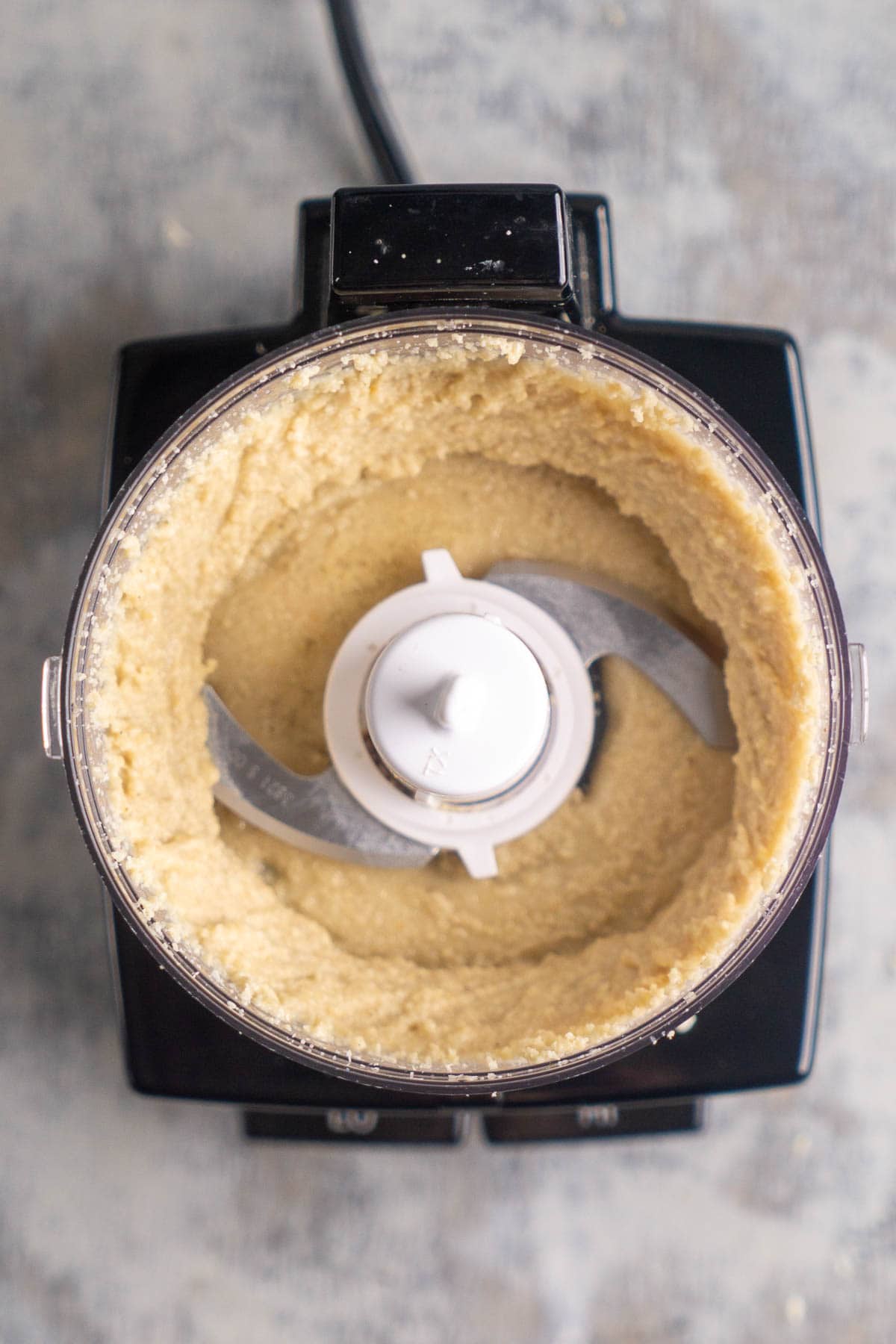
Tahini naturally separates into oil and paste. Stir well before each use. Mix the oil back into the paste for even texture. Use a clean spoon to avoid clumps. If tahini becomes too thick, add a little oil. Stir gently to keep it creamy. Proper stirring brings out the rich, nutty taste.
Avoiding Contamination
Keep tahini fresh by avoiding contamination. Always use a clean spoon or utensil. Do not dip food directly into the jar. Close the lid tightly after each use. Store tahini away from heat and sunlight. These habits stop bacteria and mold growth. Clean handling preserves flavor and safety longer.
Credit: thekitchengirl.com
Frequently Asked Questions
Do I Need To Refrigerate Tahini After Opening?
Yes, refrigerating tahini after opening helps maintain freshness and prevents oil separation. It extends shelf life by slowing spoilage and rancidity. Store it in a tightly sealed container to keep it safe from moisture and odors.
How Long Does Tahini Last Without Refrigeration?
Tahini can last 1-3 months unopened at room temperature. After opening, it may last 1-2 weeks unrefrigerated but can spoil faster. For best quality and safety, refrigeration is recommended once opened.
Can Tahini Go Bad If Not Refrigerated?
Yes, tahini can go rancid if left unrefrigerated for long. Heat and air exposure accelerate spoilage. Signs include off smell, taste, or oil separation. Refrigeration slows this process and keeps tahini fresh longer.
What’s The Best Way To Store Tahini?
Store tahini in a cool, dark place unopened. After opening, keep it in the refrigerator with a tightly sealed lid. Stir well before use to mix separated oil and maintain texture.
Conclusion
Tahini keeps best in a cool, dark place after opening. Refrigeration helps it stay fresh longer and stops oil separation. Stir it well before use for smooth texture. If you use tahini often, fridge storage is wise. For rare use, a pantry spot works fine for a short time.
Always check the smell and taste before eating. Proper storage means better flavor and less waste. Keep tahini safe, enjoy its rich taste anytime. Simple care makes all the difference.