
Do you ever find yourself standing in your kitchen, holding a carton of fresh eggs, and wondering whether they belong in your fridge? You’re not alone.
This simple yet puzzling question has sparked debates and confusion among many. The answer isn’t just about keeping your eggs fresh; it could also affect their flavor and safety. Imagine the peace of mind you’d feel knowing exactly where to store your eggs for the best taste and health benefits.
We’ll crack the mystery wide open and provide you with clear, science-backed guidance. Ready to discover the secret to perfect egg storage? Let’s get started!

Credit: www.yahoo.com
Fresh Eggs And Refrigeration
Fresh eggs can be stored in different ways depending on their source and handling. Understanding how refrigeration affects fresh eggs helps keep them safe and tasty. The natural coating on eggs plays a key role in storage choices. Temperature changes also impact egg quality and safety.
When To Refrigerate Eggs
Eggs from stores usually need refrigeration. These eggs are washed, removing their natural protective layer. Without this layer, bacteria can enter easily. Keep these eggs cold to prevent spoilage.
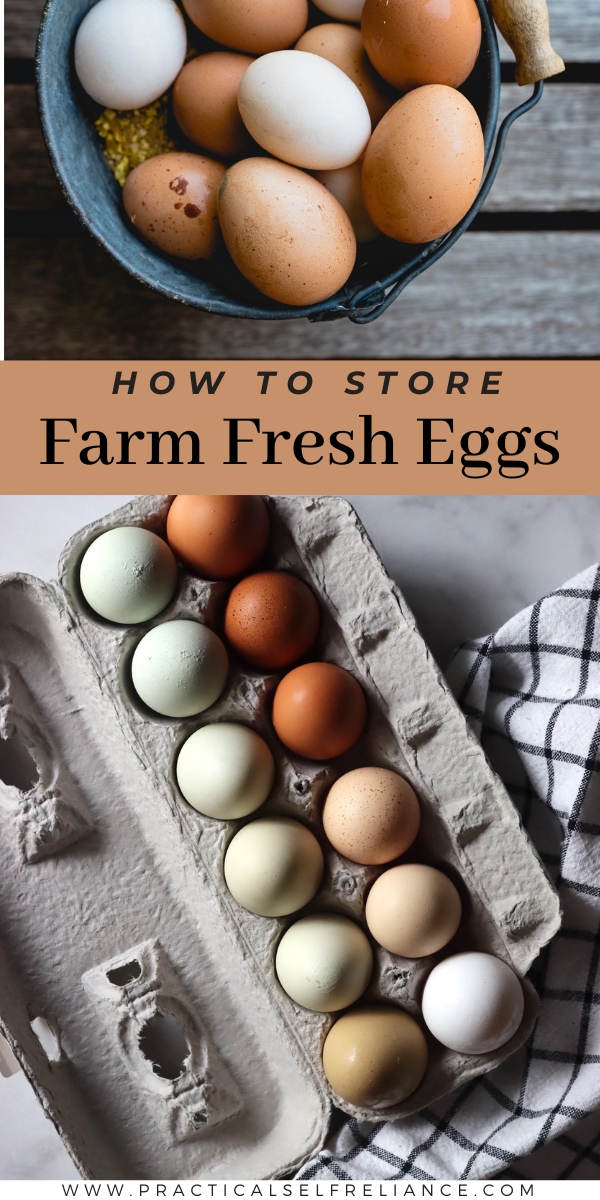
Farm-fresh eggs often keep well without refrigeration. The natural coating stays intact, blocking bacteria. Store them in a cool, dry place for up to two weeks. After that, refrigerate to extend freshness.
How Freshness Affects Storage
Very fresh eggs last longer without cooling. As eggs age, their quality declines faster at room temperature. The egg white thins, and the yolk flattens. Refrigeration slows this process and keeps eggs firm.
Older eggs stored in warm places risk bacterial growth. Use fresh eggs quickly if not refrigerated. For longer storage, always refrigerate to keep eggs safe to eat.
Eggshell Protection And Temperature
The eggshell has tiny pores that breathe. A natural coating called the “bloom” seals these pores. This layer stops moisture loss and bacteria entry. Washing removes the bloom, so eggs lose this protection.
Cold temperatures slow bacterial growth inside eggs. But sudden temperature changes cause condensation on shells. Moisture allows bacteria to enter easily. Store eggs steadily at cool temperatures without big swings.

Credit: www.peteandgerrys.com
Storing Eggs Safely
Storing eggs safely helps keep them fresh and reduces health risks. Eggs are delicate and need proper care. Fresh eggs can last longer with the right storage. It is important to keep eggs at the correct temperature and place. Avoiding contamination protects you and your family from illness.
Ideal Refrigerator Conditions
Keep your refrigerator temperature between 33°F and 40°F (1°C to 4°C). This range slows bacterial growth. Avoid placing eggs near the door. The temperature there changes often. Use the main body of the fridge for storage. Keep eggs in their original carton. The carton protects eggs from absorbing odors and moisture.
Proper Egg Placement
Store eggs with the pointed end down. This keeps the yolk centered and fresh. Place eggs on a middle or lower shelf. Avoid storing eggs on the fridge door. The door temperature fluctuates too much. Keep eggs away from strong-smelling foods. Eggs can absorb odors easily through the shell.
Avoiding Cross-contamination
Always keep eggs separate from raw meat, fish, or poultry. Use a clean carton or container. Wash hands and surfaces after handling eggs. Do not wash eggs before storing. Washing can remove the protective coating on eggshells. This coating helps keep bacteria out. Store eggs in a clean, dry spot to prevent germs.
Egg Shelf Life And Quality
Egg shelf life and quality depend greatly on how they are stored. Fresh eggs can stay good for weeks under the right conditions. Proper storage helps keep eggs safe and tasty. It also prevents spoilage and maintains texture.
How Long Eggs Last Refrigerated
Refrigerated eggs can last 3 to 5 weeks after purchase. Keep them in the coldest part of the fridge, not in the door. The consistent temperature slows down bacteria growth. Store eggs in their original carton to protect them from odors and moisture loss.
Signs Of Spoiled Eggs
- Bad smell, like sulfur or rotten eggs
- Discolored or cloudy egg whites
- Cracked or slimy shells
- Unusual texture when cracked open
When eggs show these signs, discard them immediately. Do not taste test bad eggs.
Impact Of Storage On Taste And Texture
Eggs stored properly keep their fresh flavor longer. Poor storage can cause eggs to lose moisture and become rubbery. The yolk may flatten and the white may thin out. Cold storage helps maintain firmness and taste.
Alternative Egg Storage Methods
Fresh eggs do not always require refrigeration. There are several alternative storage methods to keep eggs safe and fresh. These methods can suit different needs and climates. Understanding these options helps maintain egg quality without a fridge.
Room Temperature Storage Guidelines
Store fresh eggs in a cool, dry place away from direct sunlight. Ideal room temperature is between 50°F and 70°F (10°C to 21°C). Use a covered container to protect eggs from dust and pests. Avoid storing eggs near strong-smelling foods to prevent odor absorption. Check eggs regularly for cracks or spoilage. This method works best for eggs with their natural protective coating intact.
Freezing Eggs For Long-term Use
Eggs freeze well but need special preparation. Crack eggs into a bowl and beat lightly until yolks and whites mix. Pour the mixture into ice cube trays or freezer-safe containers. Label with the date and freeze. Use frozen eggs within one year for best quality. Thaw them in the refrigerator before use. Do not freeze eggs in their shells. This method is perfect for baking and cooking later.
Using Preservatives And Coatings
Natural coatings like mineral oil can extend egg freshness. Lightly coat eggshells with food-grade mineral oil to seal pores. This slows moisture loss and bacterial entry. Another traditional method uses water glass (sodium silicate) to preserve eggs for months. Wax coatings also help maintain freshness by sealing shells. These methods work well if refrigeration is not available. Always clean eggs gently before applying any coating.
Common Myths About Egg Storage
Egg storage is surrounded by many myths that can confuse even the most careful home cooks. You might have heard conflicting advice about whether fresh eggs need refrigeration or how washing affects their safety. Sorting fact from fiction helps you store eggs properly and avoid waste.
Refrigeration And Egg Safety Myths
Many people believe that fresh eggs must always be refrigerated to prevent illness. But this depends on where you live and how eggs are processed. In some countries, eggs are not washed and retain a natural protective coating, allowing safe storage at room temperature for weeks.
However, if eggs have been washed or refrigerated once, keeping them cold is important to prevent bacteria growth. You might wonder: if your eggs came from a local farm, should you refrigerate them? The safest bet is to follow local guidelines and keep eggs cold if they’ve been washed or stored in a fridge before.
Myths About Washing Eggs
Washing eggs is often seen as a way to make them safer, but it can actually harm their natural defenses. When you wash eggs, you remove the protective coating called the “bloom,” which helps keep bacteria out.
Some say washing eggs at home is necessary, but this can increase the risk of contamination if not done properly. Instead, trust that eggs sold in stores have already been cleaned according to safety standards. If you have farm-fresh eggs, it’s better to wipe them gently with a dry cloth rather than washing them.
Debunking Expiration Date Confusion
Egg expiration dates can be misleading. They don’t always indicate when eggs become unsafe but rather suggest the best period for peak freshness. Eggs often remain edible well past the date stamped on the carton.
You can check egg freshness at home by placing them in water: fresh eggs sink, while older ones float. This simple test can save you from tossing eggs that are still good to eat. So, why throw away eggs just because the date says so?
Credit: practicalselfreliance.com
Frequently Asked Questions
Should I Refrigerate Fresh Eggs Immediately?
Fresh eggs can be stored at room temperature if unwashed. Refrigeration extends freshness and prevents bacterial growth. In the U. S. , eggs are washed and require refrigeration. In other countries, unwashed eggs may stay fresh without refrigeration for weeks.
How Does Refrigeration Affect Egg Freshness?
Refrigeration slows down bacterial growth and maintains egg quality. It keeps eggs fresh for up to 3-5 weeks. Without refrigeration, eggs spoil faster, especially in warm climates. Proper storage preserves taste and texture.
Can Unwashed Fresh Eggs Be Stored Without Refrigeration?
Yes, unwashed eggs have a natural protective coating. This coating prevents bacteria from entering and keeps eggs fresh at room temperature. Refrigeration is not mandatory for unwashed eggs but recommended in warm environments.
What Is The Best Way To Store Fresh Eggs?
Store eggs pointed end down in their carton. Keep them in the refrigerator for maximum freshness. Avoid temperature fluctuations by placing eggs in the main fridge area, not door shelves. This prevents condensation and bacterial contamination.
Conclusion
Fresh eggs can stay safe without refrigeration for a short time. Keep them in a cool, dry place away from sunlight. Wash eggs only before use to keep their natural coating. Refrigeration helps eggs last longer but is not always needed.
Remember, storing eggs properly keeps them fresh and tasty. Choose what fits your lifestyle and climate best. Simple care goes a long way in egg safety. Enjoy your eggs with confidence and good storage habits.