Your air conditioner works hard to keep you cool, especially when the heat is unbearable. But have you ever thought about what happens when it starts to struggle?
Regular maintenance can save you from costly repairs and improve your AC’s performance. The best part? You don’t always need a professional to do it. With a few simple steps, you can take control of your air conditioner’s health right now.
Ready to learn how to keep your AC running smoothly and extend its life? Let’s dive into easy, do-it-yourself air conditioner maintenance tips that anyone can follow.
Benefits Of Diy Air Conditioner Maintenance
DIY air conditioner maintenancesaves money by cutting repair costs. It helps keep your AC running efficiently, which lowers energy bills. Cleaning filters and coils improves air qualityinside your home.
Regular checkups prevent big problemsand extend the unit’s life. You get to know your AC better and spot issues early. Doing it yourself means no waiting for a technician.
- Save money on service fees
- Improve cooling performance
- Reduce energy use
- Enhance indoor air quality
- Catch issues before they grow
Essential Tools And Supplies
To maintain your air conditioner, gather these essential tools and supplies. A screwdriverhelps open panels for cleaning. Use a soft brushto remove dust gently from coils and fins. A vacuum cleanerwith a brush attachment is perfect for cleaning filters and vents. Keep a fin combhandy to straighten bent fins.
A spray bottlefilled with water or mild detergent helps clean dirty parts. Use a coil cleanerfor deep cleaning, but be sure it is safe for your unit. Gloves protect your hands from sharp edges and chemicals. A flashlightlets you see inside dark areas clearly.
- Screwdriver
- Soft brush
- Vacuum cleanerwith brush attachment
- Fin comb
- Spray bottlewith water or detergent
- Coil cleaner
- Gloves
- Flashlight
Safety Precautions
Unplug the air conditionerbefore starting any work. This prevents electric shocks and injuries.
Wear protective gloves and safety glasses. Dust and sharp parts can cause harm.
Keep the area well-ventilatedto avoid breathing in dust or chemicals.
Use stable ladders or stoolsfor reaching high parts safely.
Do not touch moving partslike fans while the unit runs.
Check for any leaks or damagebefore maintenance. Report serious issues to a professional.
- Keep children and pets away during maintenance.
- Read the air conditioner’s manual for specific safety tips.
- Use the right tools to avoid damage or injury.
Cleaning Or Replacing Air Filters
Air filters keep dust and dirt out of the air conditioner. Clean filters help the unit work better and save energy. Check filters every month during heavy use. Some filters can be washed with water and soap. Let them dry completely before putting back. Replace filters if they look torn or very dirty. Using clean filters improves air quality and cooling.
- Remove the filter carefully.
- Look for dust, dirt, or damage.
- Wash washable filters gently.
- Dry fully before reinstalling.
- Replace non-washable or damaged filters.
- Keep a schedule for filter cleaning or replacement.
Inspecting And Cleaning Coils
Coils in air conditioners help cool the air by absorbing heat. Keeping them clean is importantfor good cooling and saving energy. Dirt and dust can block air flow and make the AC work harder. Use a soft brush or cloth to gently remove dust from the coils.
For deeper cleaning, a coil cleaner spray made for AC units works well. Spray it evenly and let it sit for a few minutes. Rinse with water carefully, avoiding electrical parts. Always turn off the power before cleaning.
- Check coils every few months for dust build-up.
- Use gentle tools to avoid bending coil fins.
- Clean coils to improve cooling and reduce bills.
Checking Refrigerant Levels
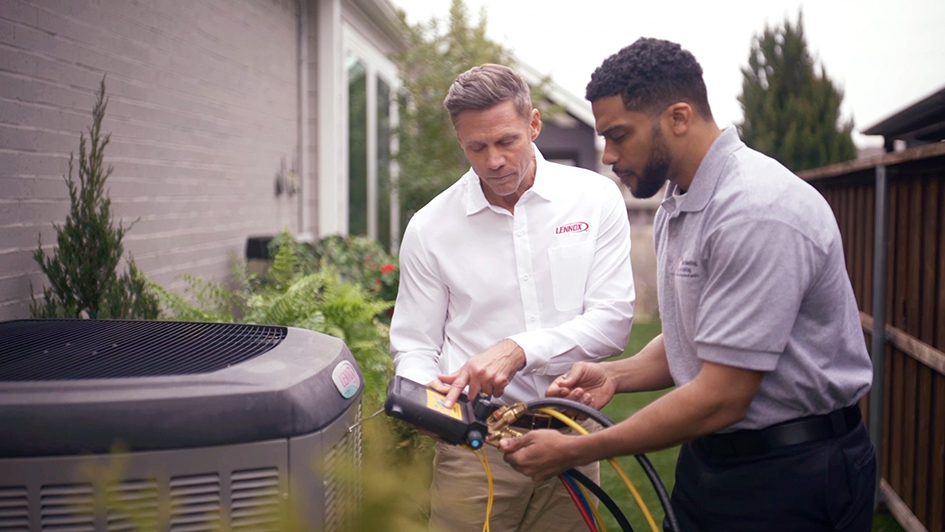
Checking refrigerant levelsis key to keeping your air conditioner cool. Low refrigerant can make the unit work harder and waste energy. Use a gauge to measure the pressure in the system. Find the service port on your AC unit. Attach the gauge and read the numbers carefully.
Signs of low refrigerant:
- Warm air from vents
- AC running longer than usual
- Ice buildup on coils
- Higher energy bills
If the level is low, it could mean a leak. Only certified technicians should add refrigerant. Regular checks help your AC last longer and stay efficient.
Examining Electrical Connections
Check all electrical connectionsfor signs of wear or damage. Look for loose wiresor burn marks. These can cause poor performance or safety risks.
Turn off the power before handling any wires. Use a screwdriverto tighten any loose screws on terminals. Ensure all wires are firmly attached.
Look for any corrosionor ruston connectors. Clean these gently with a brush or cloth. Replace any wires that appear damaged or frayed.
- Ensure power is off before starting.
- Check for loose wires and tighten them.
- Inspect for burnt or corroded parts.
- Clean connectors if needed.
- Replace damaged wires immediately.

Credit: www.youtube.com
Lubricating Moving Parts
Lubricating the moving parts of an air conditioner keeps it running smoothly. Use light oildesigned for small motors. Avoid heavy grease as it can attract dust and dirt.
Focus on these parts:
- Fan motor bearings– help the fan spin easily
- Blower wheel– keeps air flowing
- Fan shaft– the central rod the fan spins on
Apply a few drops of oil to each part. Do not over-oil, as too much can cause damage. Wipe away excess oil with a clean cloth. Regular lubrication can reduce noise and extend the life of the AC.
Unclogging The Condensate Drain
The condensate draincan get clogged with dirt and algae. This causes water to back up and leak. Use a wet/dry vacuum to clear the drain line from the outside. If no vacuum, try blowing air through the drain pipe gently. Pour a mixture of water and vinegar or bleach into the drain pan to kill algae and mold. Let it sit for 30 minutes before flushing with water. Clean the drain pan itself to remove any buildup. Check the drain line regularly to avoid future clogs. Keep the area around the drain clean and dry. This helps prevent dirt from entering the system. Regular maintenance keeps your air conditioner running smoothly and reduces water damage risk.
Testing The Thermostat
Check the thermostat by setting it to a temperature lower than the room temperature. The air conditioner should turn on. If it does not, the thermostat may need replacement or repair.
Use a multimeter to test the thermostat’s electrical connections. It should show continuity when the thermostat is calling for cooling.
Keep the thermostat clean and free from dust. Dust can cause false readings and poor performance.
Optimizing Airflow
Airflow is key to keeping your air conditioner working well. Clear any objects blocking air vents. Dust and dirt reduce airflow and make the unit work harder. Check the air filter monthly. Replace or clean it if dirty. Keep the area around the outdoor unit free from leaves, grass, and debris. Use a soft brush or vacuum to clean the vents gently. Make sure all vents inside the house are open and not blocked by furniture or curtains. Better airflow means the AC cools faster and uses less energy. Simple steps like these help your air conditioner last longer and save money on bills.

Credit: homesmiles.com
Seasonal Maintenance Tips
Clean or replace the air filter every 1-3 months. A clean filter helps the AC run better and saves energy.
Check the outdoor unit for leaves, dirt, or debris. Clear the area around it to keep airflow smooth.
Inspect the coils inside and outside. Dirt on coils lowers cooling power. Use a soft brush or vacuum to clean them gently.
Look for signs of ice or frost on the coils. This can mean low refrigerant or airflow issues.
Test the thermostat settings to make sure the temperature is correct and the unit turns on and off properly.
Keep the drain line clear to avoid water damage. Flush it with a mix of water and vinegar if it looks clogged.
- Turn off power before any cleaning or checks.
- Use gentle tools for cleaning.
- Check for unusual noises or smells.
- Schedule a professional check yearly for safety.

Credit: www.carrier.com
Frequently Asked Questions
How Often Should I Clean My Air Conditioner Filters?
You should clean your AC filters every 1 to 3 months. Regular cleaning improves airflow and efficiency. It also prevents dust buildup and maintains indoor air quality.
What Tools Are Needed For Diy Ac Maintenance?
Basic tools include a screwdriver, soft brush, vacuum cleaner, and a coil cleaner. These help you clean filters, coils, and other parts safely.
Can I Check The Refrigerant Level Myself?
Checking refrigerant requires specialized gauges and knowledge. It’s safer to hire a professional to avoid leaks or damage.
How Do I Clean The Ac Coils Effectively?
Turn off power, remove debris, and use a coil cleaner spray. Gently brush away dirt, then rinse with water. This improves cooling efficiency.
Conclusion
Regular air conditioner care saves money and keeps air fresh. Clean filters and coils often to improve cooling. Check for leaks and clear debris around the unit. Small tasks prevent big problems later. Spending a little time now helps avoid costly repairs.
Your home stays cooler and more comfortable. Simple maintenance keeps your AC running longer. Try these easy steps to enjoy a cool summer. Stay cool, save energy, and breathe better air.