
Is your car’s air conditioner blowing warm air instead of cool? You don’t have to wait for a costly mechanic to fix it.
Imagine being able to recharge your car’s AC yourself, saving time and money while staying comfortable on the road. In this guide, you’ll discover simple steps to get your AC running cold again. Ready to take control of your comfort and keep your car cool all summer long?
Keep reading, and you’ll learn exactly how to do it yourself—no special skills needed.

Credit: www.temu.com
Signs Your Ac Needs A Recharge
Your car’s air conditioner cools the inside during hot days. Over time, the AC may lose its cooling power. This usually happens because the refrigerant is low.
Knowing the signs that your AC needs a recharge helps you fix it early. This saves you from big repairs later.
Weak Airflow
If the air coming from the vents feels weak or soft, your AC may need more refrigerant. Low refrigerant reduces the pressure in the system. This causes the fan to blow less air.
Check if the fan speed is set to high but the airflow is still weak. This is a clear sign of low refrigerant or a possible leak.
Warm Air From Vents
The main job of your car’s AC is to blow cold air. If you notice warm or room temperature air from the vents, the AC might need a recharge. Low refrigerant means the AC cannot cool the air properly.
Sometimes, warm air can also mean other problems. Still, low refrigerant is the most common cause of warm air from the AC vents.
Unusual Noises
When your AC makes strange noises, it can mean trouble. A hissing or bubbling sound might show a refrigerant leak. Low refrigerant can cause the AC compressor to work harder and make noise.
Listen for any new sounds when you turn on the AC. These noises are signs that your system needs a check and possible recharge.
Foul Odors
Bad smells coming from your car’s AC vents can mean mold or bacteria growth inside the system. Low refrigerant can cause moisture build-up, which leads to odors.
If you smell a musty or rotten odor when the AC is on, it may need cleaning and a refrigerant recharge to work well again.
Tools And Materials Required
Recharging your car’s air conditioner can save you time and money. It’s an easy task if you have the right tools and materials.
This guide will help you gather what you need to get started on your DIY air conditioner recharge.
Recharge Kit Components
A recharge kit is essential for this process. It includes several key components that make the task easier.
- Refrigerant canister
- Pressure gauge
- Hose connector
Safety Gear
Safety is important when working with refrigerants. Make sure to use the right gear to protect yourself.
| Safety Goggles | Protects eyes from refrigerant |
| Gloves | Prevents skin contact with chemicals |
| Mask | Filters out harmful fumes |
Additional Tools
Besides the recharge kit and safety gear, you may need a few more tools. These help ensure the process goes smoothly.
- Wrench
- Thermometer
- Flashlight
Locating The Low-pressure Port
Recharging your car’s air conditioner starts with finding the low-pressure port. This port is where you connect the recharge hose safely.
Knowing the right port helps avoid damage to the system. It also makes the process easier and safer.
Identifying The Port
The low-pressure port is usually on the larger diameter tubing. It is often closer to the compressor or the accumulator.
You can find a plastic cap on the port. The cap may say “L” for low pressure or have a blue color.
- Look for a larger metal tube
- Check for a blue or black plastic cap
- Find markings like “L” or “Low” on the cap
Distinguishing From High-pressure Port
The high-pressure port is smaller and on the thinner metal tube. It usually has a red or pink cap.
Do not use the high-pressure port for recharging. It can cause leaks or damage your air conditioner.
- High-pressure port is smaller in size
- Has a red or pink colored cap
- Marked with “H” or “High”
- Not safe for adding refrigerant
Preparing Your Vehicle
Before recharging your car’s air conditioner, you must prepare the vehicle properly. This ensures safety and helps the process go smoothly.
Pay attention to where and how you park, and set your engine correctly. These steps protect you and your vehicle.
Parking And Engine Settings
Choose a flat, open space to park your vehicle. Avoid busy streets or enclosed areas to reduce hazards and improve ventilation.
- Turn off the engine before starting the recharge.
- Open the hood and secure it with the prop rod.
- Set the parking brake firmly to prevent movement.
- Keep windows slightly open for air circulation.
Safety Precautions
Working with refrigerant and the car’s AC system requires care. Follow safety rules to avoid injury or damage.
| Precaution | Reason |
|---|---|
| Wear safety goggles and gloves | Protect eyes and skin from refrigerant leaks |
| Do not smoke or use open flames nearby | Refrigerants can be flammable or cause explosions |
| Work in a well-ventilated area | Prevent inhaling harmful gases |
| Follow manufacturer’s instructions exactly | Ensure correct and safe recharge |
Step-by-step Recharge Process
Recharging your car air conditioner can save you time and money. This guide explains the main steps to do it safely and correctly. Make sure to follow each step in order.
Before starting, check your car manual for the correct type of refrigerant. Use gloves and eye protection for safety.
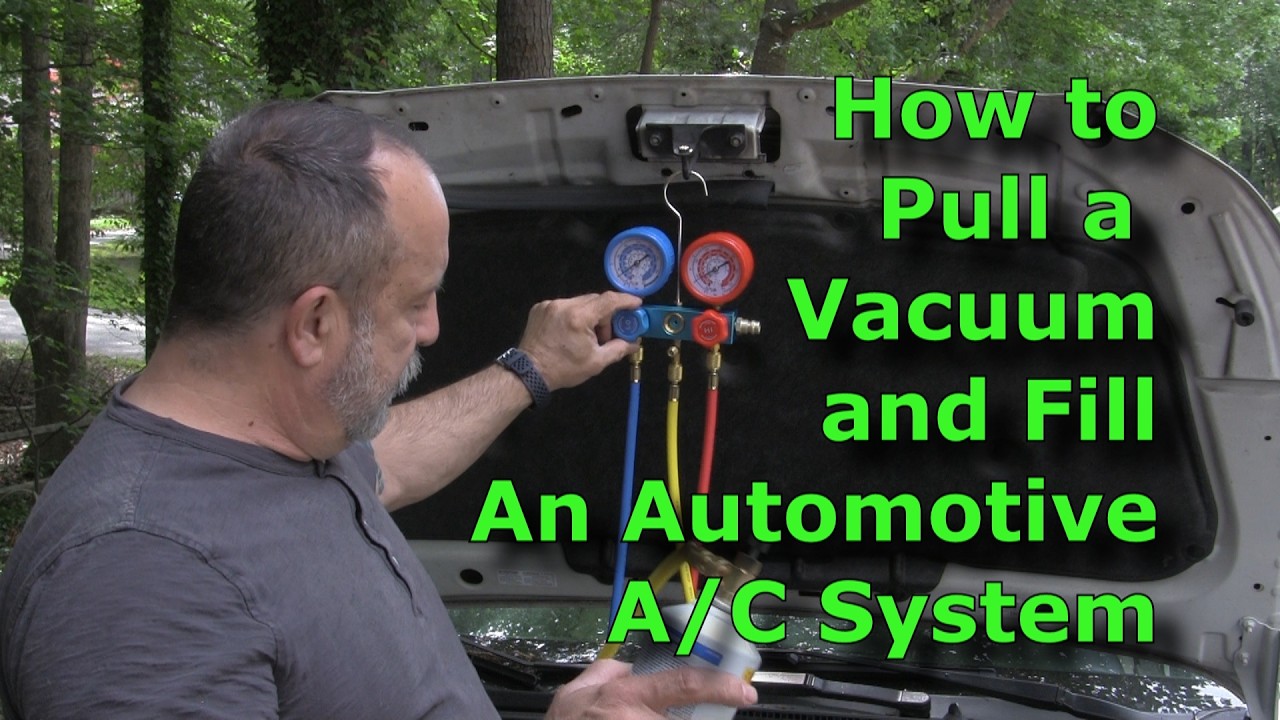
Connecting The Recharge Kit
First, locate the low-pressure service port on your car’s AC system. It is usually near the compressor and marked with an “L”.
- Attach the recharge hose securely to the low-pressure port.
- Make sure all connections are tight to avoid leaks.
- Keep the recharge kit upright to prevent refrigerant loss.
Adding Refrigerant
Shake the refrigerant can well before use. Keep the can upright and open the valve slowly to start the flow.
- Turn on the car engine and set the AC to the coldest setting.
- Hold the can and let the refrigerant flow into the system.
- Pause every minute to check the pressure and avoid overcharging.
- Stop adding refrigerant once the pressure reaches the recommended level.
Monitoring Pressure Levels
Use the pressure gauge on the recharge kit to monitor the system. Proper pressure keeps your AC working well and prevents damage.
| Pressure Range (PSI) | System Status |
|---|---|
| 25 – 45 | Normal Operating Range |
| Below 25 | Low Refrigerant – Add More |
| Above 45 | Overcharged – Stop Adding Refrigerant |

Credit: www.youtube.com
Checking Ac Performance After Recharge
After recharging your car’s air conditioner, you need to check its performance. This ensures the system cools properly and works efficiently.
Simple tests help you confirm the recharge was successful. Focus on measuring temperature and listening for changes.
Measuring Temperature
Check the air temperature from the vents to see if the AC is cooling well. Use a thermometer or an accurate temperature gauge for best results.
- Turn the AC on and set it to the coldest setting.
- Let the system run for about 5 minutes.
- Place the thermometer near the vent where air blows out.
- Record the temperature reading.
- Compare it with the outside temperature to see the difference.
Listening For Changes
Sound changes in the AC system can show its health. Listen carefully to detect any unusual noises or smooth operation.
| Sound Type | What It Means |
|---|---|
| Hissing | May indicate a refrigerant leak |
| Clicking | Could mean a faulty compressor or relay |
| Whirring | Normal operation of the fan and compressor |
| Grinding | Possible worn-out motor or compressor parts |
Common Mistakes To Avoid
Recharging your car air conditioner can save money and time. Still, some mistakes can harm the system or cause poor cooling.
Knowing what to avoid helps keep your AC working well and safe to use.
Overcharging The System
Adding too much refrigerant can cause high pressure inside the AC. This can damage parts and reduce cooling.
Follow the car manual to add the correct amount of refrigerant. Use gauges to check pressure levels.
- Overpressure can break seals and hoses
- Too much refrigerant lowers cooling efficiency
- System may freeze up or leak
Ignoring Leaks
Leaks let refrigerant escape. Adding refrigerant without fixing leaks wastes money and harms the environment.
Check all hoses and connections for leaks before recharging. Use a leak detector or soap water to find bubbles.
- Leaks reduce cooling power over time
- Refrigerant loss can cause system failure
- Fix leaks before adding refrigerant
Using Incorrect Refrigerant
Using the wrong type of refrigerant can damage your AC system. It may cause poor cooling or harm the compressor.
Check your car’s manual to find the right refrigerant type. Using the correct one keeps the system safe and efficient.
- Different cars need different refrigerants
- Mixing refrigerants causes system damage
- Wrong refrigerant may void car warranty
When To Seek Professional Help
Recharging your car air conditioner can save money and time. Sometimes, the problem needs expert care. Knowing when to call a professional is important.
Some issues are simple to fix, but others may need special tools or skills. This guide helps you decide when to get professional help.
Persistent Ac Issues
If your AC keeps failing after recharging, it may have a deeper problem. Constant leaks or no cold air are signs to see a technician. They can spot hidden faults that need fixing.
- AC blows warm air even after recharge
- Frequent need to add refrigerant
- Unusual noises or smells from the system
- Visible leaks around AC components
Complex Repairs
Some repairs require tools and knowledge beyond simple recharging. Issues like compressor failure or electrical faults need expert work. Trying these repairs yourself can cause more damage.
| Repair Type | Reason to Call Professional |
| Compressor Replacement | Requires special tools and seals |
| Electrical Diagnosis | Needs testing equipment and skill |
| Leak Detection and Repair | Uses special dyes and vacuums |
| System Flush | Cleans contamination inside AC lines |
Warranty Considerations
Your car or AC system may have a warranty. Doing repairs yourself can void it. Check your warranty terms before starting work. Professionals keep your warranty valid.
Common warranty rules to remember:
- Only authorized repairs keep warranty valid
- DIY repairs may cause warranty loss
- Professional service records are needed
Credit: www.youtube.com
Frequently Asked Questions
How Do I Know When To Recharge My Car Ac?
You should recharge your car AC if cooling is weak or not cold. Check for warm air, strange noises, or leaks. Regular maintenance helps prevent AC failure and improves efficiency.
What Tools Are Needed For A Diy Car Ac Recharge?
You need a recharge kit, which includes refrigerant, pressure gauge, and hose. Also, wear safety gloves and goggles to protect yourself. A clean workspace and car manual are helpful.
Is Diy Car Ac Recharge Safe For Beginners?
Yes, if you follow instructions carefully and take safety precautions. Avoid overcharging, which can damage the system. If unsure, consult a professional to prevent injury or car damage.
How Much Does A Diy Car Ac Recharge Cost?
A recharge kit typically costs between $15 and $50. It is cheaper than professional service, which may cost $100 or more. DIY saves money but requires careful handling.
Conclusion
Recharging your car’s air conditioner saves money and time. It keeps your car cool during hot days. Follow each step carefully for best results. Use the right tools and refrigerant for safety. Check for leaks before starting the recharge process.
Regular maintenance helps your AC work longer. Stay comfortable on every drive. Try this simple fix yourself and enjoy fresh, cool air again.