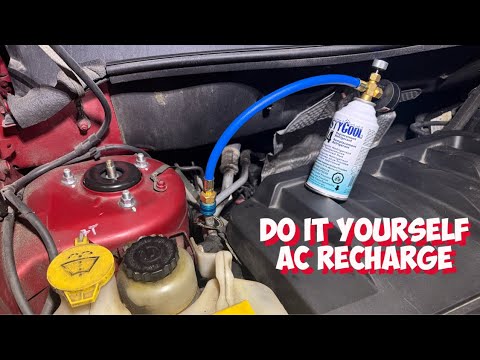
Is your car’s air conditioner blowing warm air just when you need it the most? You don’t have to rush to a mechanic or spend a fortune to fix it.
What if you could recharge your car’s air conditioner yourself, saving time and money? This guide will show you simple steps that anyone can follow to bring back that cool, refreshing breeze on your drives. Keep reading, and you’ll discover how easy it is to get your AC working like new again—without any hassle or confusion.
Signs Your Car Ac Needs A Recharge
Car AC blowing warm air or cooling weakly signals a low refrigerant level. Strange noises or leaks near the compressor also suggest a recharge is needed. Recharging your car’s air conditioner yourself saves money and restores cool comfort quickly.
- Warm Air Blowing:The AC blows warm air instead of cold. This means the refrigerant is low or missing.
- Weak Airflow:Air comes out slowly or weakly. This can be a sign of a clogged system or low refrigerant.
- Unusual Noises:Strange sounds like hissing or rattling may come from the AC. These noises often mean leaks or worn parts.
- Foul Odors:Bad smells from the vents can mean mold or bacteria inside the AC system. It also shows poor airflow.
Credit: www.ebay.com
Tools And Materials Required
Refrigerant typesvary by car model and year. Common types include R134aand R1234yf. Check your car’s manual to find the right one. Using the wrong refrigerant can damage your AC system.
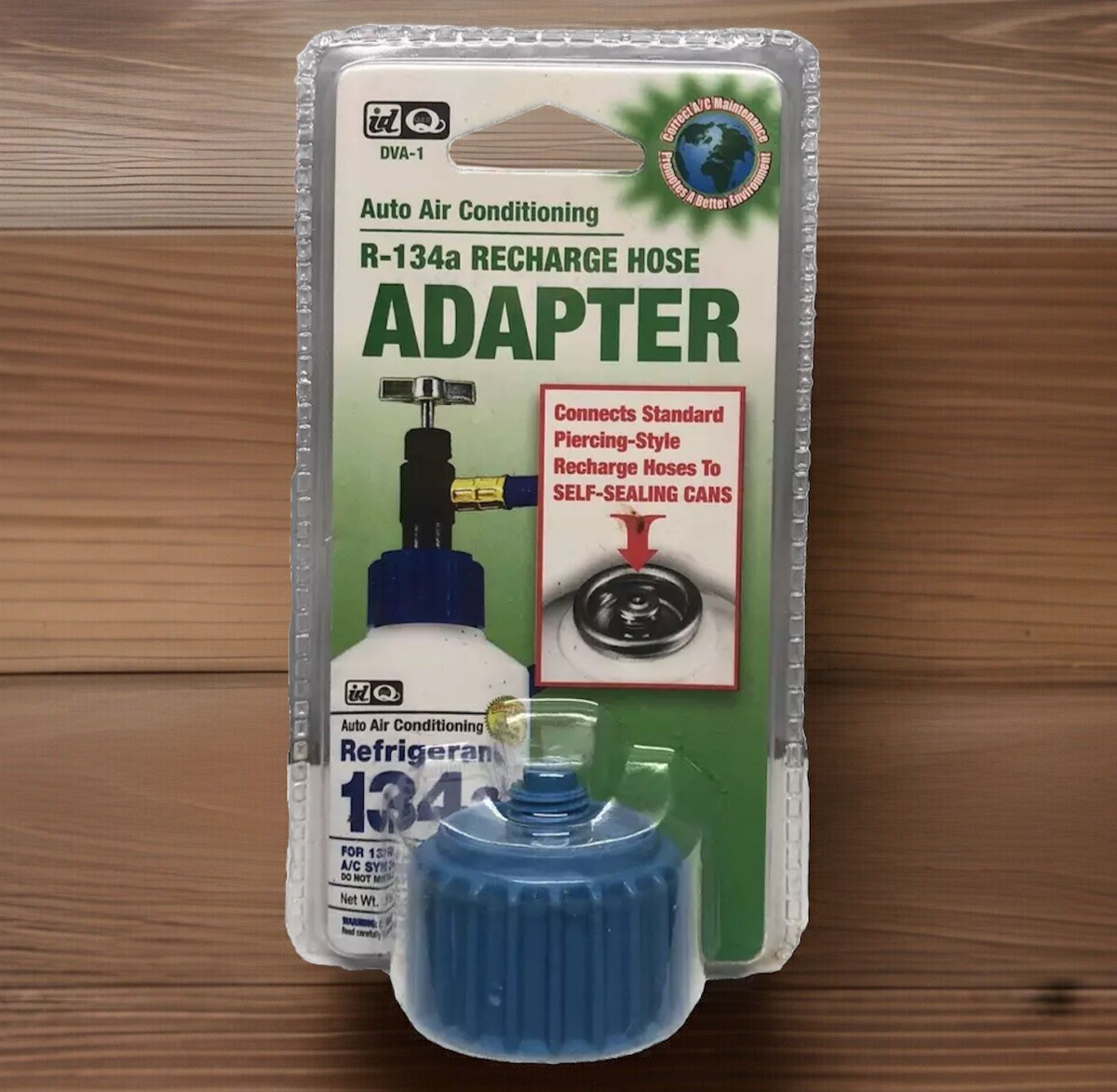
A recharge kitusually contains:
- Refrigerant can
- Pressure gauge
- Hose with connector
- Instructions manual
Wear safety gearsuch as glovesand safety glasses. Refrigerant can cause frostbiteor eye injury. Work in a well-ventilated areato avoid inhaling fumes.
Preparing Your Car For Recharge
Choose a shaded areato park your car. This keeps the temperature low and helps the recharge process.
Make sure to turn off the enginebefore starting. This is safer and prevents any accidents.
Find the low-pressure portunder the hood. It is usually marked and smaller than the high-pressure port.
- Look for a plastic cap labeled “L” or “Low”
- The port is often near the firewall or compressor
- Use this port to connect the recharge kit
Step-by-step Recharge Process
Connect the recharge hose to the low-pressure port of your car’s AC system. Ensure the connection is tight to avoid leaks. The pressure gauge on the hose helps check the system’s current pressure.
Look at the pressure gauge to see if the refrigerant level is low. The gauge will show pressure in PSI. Use the car manual to know the correct pressure range for your vehicle.
Slowly open the valve on the refrigerant can. Add the refrigerant little by little to avoid overfilling. Stop adding if the pressure reaches the recommended level on the gauge.
Watch the temperature inside the car after adding refrigerant. The air should start feeling cooler within minutes. If the temperature does not drop, check for leaks or other AC issues.
Safety Tips During Recharge
Avoid overchargingthe air conditioner. Too much refrigerant can harm the system. It may cause leaks or damage the compressor. Always follow the recommended amount.
Protect your eyes and skinfrom refrigerants. Wear safety glasses and gloves. Refrigerants can cause burns or irritation. Avoid direct contact at all times.
Handle refrigerants carefully. Use proper tools and work in a well-ventilated area. Never inhale refrigerant gases. Store cans upright and away from heat.
Common Mistakes To Avoid
Using the wrong refrigerantcan damage the car’s AC system. Check the car manual for the correct type.
Ignoring leaks wastes refrigerant and reduces cooling power. Always inspect and fix leaks before recharging.
- Skipping pressure checkscan lead to overcharging or undercharging.
- Proper pressure ensures the AC works well and lasts longer.
- Use a pressure gauge to measure before and after recharge.
When To Seek Professional Help
Persistent cooling issuessuggest a deeper problem. Simple recharging may not fix this. It is best to see a professional. They can check for hidden leaks or worn parts.
Major leaks or damageto the system require expert tools and skills. DIY fixes might make the problem worse. Professionals use special equipment to find and repair leaks safely.
Complex system repairslike compressor or condenser replacement need trained hands. Air conditioning systems have many parts working together. Mistakes can lead to costly damage or safety risks.
- Persistent cooling problems need expert diagnosis.
- Big leaks or broken parts require professional repair.
- System parts like compressors need skilled handling.

Credit: www.youtube.com
Tips To Maintain Your Car Ac
Regular filter replacementkeeps air clean and fresh inside your car. Dirty filters block air flow and reduce cooling. Change the filter every few months or as your car manual suggests. This helps the AC work better and lasts longer.
Keep condenser cleanto avoid overheating. Dirt, leaves, and bugs can block the condenser. Use water and a soft brush to clean it gently. A clean condenser helps the AC cool the air faster and saves energy.
Run AC periodicallyeven in cold weather. This keeps the system lubricated and prevents seals from drying out. Running the AC once a week for about 10 minutes is enough. It helps avoid costly repairs and keeps the AC ready for hot days.

Credit: www.youtube.com
Frequently Asked Questions
How Often Should I Recharge My Car Ac?
Typically, you should recharge your car’s air conditioner every two to three years. This frequency ensures optimal performance and efficiency. However, if you notice reduced cooling or strange noises, it might require immediate attention. Regular maintenance can help prevent costly repairs.
What Are The Signs Of Low Ac Refrigerant?
Signs of low refrigerant include weak airflow and reduced cooling efficiency. You might also hear unusual noises from the AC system. A noticeable hissing sound can indicate leaks. Checking these signs early can prevent further damage and ensure your AC functions effectively.
Can I Recharge Car Ac Myself?
Yes, you can recharge your car AC yourself with a recharge kit. These kits are available at most auto parts stores. Follow the instructions carefully for safety and efficiency. DIY recharging saves money and ensures your car’s AC performs optimally.
What Tools Are Needed For Diy Ac Recharge?
To recharge your car AC, you’ll need a recharge kit and a pressure gauge. These tools help ensure the correct amount of refrigerant is added. Following the instructions carefully is crucial for a successful DIY recharge.
Conclusion
Recharging your car air conditioner saves time and money. It helps keep your car cool and comfortable. Follow the steps carefully for best results. Check for leaks before adding refrigerant. Always wear safety gear during the process. Regular maintenance extends your AC’s life.
Stay safe and take your time. Now, enjoy a cooler drive every day. Simple, effective, and worth the effort.