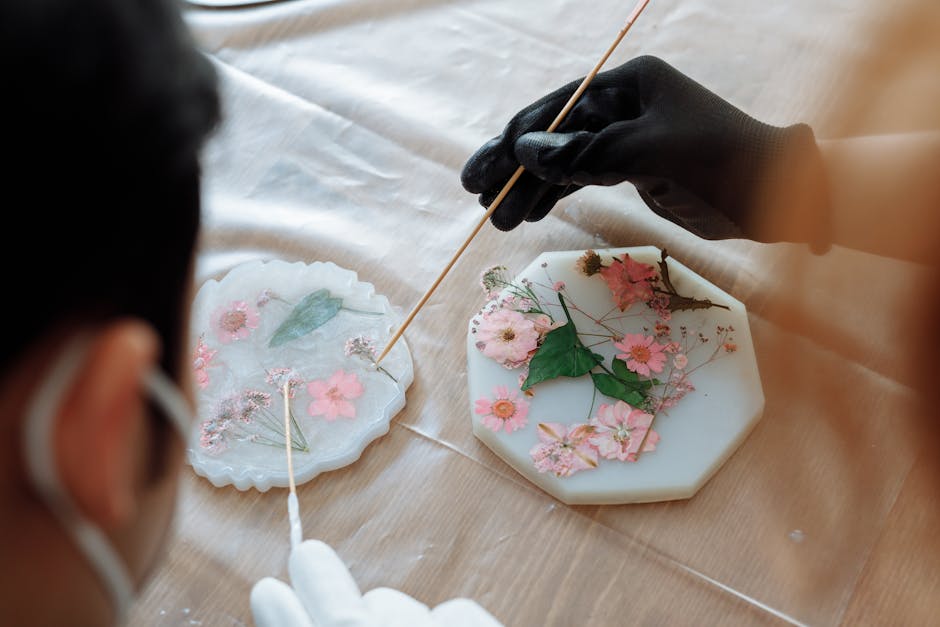
Are you looking to add a personal touch to your home or garden? Creating your own flower planters is a simple and rewarding way to brighten up any space.
Imagine turning everyday items into beautiful pots that showcase your favorite flowers. Not only will you save money, but you’ll also enjoy the pride that comes with making something unique with your own hands. Keep reading, and you’ll discover easy ideas and tips that anyone can follow to craft stunning flower planters that fit your style perfectly.
Your home deserves this fresh, colorful upgrade!
Choosing The Right Materials
Creating your own flower planters can be fun and rewarding. Choosing the right materials is important. It helps your plants grow well and look beautiful.
Different materials offer different benefits. Some are eco-friendly, some are budget-friendly. Let’s explore some options.
Recycled Containers
Recycled containers are great for DIY planters. They help reduce waste and save money. You can find them around your home.
Use items like old plastic bottles or tin cans. They are lightweight and easy to decorate. Make sure to clean them well first.
- Plastic bottles can be cut and painted
- Tin cans are sturdy and can be hung
- Glass jars add a rustic touch
Natural Elements
Natural elements can make lovely planters. They blend well with outdoor spaces. They are also biodegradable.
Consider using things like wood logs or coconut shells. They provide a natural look that many people love.
- Wood logs can be carved into shapes
- Coconut shells are durable and unique
- Bamboo is lightweight and eco-friendly
Upcycled Household Items
Upcycling household items is a creative way to make planters. It gives new life to old objects. This method is both fun and sustainable.
Look for unused items like teapots or shoes. They can be turned into unique planters with a little imagination.
- Old teapots add charm to gardens
- Worn-out shoes make quirky planters
- Broken furniture can be repurposed

Credit: www.flowerstalk.ca
Simple Planter Designs
Creating your own flower planters is fun and easy. Simple designs fit any space and style.
Using common materials lets you make planters quickly. These designs look great indoors or outside.
Mason Jar Planters
Mason jars are perfect for small plants and flowers. They are clear, so you can see the soil and roots.
You can hang them or place them on shelves. Add stones at the bottom for drainage to keep plants healthy.
- Use clean jars with lids removed
- Add small stones or pebbles for drainage
- Fill with potting soil and plant flowers or herbs
- Place in bright but indirect sunlight
Tin Can Pots
Tin cans make sturdy and reusable pots. You can paint or decorate them to add color and style.
Make holes in the bottom for water drainage. These pots work well for medium-size plants and flowers.
- Clean cans and remove sharp edges
- Drill holes at the bottom for drainage
- Decorate with paint or tape for a custom look
- Fill with soil and plant your favorite flowers
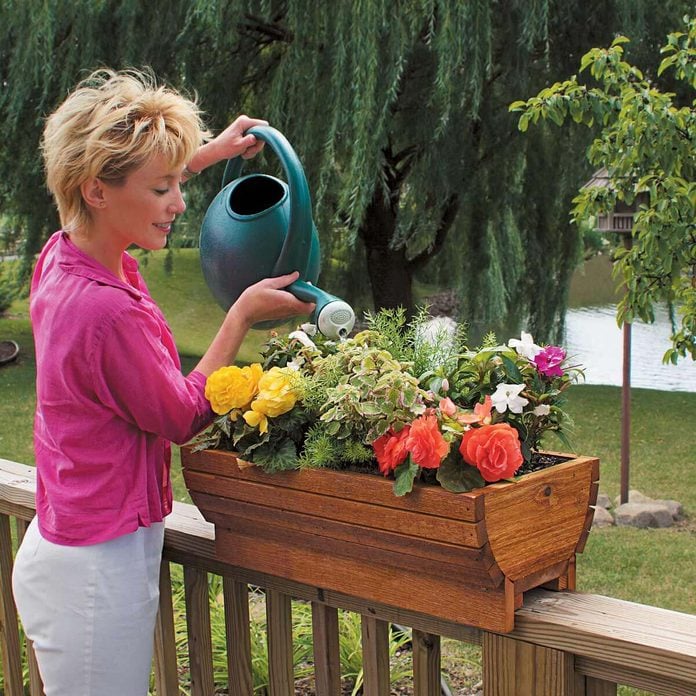
Wooden Box Planters
Wooden boxes are great for larger plants and multiple flowers. They add a natural, rustic feel to your space.
Line the box with plastic to protect the wood. Drill holes for drainage to keep plants healthy.
- Choose untreated wood to avoid chemicals
- Line inside with plastic to prevent rot
- Drill drainage holes at the bottom
- Fill with soil and plant flowers or herbs
Creative Painting Techniques
Painting flower planters is a fun way to add color to your garden. Creative techniques can make your planters unique and pretty.
Try different painting styles to match your home and garden decor. These ideas are simple and enjoyable for all skill levels.
Stenciling Patterns
Stenciling lets you add clear shapes or designs to your planters. Use ready-made or homemade stencils for easy painting.
Secure the stencil on the planter, then paint over it with a brush or sponge. Remove the stencil carefully to see the pattern.
- Choose simple shapes like flowers or leaves
- Use contrasting paint colors for better visibility
- Repeat patterns to cover larger areas
- Clean stencils after use for reuse
Ombre Effects
The ombre effect blends colors from light to dark. It gives your planters a smooth and stylish look.
Start with the lightest color at the top. Then add darker shades as you paint downwards. Use a sponge or brush to blend the colors.
- Pick two or three colors that blend well
- Work quickly to blend wet paint
- Practice on paper before painting the planter
- Let the paint dry completely between layers
Chalkboard Paint Ideas
Chalkboard paint lets you write on your planters with chalk. It adds a fun and changeable design element.
Paint a section or the whole planter with chalkboard paint. After it dries, use chalk to write messages or draw pictures.
- Write plant names or care instructions
- Draw seasonal or holiday designs
- Erase and change the art whenever you want
- Use a sealant to protect paint if needed
Unique Planter Shapes
DIY flower planters can add charm to any space. Choosing unique shapes makes your garden stand out.
Different planter shapes can fit small or large areas. They also bring style and personality to your plants.
Geometric Designs
Geometric planters have sharp edges and clear shapes. They look modern and work well indoors or outdoors.
You can make cubes, pyramids, or hexagons from wood or clay. These shapes create visual interest for your plants.
- Use wood pieces to form cubes or triangles
- Paint them with bright or pastel colors
- Combine different shapes for a unique display
Hanging Planters
Hanging planters save space and add height to your garden. They bring plants closer to eye level.
Use materials like macrame, metal, or recycled containers. Hang them from ceilings, walls, or tree branches.
- Make macrame holders with cotton cords
- Use old tins or jars as pots
- Hang planters in clusters for a bold look
Tiered Planter Stands
Tiered planter stands hold multiple pots on different levels. They save floor space and show many plants together.
Build stands with wood, metal, or repurposed ladders. Arrange pots by size or plant type on each tier.
- Use wooden crates stacked at angles
- Paint metal stands to match your decor
- Place taller plants on the bottom tiers
Incorporating Decorative Elements
Decorating your flower planters can make them stand out. Simple items can add charm and personality.
Using decorative elements also helps your planters match your home style. Small touches create a big impact.
Using Pebbles And Stones
Pebbles and stones add a natural feel to your flower planter. They also help keep soil moist and prevent weeds.
- Choose smooth pebbles for a clean look
- Use colorful stones to add contrast
- Arrange stones around the base of plants
- Mix different sizes for texture
- Seal stones with waterproof glue for durability
Adding Twine And Fabric
Twine and fabric bring warmth and softness to your planters. They are easy to wrap or tie around pots.
| Material | Effect | Tip |
| Jute Twine | Rustic and natural | Wrap twice for strength |
| Burlap Fabric | Cozy and earthy | Use hot glue to fix edges |
| Colored Ribbon | Bright and cheerful | Choose weather-resistant types |
Attaching Small Ornaments
Small ornaments add character and fun to your flower planters. Pick items that fit your theme.
Popular Ornaments to Attach:
- Miniature figurines
- Seashells
- Metal charms
- Wooden shapes
- Beads and buttons
Use glue or wire to secure ornaments. Place them where they won’t fall off easily.
Credit: www.familyhandyman.com
Plant Selection Tips
Choosing the right plants for your DIY flower planters can make your garden look great. Good plant choices also make care easier and keep your plants healthy.
This guide helps you pick plants that fit your style and planter size. It also shows how to select plants that grow well in your area.
Choosing Low-maintenance Plants
Low-maintenance plants save time and effort. They need less water and care, which is perfect for busy gardeners.
Pick plants that can grow in your local climate and need little trimming. Succulents, spider plants, and snake plants are good choices.
- Succulents store water and need little watering
- Spider plants tolerate low light and dry spells
- Snake plants survive in many light conditions
- Herbs like rosemary and thyme need simple care
Selecting Seasonal Flowers
Seasonal flowers bloom best at certain times of the year. Choosing them helps your planters stay colorful all year.
Pick flowers that match the current season. Spring flowers like tulips and daffodils grow well in spring. Summer flowers include marigolds and petunias.
- Spring: tulips, daffodils, pansies
- Summer: marigolds, petunias, zinnias
- Fall: mums, asters, ornamental kale
- Winter: cyclamen, hellebores, pansies
Matching Plants To Planter Size
The size of your planter affects which plants you can grow. Small planters fit smaller plants or one medium plant.
Large planters can hold many plants or bigger ones with deep roots. Always check the space your plants need before planting.
| Planter Size | Suitable Plants |
|---|---|
| Small (under 8 inches) | Succulents, small herbs, single flowers |
| Medium (8-14 inches) | Petunias, marigolds, spider plants |
| Large (over 14 inches) | Tomatoes, peppers, mixed flower arrangements |
Placement Ideas For Every Space
DIY flower planters add life and color to any area. Choosing the right place helps plants grow well.
Different spaces need different planter styles. Use these ideas to fit planters perfectly.
Balcony And Patio Options
Balconies and patios offer fresh air and sunlight. Choose sturdy planters that can handle wind and rain.
Use hanging planters to save floor space. Place large pots in corners for balance and style.
- Hang planters from railings or ceilings
- Place tall pots in empty corners
- Use tiered stands for small spaces
- Choose weather-resistant materials
Indoor Windowsill Displays
Windowsills bring sunlight to plants inside. Small planters fit well and brighten rooms.
Mix plant types for variety and color. Use matching pots for a neat look.
- Use small pots for herbs and flowers
- Arrange plants by height for balance
- Choose light pots to avoid window damage
- Keep planters easy to move for watering
Office Desk Arrangements
Flower planters brighten office desks and improve mood. Pick compact planters that fit small spaces.
Choose low-maintenance plants for busy days. Place planters where they get some natural light.
- Use small, sturdy pots to save space
- Choose plants like succulents or cacti
- Avoid large planters that block work areas
- Water plants regularly but not too much
Credit: www.familyhandyman.com
Maintaining Your Diy Planters
Keeping your DIY flower planters healthy takes some care. Simple steps help your plants grow strong and beautiful.
Regular maintenance protects your plants from problems and keeps your planters looking great all year.
Watering And Drainage Tips
Water your plants carefully to avoid too much or too little water. Check the soil before watering.
Good drainage stops water from staying at the bottom and causing root rot. Make sure your planters have holes.
- Water early in the morning or late in the evening
- Use pots with drainage holes
- Place small stones at the bottom for better water flow
- Let the soil dry slightly between watering
Soil Care And Fertilizing
Good soil is key for healthy plants. Use fresh soil that drains well and has nutrients.
Feed your plants with fertilizer to help them grow. Use the right type and follow package directions.
- Use potting mix made for flowers
- Add compost to improve soil quality
- Fertilize every 4 to 6 weeks during growing season
- Do not over-fertilize, it can harm plants
Preventing Pests And Diseases
Watch your plants for bugs and signs of disease. Early action keeps problems small.
Keep your planters clean and remove dead leaves. Healthy plants resist pests better.
- Check leaves and stems for insects regularly
- Use natural pest control like neem oil if needed
- Avoid overcrowding plants to improve air flow
- Remove infected plants or parts to stop spread
Frequently Asked Questions
What Materials Are Best For Diy Flower Planters?
The best materials for DIY flower planters include wood, terracotta, plastic, and recycled containers. These materials are durable, affordable, and easy to work with. Choose based on your plant type, location, and style preference for optimal results.
How Do I Make A Flower Planter Waterproof?
To waterproof a flower planter, apply a sealant or waterproof paint inside and outside the container. This prevents water damage and prolongs planter life. Ensure proper drainage holes to avoid waterlogging and root rot.
Can I Use Recycled Items As Flower Planters?
Yes, recycled items like old buckets, tins, and wooden crates make excellent flower planters. They add charm, reduce waste, and save money. Just clean them thoroughly and ensure proper drainage before planting.
How Often Should Diy Flower Planters Be Watered?
Water DIY flower planters when the top inch of soil feels dry. Frequency varies by plant type, weather, and planter material. Check moisture regularly to avoid overwatering or underwatering your flowers.
Conclusion
Creating your own flower planters brings joy and beauty to any space. It saves money and lets you show your style. You can use simple materials found at home. Each planter becomes a unique piece that reflects your taste. Gardening feels more personal and fun with DIY projects.
Try different shapes and colors to brighten your garden or room. Enjoy the process and watch your plants grow happily. Small efforts lead to big smiles. Start today and see how easy and rewarding it can be.