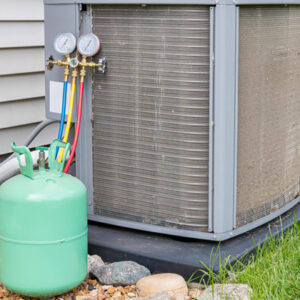
Is your home air conditioner not cooling like it used to? You might be low on refrigerant, and recharging it could bring back that refreshing chill.
But before you call a technician, what if you could do it yourself? Imagine saving money and gaining the satisfaction of fixing your AC on your own. In this guide, you’ll discover simple steps to safely recharge your home air conditioner.
Keep reading, and you’ll learn how to bring cool comfort back into your space without breaking the bank.
Credit: www.youtube.com
Benefits Of Recharging Your Own Ac
Recharging your own home air conditionersaves money on repair costs. It helps maintain the AC’s cooling efficiencyand extends its life. Doing it yourself gives a better understanding of your AC system.
It also allows quick fixing without waiting for a technician. DIY recharge can be done anytimeas needed. You control the quality of refrigerant used for your unit.
- Cost-effective:Save on professional service fees.
- Convenient:Recharge at your own schedule.
- Knowledge:Learn how your AC works.
- Efficiency:Improve cooling performance.
- Maintenance:Keep your system running longer.
Understanding The Ac System
An air conditioning system has key componentsthat work together to cool your home. These include the compressor, condenser, evaporator, and refrigerant lines. The compressor pumps refrigerant through the system. The condenser cools the hot refrigerant gas into a liquid. The evaporator absorbs heat from the air inside your home.
The refrigerantis a special chemical that moves heat. It changes from a liquid to a gas and back. This change helps take heat out of the air. As the refrigerant evaporates in the evaporator coil, it pulls heat from the indoor air. Then, as it condenses in the condenser coil, it releases heat outside.
Tools And Materials Required
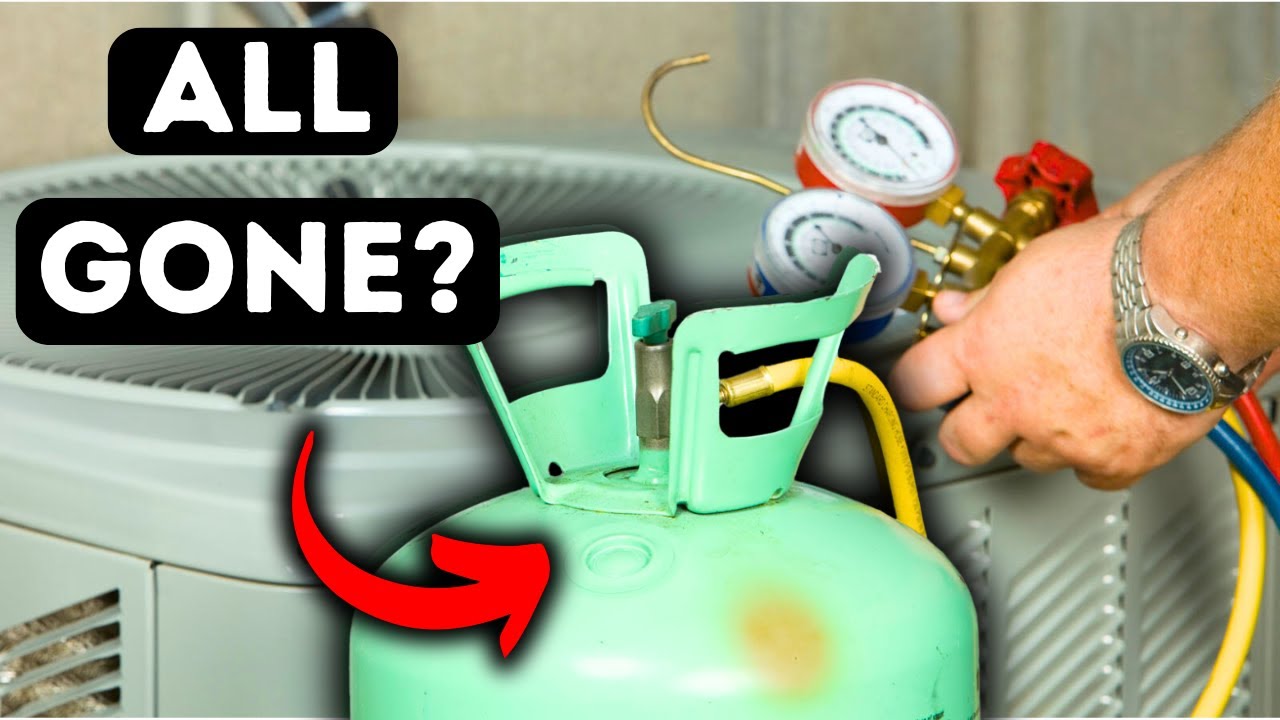
Essential toolshelp recharge a home air conditioner safely and correctly. You will need a manifold gauge setto check pressure levels. A refrigerant hoseconnects the gauge to the AC unit. Use a refrigerant can tap valveto release refrigerant smoothly. A leak detectorhelps find any holes before recharging. Safety gear like glovesand gogglesprotect your hands and eyes.
Choosing the right refrigerantis very important. Check the AC unit’s label for the correct type, usually R-22or R-410A. Using the wrong refrigerant can damage the system. Always buy from a reliable source. The amount of refrigerant needed depends on the unit size.
Safety Precautions
Refrigerantscan be harmful to skin and eyes. Always wear protective glovesand goggles. Work in a well-ventilatedarea to avoid breathing fumes. Do not inhale refrigerant gases; they can cause serious health problems. Keep refrigerant containers upright and sealedwhen not in use. Avoid direct contact with the refrigerant as it may cause frostbite. Store refrigerants away from heat or flames. Use tools designed for handling refrigerants to prevent leaks or spills.
Refrigerants can harm the environmentif released. Avoid letting gas escape into the air. Collect and store any leftover refrigerant properly. Dispose of empty containers at authorized recycling centers. Follow local laws for refrigerant handling and disposal. Protect the ozone layerand reduce global warming risks. Use eco-friendly refrigerants when possible. Small leaks add up to big environmental damage.
Step-by-step Recharge Process
Ensure the air conditioner is off before starting. Wear gloves and safety glasses for protection. Clear the area around the AC for easy access. Check the system for any visible damage or leaks.
Find the low-pressure porton the AC unit. It is usually smaller than the high-pressure port. The port often has a plastic cap marked with an “L.” This is where you will connect the recharge kit.
- Remove the cap from the low-pressure port.
- Attach the recharge hose securely.
- Make sure the connection is tight to avoid leaks.
Shake the refrigerant can well before use. Hold the can upright and open the valve slowly. Let the refrigerant flow into the system in short bursts. Watch the pressure gauge to avoid overfilling. Stop filling when the recommended pressure is reached.
Credit: m.youtube.com
Troubleshooting Common Issues
Leaks are a common cause of air conditioner problems. Check all hoses and connections for wet spots or oily residue. A soapy water solution can help find small leaks by creating bubbles at leak points. Listen for hissing sounds near the refrigerant lines. If a leak is found, it needs repair before recharging. Recharging without fixing leaks wastes refrigerant and can damage the system.
Performance problems often come from low refrigerant levels. The air may not feel cold or airflow might be weak. Dirty filters and blocked vents also reduce cooling. Clean or replace filters regularly. Check that all vents are open and clear. If the unit still cools poorly, the refrigerant level might be too low or there could be a mechanical issue.
Maintaining Your Ac System
Regularly check your air conditioner’s filters. Dirty filters reduce airflow and cooling. Clean or replace them every month or two during heavy use. Look for any strange noises or leaks around the unit. These can signal problems early. Keep the outside unit free of leaves, dirt, and debris. Clear space around the unit helps it work well.
- Check filters monthly
- Listen for unusual sounds
- Inspect for leaks
- Clear debris around the outdoor unit
- Ensure vents are not blocked
Call a professional if the AC is not cooling well after recharge. Strange smells, frequent cycling, or water leaks are signs to get help. A licensed technician can safely handle refrigerant issues and major repairs. Avoid DIY fixes beyond simple cleaning to keep your system safe.

Credit: www.youtube.com
Cost Comparison: Diy Vs Professional Service
DIY air conditioner rechargeusually costs less upfront. Buying refrigerant and tools is cheaper than a service call. But mistakes can cause leaks or damage, raising future costs.
Professional service charges for labor and parts. This is higher but ensures safety and proper recharge. Professionals find leaks and fix them, which saves money long-term.
| Cost Aspect | DIY | Professional Service |
|---|---|---|
| Initial Cost | Low (tools + refrigerant) | High (labor + parts) |
| Risk of Damage | Higher | Lower |
| Long-term Savings | Uncertain | More Reliable |
Long-term benefits favor professional service. Proper recharge means better cooling and less wear. Avoids costly repairs from incorrect handling. Saves energy, lowering bills over time.
Frequently Asked Questions
How Do I Know If My Ac Needs Recharging?
If your AC blows warm air or struggles to cool, it may need a recharge. Check for ice buildup or leaks. Low refrigerant affects cooling efficiency and indicates a recharge is necessary.
Can I Recharge My Home Ac Myself Safely?
Yes, you can recharge your AC yourself with proper tools and safety precautions. Always wear gloves and goggles. Follow manufacturer instructions carefully to avoid damage or injury.
What Tools Are Required For Diy Ac Recharge?
You need a refrigerant recharge kit, pressure gauge, safety gloves, and goggles. A leak detector helps identify leaks before recharging. Having the right tools ensures a safe, effective recharge.
How Much Refrigerant Should I Add To My Ac?
Add refrigerant according to your AC manufacturer’s specifications. Overcharging can damage the system. Use the pressure gauge to monitor levels for an accurate refill.
Conclusion
Recharging your home air conditioner can save money and time. Follow safety steps carefully to avoid damage or injury. Using the right tools helps the job go smoothly. Check for leaks before and after recharging the system. Keep your air conditioner clean to improve performance.
Regular maintenance keeps it working longer and cools better. Taking these simple steps makes your home comfortable all summer. Give your air conditioner the care it needs for cool air.