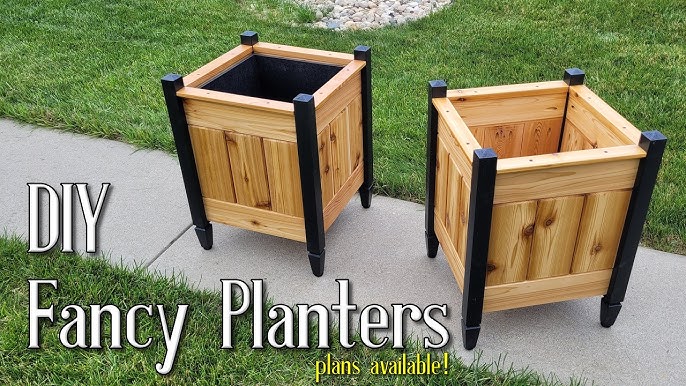
Are you looking to add a personal touch to your home or garden? Do It Yourself Planters are the perfect way to express your creativity while bringing life to your space.
Imagine turning simple materials into beautiful containers that showcase your favorite plants—without spending a fortune. You’ll discover easy and fun ideas that anyone can try, even if you’ve never crafted anything before. Keep reading, and you’ll soon have planters that not only look amazing but also make you proud every time you see them.

Credit: www.oliveandjunehome.com
Choosing Materials
Picking the right materials is key for DIY planters. The material affects how your plants grow and how long the planter lasts.
Think about what is easy to find, safe for plants, and fits your space. This guide helps you choose materials that work well.
Repurposed Containers
Using old containers saves money and reduces waste. Many household items can become planters with a little cleaning and drilling for drainage.
- Old buckets or tubs
- Used wooden crates
- Empty cans or jars
- Broken pots or pans
Natural Elements
Natural materials look great and are good for plants. They also blend well with garden spaces and outdoor areas.
| Material | Benefits | Considerations |
| Wood | Strong and natural | Needs sealing to last |
| Stone | Durable and heavy | Hard to move |
| Clay | Breathable for roots | Can crack in cold |
| Bamboo | Light and eco-friendly | May need treatment |
Affordable Supplies
You do not need expensive items. Many low-cost supplies work well for making planters.
Here are some affordable options to consider:
- Plastic containers from stores
- Old tires with lining
- Cardboard boxes with waterproof coating
- Concrete blocks or bricks
Design Styles
Do it yourself planters can fit many design styles. Each style gives a different look and feel to your space.
Choosing a design style helps you create planters that match your home or garden. Here are three popular styles to try.
Modern Minimalist
Modern minimalist planters have clean lines and simple shapes. They use neutral colors like white, black, or gray.
These planters focus on function and form. They avoid extra decorations and keep things neat and tidy.
- Use smooth materials like concrete or metal
- Stick to one color or two at most
- Choose geometric shapes like squares or cylinders
- Keep surfaces clean and free of patterns
Rustic Charm
Rustic charm planters use natural and worn materials. They create a cozy and warm feeling.
Wood, clay, and stone are common materials. The look is often rough or handmade, showing natural beauty.
- Use reclaimed wood or rough clay pots
- Let natural textures show
- Add simple decorations like twine or rope
- Choose earth tones like brown, beige, or green
Bohemian Vibes
Bohemian planters are colorful and eclectic. They mix different patterns, colors, and materials.
This style feels free and artistic. It often includes handmade details and bright accents.
- Use bright paint colors and bold patterns
- Mix materials like fabric, clay, and metal
- Add tassels, beads, or hand-painted designs
- Choose unique shapes and sizes for variety
Creative Techniques
Creating your own planters at home can be fun. You can use simple techniques to make them unique. Let’s explore different ways to decorate your planters.
With a bit of creativity, you can transform ordinary materials into beautiful planters. Here are some techniques to try.
Painting And Decorating
Paint can change the look of any planter. Use bright colors for a cheerful feel. You can also add patterns with stencils.
- Choose colors that match your garden.
- Use waterproof paint for outdoor planters.
- Add designs with stencils for a personal touch.
Macrame And Hanging Planters
Macrame is a technique using knots to make decorative holders. It’s perfect for hanging planters. You can hang them in your home or garden.
Here is a simple macrame knot:
- Cut several equal lengths of rope.
- Fold them in half and create a loop.
- Pull the ends through the loop to secure.
Stacked And Tiered Designs
Stacked planters create height in your garden. Tiered designs use shelves or steps. Both are great for small spaces.
| Design Type | Materials Needed |
| Stacked | Pots, Soil, Plants |
| Tiered | Wood, Nails, Paint |
Plant Selection Tips
Choosing the right plants makes your DIY planters look great. Picking plants that fit your space and care ability helps them grow well.
Learn about plants that do well indoors, need little care, and change with the seasons. This guide helps you pick the best plants for your planters.
Indoor-friendly Plants
Indoor plants need less light and can live inside your home. They clean the air and add green beauty to your space.
- Spider Plant: Easy to grow and purifies air.
- Snake Plant: Survives low light and little water.
- Peace Lily: Grows well in shade and blooms indoors.
- Pothos: Fast-growing vine, good for shelves.
- Philodendron: Requires little care and bright indirect light.
Low-maintenance Options
Choose plants that need little water and care if you are busy. These plants survive with minimal attention.
| Plant | Water Needs | Light Needs |
| Aloe Vera | Low | Bright indirect |
| ZZ Plant | Low | Low to bright indirect |
| Cactus | Very low | Bright direct |
| Jade Plant | Low | Bright indirect |
| Succulents | Low | Bright light |
Seasonal Choices
Some plants look best in certain seasons. Choose plants that thrive in your climate and season.
- Spring: Tulips, Daffodils, Hyacinths
- Summer: Geraniums, Marigolds, Petunias
- Fall: Chrysanthemums, Asters, Ornamental Kale
- Winter: Poinsettias, Cyclamen, Amaryllis
Placement Ideas
Do it yourself planters add life to any space. Choosing the right spot helps plants grow well.
Consider light, space, and style when placing your planters. This guide shares easy ideas.
Balcony Gardens
Balconies give small outdoor areas a green touch. Place planters where they get enough sunlight.
- Hang planters from the railing to save floor space
- Use tiered plant stands to display many plants
- Place large pots in corners to frame the area
- Choose weather-resistant pots for safety
Window Sills
Window sills offer a bright spot for small planters. They brighten the room and save space.
| Type of Plant | Light Needs | Pot Size |
| Succulents | Bright light | Small |
| Herbs | Medium light | Medium |
| Ferns | Low light | Small to medium |
Living Room Accents
Planters add color and life to your living room. Choose spots that fit your décor style.
- On side tables for a cozy feel
- Near windows for natural light
- On shelves with other decor items
- In corners to fill empty spaces
- Ceramic pots for a classic look
- Woven baskets for a rustic touch
- Glass containers for modern style

Credit: www.hgtv.com
Maintenance Hacks
Keeping your DIY planters healthy takes regular care. Simple maintenance helps plants grow strong. Use easy techniques to save time and effort.
Watering, soil care, and pest control are key tasks. Follow these tips to keep your planters thriving all year round.
Watering Techniques
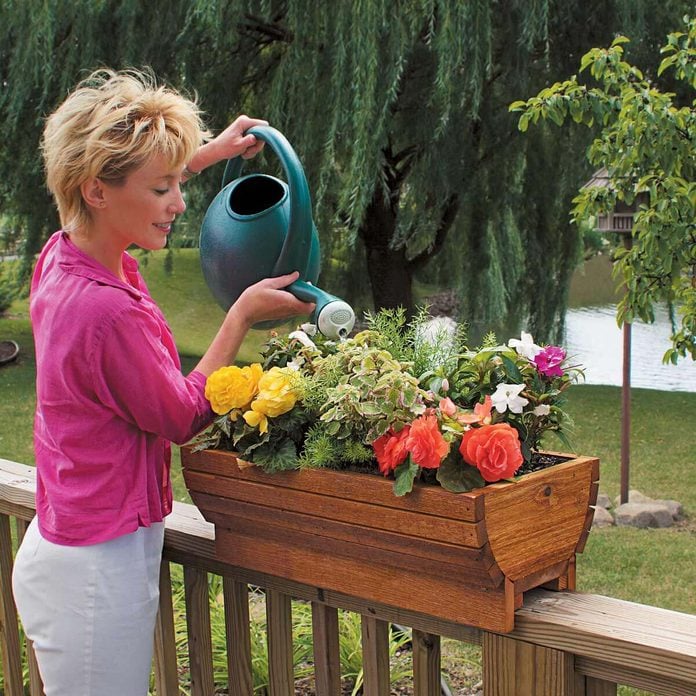
Water plants early in the morning or late in the evening. This helps reduce water loss from evaporation. Check soil moisture before watering to avoid overwatering.
- Use a watering can with a narrow spout for precise watering.
- Water deeply to encourage strong roots.
- Place saucers under planters to catch excess water.
- Avoid wetting leaves to prevent fungal diseases.
Soil And Fertilizer Tips
Good soil and proper feeding keep plants healthy. Use well-draining soil to prevent root rot. Add organic matter to improve soil texture and nutrients.
| Soil Type | Best Use | Notes |
| Loamy | Most plants | Balanced drainage and nutrients |
| Sandy | Succulents | Drains quickly, add compost |
| Clay | Moisture-loving plants | Heavy, improve with sand |
Feed plants with balanced fertilizer monthly during growing seasons. Use slow-release or liquid fertilizers for best results.
Pest Prevention
Keep pests away to protect your plants. Regularly inspect leaves and stems for bugs or damage. Remove pests by hand when possible.
- Use natural sprays like neem oil or soapy water.
- Encourage beneficial insects like ladybugs.
- Keep planters clean and remove dead leaves.
- Avoid overwatering to prevent pests that like moist conditions.
Credit: www.familyhandyman.com
Frequently Asked Questions
What Materials Are Best For Diy Planters?
Wood, clay, plastic, and metal are popular materials for DIY planters. Choose based on durability, style, and plant needs. Wood offers a natural look, clay breathes well, plastic is lightweight, and metal is sturdy but can heat up quickly.
How Do I Make A Planter With Recycled Materials?
Use items like old containers, cans, or pallets. Clean them, add drainage holes, and fill with soil. Recycled planters save money and reduce waste while adding a unique touch to your garden.
What Plants Grow Well In Diy Planters?
Succulents, herbs, and small flowers thrive in DIY planters. They need minimal soil and water, fitting well in various container sizes. Choose plants based on your climate and planter type for best results.
How To Ensure Proper Drainage In Homemade Planters?
Drill or punch holes at the bottom of the planter. Add a layer of gravel or small stones before soil. Proper drainage prevents waterlogging and root rot, keeping plants healthy and thriving.
Conclusion
Creating your own planters brings joy and saves money. You can use simple materials found at home. Personal touches make each planter special and unique. It’s a fun way to grow plants indoors or outside. Small projects like this boost creativity and relaxation.
Start with easy designs and try new ideas later. Enjoy watching your plants thrive in your handmade planters. Simple steps lead to beautiful results. Give it a try and see the difference!