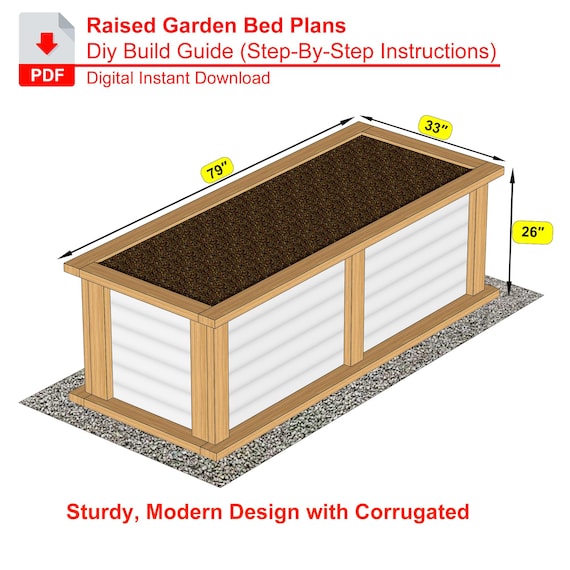
Are you ready to transform your garden with a simple, DIY project that anyone can handle? Building your own raised garden bed is easier than you think, and having clear, step-by-step plans in PDF format will make the process even smoother.
Imagine growing fresh veggies and flowers right at your doorstep, using a garden bed you built yourself. This guide will give you everything you need to start – from materials to measurements – so you can create the perfect raised garden bed with confidence.
Keep reading, and soon you’ll be enjoying a thriving garden made by your own hands.
Benefits Of Raised Garden Beds
Raised garden beds offer many advantages for gardeners. They improve plant growth and make gardening easier.
These garden beds help create a better environment for plants. Let’s explore the benefits they bring to your garden.
Improved Soil Drainage
Raised garden beds provide excellent soil drainage. Water flows easily, preventing root rot and waterlogging.
Enhanced Soil Quality
With raised beds, you control the soil quality. This allows you to add nutrients and compost as needed.
- Use rich, organic compost for better growth
- Mix in sand to improve soil structure
- Add peat moss to retain moisture
Pest And Weed Control
Raised beds help reduce pest and weed problems. The height makes it harder for pests to reach plants.
Extended Growing Season
Raised beds warm up faster in spring. This allows for an early start to the planting season.
| Benefit | Effect |
| Early planting | Start growing sooner |
| Frost protection | Extend fall harvest |
| Better heat | Boost plant growth |
Choosing The Right Location
Picking the right spot is key for building your raised garden bed. The location affects how well your plants grow. It also helps you care for your garden easily.
Consider sunlight, space, and soil quality. These factors will decide if your garden thrives or struggles.
Sunlight Requirements
Most vegetables need at least six hours of direct sunlight daily. Too little sun means weak plants and low yields. Too much sun can dry out the soil quickly.
- Choose a spot with morning sun and some afternoon shade if possible.
- Avoid places shaded by trees or buildings.
- Check sunlight patterns during different seasons.
Accessibility And Space
Your raised bed should be easy to reach from your house or shed. This makes watering and harvesting simpler. Leave enough room around the bed to move and work comfortably.
| Factor | Recommendation |
| Distance from house | Within 50 feet |
| Path width | At least 24 inches |
| Bed size | 4 feet by 8 feet or smaller |
| Clearance around bed | Minimum 18 inches |
Soil Conditions
Good soil helps plants get nutrients and water. Raised beds let you control soil quality better than garden ground. Avoid places with poor drainage or compacted soil.
Check your soil by doing these tests:
- Dig a small hole about 12 inches deep.
- Fill it with water and see how fast it drains.
- Take a handful of soil and squeeze it. It should crumble easily.
- Look for rocks, roots, or debris in the soil.
Materials Needed
Building a raised garden bed needs the right materials. Good materials make your bed last longer and work better.
This guide covers wood options, fasteners, tools, soil, and compost. These are the main parts for your project.
Wood Options
Wood is the main material for raised beds. Choose wood that resists rot and stays strong outside.
Common types include cedar, pine, and redwood. Cedar lasts long and resists bugs. Pine is cheaper but may need treatment. Redwood is good but costs more.
- Cedar: durable and natural rot resistance
- Pine: affordable, treat to prevent decay
- Redwood: strong and long-lasting, higher price
- Reclaimed wood: eco-friendly but check condition
Fasteners And Tools
Use the right fasteners to hold the wood parts together. Galvanized screws or nails stop rusting and keep the bed stable.
Basic tools help build the bed. You will need a drill, screwdriver, saw, measuring tape, and a level for straight lines.
- Galvanized or stainless steel screws
- Hammer or cordless drill
- Measuring tape
- Handsaw or power saw
- Carpenter’s square or level
- Protective gloves and safety glasses
Soil And Compost
Good soil and compost make plants grow healthy. Use a mix that drains well and holds nutrients.
Start with garden soil or topsoil. Add compost to improve fertility. You can also add peat moss or coconut coir for moisture retention.
- Garden soil or quality topsoil
- Organic compost for nutrients
- Peat moss or coconut coir to hold water
- Optional: perlite or vermiculite for drainage
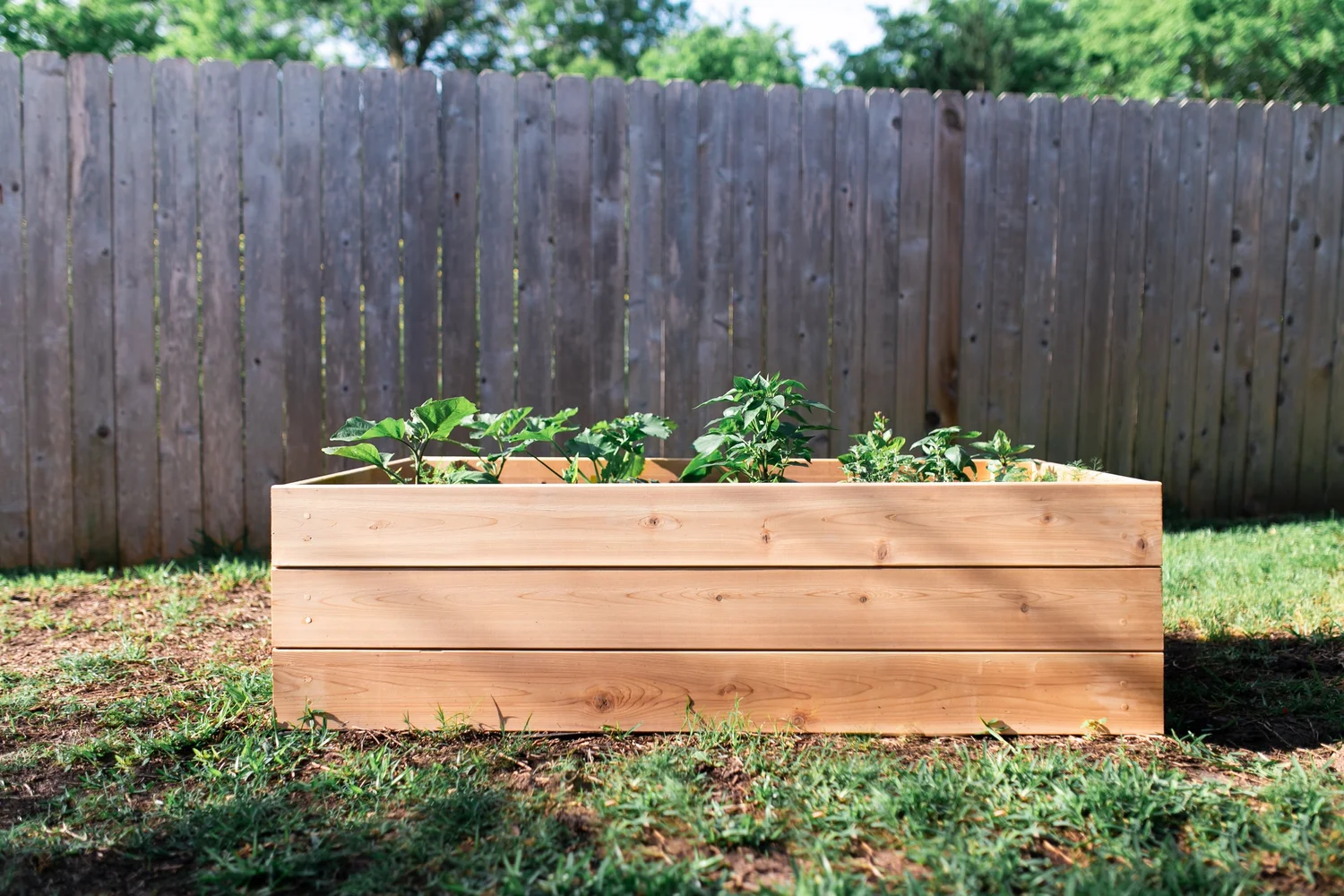
Credit: www.makergray.com
Designing Your Raised Bed
Building a raised garden bed helps you grow plants more easily. You can control soil quality and protect plants from pests.
Good design makes your garden bed strong and productive. Focus on size, shape, and drainage to start right.
Sizing And Dimensions
Choose a width that lets you reach the middle without stepping inside. Four feet wide is common. Length can vary based on space.
- Width: 3 to 4 feet for easy access
- Length: 6 to 12 feet or fit to your space
- Height: 8 to 12 inches for shallow roots, 12 to 24 inches for deeper plants
Shape And Layout Ideas
Raised beds can be rectangular, square, or curved. Pick a shape that fits your yard and style.
| Shape | Best For |
| Rectangle | Maximizes planting area |
| Square | Small spaces and easy to build |
| Curved | Garden style and paths |
| L-shaped | Corner spaces and multiple plant types |
Drainage Considerations
Good drainage keeps roots healthy and stops water logging. Make sure water can flow out easily.
- Build raised beds at least 8 inches high
- Use loose, well-draining soil mix
- Add gravel or small stones at the bottom for extra drainage
- Place beds on level ground or slight slope
Step-by-step Construction Guide
Building your own raised garden bed is a fun and rewarding project. This guide will help you create a sturdy bed for growing plants.
Follow these clear steps to prepare, build, and fill your garden bed with ease.
Preparing The Site
Choose a flat spot that gets at least six hours of sunlight daily. Clear the area of grass, rocks, and debris. Mark the outline of your raised bed with stakes and string.
- Remove grass and weeds from the marked area
- Loosen the soil using a garden fork or tiller
- Check the ground is level using a carpenter’s level
Cutting And Assembling Wood
Use untreated cedar or pine boards for durability. Cut the wood to the size you want for your bed. Sand rough edges to prevent splinters.
| Part | Length (feet) | Quantity |
| Side Boards | 8 | 2 |
| End Boards | 4 | 2 |
| Corner Posts | 2 | 4 |
Securing The Frame
Attach the boards using galvanized screws to prevent rust. Secure corner posts first, then fasten side and end boards to the posts. Check corners with a square tool.
- Place corner posts at each corner
- Screw side boards to the posts
- Fasten end boards to the posts
- Make sure the frame is square and sturdy
Filling With Soil Mix
Fill the bed with a rich soil mix that drains well. Use equal parts garden soil, compost, and peat moss or coconut coir. Level the soil surface.
- 1 part garden soil
- 1 part compost
- 1 part peat moss or coconut coir

Credit: myoutdoorplans.com
Maintenance Tips
Keeping your raised garden bed healthy takes regular care. Simple steps help plants grow strong.
Good maintenance saves time and effort later. Learn easy ways to care for your garden bed.
Watering And Fertilizing
Water your garden bed deeply but not too often. This helps roots grow well.
Use natural fertilizers to feed your plants. Avoid chemical products that can harm soil life.
- Water early in the morning or late afternoon
- Check soil moisture before watering again
- Add compost or organic fertilizer every 4-6 weeks
- Mix fertilizer into the soil for better absorption
Preventing Pests
Keep pests away by making your garden less inviting to bugs. Use natural methods to protect plants.
Inspect plants often to catch problems early. Remove damaged leaves or pests by hand.
- Plant herbs like basil or mint near vegetables
- Use row covers to block insects
- Encourage helpful insects like ladybugs
- Keep the garden clean and free of debris
Seasonal Care
Prepare your raised bed for each season to protect plants and soil. Adjust care based on weather.
In colder months, cover beds to prevent frost damage. In hot seasons, shade plants if needed.
- Mulch beds to keep soil moist and warm
- Remove old plants and weeds before new planting
- Test soil and add nutrients before planting season
- Water more often during dry, hot weather
Accessing And Using Pdf Plans
Building a raised garden bed is easier with clear plans. PDF plans give you detailed drawings and instructions. You can download these plans and use them anytime on your devices.
This guide helps you find free PDF plans, read them well, and change the plans to fit your garden.
Where To Find Free Plans
You can find free raised garden bed plans in many places online. Look for trusted websites and forums that share DIY gardening tips. Some local libraries and community centers also offer free printables.
- Gardening websites with free downloads
- DIY and home improvement blogs
- Public library digital collections
- Community gardening groups and forums
- Educational websites and university extension pages
How To Read And Use Pdfs
PDF plans often include diagrams, measurements, and materials lists. To use them well, open the file with a PDF reader on your computer or phone. Zoom in to see details clearly.
| Feature | How to Use |
| Diagrams | Look closely to understand shapes and cuts |
| Measurements | Use a tape measure to match sizes |
| Materials List | Check what wood and tools you need |
| Step-by-Step Instructions | Follow each step in order for best results |
Customizing Plans For Your Needs
You can change PDF plans to fit your space and style. Adjust the size, materials, or design features. Make sure changes keep the bed strong and stable.
- Change length and width to match your garden space
- Pick different wood types for durability or price
- Add extra features like shelves or trellises
- Use your tools and skills to simplify the build
- Consult a professional if you change structural parts
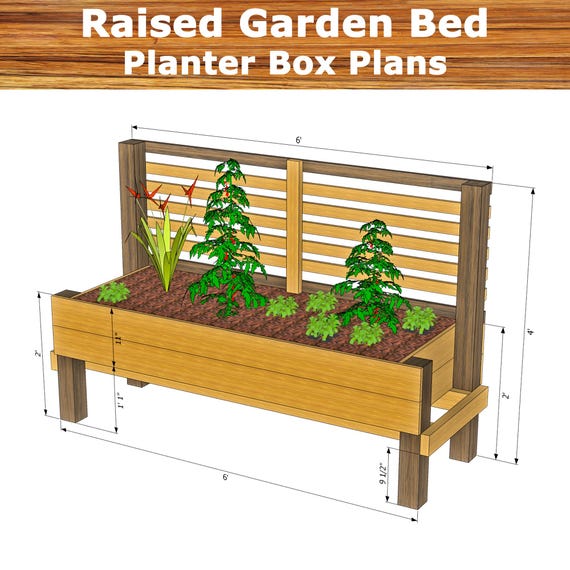
Credit: www.etsy.com
Frequently Asked Questions
What Are The Best Materials For Diy Raised Garden Beds?
The best materials include cedar, redwood, and untreated pine. These woods resist rot and last longer. Avoid treated wood to keep soil safe. Alternatives like stone or recycled plastic also work well and require less maintenance.
How Do I Download Raised Garden Bed Plans Pdf?
You can download plans from gardening websites or DIY blogs. Look for free or paid PDF files that include dimensions and materials. Ensure the plan suits your garden size and skill level before downloading.
What Tools Are Needed For Building Raised Garden Beds?
Essential tools include a saw, drill, measuring tape, and screwdriver. A level and hammer are helpful for accuracy. Having gloves and safety glasses improves safety during construction. Most plans list required tools clearly.
How Deep Should A Raised Garden Bed Be?
A depth of 12 to 18 inches is ideal for most vegetables. This allows roots to grow well and soil to retain moisture. For root crops, deeper beds up to 24 inches are better. Adjust depth based on plant needs.
Conclusion
Building your own raised garden bed can be simple and fun. The PDF plans give clear steps to follow. You can choose the size and shape that fits your space best. Growing plants in raised beds helps soil drain well and keeps weeds away.
This project saves money and gives you fresh vegetables or flowers. Start small, learn as you go, and enjoy the process. A little effort brings big rewards in your garden. Try these plans and watch your garden grow strong and healthy.