Your wood floors deserve the best care, but store-bought cleaners can be expensive and full of harsh chemicals. What if you could make a simple, effective cleaner right at home?
Imagine saving money while protecting your floors and the health of your family. You’ll discover easy steps to create your own wood floor cleaner using common ingredients. By the end, you’ll feel confident giving your floors a fresh, natural shine without any worry.
Keep reading to unlock the secret to a cleaner, healthier home!
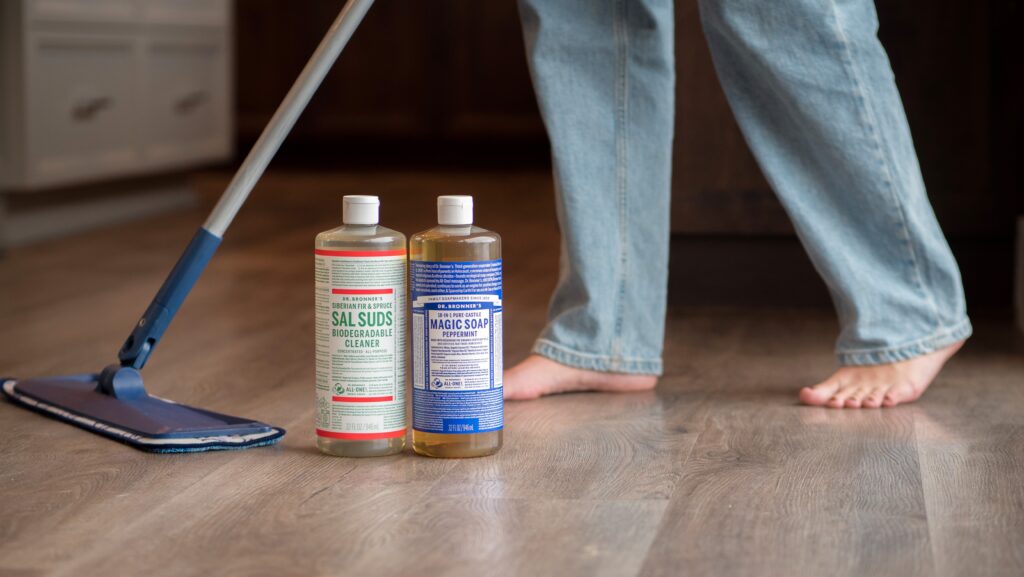
Credit: www.lisabronner.com
Benefits Of Diy Wood Floor Cleaner
Choosing a DIY wood floor cleaner offers many benefits. It gives control over what goes on your floors. This way, you avoid harsh chemicals found in many store-bought products.
Making your own cleaner is simple. It uses easy ingredients you likely already have at home. This approach helps keep your floors looking great without extra cost or risk.
Cost Savings
DIY wood floor cleaners are budget-friendly. You use common household items like vinegar and water. This saves money compared to buying special cleaners. No need to spend on expensive brands.
Natural Ingredients
Natural ingredients protect your wood floors. They clean gently without damaging the finish. Avoiding strong chemicals helps keep floors shiny and smooth. Your floors stay healthy and last longer.
Safety For Pets And Kids
Homemade cleaners are safer for pets and children. They do not contain harmful chemicals or toxins. This reduces risks of allergies or poisoning. You create a safer home environment for everyone.
Eco-friendly Cleaning
DIY cleaners reduce environmental impact. They use biodegradable and natural items. This lowers pollution and waste compared to commercial cleaners. Choosing eco-friendly options helps protect nature and water sources.

Credit: housewifehowtos.com
Essential Ingredients For Homemade Cleaners
Creating your own wood floor cleaner means choosing ingredients that are gentle yet effective. The right mix can brighten your floors without damaging the wood or leaving harmful residues. Let’s look at some essential ingredients that you can easily find at home and use to make a powerful, natural cleaner.
Vinegar And Water Solution
Vinegar is a classic choice for cleaning wood floors because it cuts through dirt and grime without harsh chemicals. Mix one part white vinegar with ten parts warm water for a safe and simple cleaner. This solution lifts dirt and adds shine, but be careful not to use vinegar undiluted—it can dull the finish over time.
Olive Oil And Lemon Mix
Olive oil nourishes wood, helping to maintain its natural luster. Combine 1/4 cup olive oil with the juice of one lemon to create a polish that cleans and conditions your floors. This mix not only removes smudges but leaves a fresh scent behind, making your space feel inviting and clean.
Baking Soda For Stains
Baking soda is a gentle abrasive that works wonders on stubborn stains and scuffs. Sprinkle a small amount on the spot, then gently rub with a damp cloth. It lifts marks without scratching the wood, making it a perfect go-to for quick spot cleaning.
Essential Oils For Fragrance
Add a few drops of essential oils like lavender, eucalyptus, or tea tree to your cleaning mixtures for a natural, pleasant aroma. These oils not only make your home smell great but also offer antibacterial properties. What’s your favorite scent to freshen up your living space?
Step-by-step Cleaning Methods
Cleaning wood floors at home can be simple and rewarding. Following clear steps ensures your floors stay shiny and healthy. Using a DIY wood floor cleaner keeps your space fresh without harsh chemicals. Learn how to prepare, mix, apply, and finish cleaning for the best results.
Preparing The Floor
Start by removing dust and dirt. Sweep or vacuum the floor carefully. Avoid wet mopping before cleaning. Check for sticky spots or stains. Use a dry cloth or soft brush to clear these areas. Clear the room of rugs and furniture for full access.
Mixing The Cleaner
Choose gentle, natural ingredients like vinegar, water, and mild soap. Use a clean bucket for mixing. Follow simple ratios to protect the wood:
- 1 cup white vinegar
- 1 gallon warm water
- A few drops of mild dish soap
Stir the solution gently. Avoid strong chemicals or oils. Keep the cleaner mild to prevent damage.
Proper Application Techniques
Dip a soft mop or cloth into the cleaner. Wring out excess liquid well. Clean small sections to avoid soaking the wood. Move the mop in the direction of the floor grain. Use light pressure to lift dirt without scratching. Rinse the mop often and change the water if it becomes dirty.
Drying And Buffing
After cleaning, dry the floor quickly with a clean towel. Avoid leaving water spots or streaks. Use a soft, dry cloth or microfiber mop to buff the surface. Buffing enhances the shine and removes any leftover cleaner. Let the floor air dry completely before placing furniture back.

Credit: www.reddit.com
Tips For Maintaining Wood Floors Naturally
Keeping your wood floors looking fresh and beautiful doesn’t require harsh chemicals or expensive products. Natural maintenance not only preserves the wood’s charm but also protects your health and the environment. Let’s dive into some simple yet effective tips that can help you care for your wood floors the natural way.
Regular Dusting
Dust and dirt act like sandpaper on wood surfaces, slowly wearing down the finish. Use a soft, dry microfiber cloth or a dust mop to remove dust daily or every few days. This routine prevents scratches and keeps your floor looking vibrant without any moisture or chemicals.
Avoiding Excess Water
Water is wood’s enemy. Even a little excess water can seep into cracks and cause warping or stains. Instead, use a damp (not wet) cloth or mop, and always dry the floor immediately after cleaning. Have you noticed how your floor feels slippery or sticky after mopping? That’s a sign you might be using too much water.
Using Soft Cleaning Tools
Hard brushes or rough sponges can scratch and dull your wood floors. Choose cleaning tools with soft bristles or gentle microfiber pads to protect the finish. I once tried scrubbing a stain with a stiff brush, and it left tiny marks that took months to fade—soft tools save you from this hassle.
Protecting High-traffic Areas
Areas like hallways and entryways face the most wear and tear. Use natural fiber rugs or runners to shield these spots without trapping moisture underneath. Also, rearranging furniture and changing rug positions occasionally helps distribute the pressure evenly, preventing permanent dents or discoloration.
Common Mistakes To Avoid
Cleaning wood floors by yourself can save money and keep your home fresh. Yet, some common mistakes can damage your floors or reduce cleaning effectiveness. Knowing what to avoid helps protect your wood and keeps it shining longer.
Using Harsh Chemicals
Strong cleaners can strip the wood’s finish and cause dullness. Avoid bleach, ammonia, or abrasive products. These chemicals dry out wood and lead to cracks or warping. Choose gentle, natural cleaners made for wood surfaces.
Over-wetting The Floor
Too much water seeps into the wood and causes swelling. Mopping with a soaked cloth leaves puddles that damage the floor. Use a damp mop, not a wet one. Dry the floor quickly after cleaning.
Ignoring Manufacturer Guidelines
Each wood floor has care instructions from the maker. Skipping these rules can void warranties or cause harm. Check your floor’s manual before trying any cleaner. Follow recommended products and cleaning methods.
Neglecting Routine Cleaning
Waiting too long between cleanings allows dirt to build up. Grit and dust scratch the wood surface over time. Sweep or vacuum regularly to remove debris. Light cleaning prevents heavy dirt that needs harsh scrubbing.
Frequently Asked Questions
What Ingredients Make An Effective Diy Wood Floor Cleaner?
A good DIY wood floor cleaner uses vinegar, water, and mild soap. These ingredients clean without damaging the wood finish. Essential oils can add fragrance and antimicrobial properties. Avoid harsh chemicals to maintain floor shine and durability.
How Often Should I Clean Wood Floors With Diy Solutions?
Clean wood floors with DIY solutions once a week or as needed. Frequent cleaning prevents dirt buildup and scratches. Spot clean spills immediately to avoid stains. Overusing water can damage wood, so use a damp mop, not wet.
Can Vinegar Damage Wood Floors In Diy Cleaners?
Vinegar is safe in diluted form for wood floors. Mix one part vinegar with ten parts water. Using undiluted vinegar or too often can dull the finish. Always test a small area first to ensure no damage occurs.
Is It Safe To Use Essential Oils In Wood Floor Cleaners?
Yes, essential oils like lemon or tea tree oil are safe and beneficial. They add a fresh scent and natural antibacterial effects. Use only a few drops in your DIY cleaner to avoid residue buildup on floors.
Conclusion
Creating your own wood floor cleaner is simple and cost-effective. You save money and control the ingredients. This ensures a safer home environment. Regular cleaning keeps floors shining and extends their life. Remember to test any cleaner on a small area first.
This avoids unexpected damage. Keep your floors beautiful with easy-to-make solutions. Enjoy the satisfaction of a clean, well-maintained home. Happy cleaning!