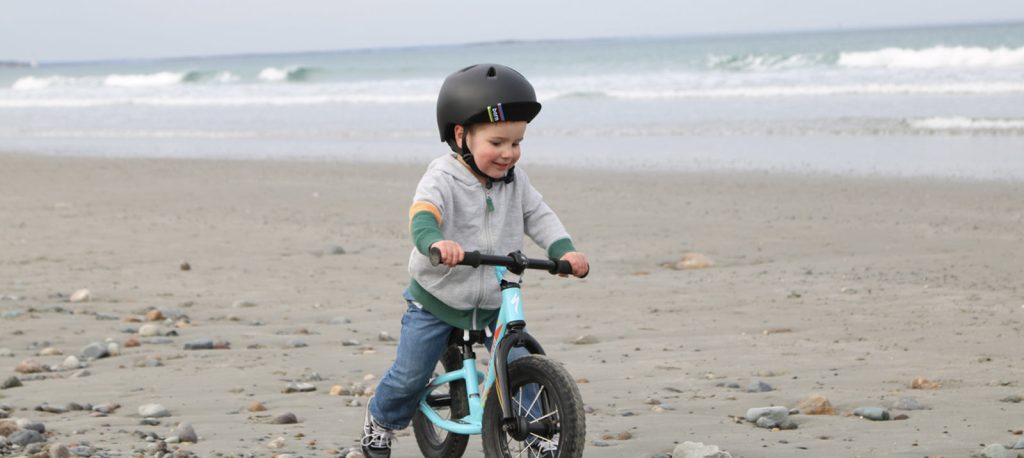
Are you wondering if your child really needs to wear a helmet while riding their bike? You might think it’s just an extra hassle or question whether it’s truly necessary.
But what if skipping the helmet could put your child at serious risk? You’ll discover the important reasons why helmets matter, the laws you need to know, and how you can keep your little rider safe without taking away their fun.
Keep reading to find out everything you need to protect your child every time they hop on their bike.
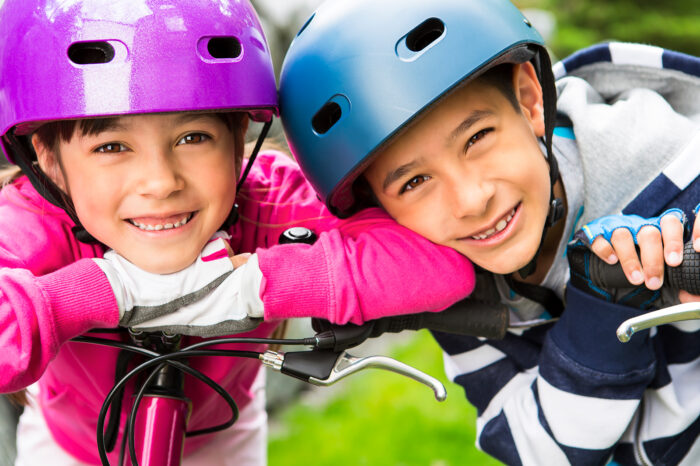
Credit: ctsafekids.org
Helmet Laws For Kids
Many places have laws that require kids to wear helmets when riding bikes. These laws help protect children from head injuries. Parents and kids should know the rules in their area.
Helmet laws can vary a lot depending on the state or city. Some places have strict rules, while others have none. It is important to check local regulations before riding.
State And Local Regulations
States and cities decide their own rules about bike helmets for kids. Some require helmets for all children under a certain age. Others only suggest wearing helmets without a law.
- Some states require helmets for children under 16 years old.
- Local cities may have stricter or looser rules than the state.
- Penalties for not wearing helmets can include fines.
- Rules may apply only on public roads or bike paths.
Age Requirements
Age limits for helmet laws differ across regions. Many laws focus on younger children since they are at higher risk.
| State | Age Limit for Helmet Law |
| California | Under 18 years |
| Texas | Under 18 years |
| Florida | Under 16 years |
| New York | Under 14 years |
| Illinois | Under 12 years |

Credit: ctsafekids.org
Benefits Of Wearing Helmets
Wearing a helmet is a simple way to stay safe while riding a bike. It helps protect the head in case of falls or accidents.
Kids who wear helmets build habits that keep them safe as they grow. These habits can last a lifetime.
Protection From Head Injuries
Helmets reduce the risk of serious head injuries. They act as a shield to absorb impact during a crash.
- Protect the skull from cracks and fractures
- Lower the chance of brain injuries
- Reduce cuts and bruises on the head
- Help avoid long-term health problems after an accident
Promoting Safe Riding Habits
Wearing helmets teaches kids to think about safety first. It encourages them to be careful on the road.
| Safe Riding Habit | Benefit |
| Wearing a helmet every ride | Builds consistent safety habits |
| Checking helmet fit | Ensures proper protection |
| Following traffic rules | Reduces accident chances |
| Using bike lights and reflectors | Improves visibility to others |
Choosing The Right Helmet
Choosing the right helmet is very important for kids who ride bikes. A helmet protects their head and reduces the risk of injury.
Parents should know how to find a helmet that fits well and meets safety rules. This guide helps you pick the best helmet for your child.
Proper Fit And Sizing
A helmet that fits right is safer and more comfortable. It should sit level on the head and not move when your child shakes their head.
- Measure your child’s head with a soft tape measure just above the eyebrows.
- Choose a helmet size that matches the head measurement.
- Adjust the straps so they form a V shape under the ears.
- Make sure the chin strap is snug but not too tight.
- Check that the helmet does not tilt forward or backward.
Safety Standards And Certifications
Check for safety labels on the helmet. These labels show the helmet meets rules set by safety organizations.
| Certification | Description |
| CPSC | Meets U.S. safety standards for bike helmets |
| ASTM | Sets safety standards for sports equipment |
| Snell | Certification for high safety performance |
| CE | European safety standard for helmets |
Teaching Kids About Helmet Safety
Kids need to learn why wearing helmets is important. Helmets protect their heads during bike rides.
Parents and teachers can help kids understand helmet safety with clear lessons and fun activities.
Engaging Methods For Parents
Parents can teach helmet safety by setting a good example. They should always wear helmets too.
Use stories and simple facts to explain how helmets prevent serious injuries.
- Show kids how to wear helmets correctly
- Let kids choose helmets they like
- Practice putting helmets on before bike rides
- Use fun games to teach safety rules
Incorporating Safety In Schools
Schools can include helmet safety in health and physical education classes. This helps all children learn the rules.
Teachers can invite experts to talk about bike safety and show the right way to wear helmets.
- Organize bike safety workshops
- Use visual aids like posters and videos
- Have helmet fitting sessions for students
- Include helmet rules in school safety policies
Common Myths About Helmets
Many people believe wrong things about bike helmets. These myths can stop kids from wearing helmets.
Understanding the facts helps parents and kids stay safe while riding bikes.
Discomfort And Style Concerns
Some kids say helmets feel hot or heavy. They think helmets do not look cool.
Modern helmets are light and have vents for air. Many come in fun colors and designs.
- Lightweight materials make helmets comfortable
- Air vents keep heads cool
- Helmets come in many colors and styles
- Kids can choose helmets they like
Perceived Invincibility
Some kids think helmets are not needed because they feel safe. They believe accidents won’t happen to them.
This is dangerous. Accidents can happen anytime. Helmets protect the head and reduce injury risk.
- Helmets reduce the chance of serious head injury
- Even good riders can fall or crash
- Wearing a helmet is smart and safe

Credit: www.jejamescycles.com
Encouraging Community Involvement
Getting the community involved helps keep kids safe on bikes. Working together spreads awareness about wearing helmets. Everyone can play a part in protecting children.
Parents, teachers, and neighbors can join efforts to teach kids why helmets are important. Sharing knowledge builds a stronger safety culture in the area.
Organizing Safety Workshops
Workshops are a great way to teach kids and adults about bike safety. They offer hands-on learning and show how helmets protect heads during falls.
- Invite bike safety experts to speak
- Demonstrate how to properly wear a helmet
- Provide free or low-cost helmets
- Use fun activities to engage kids
- Distribute safety flyers and guides
Collaborating With Local Authorities
Working with local police and city officials helps enforce helmet laws. Authorities can also support safety campaigns and provide resources.
| Authority | Role | Support Provided |
| Police Department | Enforce helmet rules | Patrols, safety talks |
| City Council | Create safety policies | Funding, public signs |
| Schools | Educate students | Workshops, helmet programs |
Frequently Asked Questions
Do All Kids Legally Need Helmets On Bikes?
Helmet laws vary by location. Many places require helmets for children under a certain age. Check local laws to ensure compliance and safety.
Why Should Kids Wear Bike Helmets?
Helmets protect kids from head injuries during falls or crashes. Wearing a helmet significantly reduces the risk of serious brain injury.
At What Age Is A Helmet Required For Kids?
Most laws mandate helmets for kids under 16. Some regions set different age limits, so verify local regulations for accurate information.
Can Wearing A Helmet Improve Kids’ Bike Safety?
Yes, helmets absorb impact and protect the head. They are an essential safety gear that lowers injury risk in accidents.
Conclusion
Wearing helmets helps protect kids from serious head injuries. Many places require helmets by law for children riding bikes. Parents should teach kids to wear helmets every time they ride. A helmet can save lives and prevent long-term harm. Safety should always come first when kids are on bikes.
Choosing the right helmet and fitting it well matters a lot. Kids feel more confident and secure when they wear helmets. Encourage safe habits early to keep kids safe on the road.