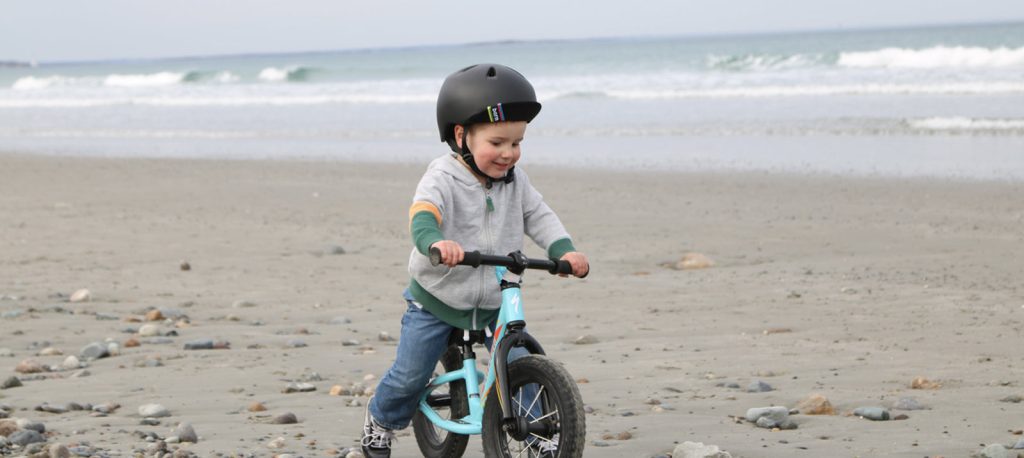
Are you wondering if your kids really need to wear helmets when they ride their bikes? It’s a question many parents ask, but the answer could be more important than you think.
Protecting your child’s head isn’t just about following rules—it can make a huge difference in their safety. Keep reading to find out why helmets matter, what the laws say, and how you can keep your little ones safe every time they hop on their bike.
This simple step might just save your child from serious injury. Don’t miss it!

Credit: ca.news.yahoo.com
Helmet Laws For Kids
Wearing helmets while riding bikes keeps kids safe. Many places have laws about helmets for children.
These laws help reduce head injuries in accidents. Knowing the rules helps parents and kids stay protected.
Age Requirements
Most helmet laws focus on kids under a certain age. The goal is to protect younger, more vulnerable riders.
Common age limits require helmets for children under 12 or 16 years old. Older kids may not be legally required to wear helmets.
- Some states require helmets for kids under 12
- Others set the limit at age 16
- Helmets are always recommended, even if not required
State And Local Variations
Helmet laws change from state to state and city to city. Local governments may add their own rules.
Some places have strict helmet laws for all bike riders. Others only require helmets for children or no one at all.
- States like California require helmets for all riders under 18
- Some cities have extra rules beyond state laws
- Check local laws to know what rules apply
Penalties For Non-compliance
Not following helmet laws can lead to fines. Penalties depend on where you live.
Parents may be responsible if their child breaks the helmet law. Some places offer warnings instead of fines for first offenses.
- Fines can range from small fees to larger penalties
- Some areas require helmet education classes
- Repeated offenses may lead to higher fines
Benefits Of Wearing Helmets
Wearing a helmet is important for kids who ride bikes. It keeps their head safe in case of falls or crashes. Helmets also help others see them better on the road.
This guide explains how helmets prevent injuries, improve visibility, and encourage safe riding habits.
Preventing Head Injuries
Helmets protect the head by absorbing impact during accidents. They reduce the risk of serious brain injuries and cuts. Kids who wear helmets have a much better chance of avoiding long-term damage.
- Helmets cushion the skull from hard surfaces.
- They lower the chance of concussions.
- Properly fitted helmets stay in place during crashes.
- They reduce cuts and bruises on the head.
Improving Visibility
Bright helmets help drivers and other riders see kids from far away. Some helmets come with reflective strips or stickers. These features make kids more visible in low light and at night.
| Helmet Feature | Visibility Benefit |
| Bright Colors | Easier to spot during the day |
| Reflective Stickers | Visible under headlights at night |
| Built-in Lights | Increase visibility on dark roads |
Promoting Safe Riding Habits
Wearing a helmet teaches kids to think about safety first. It reminds them to follow traffic rules and watch out for dangers. Parents and friends also set a good example by wearing helmets.
Ways helmets promote safe riding:
- Encourage wearing other safety gear.
- Build awareness of road rules.
- Help develop responsible habits early.
Choosing The Right Helmet
Wearing a helmet keeps kids safe while riding bikes. Choosing the right one is very important.
This guide helps you pick a helmet that fits well, meets safety rules, and feels good to wear.
Proper Fit And Sizing
A helmet must fit snugly to protect your child’s head. It should not move when they shake their head.
- Measure the child’s head circumference with a soft tape.
- Check the helmet size chart before buying.
- Adjust straps and pads for a secure fit.
- Make sure the helmet sits level on the head.
- There should be space for one or two fingers above the eyebrows.
Safety Certifications To Look For
Helmets must meet safety standards to ensure good protection. Look for these labels on the helmet:
| Certification | Description |
| CPSC | Required in the USA for bike helmets |
| ASTM F1447 | Standard for bicycle helmets |
| EN 1078 | European safety standard |
| Snell B-95 | High safety standard for impact |
Comfort And Style Options
Kids will wear helmets more if they feel comfortable and like the look. Here are some things to consider:
- Ventilation holes to keep the head cool
- Lightweight materials for easy wear
- Adjustable straps for comfort
- Different colors and designs
- Visors to shield eyes from sun

Credit: www.jejamescycles.com
Teaching Kids Helmet Safety
Wearing a helmet is very important for kids who ride bikes. It helps protect their head from injuries. Teaching kids how to wear helmets correctly keeps them safe.
Parents and teachers should explain why helmets matter. Kids need to know that helmets save lives and prevent serious harm.
Making Helmet Wearing Fun
Kids are more likely to wear helmets if it feels fun. Let them pick helmets with cool colors or favorite characters. This makes wearing helmets exciting.
Turn helmet time into a game. Praise kids when they wear helmets without being asked. Use stickers or small rewards to encourage them.
- Choose helmets with bright colors or designs
- Let kids decorate helmets with safe stickers
- Use positive words to praise helmet use
- Create a helmet-wearing challenge with friends
Setting A Good Example
Kids copy what adults do. When parents wear helmets every time they bike, kids want to do the same. This teaches helmet safety without words.
Show kids how to put on helmets the right way. Make sure your helmet fits well and is fastened before riding.
- Wear a helmet every time you bike
- Check that your helmet fits properly
- Put on and fasten the helmet in front of kids
- Talk about why helmets keep you safe
Regular Helmet Checks And Maintenance
Helmets need regular checks to stay safe. Look for cracks, dents, or broken straps. A damaged helmet cannot protect well.
Clean helmets often and store them in a cool, dry place. Replace helmets after a crash or every few years for best safety.
- Inspect helmets for damage before each ride
- Wash helmets with mild soap and water
- Store helmets away from heat and sun
- Replace helmets after any bike accident
- Change helmets every 3 to 5 years
Alternatives And Additional Safety Gear
Kids should be safe while riding bikes. Helmets are important but not the only safety gear.
Other gear helps protect different parts of the body and improves visibility. This gear adds extra safety for children.
Knee And Elbow Pads
Knee and elbow pads protect joints from scrapes and bruises. They help reduce injuries in falls or accidents.
These pads are soft yet firm and fit comfortably. They keep kids safe while they learn to ride or play hard.
- Protects knees and elbows from cuts and bruises
- Soft padding absorbs shocks
- Easy to wear with adjustable straps
- Helps kids feel confident while riding
Reflective Clothing
Reflective clothing makes kids visible in low light or at night. Bright strips or patches reflect car lights.
Wearing reflective vests, jackets, or bands helps drivers see children early. This reduces chances of accidents.
- Increases visibility on roads
- Works well in dusk or dawn
- Lightweight and comfortable to wear
- Can be worn over regular clothes
Bike Lights And Bells
Bike lights help kids see and be seen in dark or foggy conditions. Front and rear lights are best for safety.
Bells alert pedestrians and other riders. They warn others when a child is nearby, preventing collisions.
- Front white light for seeing ahead
- Rear red light for visibility from behind
- Bell to warn others of the bike
- Easy to install and use on any bike
Common Myths About Helmets
Many people believe wrong things about kids wearing helmets on bikes. These myths can stop kids from using helmets. It is important to know the facts.
This article will explain three common myths about helmets. Understanding these can help keep kids safe while riding.
Helmets Are Uncomfortable
Some people think helmets are hard to wear and feel bad. Modern helmets are made with soft padding and good air flow. They fit well and keep kids cool.
Kids can try different helmet sizes and styles to find the best fit. A comfortable helmet means kids will want to wear it every time.
Helmets Limit Vision And Hearing
Many believe helmets block sight or make it hard to hear sounds. Good helmets are designed to keep vision clear and allow sound in. This helps kids stay aware of their surroundings.
Helmets do not cover the eyes or ears. Kids can still see and hear well while wearing one. This keeps them safe on the road or trail.
Helmets Are Only For Beginners
Some think only new riders need helmets. Every rider, no matter skill level, should wear a helmet. Accidents can happen to anyone.
Wearing a helmet shows good safety habits. It protects the head in case of falls or crashes. Experienced riders also stay safe with helmets.

Credit: ctsafekids.org
Frequently Asked Questions
Do Kids Legally Have To Wear Bike Helmets?
Helmet laws vary by location. Many places require kids under a certain age to wear helmets. Check local laws to ensure compliance and safety.
Why Are Helmets Important For Kids On Bikes?
Helmets protect children’s heads during falls or crashes. They reduce serious injury risks and improve overall bike safety.
At What Age Should Kids Start Wearing Helmets?
Kids should wear helmets from their first ride. Wearing helmets early builds good safety habits and protects young riders.
What Types Of Helmets Are Best For Kids?
Choose helmets that fit snugly, have proper ventilation, and meet safety standards. Comfort and certification ensure better protection.
Conclusion
Wearing helmets keeps kids safe while biking. It reduces risk of injury. Helmets protect their heads from falls and accidents. Safety rules exist for a reason. They ensure children’s well-being. Parents should encourage helmet use every ride. Children will develop good habits early.
Consistent practice leads to safety-first mindset. Communities can help by promoting helmet awareness. Safe biking should be a top priority. Remember, a helmet can save a life. Prioritize safety over convenience. Make helmet-wearing a family rule. Kids’ safety matters most on every bike journey.