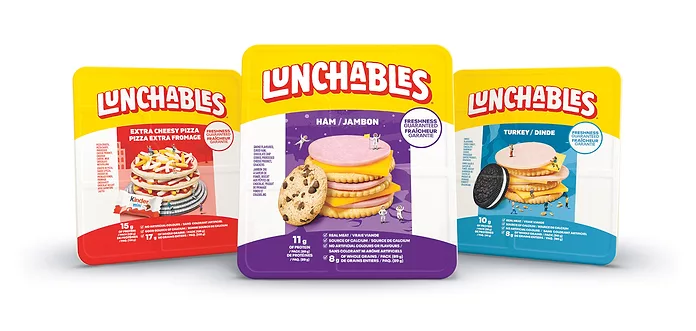
Are you wondering if Lunchables need to be kept in the fridge? You’re not alone.
Many people ask this question because they want to keep their snacks safe and tasty. If you’ve ever grabbed a Lunchable on the go or packed one for your kid’s lunch, knowing how to store it properly is key. Keep reading, and you’ll discover the simple facts that help you enjoy your Lunchables without worry.
This small detail can make a big difference in your day.

Credit: www.lunchables.com
Lunchables Ingredients And Packaging
Lunchables are popular ready-to-eat meals often packed with a variety of items. Understanding their ingredients and packaging helps to know if they need refrigeration. The combination of food types and the way they are packed affects their freshness and safety.
Common Components
Lunchables usually include several food items. These are:
- Processed meats such as ham, turkey, or salami
- Cheese slices or cubes
- Crackers or small bread pieces
- Sometimes a small dessert or candy
- A condiment like mustard or mayonnaise in small packets
Most of these ingredients are perishable. Processed meats and cheese need cool temperatures to stay fresh and safe. The crackers and sweets are shelf-stable but can get stale without proper storage.
Packaging Design
Lunchables come in plastic trays with sealed compartments. This design keeps each food item separate. It helps to maintain taste and texture. The packaging is airtight to prevent contamination.
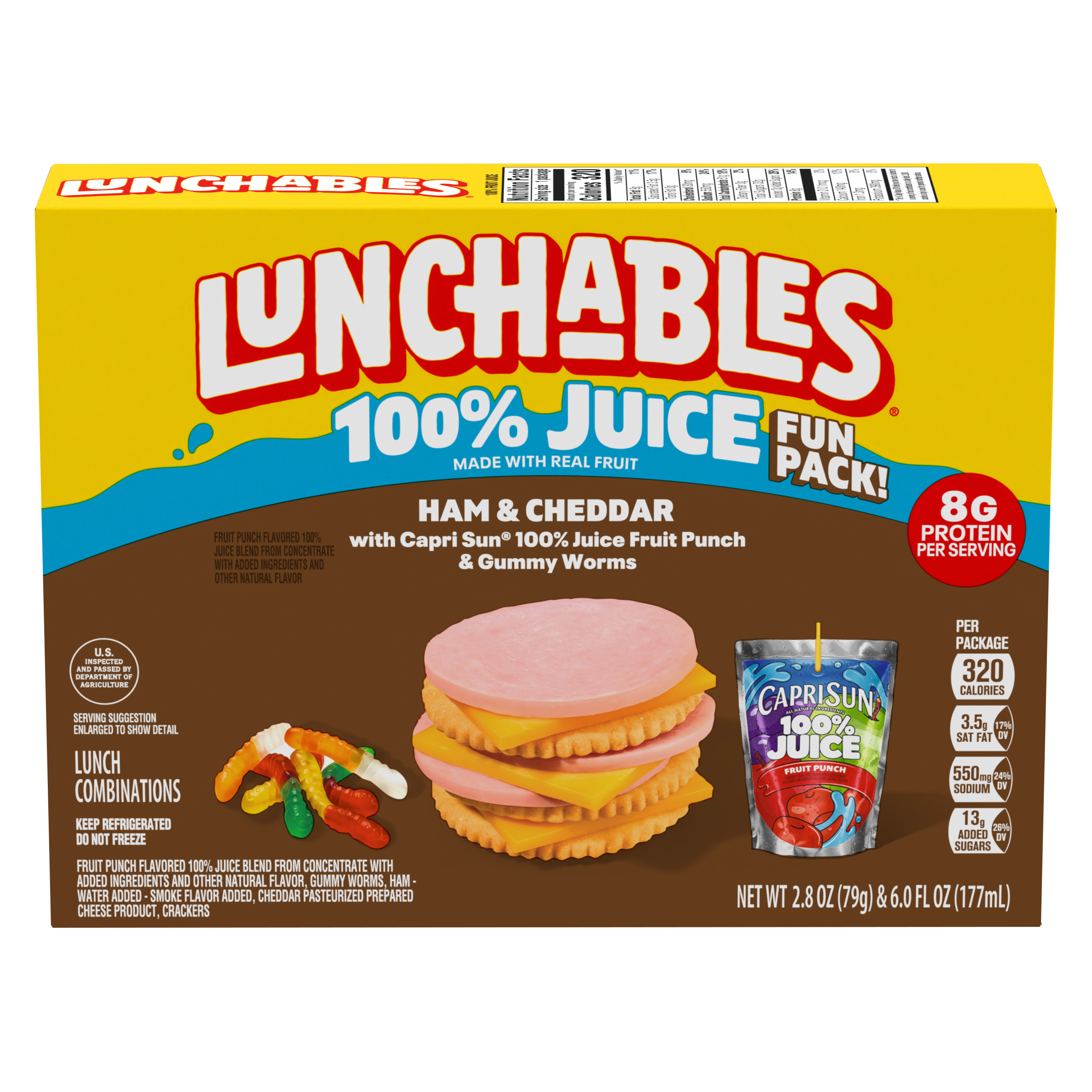
The trays are usually wrapped in a plastic film or cardboard sleeve. This outer layer protects the product during transport and storage. Some Lunchables packages have a “keep refrigerated” label. This is a clear sign that the product must stay cold.
The packaging aims to extend shelf life. It supports refrigeration to keep meats and cheese safe. Without cooling, these foods can spoil quickly. Proper storage is important to avoid foodborne illness.
Refrigeration Requirements
Understanding the refrigeration requirements of Lunchables is key to keeping your snacks safe and tasty. Some components need cold storage to stay fresh, while others can handle room temperature. Knowing which parts of your Lunchable fall into each category helps avoid food spoilage and potential health risks.
Perishable Vs Non-perishable Items
Lunchables often contain a mix of perishable and non-perishable items. Perishable foods, like cheese, lunch meats, and certain dips, require refrigeration to prevent bacteria growth. Non-perishable items such as crackers or certain snack bars can usually be stored at room temperature without any problem.
Think about the last time you grabbed a Lunchable from your fridge. Did you notice the cheese felt warm after sitting out during lunch? That warmth can speed up spoilage. Keeping perishable parts cold until you’re ready to eat is essential.
- Perishable items:deli meats, cheeses, dips, and some fruits
- Non-perishable items:crackers, cookies, and some snack bars
Manufacturer Guidelines
Manufacturers provide clear instructions about storing Lunchables to ensure safety and quality. Most packaging recommends refrigeration, especially if the product contains meat or cheese. Ignoring these guidelines can increase the risk of foodborne illness.
Check the label on your Lunchable for phrases like “Keep refrigerated” or “Consume within X days after opening.” These are not just suggestions—they’re there to protect you. Following manufacturer advice keeps your lunch fresh and enjoyable.
Have you ever skipped refrigeration because you were in a rush? It’s worth reconsidering for the sake of your health and taste. Proper storage isn’t just about safety—it’s about making your meal as good as possible.
Shelf Life Without Refrigeration
Lunchables are a popular choice for quick meals. But can they sit out? Understanding their shelf life without refrigeration is crucial. Knowing how long they last keeps you safe from spoiled food.
Room Temperature Storage Limits
Lunchables contain perishable ingredients. They typically include meats, cheeses, and crackers. These items are best kept cold. At room temperature, Lunchables should be consumed quickly. They can sit out for about two hours. Beyond that, bacteria may start growing. Warm conditions speed up this process. To stay safe, store them in a refrigerator.
Signs Of Spoilage
Detecting spoiled Lunchables is important. Look for changes in appearance. Mold or discoloration are clear signs. Smell the food. A sour or unusual odor indicates spoilage. Feel the texture. If it is slimy, it may be bad. Always check the expiration date. Eating expired food can be risky. When in doubt, throw it out. Safety comes first.
Safe Storage Practices
Safe storage practices keep Lunchables fresh and healthy to eat. Proper handling reduces the risk of food spoilage and bacteria growth. Always store Lunchables at the right temperature. This helps maintain taste and prevents illness.
Follow simple steps to ensure your Lunchables stay safe. These tips work for home storage and on the go.
Optimal Refrigeration Tips
- Keep Lunchables in the refrigerator at or below 40°F (4°C).
- Store them on a shelf, not the door, to maintain steady temperature.
- Check expiration dates before eating or packing Lunchables.
- Close the packaging tightly after opening to avoid drying out.
- Use Lunchables within two hours if left out at room temperature.
Travel And Lunchbox Storage
- Use an insulated lunchbox to keep Lunchables cool during travel.
- Include an ice pack to maintain safe temperatures for several hours.
- Place the Lunchables near the ice pack, not directly on it.
- Avoid leaving Lunchables in hot cars or places without cooling.
- Eat Lunchables within four hours if kept with ice packs.
Alternatives To Refrigeration
Keeping Lunchables fresh without a refrigerator is possible with simple alternatives. These options help maintain cool temperatures and prevent food spoilage. Using these techniques allows you to enjoy your Lunchables safely during outings or school days.
Using Ice Packs
Ice packs are a reliable way to keep Lunchables cold. Place one or two frozen packs alongside the Lunchable in a lunchbox or insulated bag. They stay cold for hours, maintaining safe temperatures for your food.
Reusable ice packs are easy to freeze and use repeatedly. Some come in flexible shapes, fitting snugly around the Lunchable. This helps keep all parts of the meal cool evenly.
Cooler Options
Coolers provide excellent insulation for Lunchables. Small personal coolers are perfect for carrying meals on trips or to school. Choose a cooler with good insulation material to keep the cold in and heat out.
Adding ice packs inside the cooler improves cooling. Make sure to close the cooler tightly to keep the cold air inside. Avoid opening it often to maintain temperature.

Credit: www.lunchables.com
Health Risks Of Improper Storage
Improper storage of Lunchables can lead to serious health risks. Leaving these pre-packaged meals unrefrigerated allows bacteria to grow rapidly. This growth can cause foodborne illnesses, which may ruin your day or worse.
Foodborne Illness Concerns
Bacteria like Listeria, Salmonella, and E. coli thrive in warm environments. Lunchables often contain meat, cheese, and other perishable items that are vulnerable to contamination. Eating unrefrigerated Lunchables increases your risk of stomach cramps, vomiting, and fever.
Have you ever felt uneasy after eating something you thought was safe? Chances are, improper storage played a role. It’s important to understand that even a short time at room temperature can be enough for bacteria to multiply.
Preventative Measures
Keep Lunchables refrigerated until you’re ready to eat. If you’re packing them for lunch, use an insulated lunch bag with an ice pack. This simple step keeps the food at a safe temperature and prevents harmful bacteria from growing.
Always check the “use by” or “best before” dates. If your Lunchable has been left out for more than two hours, it’s safer to throw it away. You don’t want to risk your health over convenience.
Credit: www.lunchables.com
Frequently Asked Questions
Do Lunchables Need Refrigeration Before Eating?
Yes, Lunchables must be refrigerated to keep ingredients fresh and safe. They contain perishable items like cheese and meat that spoil without cooling.
How Long Can Lunchables Stay Unrefrigerated?
Lunchables can safely stay at room temperature for about two hours. Beyond that, bacteria growth may increase, risking foodborne illness.
Can Lunchables Be Eaten Cold Or Warmed?
Lunchables are designed to be eaten cold, straight from the package. Warming is optional but not necessary for safe consumption.
What Happens If Lunchables Are Left Out Too Long?
If left out over two hours, Lunchables risk bacterial growth, causing spoilage and potential food poisoning. Always refrigerate promptly.
Conclusion
Lunchables need to stay cold to keep safe and fresh. Leaving them out too long can cause spoilage. Always store Lunchables in the fridge until ready to eat. This helps keep the food tasty and prevents sickness. Remember, a little care goes a long way with packed lunches.
Keep your snacks cool and enjoy them without worry. Safety first, always!