Have you ever tried to stick a magnet on your stainless steel refrigerator, only to watch it slide right off? It’s a common frustration.
You might wonder why some magnets cling effortlessly to your fridge while others don’t stick at all. Understanding the magnetic properties of stainless steel can be surprisingly fascinating and might just change the way you think about your kitchen appliances.
You’ll discover the science behind why magnets behave differently with stainless steel, and you’ll gain practical tips on how to make your kitchen more functional and fun. Stick around to uncover the secrets of magnetism in your home!
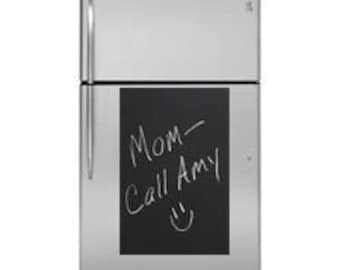
Credit: www.etsy.com
Magnet Basics
Magnets are common objects with a unique ability to attract certain metals. Understanding their basics helps explain why magnets stick or do not stick to surfaces like stainless steel refrigerators. This knowledge is useful for both everyday use and scientific curiosity.
How Magnets Work
Magnets create a magnetic field around them. This field pulls metals like iron, nickel, and cobalt. Inside a magnet, tiny particles called domains line up in the same direction. This alignment causes the magnet to attract certain metals.
Not all metals respond to magnets. Metals such as aluminum, copper, and most stainless steel types are not magnetic. The strength of a magnet affects how far its pull can reach.
Types Of Magnets
- Permanent Magnets:These magnets keep their magnetic force over time. Common examples include fridge magnets and bar magnets.
- Temporary Magnets:These metals act like magnets only when near a strong magnetic field. They lose magnetism quickly.
- Electromagnets:These magnets need electricity to work. They turn on and off with the electric current.

Credit: www.reddit.com
Stainless Steel And Magnetism
Stainless steel is popular for refrigerators due to its sleek look and durability. Yet, magnets do not always stick to stainless steel surfaces. This depends on the type of stainless steel used. Understanding stainless steel and magnetism helps explain this common question.
Composition Of Stainless Steel
Stainless steel is an alloy made mainly of iron. It also contains chromium, nickel, and other metals. Chromium adds corrosion resistance. Nickel improves strength and appearance.
The mix of these metals changes the steel’s properties. Some types of stainless steel are magnetic. Others are not. This difference comes from their atomic structure.
Magnetic Vs Non-magnetic Stainless Steel
Two main stainless steel types exist for refrigerators:
- Ferritic and Martensitic:These types contain less nickel. They have a magnetic structure. Magnets stick well to these steels.
- Austenitic:This type has higher nickel content. It is generally non-magnetic. Magnets often do not stick to it.
Most modern stainless steel refrigerators use austenitic steel. This explains why magnets sometimes fail to stick. Some models use a thin magnetic steel layer behind the surface. This helps magnets stick better.
Why Some Magnets Stick
Magnets stick to some stainless steel refrigerators but not all. The reason lies in the type of stainless steel used. Not all stainless steel reacts the same way to magnets. Understanding why some magnets stick helps you know what to expect from your fridge surface.
Ferromagnetic Grades
Some stainless steel types contain iron that magnets attract. These are called ferromagnetic grades. They include types like 400 series stainless steel. This steel has a high iron content. Magnets stick well to these surfaces. Fridges made from ferromagnetic stainless steel allow magnets to cling easily.
Other stainless steel grades, like 300 series, have less iron. They use more nickel and chromium. These metals do not attract magnets. So, magnets will not stick to fridges made from these grades.
Effect Of Stainless Steel Finish
The finish on stainless steel can affect magnetism too. Rough or brushed finishes may let magnets stick better. Smooth, polished finishes often reduce magnetic pull. This happens because the metal’s surface structure changes. Polished steel can create a weak magnetic field.
Magnets also need close contact to stick well. A very smooth or coated finish may block magnets. Some refrigerators have a thin layer of paint or plastic. This layer stops magnets from holding tightly.
When Magnets Don’t Stick
Magnets do not always stick to stainless steel refrigerators. This can confuse many who expect magnets to cling easily. The reason lies in the type of stainless steel used in the fridge. Some steels do not attract magnets because of their unique properties. Understanding this helps explain why magnets may not hold on your appliance.
Austenitic Stainless Steel
Austenitic stainless steel is common in many refrigerators. It contains high amounts of chromium and nickel. These metals make the steel resistant to rust and corrosion. This type of steel is usually non-magnetic or weakly magnetic. That is why magnets often do not stick well to it.
Unlike other stainless steels, austenitic steel has a different crystal structure. This structure does not allow magnets to attract strongly. Many modern refrigerators use this steel for its durability and look. So, if magnets do not stick, the fridge likely uses austenitic stainless steel.
Magnetic Testing Tips
Simple tests can check if your fridge is magnetic. Use a small magnet and place it on different parts of the fridge. Try the sides, doors, and handles. Notice if the magnet sticks firmly or falls off easily.
Here are some tips for testing:
- Use a strong magnet for better results.
- Test multiple spots for consistent findings.
- Check if the magnet sticks to other metal objects nearby.
- Try a refrigerator magnet designed for steel surfaces.
These tests help identify the steel type and magnetic strength. You can then choose the right magnets for your fridge. This makes decorating or organizing easier and more effective.
Practical Tips For Using Magnets
Using magnets on stainless steel refrigerators can be tricky. Not all stainless steel types attract magnets well. Practical tips help you choose the right magnet and explore other ways to attach items. These tips keep your fridge organized and your magnets secure.
Choosing The Right Magnet
Pick magnets made of strong materials. Neodymium magnets work best on stainless steel. They have a powerful pull and hold items firmly. Check the magnet’s size and thickness. Bigger magnets usually stick better. Avoid weak magnets that slide off easily. Test the magnet on your fridge before buying more.
Alternative Attachment Methods
Some stainless steel fridges repel magnets. Use other ways to attach notes or decorations. Try adhesive hooks or strips that do not damage the surface. Magnetic tape with a sticky back works well too. Velcro strips offer a reusable option for lightweight items. These methods keep your fridge neat without leaving marks.

Credit: www.reddit.com
Frequently Asked Questions
Do Magnets Stick To All Stainless Steel Refrigerators?
Not all stainless steel refrigerators attract magnets. Only those made with ferromagnetic metals like ferritic or martensitic stainless steel allow magnets to stick. Austenitic stainless steel, common in many fridges, is usually non-magnetic.
Why Don’t Magnets Stick To Some Stainless Steel Fridges?
Many stainless steel fridges use austenitic steel, which lacks magnetic properties. This steel type contains high nickel, making it non-magnetic. Therefore, magnets won’t stick to these refrigerator surfaces.
How To Test If My Stainless Steel Fridge Is Magnetic?
Simply place a magnet on the fridge surface. If it sticks firmly, the steel is magnetic. If it falls off or barely clings, the steel is likely non-magnetic austenitic type.
Can Magnetic Fridge Accessories Work On Stainless Steel?
Magnetic accessories work only on magnetic stainless steel types. For non-magnetic fridges, use adhesive or suction-based accessories instead of magnets for decoration or utility.
Conclusion
Magnets may or may not stick to stainless steel refrigerators. It depends on the type of steel and its magnetic properties. Some stainless steel has iron, which attracts magnets. Others do not, so magnets will not hold. Always test with a magnet before buying fridge magnets.
Knowing this helps you choose the right fridge accessories. Simple and clear. Now you understand why magnets behave differently on stainless steel.