
Have you ever wondered if using a metal cutting board could be secretly ruining your knives? If you care about keeping your knives sharp and ready, this question matters more than you might think.
You want your cutting tools to last longer and perform their best every time you cook. But does the metal surface wear down your blades faster than other materials? Keep reading, because uncovering the truth about metal cutting boards could save you time, money, and frustration in the kitchen.
Credit: medium.com
Metal Cutting Boards Explained
Metal cutting boards are less common than wood or plastic ones. They offer unique features for kitchen use. Understanding them helps you decide if they fit your needs.
This article explains types of metal boards and their common uses in kitchens. You will learn what makes them different.
Types Of Metal Boards
Metal cutting boards come in various materials. Each has its own benefits and drawbacks. Here are some popular types:
- Stainless Steel: Very durable and easy to clean.
- Aluminum: Lightweight but can scratch easily.
- Copper: Good for aesthetics but needs care.
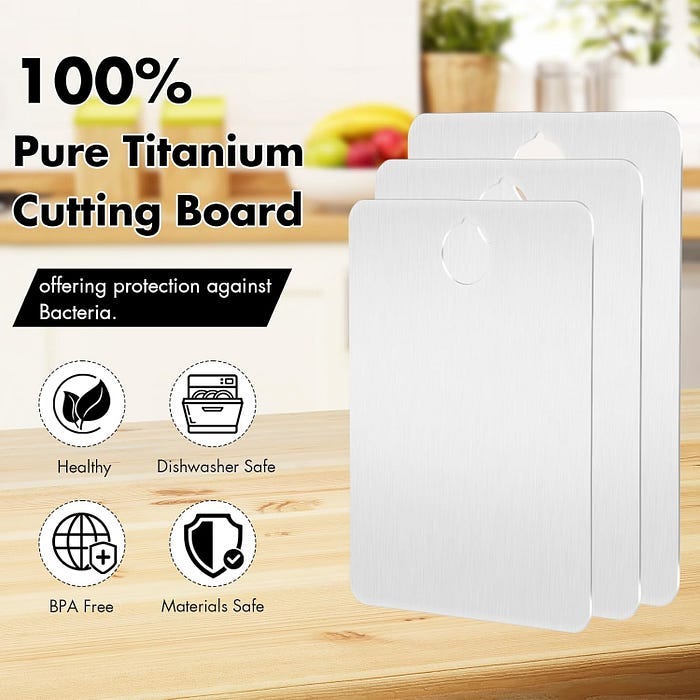
- Titanium: Strong and resistant to corrosion.
Common Uses In Kitchens
Metal cutting boards are used for specific tasks. Chefs choose them for their strength and hygiene. The table below shows common uses and reasons.
| Use | Reason |
| Cutting meat | Metal boards do not absorb juices and bacteria. |
| Preparing vegetables | Easy to clean and sterilize after use. |
| Serving food | Metal boards provide a modern look. |
| Protecting knives | Some metals may dull knives if used often. |
How Knife Blades Work
Knives cut by using sharp edges to split food apart. The blade’s sharpness and material affect how well it cuts. Over time, knives can lose their sharp edge and need care.
Many wonder if metal cutting boards damage knives. Understanding blade material and cutting surfaces helps explain this.
Blade Material And Sharpness
Knife blades come in different materials like stainless steel, carbon steel, and ceramic. Each type holds sharpness in a unique way.
- Stainless steel:Resists rust but may dull faster.
- Carbon steel:Holds sharp edges longer but can rust.
- Ceramic:Very hard and sharp but chips easily.
Sharpness depends on the blade’s edge angle and how often it is sharpened. A sharper knife cuts easier and safer.
Impact Of Cutting Surfaces
Cutting surfaces affect knife edges. Hard surfaces can dull blades faster than soft ones.
| Cutting Surface | Effect on Knife | Examples |
| Soft | Preserves sharpness | Wood, plastic, bamboo |
| Hard | Dulls blade quickly | Glass, metal, stone |
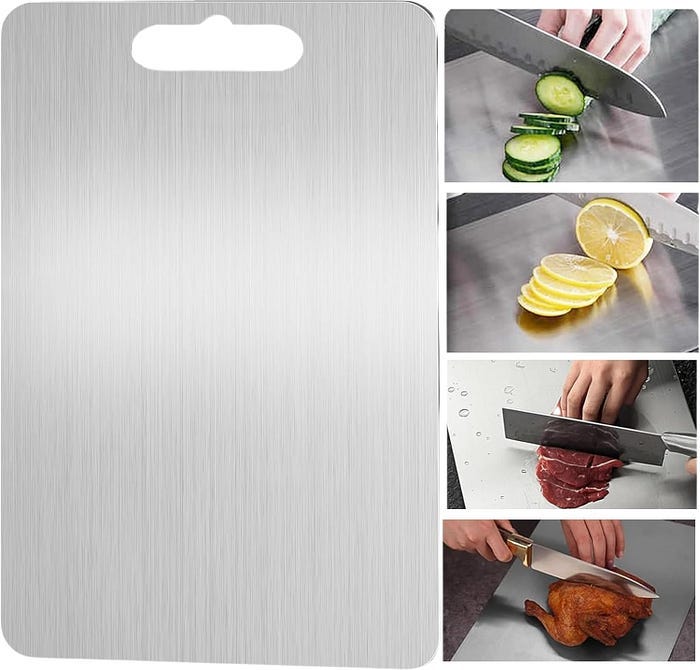
Metal cutting boards are harder than wood or plastic. They can cause knives to dull faster by wearing down the blade edge with each cut.
Effect Of Metal Boards On Knives
Metal cutting boards are popular for their durability and hygiene. They resist stains and are easy to clean.
Many wonder if metal boards make knives dull faster. This topic looks at how metal affects knife blades.
Blade Wear And Tear
Metal boards are harder than knife blades. Cutting on metal can cause the blade edge to wear out quickly.
Repeated cutting on metal can lead to chips or nicks on the blade. This shortens the knife’s sharpness life.
- Metal surfaces do not give way to the blade
- Edges hit a hard surface causing dulling
- More frequent sharpening may be needed
Comparing Metal To Wood And Plastic
Wood and plastic boards are softer than metal. They absorb some force and protect the blade edge better.
Soft boards reduce knife damage and keep blades sharper longer. They also show fewer marks from cutting.
| Board Type | Effect on Knife | Durability |
|---|---|---|
| Metal | Sharpness wears quickly, possible chips | Very high |
| Wood | Protects blade, less dulling | Moderate |
| Plastic | Gentle on blades, may scar easily | Moderate to high |

Credit: blog.venturemagazine.net
Real-world Experiences
Metal cutting boards are popular in many kitchens. Some cooks worry they might dull knives fast. Let’s see what real users say about this.
This article shares opinions from chefs and feedback from everyday users. It helps to know how metal boards affect knives in real life.
Chef Opinions
Many chefs say metal boards are very tough on knives. They note that knives lose sharpness quicker than on wood or plastic. Some chefs avoid them for this reason.
- Metal boards cause faster blade dulling.
- They prefer softer surfaces like wood.
- Metal boards are good for heavy-duty chopping but not for fine slicing.
- Regular sharpening is needed when using metal boards.
User Reviews And Testimonials
Home cooks have mixed feelings about metal cutting boards. Some say their knives dulled fast. Others say careful use helps avoid damage.
| User | Experience | Knife Condition |
| Anna | Used metal board for 3 months | Blades dulled quickly |
| Mark | Used metal board with soft knives | No major dulling noticed |
| Lisa | Switched from wood to metal | Knives needed sharpening sooner |
| John | Uses metal board for meat only | Knives stayed sharp longer |
Maintaining Knife Sharpness
Metal cutting boards can affect your knives in different ways. Keeping your knives sharp is important for safe and easy cutting.
Knowing how to care for your knives and sharpen them helps keep them in good shape for a long time.
Proper Knife Care
Always clean your knives by hand with warm water and mild soap. Avoid dishwashers, which can damage the blade.
Store knives safely in a block or on a magnetic strip to protect the edges from damage.
- Wash knives immediately after use
- Dry knives carefully to prevent rust
- Store knives where blades do not touch
- Use cutting boards that are gentle on blades
Sharpening Techniques
Sharpen your knives regularly to keep the edge strong. Use a sharpening stone, honing rod, or professional service.
Honing aligns the blade edge, while sharpening removes metal to create a new edge.
- Use a whetstone with water or oil for best results
- Hold the blade at a 15-20 degree angle while sharpening
- Use a honing rod before each use to maintain edge
- Have knives professionally sharpened once or twice a year
Choosing The Right Cutting Board
Picking the right cutting board affects your knife’s sharpness. Different materials impact how quickly knives dull. Knowing the best choice helps protect your knives.
This guide explains key factors to consider and how to care for your cutting board. It helps keep knives sharp longer.
Factors To Consider
Material matters most when choosing a cutting board. Some surfaces are gentle on knives, while others cause fast dulling. Size and maintenance also affect performance.
- Wood:Soft on blades and self-healing but needs regular oiling.
- Plastic:Affordable and easy to clean but can scar easily.
- Metal:Very durable but can quickly dull knives.
- Bamboo:Harder than wood and eco-friendly but may dull knives faster than softer woods.
- Glass or Stone:Extremely hard, causing rapid knife dulling; not recommended.
Best Practices For Longevity
Proper care of your cutting board extends its life and protects your knives. Follow these simple steps to keep both in good shape.
| Care Tip | Details |
|---|---|
| Cleaning | Wash boards with warm, soapy water after each use. |
| Drying | Air dry completely to avoid warping or cracking. |
| Oiling | Apply food-safe mineral oil regularly on wood or bamboo boards. |
| Knife Use | Use sharp knives and avoid cutting on metal or glass boards. |
| Storage | Store boards upright in a dry place to keep them flat. |
Credit: medium.com
Frequently Asked Questions
Do Metal Cutting Boards Damage Knife Blades?
Metal cutting boards can dull knife blades faster than wood or plastic. The hard surface causes more wear on the blade edge during cutting, leading to quicker dulling and the need for frequent sharpening.
Are Metal Cutting Boards Safe For All Knives?
Metal cutting boards are generally safe but can reduce knife lifespan. They are best avoided with high-quality, delicate knives that require softer surfaces to maintain sharpness.
How Do Metal Boards Compare To Wooden Boards For Knives?
Metal boards dull knives faster than wooden boards. Wood provides a softer surface, preserving sharpness longer, while metal’s hardness accelerates blade wear and tear.
Can Using Metal Cutting Boards Save Kitchen Space?
Metal cutting boards are often thinner and durable, saving space. However, their impact on knife sharpness may require more frequent maintenance, offsetting convenience.
Conclusion
Metal cutting boards can indeed dull knives over time. Opting for plastic or wood boards helps maintain sharpness. Regular knife maintenance is vital. Sharpening and proper storage extend their life. Consider board material carefully. A good choice preserves your knife’s edge.
Remember, the right board makes a difference. Experiment with different types. Find what suits your cooking style best. Your knives will thank you. And your cooking experience improves. Simple changes can have lasting impacts. Keep your tools in top shape.
Enjoy slicing and dicing with ease.