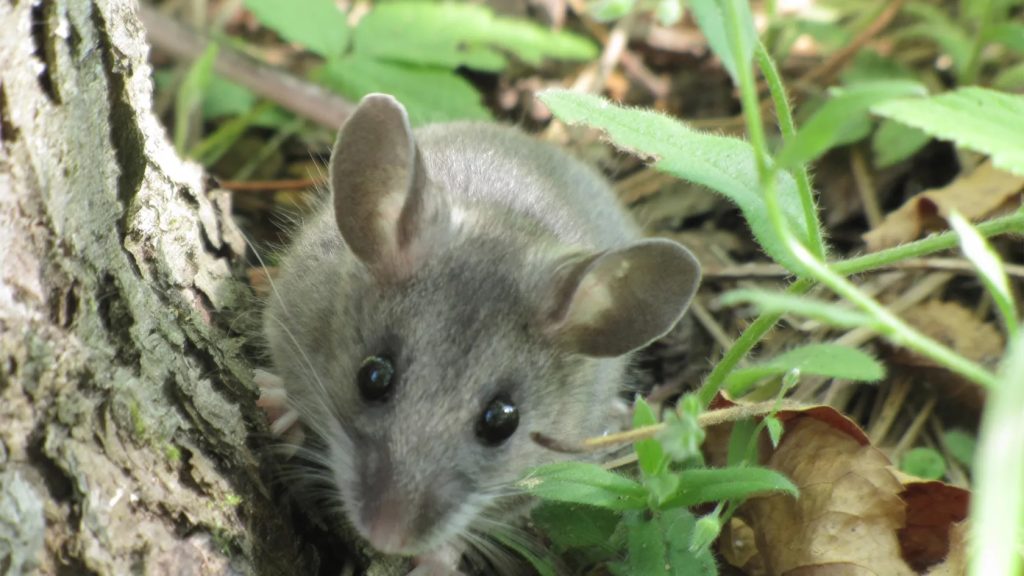
Have you ever wondered if mice can actually freeze to death in the cold? It’s a question that might seem simple, but the answer could surprise you.
If you’ve seen tiny mice scurrying around in winter or heard stories about animals braving harsh frost, you’re probably curious about how these little creatures survive—or if they even do. Keep reading, and you’ll discover fascinating facts about mice, their survival tactics, and what really happens when temperatures drop.
This could change the way you think about these tiny survivors forever.

Credit: www.extremetech.com
Mice And Cold Temperatures
Mice face many challenges in cold temperatures. Their small bodies lose heat quickly. Despite this, mice rarely freeze to death outside. They use smart ways to survive winter weather. Understanding how mice handle cold helps explain their strong survival skills.
How Mice React To Cold
Mice feel cold just like humans do. Their body temperature drops in freezing weather. To fight the cold, mice become less active. They reduce their movements to save energy. Mice also seek warm places to hide. They find shelter in homes, burrows, and piles of leaves. This behavior keeps their body heat stable. Mice may huddle together for extra warmth. Group living helps them survive harsh conditions.
Survival Mechanisms In Winter
Mice use several tricks to survive winter cold:
- Nest Building:Mice create insulated nests using soft materials.
- Food Storage:They gather and store food to eat when resources are scarce.
- Burrowing:Digging tunnels underground protects them from frost and wind.
- Fat Reserves:Mice build body fat to keep warm during low temperatures.
These survival methods help mice live through winter. They adapt quickly and stay hidden. The cold rarely kills healthy mice in natural settings.
Can Mice Freeze To Death?
Mice are small mammals that face many challenges in cold weather. Their tiny bodies struggle to keep warm in freezing temperatures. This raises a question: can mice freeze to death? Understanding how cold affects mice helps answer this.
Effects Of Extreme Cold On Mice
Mice have fur that offers some protection from cold. Still, their small size makes it hard to keep body heat. When temperatures drop too low, mice can suffer from hypothermia. This condition lowers their body temperature dangerously.
Extreme cold slows down a mouse’s movements and reflexes. They become weak and less able to find food or shelter. Prolonged exposure to freezing temperatures can cause frostbite. This damages their skin and extremities.
Mice usually try to avoid freezing by seeking warmth. They hide in insulated places like burrows or inside buildings. Without shelter, their chance of survival drops quickly in cold weather.
Real-life Cases And Studies
Scientists studied how mice survive in cold climates. Experiments showed mice die if exposed to freezing temperatures without protection. They lose body heat fast and cannot recover.
Field studies found mice use clever methods to stay warm. They huddle together and build nests from leaves and grass. These behaviors increase survival chances during cold spells.
Reports from wildlife experts confirm mice rarely freeze to death in nature. They find shelter or enter a state similar to hibernation. This helps them survive until warmer weather returns.
Adaptations That Prevent Freezing
Mice face harsh winter conditions that could cause freezing. They have special adaptations to survive cold temperatures. These adaptations help them maintain body heat and avoid freezing. Understanding these traits shows how mice thrive in cold environments.
Physical Adaptations
Mice have thick fur that traps warm air close to their skin. Their small size helps reduce heat loss. They have a high metabolism that produces body heat quickly. Their tails and ears have less blood flow to keep core temperature stable. These features protect mice from freezing in cold weather.
Behavioral Strategies
Mice seek shelter in burrows or warm places to avoid cold air. They gather in groups to share body heat. Mice store food to eat during winter when food is scarce. They limit activity during the coldest times to save energy. These behaviors help mice survive freezing temperatures safely.

Credit: www.theglobeandmail.com
Environmental Factors Affecting Mice Survival
Mice face many challenges to survive in cold environments. Their survival depends on several environmental factors. These factors affect their ability to stay warm and find enough food. Understanding these helps explain why some mice freeze to death and others survive.
Shelter Availability
Shelter is vital for mice in cold weather. It protects them from wind, snow, and rain. Good shelter keeps mice warm by trapping body heat. Mice often seek shelter in dense vegetation, burrows, or human structures.
Without shelter, mice lose heat quickly. Exposure to cold makes them weak and vulnerable. Shelters also offer safety from predators. Mice build nests with leaves and grass to improve insulation. The more secure the shelter, the better their chances of survival.
Food Sources In Cold Seasons
Food availability affects mice survival during winter. Cold seasons reduce natural food sources like seeds and insects. Mice must find enough calories to maintain body heat.
Stored food or access to human waste helps mice survive. They adapt by eating different foods or searching at night. Limited food weakens mice and lowers their resistance to cold. Consistent food supply supports energy and warmth.
What Happens When Mice Get Too Cold?
Mice are small creatures that rely on warmth to survive. When temperatures drop too low, their bodies struggle to keep warm. Cold weather can cause serious health problems for mice. Their tiny bodies lose heat quickly, risking life-threatening conditions.
Understanding what happens to mice in the cold helps us protect them better. Their response to cold includes physical and behavioral changes. These changes show how their bodies fight to stay alive.
Symptoms Of Hypothermia In Mice
- Shivering or trembling
- Slow movement or lethargy
- Cold and pale skin
- Weakness or inability to stand
- Slow breathing and heartbeat
- Curled-up posture to conserve heat
These signs indicate that a mouse’s body temperature is dangerously low. Hypothermia impairs their ability to function properly.
Recovery And Risks
Warming a cold mouse must be done carefully. Sudden heat can shock their system. Gradual warming with soft blankets or warm water bottles helps.
Risks include permanent organ damage or death if untreated. Mice with severe hypothermia may not recover fully. Quick action improves chances of survival.

Credit: ca.news.yahoo.com
Implications For Pest Control
Understanding whether mice freeze to death has direct effects on how you manage pest control during colder months. Many people assume cold weather alone will reduce mouse populations, but the reality is more complex. Knowing how mice survive winter helps you plan better pest control strategies that work year-round.
Cold Weather And Mouse Populations
Mice are surprisingly tough when it comes to cold weather. They don’t just freeze; they seek warmth inside buildings, burrows, or any sheltered spot. This means cold temperatures may drive them closer to your home, increasing the risk of infestation.
Have you noticed more mouse activity near heating vents or storage areas during winter? That’s because mice exploit warm spots to survive. Their ability to adapt means you can’t rely on cold weather to control them naturally.
Effective Cold-season Strategies
Since mice won’t simply freeze away, your pest control plan needs to adjust for winter challenges. Focus on these key actions:
- Seal Entry Points:Close gaps around pipes, doors, and windows to block their entry.
- Remove Food Sources:Store food in airtight containers and clean crumbs promptly.
- Maintain Traps:Use snap traps or electronic traps regularly, placing them near warm areas where mice gather.
- Monitor Activity:Check for signs like droppings and gnaw marks to catch infestations early.
One winter, I found mice nesting inside a rarely used closet. Simply setting traps there reduced the problem drastically. This shows how targeting their warm hiding spots can improve your control efforts.
Are you ready to rethink your pest control approach during winter? Ignoring mice in cold months might let them multiply unchecked inside your home.
Frequently Asked Questions
Do Mice Die If They Get Too Cold?
Mice can survive cold temperatures but prolonged exposure may cause hypothermia. Extreme cold can lead to freezing and death if they lack shelter and warmth.
How Do Mice Survive Freezing Weather?
Mice survive cold by seeking warm shelters like burrows or homes. They increase body heat by huddling and eating high-energy food to endure freezing weather.
Can Mice Freeze And Thaw Without Harm?
Mice are not adapted to freeze solid and thaw safely. Freezing typically causes fatal damage to their cells and tissues, so they cannot survive freezing and thawing.
What Temperatures Are Lethal For Mice?
Temperatures below freezing (32°F or 0°C) can be lethal if mice have no shelter. Prolonged exposure to cold leads to hypothermia and death in mice.
Conclusion
Understanding how mice react to cold is important. These small creatures face harsh conditions. They do not hibernate like some animals. Cold weather can be dangerous for them. Proper shelter and warmth are crucial for their survival. Observing their behavior helps us know their needs.
Many factors influence their ability to withstand cold. Adequate food supply also plays a key role. Protecting them from extreme cold ensures their well-being. Knowing this helps us care for them better. Let’s keep our furry friends safe during winter.