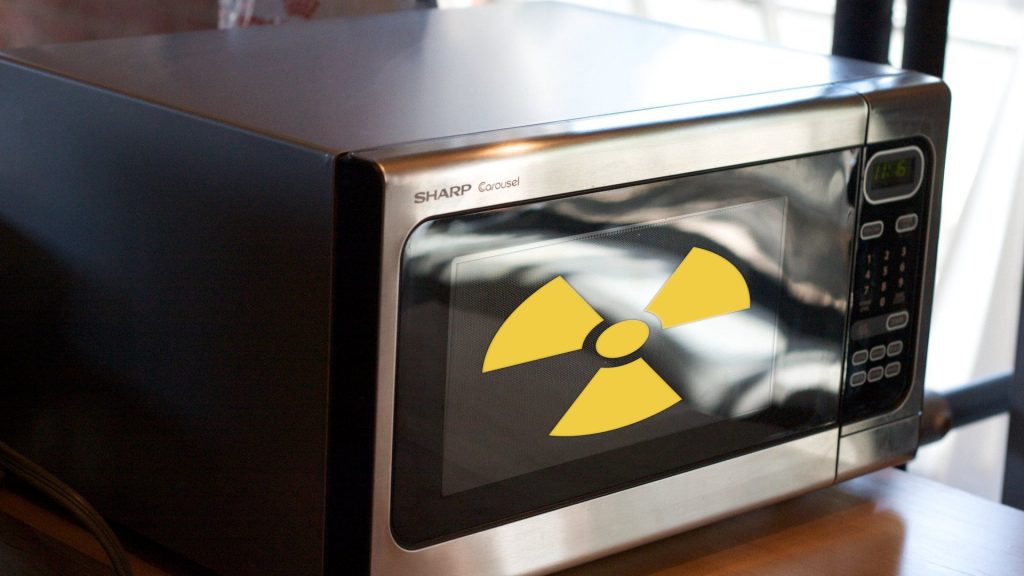
Have you ever stood in front of your microwave oven, watching your popcorn pop or your leftovers heat up, and wondered if you might be exposing yourself to harmful radiation? The idea of radiation can sound scary, and it’s only natural to be concerned about the safety of your kitchen appliances.
You’re not alone in this curiosity, and it’s a topic that sparks interest and worry for many. Could your trusty microwave be leaking radiation right into your home? The answer might surprise you. We’ll dive deep into the science and myths surrounding microwave ovens and radiation.
By the end, you’ll have a clear understanding of how your microwave works and whether it poses any risk to you and your family. Get ready to uncover the truth and put your mind at ease.

Credit: www.youtube.com
How Microwave Ovens Work
Microwave ovens are common in many kitchens. Understanding how they work helps clear up concerns about radiation. These appliances use a special type of energy to heat food quickly and safely.
Microwave Radiation Basics
Microwave ovens use microwave radiation to heat food. This radiation is a form of electromagnetic energy. It is different from harmful radiation like X-rays. Microwaves have a low energy level. They do not make food radioactive.
The microwaves are contained inside the oven. The metal walls and door screen keep the waves from escaping. This design prevents any radiation leakage during cooking.
Cooking Mechanism Explained
Microwaves target water molecules in food. These molecules absorb the energy and start to vibrate. The vibration creates heat, which cooks the food from inside out. This process is faster than traditional cooking methods.
The oven’s turntable helps heat food evenly. It moves the food through the microwave field. This movement reduces cold spots and improves cooking quality.

Credit: interestingengineering.com
Common Myths About Microwave Radiation
Microwave ovens are common in almost every kitchen, yet many people still worry about the radiation they emit. These concerns often come from misunderstandings and myths rather than facts. Let’s look at some common myths about microwave radiation and separate truth from fiction.
Radiation Leakage Concerns
Many believe microwave ovens leak dangerous levels of radiation. In reality, microwaves are designed with multiple safety features to prevent leakage. The metal mesh on the door and tight seals keep radiation safely inside the oven.
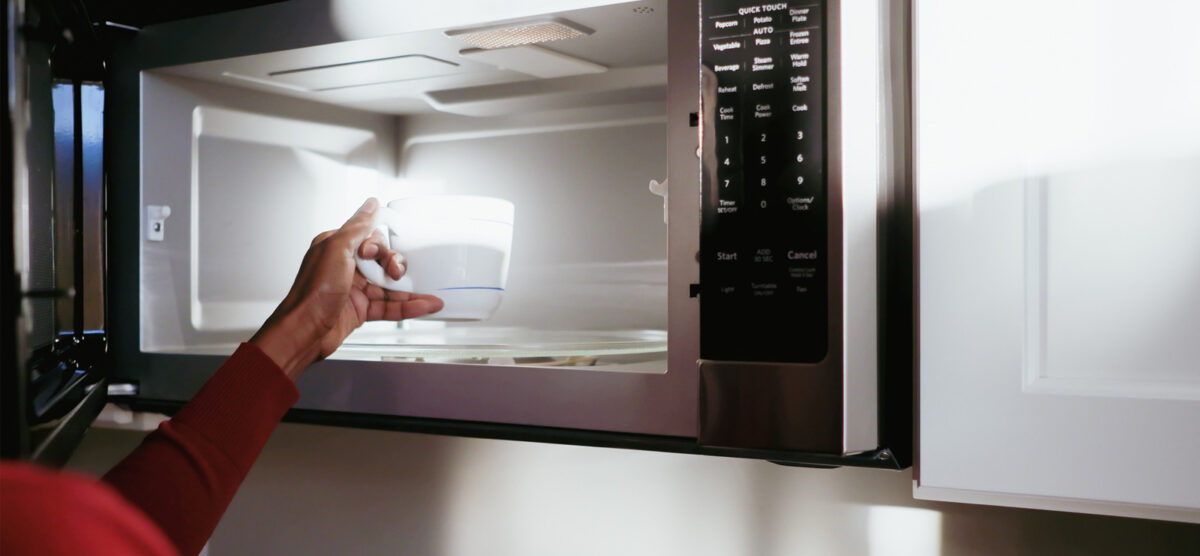
Have you ever noticed how your microwave stops working the moment you open the door? That’s a built-in safety feature to immediately cut off microwave radiation. This design ensures you are not exposed to any radiation while using the oven.
Microwave ovens undergo strict testing to meet government safety standards before they hit the market. So, the chance of harmful radiation leakage is extremely low if you maintain your microwave properly.
Health Risks Misconceptions
Some people think microwave radiation causes cancer or other serious health problems. This is a myth. Microwave ovens use non-ionizing radiation, which doesn’t have enough energy to damage your DNA or cells.
Think about the warmth you feel when microwaving food—it’s just the water molecules vibrating. This energy heats your food but doesn’t cause the harmful effects associated with ionizing radiation like X-rays.
Have you ever wondered why microwaved food doesn’t become radioactive? That’s because the microwaves only agitate water molecules to generate heat—they don’t alter the food’s atomic structure.
To keep your microwave safe, avoid using it if the door seal is damaged or if the door doesn’t close properly. Regularly inspect your appliance, and you’ll continue to enjoy the convenience without any health worries.
Safety Features In Microwave Ovens
Microwave ovens use specific safety features to stop radiation from leaking. These features keep the appliance safe for daily use. They make sure microwaves stay inside the oven while cooking food.
Understanding these safety elements helps clear common fears about microwave radiation.
Shielding And Door Seals
Microwaves have metal shielding to block radiation. This metal mesh covers the oven’s interior walls. It stops microwaves from escaping the cooking area.
The door has a special seal that fits tightly. It prevents any microwave signals from leaking out. The seal is tested to make sure it works well.
Also, the door has a safety switch. This switch stops microwaves if the door opens. It protects users from exposure to radiation.
Regulatory Standards
Microwave ovens follow strict rules set by safety organizations. These rules limit the amount of radiation allowed to leak. The limits are far below harmful levels.
Regulators test ovens before they reach stores. They check shielding, door seals, and electrical parts. Only ovens that pass these tests get approved.
Manufacturers must keep following these rules. Regular inspections ensure continued safety. This helps users trust their microwave ovens every day.
Scientific Studies On Radiation Leakage
Scientific studies have examined microwave ovens to check if they leak radiation. These studies use precise tools to measure radiation levels around the oven. Scientists want to make sure these appliances are safe for everyday use. They focus on how much, if any, radiation escapes during operation.
Measurement Techniques
Researchers use special meters to detect microwave radiation. These meters measure energy in the frequency range microwaves use. Tests happen in controlled environments to avoid outside interference. Scientists place meters near door seals and vents where leaks could occur. They often use multiple meters to verify accuracy. Some studies simulate long-term use to check for wear and tear effects.
Findings On Emission Levels
Most studies find radiation levels near microwave ovens are very low. Emissions usually fall well below international safety limits. The metal screen on microwave doors blocks most radiation effectively. Slight leaks detected are far below harmful levels. Radiation drops quickly as distance from the oven increases. Research confirms modern microwaves meet strict safety standards worldwide.
Signs Of Microwave Oven Damage
Microwave ovens are common in many kitchens. They heat food quickly using radiation. This radiation is contained inside the microwave. Damage to the microwave can cause radiation to leak. Recognizing signs of damage helps keep your family safe.
Door Seal Wear And Tear
The door seal is a key part. It keeps radiation inside the oven. Over time, the seal can crack or become loose. Dirt or food particles may build up on the seal. This stops it from closing tightly. A damaged or dirty seal can cause leaks.
Check the seal often. Look for cracks, gaps, or warping. Clean the seal with a damp cloth to remove debris. Do not use harsh chemicals. If the seal is damaged, do not use the microwave until repaired or replaced.
When To Replace Your Microwave
Microwaves last about 7 to 10 years. Signs to replace include:
- Door does not close properly
- Visible damage to the door or body
- Unusual noises or sparks inside
- Food heats unevenly or slowly
Older microwaves may have worn-out parts. Repair may cost more than a new unit. Replace the microwave to avoid radiation risks. Always buy a microwave that meets safety standards.
Credit: domadia.net
Tips To Minimize Radiation Exposure
Microwave ovens are a staple in many kitchens, but concerns about radiation exposure can make you cautious. The good news is that you can easily reduce any potential risks with simple habits. Paying attention to how you use and maintain your microwave, along with keeping a safe distance, makes a big difference.
Proper Use And Maintenance
Always check the microwave door and seals regularly. Damaged or warped seals can allow microwaves to leak out, increasing exposure. I once noticed a small crack in my microwave door and replaced the unit immediately—it gave me peace of mind.
Keep the microwave clean inside and out. Food splatters can absorb energy and cause uneven heating, which might affect the microwave’s efficiency and safety. Also, avoid running the microwave empty; it can cause the magnetron to overheat and possibly leak radiation.
- Don’t tamper with or modify your microwave’s safety features.
- Use containers labeled microwave-safe to avoid chemical leaching.
- Follow the manufacturer’s instructions for operation and care.
Safe Distance Recommendations
You don’t have to stand far away, but maintaining a reasonable distance while the microwave is operating is wise. Standing about 1 to 2 feet away can significantly reduce your exposure to any stray radiation. Have you ever noticed how you instinctively step back when the microwave runs? That’s your body’s natural response to reduce exposure.
Consider placing your microwave in an open space rather than a cramped corner. This not only helps with ventilation but also makes it easier to keep a safe distance. If you have children, teach them to wait until the microwave finishes before approaching it.
- Stand to the side rather than directly in front of the microwave.
- Use a timer or watch the microwave from a distance instead of leaning over.
- Keep pets away during operation to avoid unnecessary exposure.
Comparing Microwave Radiation To Other Sources
Microwave ovens use radiation to heat food quickly. Many worry about radiation leaking and its effects on health. To understand the risk, compare microwave radiation to other common radiation sources.
Everyday Radiation Exposure
People encounter radiation daily from natural and man-made sources. Sunlight emits ultraviolet radiation. The earth gives off low-level radiation. Household items like smoke detectors also emit small amounts.
These everyday radiations are usually low and safe. They do not cause harm at normal exposure levels. Microwave ovens use non-ionizing radiation. This type of radiation does not damage DNA or cells.
Microwaves Vs. Mobile Phones
Mobile phones emit radiofrequency radiation, similar to microwaves. Both use non-ionizing radiation but at different levels. Phones hold close to the head for long periods. Microwaves work inside metal boxes, blocking radiation from escaping.
Studies show phone radiation exposure is higher than microwaves leakage. The microwave oven’s design limits radiation outside the oven. Mobile phone signals travel through the body more than microwaves do.
Debunking Popular Microwave Radiation Myths
Many people worry about microwave ovens leaking harmful radiation. These fears often come from misunderstandings. It is important to clear up common myths. This section focuses on two popular myths about microwave radiation.
Microwaves Cause Cancer
Microwaves use non-ionizing radiation. This type of radiation does not damage DNA. It cannot cause cancer like X-rays or UV rays. The oven’s metal walls keep microwaves inside. Modern microwaves follow strict safety rules. Studies show no link between microwave use and cancer risk. Cooking food with a microwave is safe.
Food Becomes Radioactive
Microwaves heat food by making water molecules move fast. This creates heat to cook food. The radiation does not change the food’s structure. Food does not absorb radiation or become radioactive. Eating microwave-cooked food is the same as eating food cooked by other methods. No radiation stays in the food after heating.
Frequently Asked Questions
Do Microwave Ovens Emit Harmful Radiation?
Microwave ovens emit low-level non-ionizing radiation, which is safe. The radiation heats food but does not cause harm to humans when used properly.
Can Microwave Ovens Leak Radiation When Damaged?
Yes, damaged microwave ovens can leak small amounts of radiation. However, modern ovens have safety features to prevent significant leaks and protect users.
How To Check If A Microwave Leaks Radiation?
Use a microwave leakage detector to check radiation levels. Regularly inspect door seals and hinges for damage to avoid leaks.
Is Microwave Radiation Harmful To Health?
Microwave radiation is non-ionizing and generally safe. It does not cause cancer or other health issues when used according to manufacturer instructions.
Conclusion
Microwave ovens are designed to keep radiation inside. This means very little radiation escapes during cooking. Regular use of a microwave is safe for your health. The metal screen on the door blocks microwaves effectively. Always check for damage before using your microwave.
If the door or seal is broken, stop using it. Following these simple steps helps you stay safe. Remember, microwaves heat food quickly without harmful radiation risks. Use your microwave with confidence and care every day.