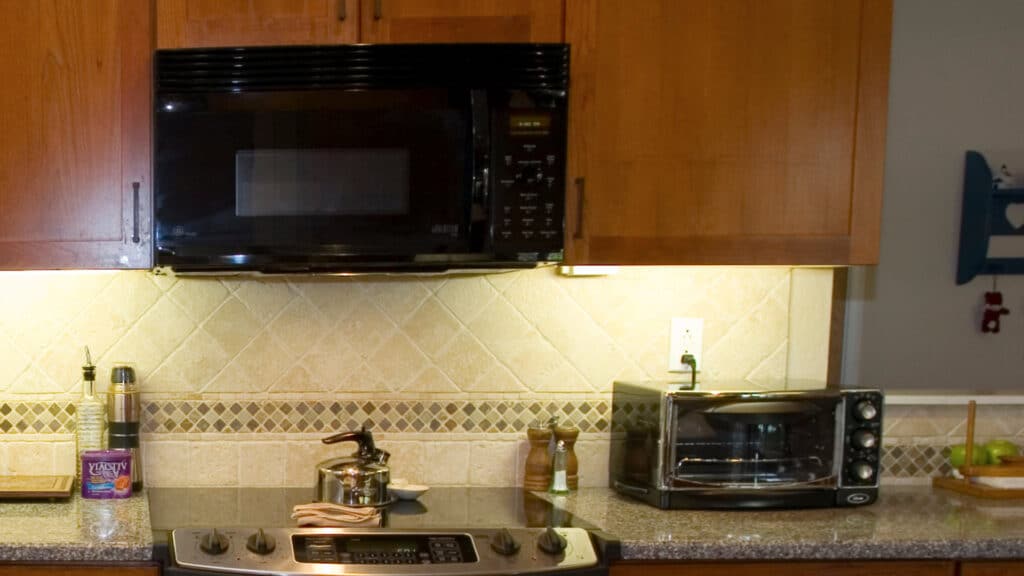
Have you ever noticed your microwave taking longer to heat up your favorite leftovers? You’re not alone.
Many people wonder if microwave ovens lose power over time. This question is more than just a curiosity—it’s about your daily convenience and the life of your trusted kitchen appliance. You rely on your microwave for quick meals and snacks, so understanding its performance is crucial.
Stick around, because we’re about to dive into the science behind this household staple. We’ll explore whether your microwave’s power can dwindle with age and what signs to watch for to keep your kitchen running smoothly.

Credit: www.allelcoelec.com
How Microwave Power Works
Understanding how microwave power works is key to knowing if your microwave oven really loses power over time. The heart of the microwave’s cooking ability lies in how it generates and uses energy. Let’s break down the main components and what the power ratings mean for your everyday use.
Microwave Magnetron Basics
The magnetron is the core part that creates the microwaves inside your oven. It converts electrical energy into microwave radiation, which heats your food. Over time, like any electronic component, the magnetron can wear out and produce less energy.
Think about your microwave heating a cup of water. If the magnetron weakens, it might take longer to heat the same amount of water. This drop in performance is a clear sign that the magnetron’s power output has declined.
Power Ratings Explained
Microwave ovens come with power ratings measured in watts, usually ranging from 600 to 1200 watts. This rating tells you how much energy the oven uses to create microwaves. Higher wattage means faster and more even cooking.
When shopping for a microwave, you might see labels like “700W” or “1000W.” But remember, this is the power it was designed to deliver when new. Over years of use, actual output can be lower, affecting cooking times and results.
Do you notice your meals taking longer to heat or cook unevenly? That’s a practical clue your microwave might be losing power. Knowing how these ratings work helps you decide whether it’s time for a replacement or repair.
Signs Of Power Loss
Microwave ovens may lose power over time. This change often affects how well they cook food. Recognizing signs of power loss helps you decide when to repair or replace your microwave. Pay attention to changes in cooking performance and sounds.
Longer Cooking Times
Food takes more time to heat or cook than before. Meals that cooked quickly now need extra minutes. This delay means the microwave may not deliver full power. Cooking times that stretch unexpectedly often indicate power loss.
Uneven Heating Patterns
Food heats unevenly inside the microwave. Some parts are hot, while others remain cold or lukewarm. This inconsistency points to weaker microwave energy. Uneven heating suggests the microwave’s magnetron or components might be failing.
Unusual Noises
Strange sounds come from the microwave during use. Buzzing, humming, or rattling noises are not normal. These sounds might signal internal issues affecting power output. Pay attention to new or louder noises during cooking.
Common Causes Of Power Drop
Microwave ovens can lose power over time. This happens due to several common reasons. Understanding these causes helps in maintaining your microwave’s performance. Below are key factors that lead to power drops.
Wear And Tear Of Components
Microwave parts face constant stress during use. The magnetron, which creates microwaves, wears out slowly. Other components like capacitors and transformers also degrade. Over time, these parts lose efficiency. This reduces the microwave’s overall power and heating ability.
Dirty Or Damaged Parts
Grease, food particles, and dust can build up inside the microwave. Dirt on the waveguide or inside the cavity blocks microwaves. This lowers cooking power. Damaged parts such as a torn door seal can leak microwave energy. This causes less heat inside the oven, reducing power.
Electrical Issues
Power drops can stem from electrical problems. Loose wiring or faulty connections affect power flow. Voltage fluctuations in your home can damage microwave circuits. A worn-out fuse or switch also causes power loss. These issues reduce the microwave’s ability to work at full strength.
Testing Microwave Power
Testing the power of your microwave oven can reveal whether it has weakened over time. Knowing the actual strength helps you decide if it’s time for a replacement or if a simple adjustment will fix your cooking issues. There are easy ways to check this at home, as well as more precise tools designed for the job.
Simple Home Tests
You can test your microwave’s power without any special equipment. One common way is to heat a cup of water and measure the time it takes to boil.
- Fill a microwave-safe cup with 250 ml (about one cup) of water.
- Place it in the microwave and heat on high for one minute.
- Check if the water is boiling or very hot by the end of the time.
If the water is barely warm or not boiling, your microwave might be losing power. You can also repeat this test with a microwave popcorn bag and see if it pops fully within the recommended time. These simple tests give you a quick idea but aren’t 100% accurate.
Using Microwave Power Meters
For a more precise measurement, microwave power meters are a great tool. These devices measure the actual energy output of your microwave, giving you a clear picture of its current power level.
Power meters work by detecting the microwave radiation inside the oven cavity. Some models are handheld and easy to use, while others connect to your microwave for continuous monitoring.
Investing in a power meter can save you time and guesswork, especially if you rely on your microwave daily. Have you ever wondered if your microwave is truly delivering the heat it promises? A power meter answers that question with data, not guesswork.
Maintaining Microwave Efficiency
Maintaining a microwave’s efficiency helps it cook food evenly and saves energy. Small actions can keep the microwave working well for a long time. Regular care prevents power loss and extends its life.
Regular Cleaning Tips
Clean the microwave inside after every use. Wipe spills and food splatters with a damp cloth. Use mild soap for tougher stains. Avoid harsh chemicals that can damage surfaces. Clean the door seal to keep it tight. A clean microwave heats food more evenly.
Avoiding Overuse
Give your microwave breaks between uses. Continuous operation can cause overheating and reduce power. Use the microwave only for recommended cooking times. Avoid running it empty, as this can harm the magnetron. Proper use helps maintain steady power output.
Professional Servicing
Schedule regular check-ups with a qualified technician. They can inspect and fix worn parts like the magnetron. Professionals clean internal components safely and check electrical connections. Early repairs prevent major power loss and keep the microwave efficient. Trust experts for safe and effective maintenance.

Credit: www.searshomeservices.com
When To Replace Your Microwave
Knowing when to replace your microwave is key to keeping your kitchen running smoothly and safely. Over time, microwaves can lose power and efficiency, but how do you decide if repair or replacement is the better choice? Understanding the balance between cost, performance, and safety can guide you to the right decision.
Cost Vs. Repair
Microwaves are generally affordable, but repairs can sometimes cost almost as much as a new unit. If your microwave is older than five years and needs a repair that costs more than 50% of a new one, it might be time to replace it.
Think about how often you use your microwave daily. If it’s a kitchen staple, investing in a new, energy-efficient model could save you money and hassle over time. On the other hand, if your microwave is relatively new and the repair is minor, fixing it might make more sense.
Safety Considerations
Microwaves work with high-voltage components, which can degrade and become dangerous as they age. If you notice sparks, strange noises, or a burning smell, stop using your microwave immediately.
Leaking microwaves can expose you to harmful radiation, even if the amount is small. Damaged door seals or broken parts should never be ignored. Your safety should always come before convenience or cost savings.
Ask yourself: Is the risk of continuing to use an old microwave worth it, especially when a new one could offer better safety features? Sometimes, replacing your microwave is not just about power but peace of mind.

Credit: www.searshomeservices.com
Frequently Asked Questions
Do Microwave Ovens Lose Power With Age?
Yes, microwave ovens can lose power over time due to wear on components. Magnetron efficiency decreases, reducing heating strength and cooking speed gradually.
How To Tell If Microwave Power Is Declining?
If food takes longer to heat or cooks unevenly, your microwave’s power may be declining. Testing with water heating time can help confirm this.
Can Microwave Power Loss Be Fixed?
Power loss can sometimes be fixed by replacing the magnetron or other worn parts. However, repairs may cost as much as a new microwave.
Does Frequent Use Cause Microwave Power Loss?
Frequent use contributes to component wear, especially the magnetron, causing gradual power loss. Proper maintenance can help extend your microwave’s effective lifespan.
Conclusion
Microwave ovens can lose power as they get older. This happens because parts wear out or get dirty. Regular cleaning and maintenance help keep them strong. Using the microwave properly also makes a difference. If your food takes longer to cook, it might be time to check the oven.
Small fixes can improve power without buying a new one. Pay attention to signs of weak heating. A well-kept microwave lasts longer and works better every day. Simple care goes a long way.