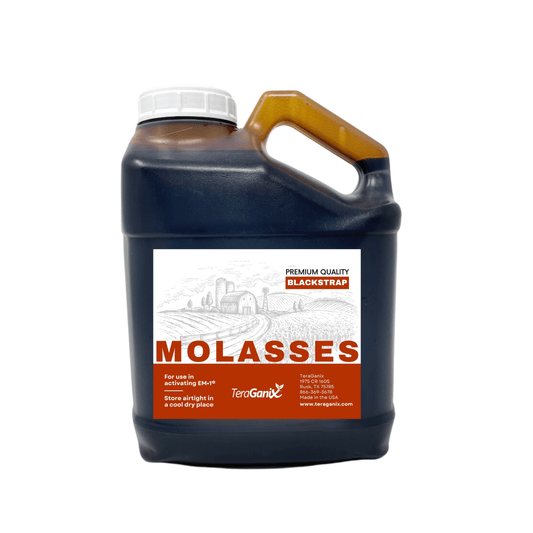
Do you ever wonder if molasses needs to be refrigerated after opening? You’re not alone.
Many people struggle with how to store this thick, sweet syrup to keep it fresh and tasty. If you’ve found your molasses hardening or changing in flavor, knowing the right storage method can save you time and money. You’ll discover simple tips to keep your molasses perfect for every recipe.
Keep reading to find out the best way to store your molasses so it stays just right.

Credit: www.youtube.com
Molasses Shelf Life
Molasses is a pantry staple for many kitchens, prized for its rich flavor and versatility. But how long can you keep it before it loses quality or becomes unsafe? Understanding the shelf life of molasses helps you use it wisely without waste or worry.
Unopened Molasses Duration
Unopened molasses can last quite a long time if stored properly. Typically, it stays good for about 1 to 2 years past the printed expiration date when kept in a cool, dark place. The sealed container protects it from air and moisture, which helps maintain its quality.
Have you ever noticed the thick syrup in your pantry looking darker or crystallized over time? This change usually doesn’t mean it’s spoiled but rather a natural process called sugar crystallization. You can gently warm the jar to restore its smooth texture without affecting safety.
Opened Molasses Duration
Once opened, molasses has a shorter shelf life due to exposure to air and potential contaminants. You can expect it to stay fresh for about 6 months to 1 year if you keep it tightly sealed and stored in a cool place.
Refrigeration can extend the opened molasses’ shelf life, especially in warmer climates or humid kitchens. If you notice any off smell, mold, or drastic changes in texture, it’s best to discard it. Do you check the jar regularly or rely on smell and appearance to decide?
Storage Temperature Effects
Storage Temperature Effectsplay a crucial role in maintaining the quality and shelf life of molasses. The temperature at which you store molasses can affect its texture, flavor, and usability over time. Understanding these effects can help you decide the best way to keep your molasses fresh and ready for use whenever you need it.
Room Temperature Storage
Storing molasses at room temperature is common and generally safe if you use it quickly. The syrup remains pourable and easy to scoop, which is ideal for everyday cooking or baking.
However, if you leave molasses out for too long, especially in warm or humid conditions, it may thicken or crystallize. This change doesn’t mean the molasses is spoiled, but it can make it harder to use.
Have you ever found a jar of molasses that’s become grainy? That’s often due to storing it at room temperature for extended periods. To prevent this, keep the jar tightly sealed and away from direct sunlight.
Refrigerated Storage
Refrigerating molasses slows down any changes in texture and flavor, helping it stay fresh for a longer time. The cooler environment reduces the risk of fermentation or mold growth, especially if the jar is opened frequently.
On the downside, molasses can become very thick and harder to pour when chilled. You might need to warm the jar slightly before use to restore its smooth texture.
Think about your cooking habits: if you use molasses rarely, refrigeration might save you from wasting it. But if you use it often, keeping it at room temperature could be more convenient despite some thickening over time.
Signs Of Spoiled Molasses
Knowing how to spot spoiled molasses can save you from a ruined recipe or an unpleasant taste experience. Even though molasses has a long shelf life, it can go bad if not stored properly. Recognizing the signs early helps you decide whether it’s safe to use or time to toss it out.
Changes In Smell
Molasses usually has a rich, sweet aroma with hints of caramel. If you notice a sour or off-putting smell, that’s a clear warning sign. Sometimes, molasses develops a fermented or slightly alcoholic scent, which means it’s starting to spoil.
Have you ever opened a jar expecting that familiar sweet smell, only to be hit with something unpleasant? That’s your cue to avoid using it in your cooking or baking.
Texture And Appearance Changes
Fresh molasses is thick and smooth, flowing slowly when poured. Spoiled molasses may become lumpy, crystallized, or unusually watery. These texture changes show that the product’s quality is compromised.
Look closely at the color too. While molasses is naturally dark, any mold spots or unusual discoloration indicate spoilage. If you see these changes, it’s best not to risk it with your dishes.
Credit: www.kentucky.com
Best Containers For Molasses
Choosing the best container for molasses helps keep it fresh and easy to use. Proper storage stops molasses from hardening or spoiling. The right container also protects molasses from air, light, and moisture. These factors affect molasses’ quality and shelf life.
Original Packaging
Molasses usually comes in a sturdy plastic or glass bottle. These containers seal tightly to keep air out. The original packaging is designed to store molasses safely. It prevents spills and leaks during handling.
Keep the molasses bottle closed tightly after each use. Store it in a cool, dark place to maintain flavor. The original bottle is often enough for home use. It is convenient and protects molasses well.
Alternative Storage Options
Glass jars with airtight lids work well for molasses. They do not react with the sticky syrup. Glass is easy to clean and reuse. Use a clean spoon or spatula to avoid contamination.
Plastic containers made for food storage can be used too. Choose BPA-free containers to keep molasses safe. Avoid metal containers as molasses can react and change taste.
Label alternative containers with the date of transfer. This helps track freshness and avoid waste. Store containers in a cool, dark cabinet or pantry.
Tips To Maximize Freshness
Keeping molasses fresh helps maintain its rich flavor and texture. Simple care tips can extend its shelf life. Proper handling prevents spoilage and keeps it safe to use for longer.
Avoiding Contamination
Always use a clean spoon or utensil when scooping molasses. Avoid dipping fingers or dirty tools into the container. Contamination can cause mold or fermentation. Keep the container away from moisture and food particles.
Proper Sealing Techniques
Close the molasses jar tightly after each use. Use the original lid or a food-safe airtight cover. Store the container in a cool, dark place away from sunlight. This prevents exposure to air and slows down spoilage. A sealed container keeps molasses thick and fresh for months.

Credit: www.amazon.com
Frequently Asked Questions
Do Molasses Need Refrigeration After Opening?
Molasses does not require refrigeration after opening. Store it in a cool, dark place. Properly sealed, it stays fresh for months.
How Long Does Molasses Last Without Refrigeration?
Unrefrigerated molasses lasts up to a year if sealed well. Keep it away from heat and sunlight for best quality.
Can Refrigerating Molasses Extend Its Shelf Life?
Refrigeration can extend molasses’ shelf life slightly but is not necessary. It may thicken when cold but remains safe to use.
What Is The Best Way To Store Molasses?
Store molasses in a tightly sealed container in a cool, dark cupboard. Avoid exposure to heat and air to maintain quality.
Conclusion
Storing molasses properly keeps it fresh and tasty. No need to refrigerate. A cool, dark place works best. Tight lids prevent spoilage and flavor loss. Check for changes like mold or sour smell. Use within the recommended time. This ensures the best quality and taste.
Understanding storage helps enjoy molasses longer. It’s easy and practical. Proper care keeps your sweetener ready for use. Enjoy your molasses in recipes, knowing it’s stored right. Simple steps for great results.