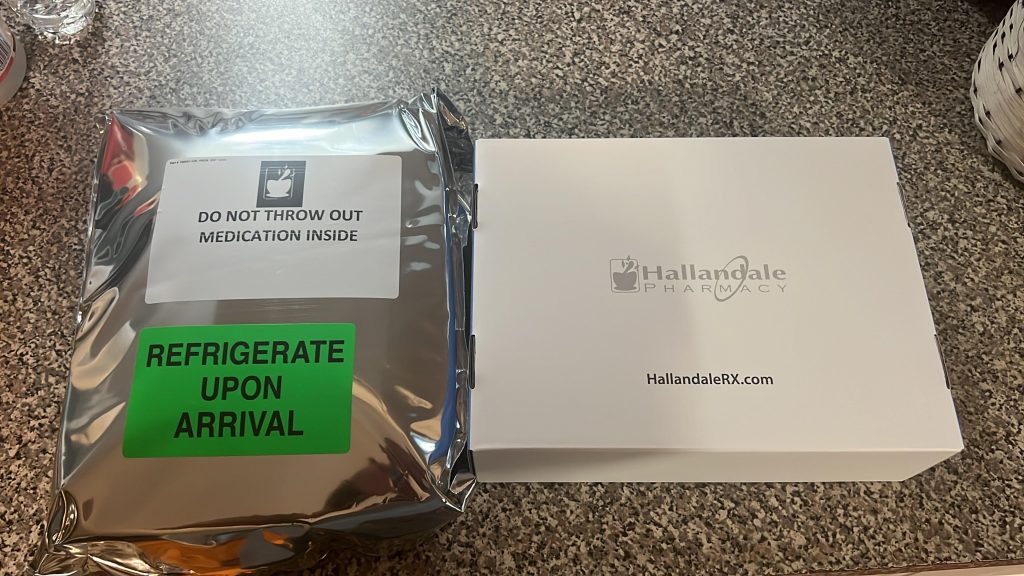
Imagine this: You’ve just picked up your prescription from the pharmacy, and you’re ready to store it safely. What’s the first thing you think of?
For many, it’s the fridge. But did you know that not all medications should be refrigerated? Yes, that’s right. There are certain medications that actually lose their effectiveness when exposed to the cold. Storing them in the fridge might seem like a safe bet, but it could be doing more harm than good.
Curious to know which medications should stay out of the chill? Stay with us as we reveal the essential “Do Not Refrigerate Medication List. ” This guide could be the key to ensuring your medications work as intended, safeguarding your health and peace of mind. Let’s dive in and discover how you can store your medications correctly to keep them effective and safe for use.

Credit: www.amazon.com
Medications That Should Stay Room Temperature
Not all medications need to be stored in the fridge. In fact, many drugs lose their effectiveness or get damaged if kept too cold. Knowing which medications should stay at room temperature can save you from taking a less effective dose or even harming yourself unintentionally.
Common Pills And Tablets
Pills and tablets often do best when stored in a cool, dry place away from direct sunlight. Medicines like ibuprofen, acetaminophen, and many antibiotics are designed to stay stable at room temperature.
Think about your daily vitamins or allergy pills—they rarely need refrigeration. But always check the label or ask your pharmacist to be sure. Have you ever noticed a pill bottle warning against refrigeration? That’s your first clue.
Topical Creams And Ointments
Creams and ointments generally prefer room temperature storage. Products like hydrocortisone cream, antifungal ointments, and antibiotic creams keep their texture and strength better when not chilled.
Storing these in the fridge can cause them to separate or become hard to apply. If you’ve ever had a cream that felt gritty or unusually thick, it might have been stored incorrectly. Keeping them where you can easily reach them also helps you remember to use them consistently.
Certain Liquid Medications
Not all liquids need cold storage either. Some cough syrups, eye drops, and liquid pain relievers are made to be stable at room temperature.
These liquids often contain preservatives that keep them safe without refrigeration. However, exposure to heat and light can still degrade them, so storing them in a cabinet away from windows is best. Have you ever wondered why some bottles say “store below 25°C”? That’s to protect the medicine’s integrity without needing a fridge.
Credit: www.goodrx.com
Why Refrigeration Can Harm Some Medicines
Not all medicines like cold temperatures. Storing some drugs in the refrigerator can actually damage them. This damage might reduce their effectiveness or even make them unsafe to use.
Effects Of Cold On Drug Stability
Cold temperatures can cause certain medicines to break down faster or change their chemical makeup. For example, some liquid antibiotics might thicken or separate when chilled.
Have you ever noticed a medication looking different after refrigeration? That’s a sign its stability has been affected, making it less reliable.
Changes In Medication Potency
Potency refers to how well a medicine works. When you refrigerate drugs that shouldn’t be cooled, their strength can weaken over time.
Imagine taking a painkiller that’s lost potency — you might not get the relief you expect. This can delay recovery and cause frustration.
Risk Of Contamination
Cold environments can sometimes encourage moisture buildup inside medication containers. Moisture can lead to mold or bacteria growth, contaminating the medicine.
Have you ever seen condensation inside a pill bottle? That moisture can be harmful and reduce the safety of your medication.
Identifying Storage Instructions On Labels
Knowing how to identify storage instructions on medication labels is crucial for keeping your medicines safe and effective. These labels provide essential information that tells you whether a drug needs to be kept at room temperature or away from heat, moisture, and light. Missing or misreading these details can reduce a medication’s potency or even cause harm.
Reading Medication Packaging
Start by carefully reading the packaging every time you get a new medication. Look for phrases like “Do not refrigerate”or “Store below 25°C”. These instructions are often printed near the drug name or dosage information.
Sometimes, the instructions are on the box, the bottle, or even the enclosed leaflet. If you’ve ever tossed a pill bottle aside without reading these details, consider how important it is to check each time. Your medication’s effectiveness depends on it.
Understanding Storage Symbols
Labels also use symbols to communicate storage needs quickly. For example, a small thermometer icon with a number indicates the ideal temperature range. A crossed-out snowflake symbol means the medication should not be stored in the fridge.
Recognizing these symbols can save you from storing medicines incorrectly. Have you noticed these icons before? Taking a moment to learn them can prevent costly mistakes.
When To Follow Pharmacist Advice
Sometimes, the packaging might not be clear or you have questions about storage. This is when you should reach out to your pharmacist. They can clarify whether a medication should be kept cool, away from sunlight, or at room temperature.
Pharmacists often know about special conditions for new or less common medications. Don’t hesitate to ask them, especially if you’re managing multiple prescriptions. Your health depends on getting these details right.
Safe Storage Tips For Non-refrigerated Drugs
Storing medications that don’t require refrigeration might seem straightforward, but it demands careful attention to maintain their effectiveness. Incorrect storage can reduce potency or even make some drugs unsafe to use. Here are key tips to help you store your non-refrigerated medications safely and effectively.
Choosing The Right Environment
Pick a cool, dry place away from direct sunlight to keep your medications stable. Bathrooms and kitchen counters might seem convenient but often have moisture and temperature fluctuations that can harm your drugs.
Consider a dedicated medicine cabinet in a bedroom or hallway closet where temperature stays steady. Have you checked your current storage spots for potential heat or moisture risks?
Avoiding Heat And Humidity
Heat and humidity accelerate medication breakdown. Avoid storing pills near ovens, dishwashers, or windows where sunlight hits directly.
Using silica gel packets or moisture absorbers inside your medicine container can help control humidity. Think about how often you open the container—frequent exposure to air can increase moisture inside.
Using Childproof Containers
Safety is a priority, especially if you have children or pets at home. Childproof containers prevent accidental ingestion and keep medications secure.
Always keep medication containers tightly closed and out of reach. Have you considered labeling your bottles clearly to avoid confusion and ensure everyone in your household knows what’s inside?
Common Mistakes In Medication Storage
Many people overlook how they store their medications, leading to reduced effectiveness or even harm. Small mistakes in storage can change how a drug works, sometimes making it unsafe to use. Understanding common errors helps you protect your health and your medicine’s potency.
Keeping Medicines In The Bathroom
Bathrooms are a popular spot for storing medication, but the humidity and temperature changes can damage many drugs. Moisture from showers and baths can cause pills to break down faster or lose strength.
Have you ever noticed your pills feeling sticky or clumpy? That’s a sign they’ve absorbed moisture. Instead, keep your medicine in a dry, cool place away from steam and water.
Exposing Drugs To Sunlight
Many medicines are sensitive to light, which can cause them to degrade or change chemically. Leaving pills or liquids on a sunny windowsill might seem harmless, but sunlight can reduce their effectiveness quickly.
Ask yourself: Is your medicine bottle transparent or dark-colored? Dark bottles protect medicine better, but no bottle can stop direct sunlight. Store medications in a shaded, dark place to extend their shelf life.
Ignoring Expiration Dates
Using expired medication is a risky gamble. Over time, drugs lose potency and may not treat your condition properly, or worse, cause unexpected side effects.
It’s easy to forget when you bought a bottle months ago, but checking expiration dates regularly ensures your medicine works when you need it. Have you ever found a bottle far past its date? Toss it and get a fresh supply.

Credit: www.amazon.com
Handling Special Cases And Exceptions
Handling medications that require special storage can be tricky. Some drugs need refrigeration to stay effective, while others lose potency if chilled. Understanding these exceptions helps you manage your medicines safely and avoid wasting them.
Medications That Need Refrigeration
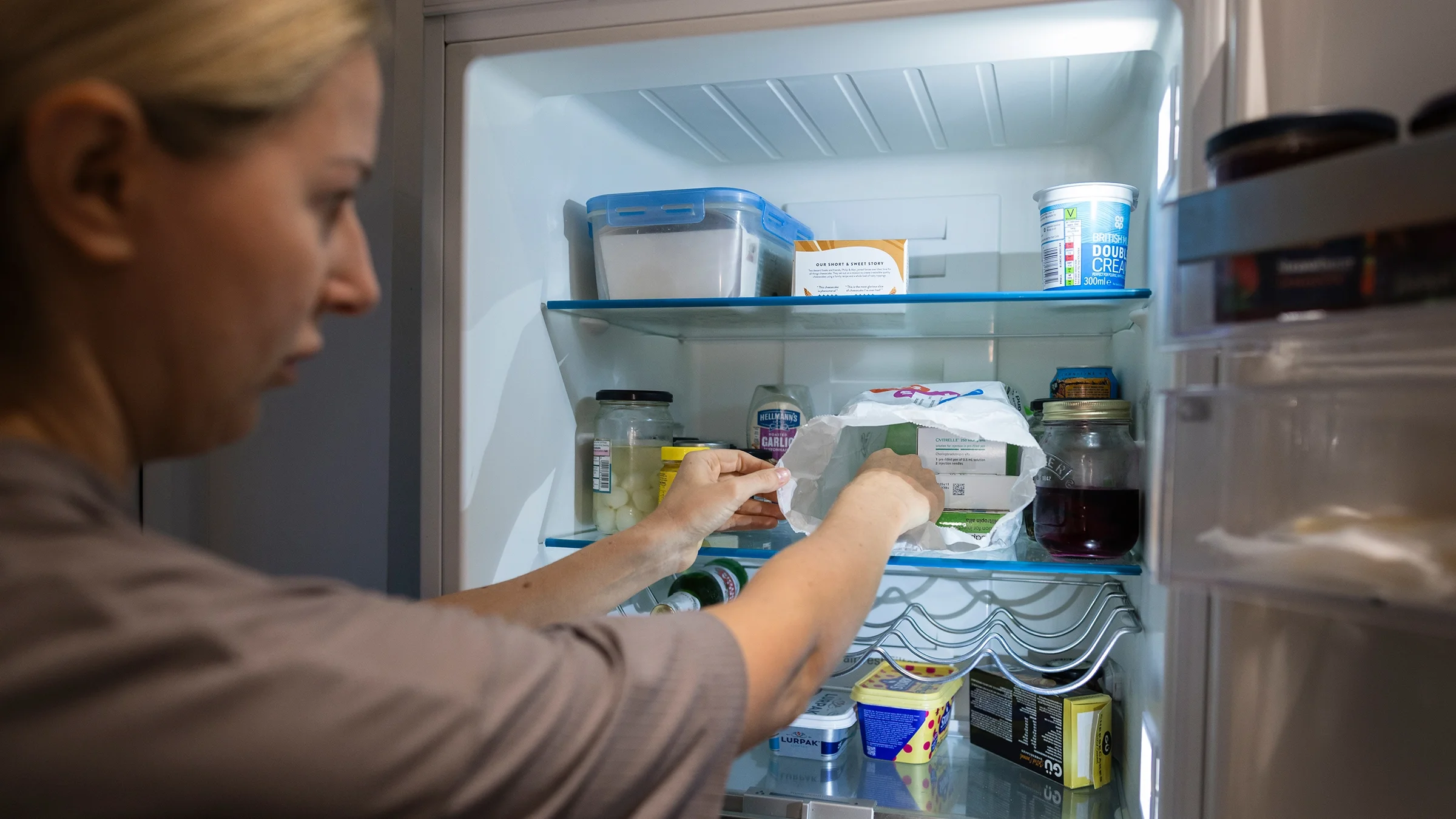
Not all medicines should be kept at room temperature. Certain medications like insulin, some vaccines, and eye drops need cold storage to maintain their strength.
For example, insulin must stay between 36°F and 46°F (2°C to 8°C). If it warms up, it can become less effective, risking your health. Always read the label and follow storage instructions carefully.
Traveling With Temperature-sensitive Drugs
Travel can complicate medication storage, especially if you don’t have access to a fridge. How do you keep temperature-sensitive drugs safe on the go?
- Use insulated bags or coolers with ice packs.
- Check airline rules for carrying medications and refrigeration devices.
- Plan your travel times to avoid long exposure to heat.
Carrying a doctor’s note explaining the need for special storage can ease security checks. Have you ever faced a challenge storing your meds while traveling?
Consulting Healthcare Providers
If you’re unsure about how to store your medication, ask your pharmacist or doctor. They can give advice tailored to your specific treatment and lifestyle.
Some drugs may have flexible storage options or alternatives that suit your situation better. Never guess when it comes to your medicine’s safety; professional guidance prevents costly mistakes.
Frequently Asked Questions
Which Medications Should Never Be Refrigerated?
Medications like aspirin, hydrocortisone, and doxycycline should not be refrigerated. Cold temperatures can alter their effectiveness and stability. Always check the label or consult your pharmacist for proper storage instructions to ensure medication safety and efficacy.
Why Is Refrigeration Harmful For Some Medicines?
Refrigeration can cause some medicines to lose potency or change chemically. Moisture and cold may degrade active ingredients or affect absorption. Proper storage at room temperature helps maintain drug effectiveness and shelf life.
How To Store Medications That Don’t Need Refrigeration?
Store them in a cool, dry place away from direct sunlight. Avoid bathrooms or kitchens due to humidity. Use original containers and follow label instructions to maintain medication quality and safety.
Can Refrigeration Cause Medication Side Effects?
Improperly stored medication may become less effective or harmful. Changes in composition can lead to unexpected side effects or reduced treatment benefits. Always store medicines as directed to avoid health risks.
Conclusion
Many medicines lose their strength if refrigerated. Keep them at room temperature instead. Store them away from heat, light, and moisture. Always read the label for proper storage instructions. This helps the medicine work well and stay safe. Remember, some medicines need cold storage—check carefully.
Proper care extends the medicine’s life and protects your health. Simple habits make a big difference in medicine safety. Stay informed and handle your medicine the right way.