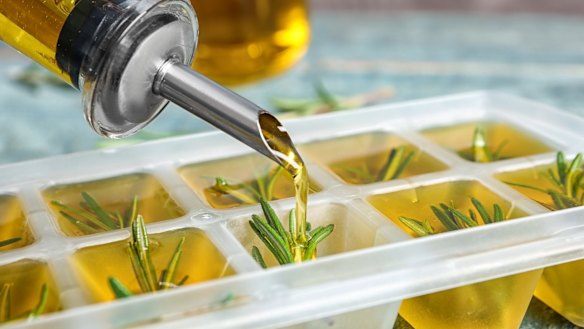
Have you ever wondered if the oils in your kitchen can freeze? You might think oil is always liquid, but the truth is more interesting.
Knowing whether oils freeze can help you store them better and keep your cooking smooth. You’ll discover how different oils behave in cold temperatures and what that means for your pantry. Keep reading—you’ll learn simple tips to protect your oils and avoid surprises when you need them most.
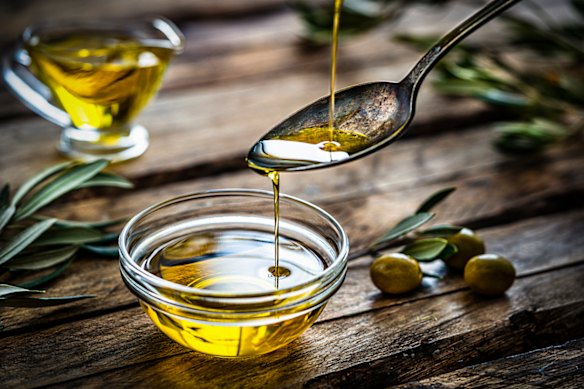
Credit: www.smh.com.au
Why Oils Freeze Differently
Understanding why oils freeze differently can help you store and use them more effectively. Oils vary widely in their behavior at low temperatures because of what they’re made of and other factors that affect their freezing points. Let’s break down these reasons so you can better manage your kitchen or workshop oils.
Oil Composition And Freezing Points
Oils are made up of different molecules, which directly influence when they freeze. Each type of oil has its own unique mix of fatty acids and other components that determine its freezing point.
For example, olive oil may start to cloud or solidify around 10°F (-12°C), while coconut oil freezes at a much higher temperature near 76°F (24°C). This difference is mainly due to the specific chemical makeup of each oil.
Impact Of Saturated And Unsaturated Fats
Saturated fats have tightly packed molecules, making them solid at room temperature and more likely to freeze quickly. Unsaturated fats have looser structures, which keep them liquid even at lower temperatures.
If you’ve ever noticed coconut oil solidifying in your fridge but olive oil staying liquid, that’s the impact of saturated versus unsaturated fats. Knowing this can help you predict how your oils will behave in cold conditions.
Role Of Additives And Impurities
Additives like antioxidants or preservatives can raise or lower an oil’s freezing point. Impurities, such as water or debris, also affect how and when oils freeze.
Have you ever kept a bottle of homemade infused oil that turned cloudy or solid in the fridge? That’s often due to impurities or added ingredients changing the freezing behavior.
Common Oils And Their Freezing Behavior
Oils behave differently when exposed to cold temperatures. Some freeze solid, while others become cloudy or thick. Understanding the freezing behavior of common oils helps in storage and cooking.
Each oil type has a unique freezing point based on its fat composition. Knowing these points can prevent spoilage and maintain quality.
Vegetable Oils
Vegetable oils like canola, sunflower, and corn oil have low freezing points. They usually become cloudy below 0°C (32°F). These oils rarely freeze solid in household freezers. They may get thick but return to liquid quickly at room temperature.
Olive Oil
Olive oil starts to solidify around 4°C (39°F). It turns cloudy before freezing completely. Extra virgin olive oil has more impurities, so it thickens faster. Freezing does not harm its flavor or quality. Simply warm it to bring it back to liquid form.
Coconut Oil
Coconut oil freezes solid at about 24°C (76°F). It is unique because it is solid at room temperature in many homes. It melts easily when warmed. This oil can stay solid in the fridge and soften quickly when out.
Animal Fats And Butter
Animal fats like lard and tallow freeze solid below 30°C (86°F). Butter also solidifies but has a lower freezing point near 32°F (0°C). These fats become hard and brittle in the freezer. Thawing slowly helps keep their texture and taste.
How Temperature Affects Oil Consistency
Temperature plays a big role in changing the texture and behavior of oils. You might notice that oils you use daily can feel different depending on the season or how long they stay in a cold room. Understanding how temperature affects oil consistency can help you store and use oils better, whether in cooking, skincare, or other applications.
From Liquid To Solid
Most oils start as a clear liquid at room temperature. But as the temperature drops, many oils begin to harden and turn solid. This change happens because the molecules in the oil slow down and pack together more tightly.
Think about coconut oil—it’s liquid when warm but turns solid in the fridge. Have you ever poured oil from the bottle only to find it thick and chunky? That’s the oil moving from liquid to solid due to cold.
Partial Solidification And Cloudiness
Not all oils freeze completely. Some develop a cloudy or milky appearance before solidifying fully. This cloudiness is a sign that parts of the oil are starting to crystallize while other parts remain liquid.
This can happen with oils like olive oil or canola oil when chilled. Have you noticed your olive oil looking foggy in the winter? That’s partial solidification at work. It doesn’t mean the oil is bad—it’s just reacting to the cold.
Reversibility Of Freezing
The good news is that freezing oils is usually reversible. When you warm the oil back to room temperature, it often returns to its original liquid state without any damage. However, repeated freezing and thawing might affect the oil’s quality over time.
Next time you find your oil hardened in the fridge, gently warm it and watch it turn back to liquid. But ask yourself: how many times should you let this cycle happen before considering replacing the oil? Keeping oils at stable temperatures is the best way to maintain their texture and quality.

Credit: lube-squad.com
Practical Tips For Storing Oils
Storing oils properly keeps them fresh and tasty for a longer time. Oils can change texture or flavor if stored incorrectly. Knowing the right way to store oils helps avoid spoilage and waste.
Best Storage Temperatures
Most oils stay best at cool, dark places. Ideal temperature is between 57°F and 70°F (14°C to 21°C). Avoid storing oils near heat sources like stoves or ovens. Refrigeration suits some oils, like flaxseed or walnut oil. Others, like olive oil, may get cloudy but will clear up when warmed.
Avoiding Oil Spoilage
Keep oils away from light and air. Use dark glass bottles to block sunlight. Always close bottles tightly after use. Exposure to oxygen causes oils to go rancid quickly. Store oils in small containers to reduce air space. Check oils for off smells or strange tastes before use.
Handling Frozen Oils Safely
Some oils can freeze in cold weather but do not lose quality. Thaw frozen oil slowly at room temperature. Avoid heating oils rapidly to prevent damage. Shake or stir oil gently to restore texture. Discard oil if it smells sour or tastes bitter after thawing.
Common Myths About Freezing Oils
Freezing oils is a topic filled with confusion and misinformation. Many people hesitate to freeze oils because of common myths that suggest it could ruin the oil or make it unsafe. Let’s clear up some of these misunderstandings so you can store your oils confidently and effectively.
Freezing Damages Oil Quality
Many believe that freezing oils will harm their quality, changing taste or texture. Actually, freezing slows down chemical reactions that cause oils to spoil, helping preserve their freshness longer. If you’ve noticed cloudiness or solidification, that’s just the oil reacting to cold, not damage.
Have you ever thawed frozen olive oil and found it perfectly fine? That’s because freezing doesn’t break down its nutrients or flavor if done properly.
All Oils Freeze At The Same Temperature
People often assume all oils freeze at the same temperature, but that’s not true. Different oils have unique freezing points based on their composition.
- Olive oil starts solidifying around 40°F (4°C).
- Coconut oil freezes at about 76°F (24°C).
- Vegetable oils generally freeze near 0°F (-18°C).
Understanding this helps you avoid surprises when storing various oils in your fridge or freezer.
Frozen Oils Become Unsafe
There’s a fear that frozen oils become unsafe to use, but freezing does not promote harmful bacteria growth. Instead, it preserves oils by halting microbial activity.
However, always ensure oils are stored in airtight containers to prevent contamination before freezing. If you notice off smells or unusual colors after thawing, it’s better to discard the oil.

Credit: fryaway.co
Frequently Asked Questions
Can Cooking Oils Freeze?
Yes, cooking oils can freeze at low temperatures. Different oils have different freezing points. For example, olive oil freezes around 37°F (3°C). To keep oils liquid, store them in a warm place.
Does Freezing Affect Oil Quality?
Freezing oils does not significantly affect their quality. However, it may change their texture and appearance. Once thawed, oils usually return to their original state and are safe to use.
Why Do Some Oils Freeze Faster?
Oils with higher saturated fat content freeze faster. Saturated fats solidify at higher temperatures compared to unsaturated fats. This is why coconut oil, high in saturated fat, freezes more quickly than olive oil.
How Can I Prevent Oil From Freezing?
Store oils in a cool, dark place to prevent freezing. Avoid refrigerating oils unless necessary. Use airtight containers to maintain a consistent temperature and protect from light exposure.
Conclusion
Oils can freeze, but it depends on their type and temperature. Some oils turn thick or cloudy when cold. This change does not mean they are spoiled. Let oils return to room temperature to go back to normal. Knowing how oils react helps in storing them properly.
Keep oils in a cool, dark place for best results. Understanding oil freezing keeps your cooking smooth and safe. Simple care makes a big difference in oil quality.