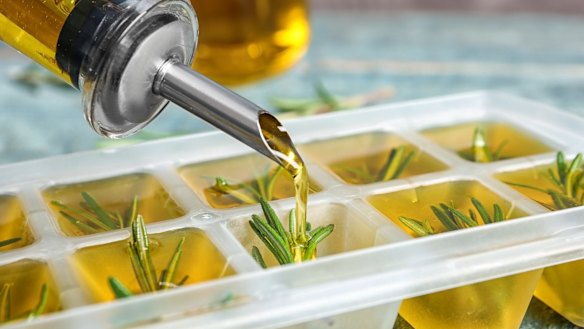
Have you ever wondered if your bottle of olive oil can freeze? You might be surprised by the answer and what it means for your cooking and storage habits.
Understanding how olive oil behaves in cold temperatures can save you from wasting your favorite ingredient and help keep it fresh longer. Keep reading to discover the facts about olive oil freezing and how this knowledge can improve your kitchen routine.
Credit: www.smh.com.au
Does Olive Oil Freeze
Wondering if olive oil freezes? You might have noticed your bottle becoming cloudy or solid when left in the fridge. But does olive oil truly freeze like water does? Let’s clear up what really happens when olive oil meets cold temperatures and why understanding this can help you store it better.
Freezing Point Of Olive Oil
Olive oil does freeze, but not at the usual freezing point of water. Its freezing point ranges between -6°C to -2°C (21°F to 28°F), depending on its composition. This means in a typical home freezer, which is around -18°C (0°F), olive oil will solidify.
However, the texture change is gradual. You’ll first see it turn cloudy, then thicken, and finally become almost solid. This solid state doesn’t mean your olive oil is spoiled—it just means it’s colder than its freezing point.
Factors Affecting Freezing
Not all olive oils freeze the same way. Several factors affect their freezing point, such as:
- Type of olives used:Different olive varieties have varying fatty acid profiles.
- Purity and processing:Extra virgin olive oil freezes differently than refined or blended oils.
- Storage temperature:The colder it gets, the faster and more solid the oil becomes.
Did you know that oils with higher saturated fat content freeze faster? This might explain why some olive oils in your kitchen behave differently in the cold.
Difference Between Olive Oil And Other Oils
Olive oil’s freezing point is higher than many other common cooking oils, like vegetable or canola oil. For example, sunflower oil stays liquid at much lower temperatures.
| Oil Type | Approximate Freezing Point |
|---|---|
| Extra Virgin Olive Oil | -6°C to -2°C (21°F to 28°F) |
| Canola Oil | -10°C to -15°C (14°F to 5°F) |
| Sunflower Oil | -17°C to -20°C (1°F to -4°F) |
This means olive oil is more likely to solidify in your fridge or freezer than many other oils. Knowing this can help you decide how and where to store your oils for the best cooking results.

Credit: www.smh.com.au
How Olive Oil Changes When Cold
Olive oil reacts to cold temperatures in ways you might not expect. Understanding these changes can help you store and use it better. Let’s look at how cold affects olive oil’s texture, taste, and what happens when you warm it back up.
Texture And Appearance
When olive oil gets cold, it thickens and may even become cloudy or develop solid chunks. This happens because the fats in olive oil start to crystallize at lower temperatures. If you’ve ever put olive oil in the fridge, you’ve probably seen this change firsthand.
This shift in texture doesn’t mean the oil has gone bad. It’s simply a natural reaction to the cold. However, the change can be surprising if you’re used to olive oil’s usual smooth and clear look.
Taste And Aroma Impact
Cold temperatures can mute some of olive oil’s vibrant flavors and aromas. When chilled, the oil’s fruity and peppery notes become less noticeable. This can make your salad dressings or dishes taste flatter if you don’t let the oil warm up first.
Have you ever noticed that olive oil tastes different straight from the fridge? That’s why many chefs recommend bringing olive oil to room temperature before using it. It helps unlock the full range of flavors you’re paying for.
Reversing The Freezing Process
Warming olive oil back to room temperature restores its original texture and flavor. Simply leave it out for about 30 minutes to an hour, depending on the room’s warmth. Avoid using direct heat, as high temperatures can degrade the oil’s quality.
Patience is key here. Rushing the process by heating olive oil on a stove or microwave can harm its beneficial properties. Instead, let it naturally return to liquid form to enjoy all its health benefits and taste.
Storage Tips To Prevent Freezing
Proper storage helps keep olive oil fresh and prevents freezing. Olive oil can solidify if kept in cold places. Avoiding freezing preserves its flavor and quality. Follow these tips to store olive oil correctly.
Ideal Temperature Range
Keep olive oil at temperatures between 57°F and 70°F (14°C to 21°C). This range prevents the oil from freezing or becoming too warm. Avoid storing oil in the refrigerator or near cold windows. A cool, dark pantry works best.
Best Containers For Storage
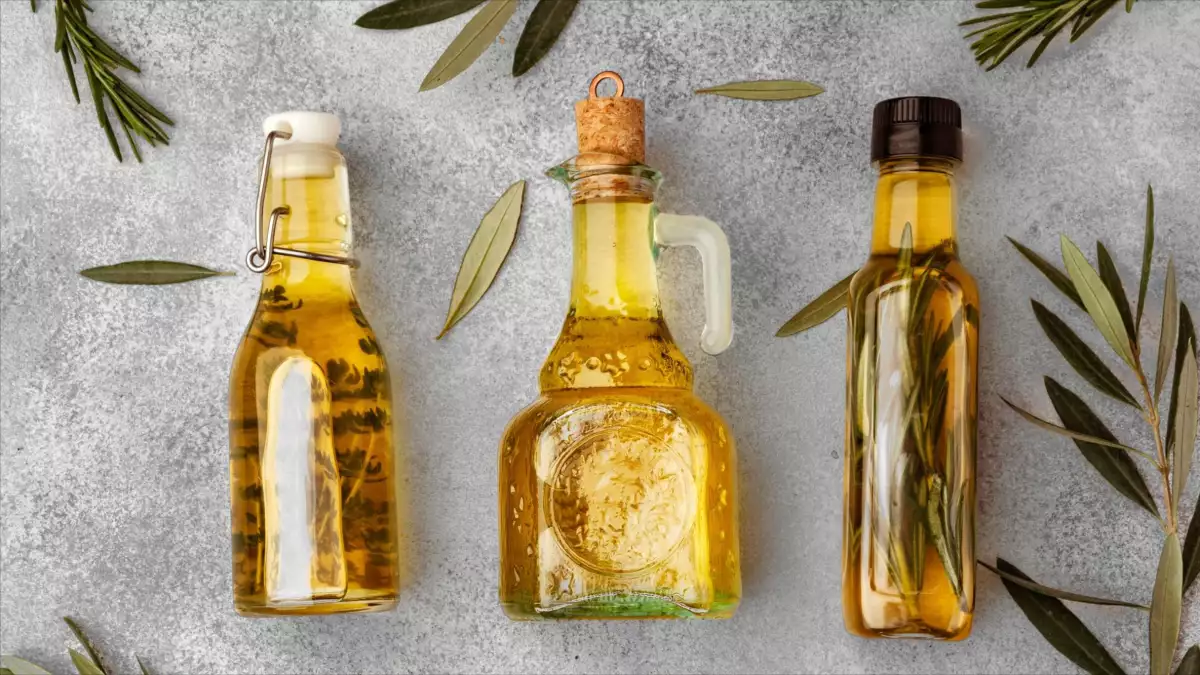
Use dark glass bottles or stainless steel containers. These block light and protect the oil’s quality. Avoid clear plastic or glass jars that let light in. Tight lids keep air out and stop oxidation.
Avoiding Moisture And Light
Moisture can spoil olive oil quickly. Keep containers dry and sealed tightly. Store oil away from direct sunlight or bright kitchen lights. Light breaks down oil and lowers its shelf life.
Credit: en.petitchef.com
Benefits Of Keeping Olive Oil Cool
Keeping olive oil cool offers many benefits. It helps protect the oil’s natural qualities. Proper temperature prevents damage and keeps the oil healthy. Cool storage supports the oil’s flavor and aroma. It also helps the oil last longer. These points explain why cool storage matters.
Preserving Nutrients
Olive oil contains vitamins and antioxidants. These nutrients are sensitive to heat and light. Keeping the oil cool slows nutrient loss. It keeps the oil rich in healthy compounds. This makes the oil more beneficial for health.
Maintaining Freshness
Fresh olive oil tastes fruity and smooth. Warm temperatures cause the oil to spoil faster. Cool storage helps keep the fresh taste longer. It stops the oil from becoming rancid quickly. This keeps the oil enjoyable for cooking and salads.
Extending Shelf Life
Olive oil can last many months if stored right. Heat speeds up chemical changes that spoil the oil. Cool environments slow down these changes. This means the oil stays good for longer. Proper storage reduces waste and saves money.
Common Myths About Olive Oil And Freezing
Many people have doubts about freezing olive oil. Some believe freezing harms its quality. Others worry it becomes unsafe to use. There are also claims that freezing can improve olive oil. Let’s explore these common myths and see the truth behind them.
Freezing Damages Quality
Some think freezing olive oil breaks down its quality. This is not true. Olive oil may become cloudy or solidify in the freezer. This is natural and does not harm the oil. Once thawed, olive oil returns to normal without losing flavor or nutrients.
Frozen Olive Oil Is Unsafe
There is a myth that frozen olive oil becomes unsafe to eat. Olive oil is safe at low temperatures. Freezing does not cause bacteria or toxins to grow. It only changes the texture temporarily. Thawed olive oil remains safe and healthy for use.
Freezing Enhances Olive Oil
Some say freezing makes olive oil taste better. Freezing does not improve flavor or aroma. Olive oil’s quality depends on its type and freshness. Proper storage at room temperature preserves taste best. Freezing is useful only to extend shelf life slightly.
Frequently Asked Questions
Does Olive Oil Freeze In The Refrigerator?
Olive oil can become cloudy and thicken in the fridge but rarely freezes solid. Cold temperatures cause it to solidify partially, which is normal and doesn’t harm quality or flavor.
At What Temperature Does Olive Oil Freeze?
Olive oil freezes around 21°F (-6°C). Home freezers usually reach this temperature, so olive oil may become cloudy or semi-solid when chilled.
Can Frozen Olive Oil Be Used Safely?
Yes, frozen or solidified olive oil is safe to use. Simply warm it to room temperature, and it will return to its liquid state without losing quality.
Does Freezing Olive Oil Affect Its Taste?
Freezing olive oil does not affect its taste or nutritional value. The flavor remains intact once it returns to room temperature after freezing.
Conclusion
Olive oil can indeed freeze. Its freezing point is lower than water. Storing olive oil in a cold environment may cause it to solidify. This process does not harm its quality or taste. Thaw it slowly at room temperature for best results.
Consider using smaller containers to manage this easily. Remember, freezing does not mean it’s spoiled. It’s a natural reaction to cold. Keep your olive oil fresh and flavorful by storing it properly. Enjoy its benefits in cooking and health. Understanding how it behaves helps in preserving its rich qualities.