Are you wondering if peptides need to be refrigerated to stay effective? You’re not alone.
Many people who use peptides ask this question because proper storage can make a big difference in how well they work. If you want to make sure your peptides last longer and deliver the results you expect, understanding the right storage method is key.
Keep reading to find out exactly how to store your peptides safely and why it matters for your health and investment.

Credit: peptideessence.com
Peptides And Storage Basics
Understanding how to store peptides properly is crucial for maintaining their effectiveness. Peptides are sensitive molecules that can degrade if not stored correctly. Proper storage helps preserve their structure and function, ensuring the best results from their use.
What Are Peptides?
Peptides are short chains of amino acids. They play important roles in the body, such as signaling and healing. Many peptides are used in skincare and medical treatments. Their small size makes them easy to absorb and use.
Why Storage Matters
Peptides can break down if exposed to heat, light, or moisture. This reduces their potency and effectiveness. Storing peptides properly keeps them stable for longer. It prevents contamination and preserves their quality.
Credit: amazing-meds.com
Temperature Effects On Peptides
Peptides are sensitive molecules that react to temperature changes. Understanding how temperature affects peptides helps keep them effective and safe. Proper storage depends largely on how stable peptides remain under different conditions.
Stability At Room Temperature
Peptides can stay stable for a short time at room temperature. Many types last a few days without losing strength. But longer exposure leads to breakdown and reduced potency. Light and air also affect stability, causing peptides to degrade faster.
Some peptides are designed to withstand room temperature better. Still, it is safer to limit their time outside refrigeration. Keeping peptides cool slows down chemical reactions that harm their structure.
Impact Of Heat And Humidity
Heat speeds up peptide degradation. High temperatures cause peptides to unfold and lose function. Humidity adds moisture, which can cause clumping or bacterial growth. Both heat and humidity shorten peptide shelf life.
Storage in a dry, cool place is best for preserving peptides. Avoid direct sunlight and warm environments like bathrooms or kitchens. Using airtight containers helps reduce humidity exposure.
When Refrigeration Is Necessary
Peptides are sensitive molecules that can lose their effectiveness without proper care. Some peptides need to be kept cold to stay stable. Knowing when to refrigerate peptides helps keep them safe and useful. Temperature control slows down their breakdown and prevents contamination.
Types Of Peptides That Require Cooling
Many peptides need refrigeration to maintain strength and quality. Peptides in powder form usually stay stable at room temperature until mixed with liquid. Once reconstituted, cooling becomes essential.
- Growth hormone-releasing peptides (GHRPs)
- Melanotan peptides
- CJC-1295
- BPC-157
- Thymosin Beta-4 (TB-500)
These peptides can degrade quickly if left at warm temperatures. Keeping them in the fridge extends their shelf life.
Signs Peptides Have Degraded
Peptides that are no longer good show clear signs. Look for changes in appearance and smell.
- Color shifts from white to yellow or brown
- Cloudy or murky liquid instead of clear
- Unusual or foul odor
- Clumping or powder hardening
- Reduced effectiveness after use
Using degraded peptides may cause side effects or poor results. Proper refrigeration helps avoid these issues.
Proper Refrigeration Techniques
Proper refrigeration techniques are essential for storing peptides safely. Peptides are sensitive to temperature changes and can lose effectiveness if not stored correctly. Maintaining the right conditions preserves their structure and potency. Careful handling during refrigeration also prevents contamination and degradation. Below are key points to ensure peptides stay in optimal condition.
Ideal Temperature Range
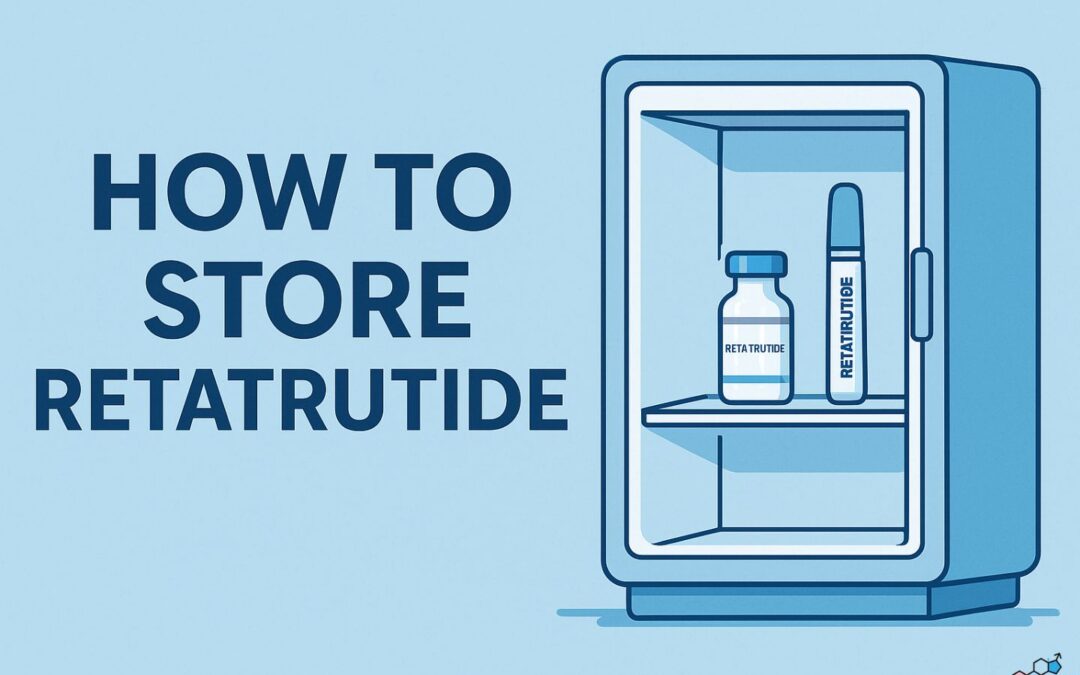
Peptides generally require storage at temperatures between 2°C and 8°C (36°F to 46°F). This range slows down chemical reactions and limits bacterial growth. Avoid freezing peptides unless the label specifically says it is safe. Freezing can damage delicate peptide structures. Use a reliable refrigerator with a thermometer to monitor the temperature consistently.
Avoiding Contamination
Clean hands and tools before handling peptides. Use sterile syringes or pipettes to prevent introducing bacteria. Keep peptide vials tightly closed to avoid exposure to air and moisture. Store peptides away from raw foods or strong-smelling items to prevent cross-contamination. Regularly clean the refrigerator shelves and surfaces where peptides are stored.
Packaging And Containers
Store peptides in their original containers or use sterile, airtight vials. Clear or amber glass containers protect peptides from light exposure. Plastic containers may absorb moisture or chemicals, so choose high-quality materials. Label containers with the peptide name and date to track storage time. Avoid opening containers frequently to maintain sterility and freshness.
Alternatives To Refrigeration
If you’re wondering whether refrigeration is the only way to keep peptides stable, there are some practical alternatives you can consider. These options allow you to store peptides safely without relying on a fridge, especially when refrigeration isn’t accessible. Understanding these methods can help you maintain peptide quality and extend shelf life effectively.
Lyophilized Peptides
Lyophilization, or freeze-drying, removes moisture from peptides, turning them into a dry powder form. This process significantly increases their stability at room temperature, reducing the need for refrigeration.
Many peptide suppliers provide lyophilized peptides because they are easier to transport and store. Once you reconstitute them with a solvent, you typically need to refrigerate the solution, but the dry powder itself can be kept cool and dry without a fridge.
Using Desiccants And Dry Storage
Moisture is one of the biggest enemies of peptide stability. Using desiccants like silica gel packets inside your storage container helps absorb any humidity and keeps peptides dry.
Store peptides in airtight containers away from heat and light to further protect them. This simple step can prevent degradation and maintain peptide integrity without the need for refrigeration.
Handling Peptides After Storage
Handling peptides after storage requires care to maintain their stability and effectiveness. How you thaw, reconstitute, and store peptides at room temperature can impact their quality. Paying attention to these details ensures you get the best results from your peptides.
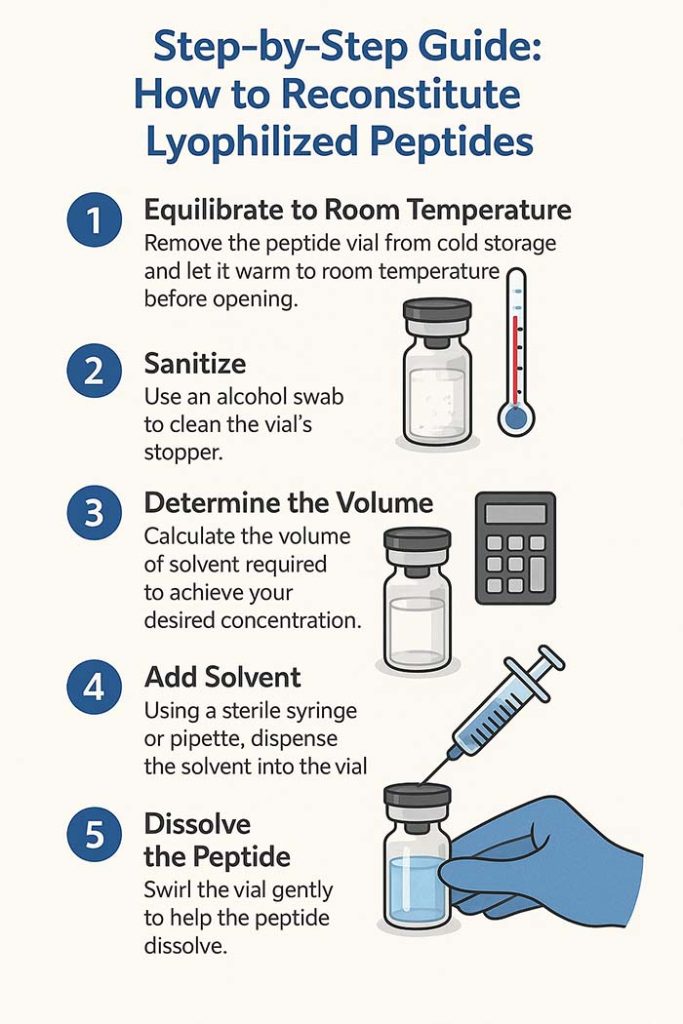
Thawing And Reconstitution Tips
Thaw your peptides slowly at room temperature rather than using heat. Rapid temperature changes can cause degradation or loss of activity.
When reconstituting, use sterile water or the appropriate solvent recommended by the supplier. Avoid shaking the vial vigorously; instead, gently swirl or invert it to mix. This prevents foam formation and protects the peptide’s structure.
Have you ever noticed clumping or difficulty dissolving peptides? Warming the solvent slightly in your hands before adding it can help improve solubility without damaging the peptide.
Short-term Room Temperature Storage
Peptides can sometimes be stored at room temperature for short periods, but it’s essential to limit this time to avoid degradation.
- Keep peptides in a dry, dark place away from direct sunlight.
- Ensure the vial is tightly sealed to prevent moisture exposure.
- Store them on a clean surface, away from contaminants.
Ask yourself: is the convenience of room temperature storage worth the risk of reduced peptide potency? For short experiments or immediate use, it might be. For longer-term use, refrigeration is safer.
Common Storage Mistakes
Storing peptides correctly is crucial to maintain their effectiveness. However, many people make common mistakes that can degrade these sensitive compounds. Understanding what not to do can save you time, money, and frustration.
Freezing And Thawing Cycles
Repeatedly freezing and thawing peptides can break down their structure. Each thaw weakens the peptide bonds, reducing potency over time. If you’ve ever noticed your peptides losing effect, this might be why.
To avoid this, divide your peptides into small aliquots before freezing. That way, you only thaw what you need, preserving the rest. Have you checked how many times your peptides have been thawed already?
Exposing Peptides To Light
Light exposure can also damage peptides, especially UV light. It causes chemical changes that reduce their stability and activity. You might not see immediate effects, but the damage accumulates silently.
Store peptides in dark containers or opaque packaging to protect them. Keep them away from windows or bright artificial light sources. Do you store your peptides in a place that’s truly dark, or just out of sight?

Credit: primepeptides.co
Frequently Asked Questions
Do All Peptides Require Refrigeration?
Not all peptides need refrigeration. Some peptides are stable at room temperature, while others require cold storage to maintain potency. Always check the manufacturer’s instructions for specific storage guidelines.
How Does Refrigeration Affect Peptide Stability?
Refrigeration slows down peptide degradation and preserves their effectiveness. It helps maintain the peptide’s structure and prevents bacterial growth, extending its shelf life.
Can Peptides Be Stored At Room Temperature?
Certain peptides can be safely stored at room temperature if kept away from heat, light, and moisture. However, refrigeration is generally recommended for longer storage.
What Happens If Peptides Are Not Refrigerated?
If peptides are not refrigerated when required, they may degrade faster and lose effectiveness. This can compromise their safety and therapeutic benefits.
Conclusion
Storing peptides properly ensures their effectiveness. Keeping them refrigerated is wise. It preserves their stability and potency. Peptides can degrade if exposed to heat. Cool temperatures prevent this. Proper storage extends their shelf life. Always check storage instructions on labels.
These guidelines help maintain peptide quality. This simple step ensures you get the best results. Remember, well-stored peptides serve you better. So, prioritize refrigeration for optimal peptide use. It’s a small effort for a big payoff. Keep your peptides cool.
They’ll thank you by working effectively. Stay informed and care for your products.