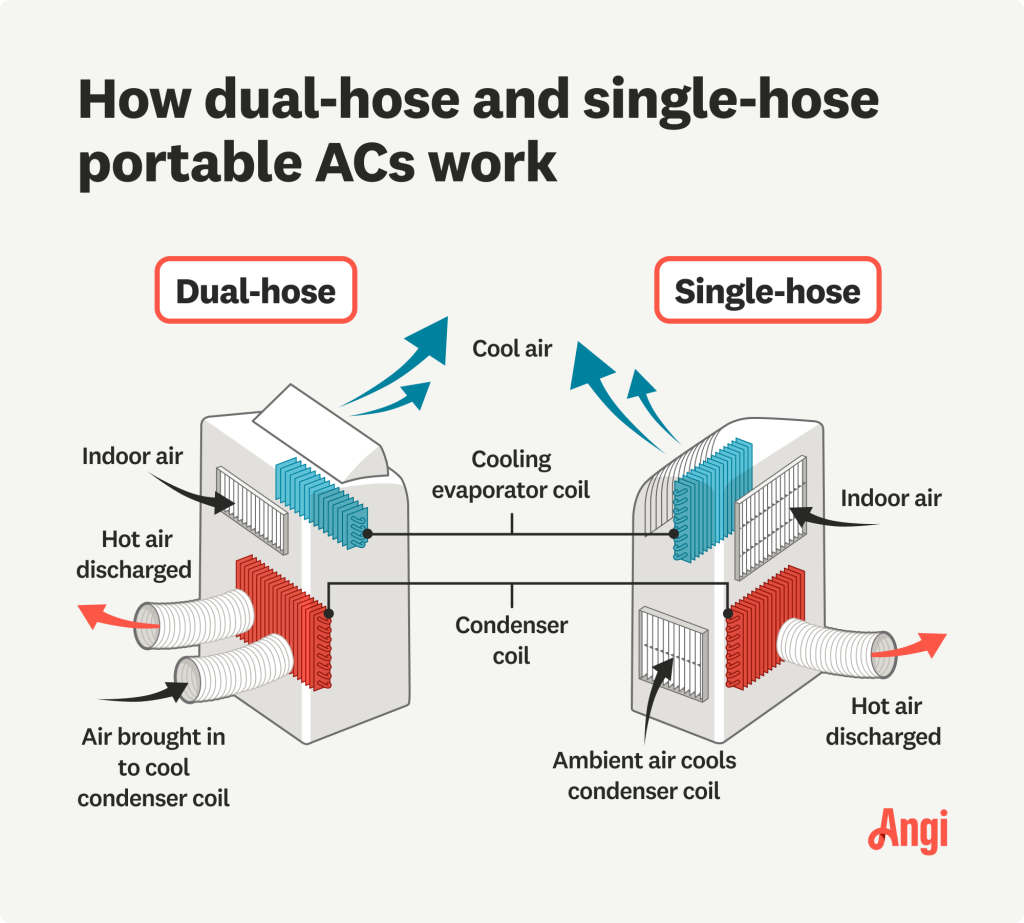
Are you tired of sweating through hot days and nights? You might be wondering, do personal air conditioners really work to keep you cool?
With so many options out there, it’s easy to feel confused or skeptical. You’ll discover how these devices actually perform, what to expect, and whether they’re worth your money. By the end, you’ll know if a personal air conditioner can make your space more comfortable without breaking the bank.
Keep reading to find out the truth behind these popular cooling gadgets.
How Personal Air Conditioners Operate
Personal air conditioners are small devices meant to cool one person or a small area. They work differently from large air conditioning systems. Understanding how they operate helps you know if they fit your needs.
These units use different cooling methods to lower the temperature around you. Some use water or ice, while others use refrigerants or fans. Let’s look at the main ways they cool the air.
Cooling Mechanisms Explained
Personal air conditioners use a few key ways to cool the air. These methods include evaporation, refrigeration, and fan-based cooling. Each method has its own advantages and limits.
- Evaporative Cooling:Uses water evaporation to lower air temperature. It works best in dry climates.
- Refrigeration Cooling:Uses a refrigerant to absorb heat and cool the air. It works like a small traditional AC unit.
- Fan Cooling:Moves air around to create a cooling effect on the skin. It does not lower air temperature but helps you feel cooler.
Types Of Personal Air Conditioners
There are several types of personal air conditioners based on their cooling technology. Each type suits different environments and user needs.
| Type | How It Works | Best Use |
| Evaporative Cooler | Uses water to cool air by evaporation | Dry and hot areas |
| Portable Refrigerant AC | Uses refrigerant to remove heat from air | Humid or indoor spaces |
| Fan-Based Cooler | Circulates air for a breeze effect | Any room, no actual cooling |
| Ice or Water-Based Cooler | Blows air over ice or cold water | Small spaces, short-term cooling |

Credit: www.cnet.com
Effectiveness In Different Settings
Personal air conditioners can cool small areas by blowing cool air directly. Their performance changes depending on the space size and surroundings.
Understanding how they work in different settings helps you decide if they fit your needs.
Small Spaces Vs Large Rooms
Personal air conditioners work best in small spaces like bedrooms or offices. They cool the air near you but may not lower the whole room temperature in large areas.
| Space Size | Effectiveness | Notes |
| Small Rooms (up to 150 sq ft) | High | Quickly cools the area around the unit |
| Medium Rooms (150-300 sq ft) | Moderate | May cool only part of the room |
| Large Rooms (over 300 sq ft) | Low | Not effective for full room cooling |
Outdoor Use Considerations
Using personal air conditioners outdoors reduces their cooling effect. Open air makes it hard to cool any space effectively.
- They need a shaded area to work better outdoors.
- Wind and sun can lower their performance.
- They are best for small, semi-enclosed outdoor spaces.
- Power supply and water refills may limit outdoor use time.
Energy Consumption And Efficiency
Personal air conditioners are small cooling devices for single rooms or desks. They use less energy than big air conditioners.
Understanding their energy use helps you decide if they fit your needs. This section looks at power use and costs.
Power Usage Compared To Traditional Units
Personal air conditioners consume less power than traditional AC units. They cool small spaces, so they need less energy.
Traditional units cool whole rooms or buildings. They use more electricity to do this. Personal units focus on one area.
- Personal ACs use about 100-400 watts
- Traditional ACs use 1000-3500 watts
- Personal units save energy for small spaces
- Traditional units are better for cooling large rooms
Cost Implications
Lower power use means personal air conditioners cost less to run daily. They use less electricity, so bills are smaller.
Buying cost is usually lower for personal units. Traditional ACs cost more upfront and use more energy over time.
- Personal ACs have a lower purchase price
- They reduce monthly energy bills
- Traditional ACs need higher investment
- Energy costs are higher for whole-room cooling

Credit: www.popularmechanics.com
Common Misconceptions
Many people wonder if personal air conditioners really cool the air well. Some ideas about how they work are not quite right. Understanding these ideas helps you know what to expect.
This article looks at some common wrong thoughts about personal air conditioners. We talk about their cooling power and how they compare to bigger units.
Cooling Capacity Myths
Some believe personal air conditioners can cool a whole room quickly. This is not true. They are made for small spaces or close use.
These units use less power and do not move as much cold air as large air conditioners. They help a person feel cooler by blowing air on their skin.
- They cool the air near you, not the entire room.
- They work best in small, enclosed spaces.
- They use less energy but have limited cooling power.
Portable Vs Stationary Performance
Portable air conditioners can be moved from room to room. Stationary ones stay in one place. People often think portable units work as well as stationary ones.
Stationary air conditioners usually cool larger areas better. Portable units are more flexible but may not cool as evenly or strongly.
- Portable units are easy to move but less powerful.
- Stationary units cool larger rooms more evenly.
- Portable units need proper venting to work well.
Maintenance And Longevity
Personal air conditioners need regular care to work well. Good maintenance helps them last longer and cool better.
Simple cleaning and quick fixes keep your unit running smoothly. This saves money and avoids big repairs.
Cleaning Tips
Cleaning your personal air conditioner stops dust and dirt from blocking airflow. Clean parts work more efficiently.
Focus on the air filter, vents, and water tank. Clean these often for the best cooling.
- Remove and wash the air filter every two weeks
- Wipe vents with a damp cloth to clear dust
- Empty and clean the water tank weekly to avoid mold
- Check the unit’s exterior for dirt and clean gently
Troubleshooting Common Issues
Personal air conditioners may have small problems that stop them from working well. Finding issues early helps fix them fast.
Watch for signs like weak airflow, strange noises, or water leaks. These clues show what needs attention.
- Check if the filter is dirty and clean it to improve airflow
- Make sure the water tank is not full or leaking
- Listen for unusual sounds that may mean a loose part
- Confirm the power cord and plug are secure and undamaged
- Reset the unit by turning it off and on if it stops working
When To Choose A Personal Air Conditioner
Personal air conditioners cool small spaces efficiently. They use less energy than central units.
Knowing when to pick a personal unit helps save money and stay comfortable.
Ideal Use Cases
Personal air conditioners work best in certain situations. They are great for:
- Bedrooms or small offices under 300 square feet
- Spaces without central air conditioning
- Temporary cooling needs, like during travel or short-term stays
- Rooms where you want to control temperature independently
- Areas with limited power supply or where energy saving is important
Alternatives To Consider
Other cooling options may suit your needs better. Consider these before choosing a personal air conditioner.
| Cooling Option | Best For | Pros | Cons |
| Window Air Conditioner | Medium rooms | Stronger cooling, easy installation | Blocks window view, higher energy use |
| Fan | Air circulation | Low cost, low energy | Does not cool air |
| Central Air Conditioning | Whole house | Even cooling, controlled by thermostat | High installation and running costs |
| Evaporative Cooler | Dry climates | Energy efficient, adds moisture | Less effective in humid areas |
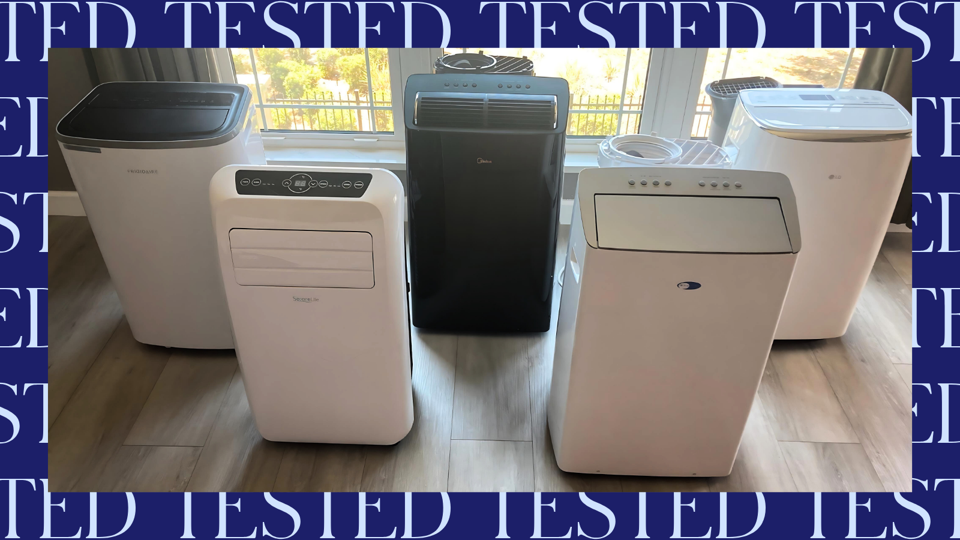
Credit: www.forbes.com
Frequently Asked Questions
Do Personal Air Conditioners Actually Cool A Room?
Personal air conditioners provide localized cooling by blowing chilled air directly at you. They are effective for small spaces but may not cool an entire room evenly.
Are Personal Air Conditioners Energy Efficient?
Yes, personal air conditioners use less energy than central AC units. They focus on cooling a small area, reducing electricity consumption and saving on energy bills.
How Do Personal Air Conditioners Differ From Regular Ac Units?
Personal air conditioners are compact and portable, designed for individual use. Regular AC units cool larger spaces and require installation, while personal units target small, personal zones.
Can Personal Air Conditioners Work Without Ventilation?
Most personal air conditioners need some ventilation to remove heat and moisture. Without ventilation, their cooling efficiency drops significantly, limiting their effectiveness.
Conclusion
Personal air conditioners offer a compact cooling solution. They’re great for small spaces. Easy to move. Simple to use. They provide quick relief from heat. Not as powerful as traditional units. But effective for personal comfort. Consider energy efficiency and space needs.
Weigh the pros and cons. Make an informed choice. Personal air conditioners can be a worthwhile investment. Perfect for those sweltering summer days. Keep cool and enjoy the breeze.