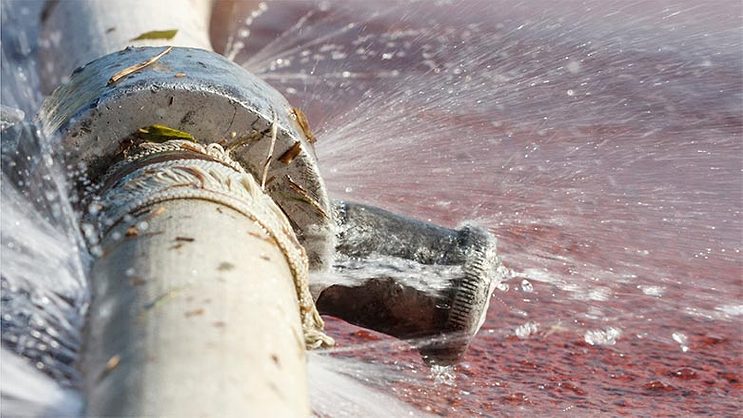
Imagine waking up on a chilly winter morning to find water dripping from your ceiling. Panic sets in as you realize it might be a burst pipe.
But do pipes always burst if they freeze? This nagging question could save you from a lot of stress and costly repairs. Understanding the relationship between freezing temperatures and your home’s plumbing can empower you to take control. You deserve peace of mind, and by learning more about this common winter worry, you’ll gain the tools to protect your home and wallet.
Dive into this article to uncover the truth and keep your home safe from the cold’s icy grip.
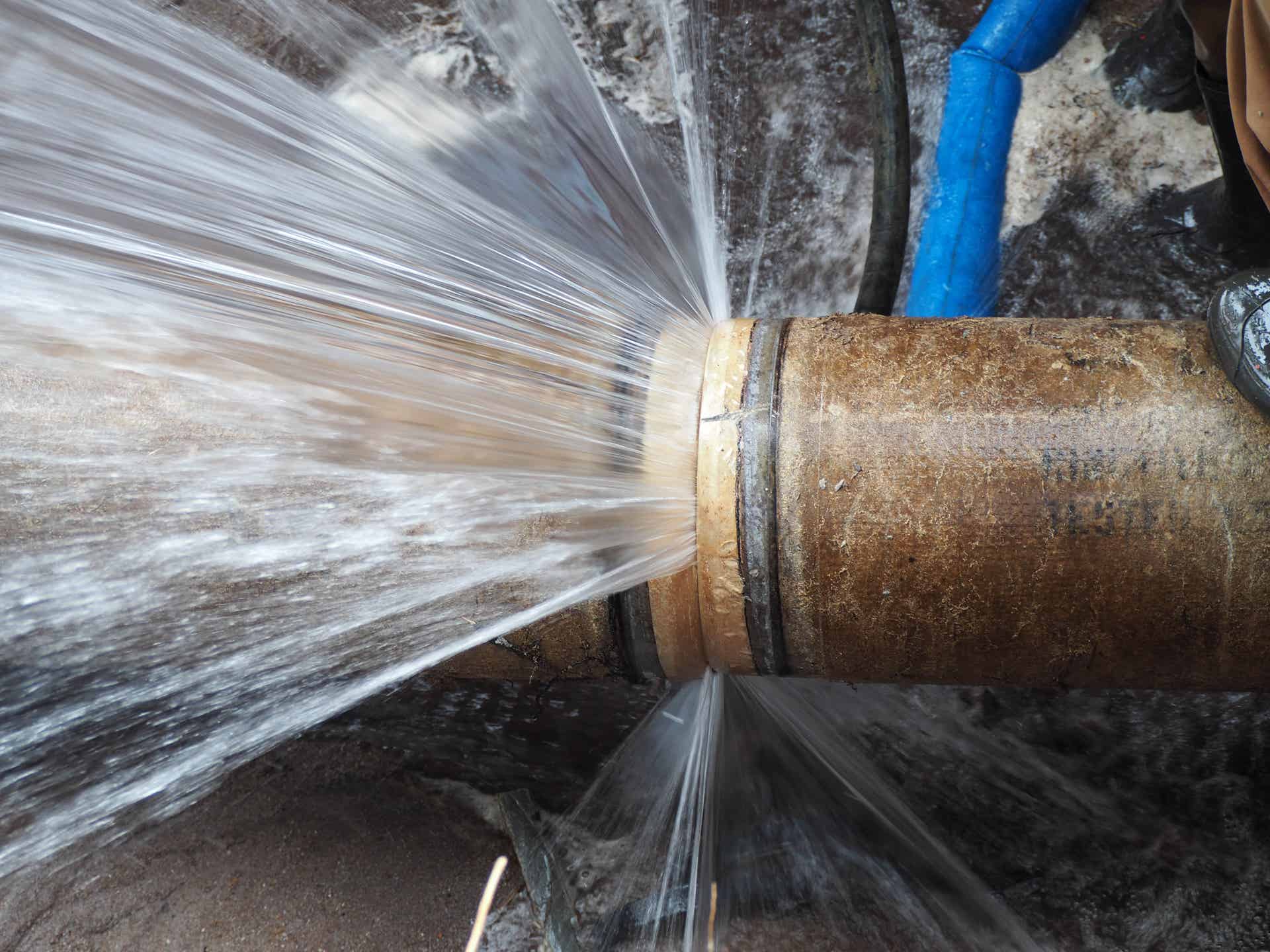
Credit: www.servpro.com
How Pipes Freeze
Understanding how pipes freeze can help you prevent costly damage and inconvenient repairs. Pipes don’t just burst out of the blue; freezing is a process influenced by temperature, location, and exposure. Let’s dive into what happens to your pipes when temperatures drop and why some spots are more at risk than others.
Temperature Thresholds
Water inside pipes begins to freeze at 32°F (0°C), but pipes don’t always freeze immediately when temperatures hit this point. The freezing risk increases the longer the temperature stays below freezing. Even a few hours of exposure to cold can start the freezing process.
Have you ever noticed how a sudden cold snap feels more dangerous than a slow drop in temperature? Pipes react the same way. Quick temperature drops catch pipes off guard, increasing the chances of freezing.
- Below 32°F (0°C):Water inside pipes starts to turn into ice.
- Below 20°F (-6°C):Pipes exposed to cold for several hours are highly likely to freeze.
- Extended periods below freezing:The longer pipes stay cold, the more ice builds up, increasing pressure and risk of bursting.
Common Vulnerable Areas
Not all pipes are equally at risk. Pipes in unheated spaces are the most vulnerable. These include attics, basements, crawl spaces, and garages, where temperatures can drop quickly and stay low for long periods.
Outdoor faucets and pipes running along exterior walls are also prime targets. Even insulated pipes can freeze if the insulation isn’t thick enough or if cold air sneaks in through cracks.
- Attics and crawl spaces:Often unheated and poorly insulated.
- Exterior walls:Pipes close to outside walls face colder temperatures.
- Basements and garages:Areas that might not be climate controlled.
- Outdoor faucets and sprinkler systems:Directly exposed to the elements.
Knowing where your pipes are most vulnerable can help you take targeted steps to protect them. Could a simple layer of insulation in these spots save you from a flooded floor and a big repair bill?

Credit: cactusplumbingandair.com
Do Pipes Always Burst When Frozen
Do pipes always burst when frozen? The simple answer is no, not always. While frozen pipes are a common cause of plumbing disasters, freezing alone doesn’t guarantee a burst pipe. Several factors come into play that determine whether your pipes will survive the cold or crack under pressure.
Factors Influencing Pipe Damage
One key factor is the speed at which water inside the pipe freezes. Rapid freezing can create more pressure and increase the chance of bursting. Pipes that are insulated or located in warmer areas of your home have a better chance of avoiding damage.
Another important aspect is the water pressure. When water freezes, it expands and pushes against the pipe walls. If the pressure becomes too high, the pipe may crack. However, if there is some room for expansion or if the pressure can relieve through small leaks or valves, the pipe might stay intact.
Think about your own home’s layout. Are your pipes exposed to cold drafts or buried deep within insulated walls? This can make a huge difference in how they respond to freezing temperatures.
Types Of Pipes And Their Resilience
Different pipe materials react differently to freezing. Copper pipes are common but tend to be less forgiving. They can burst quickly if the water inside freezes because the metal doesn’t flex much under pressure.
On the other hand, plastic pipes, like PEX or PVC, can handle freezing better. Their flexibility allows them to expand slightly with ice without cracking immediately. Still, this isn’t a guarantee that they won’t burst, especially if the freeze is severe and prolonged.
- Copper Pipes:Strong but rigid, prone to bursting under ice pressure.
- PEX Pipes:Flexible and more resistant to freezing damage.
- PVC Pipes:Moderate flexibility, can crack if frozen solid for too long.
Knowing the type of pipes in your home can help you decide how cautious you need to be during winter. Have you checked your pipe materials recently? It might save you a lot of trouble before the first freeze hits.
Myths About Frozen Pipes
Frozen pipes often spark concern, leading many to assume they will always burst when temperatures drop. However, several myths cloud the reality of what actually happens when pipes freeze. Understanding these misconceptions can help you take smarter steps to protect your home.
Immediate Bursting Belief
Many people believe pipes burst the moment they freeze. This isn’t always true. Pipes usually crack or burst only if the ice inside expands enough to exert excessive pressure.
Think about your own experience: have you ever left a faucet dripping overnight during a cold snap? This simple action can prevent freezing and bursting. It shows that pipes don’t fail instantly—they respond to how pressure builds over time.
Water Expansion Misconceptions
It’s often said that water expands when it freezes and this alone causes pipes to burst. While water does expand by about 9%, it’s the trapped ice pushing against pipe walls that creates pressure.
Not all pipes react the same way. Materials like copper and PVC have different tolerances for expansion. Have you checked what your home’s pipes are made of? Knowing this can guide you in choosing the right preventive measures.
- Expansion creates pressure, but pipe material and condition determine if it bursts.
- Frozen water blocks pipe flow, raising pressure between the blockage and faucet.
- Slowly developing pressure means pipes might survive short freezes without damage.
Understanding these myths helps you avoid panic and focus on practical steps, like insulating pipes and monitoring water flow, before damage occurs. What simple habits could you adopt today to protect your plumbing this winter?
Signs Of Frozen Pipes
Frozen pipes don’t always burst immediately, but they often show clear signs before that happens. Recognizing these signs early can save you from costly repairs and water damage. Let’s look closely at how you can spot frozen pipes in your home.
Reduced Water Flow
One of the first signs of frozen pipes is a noticeable drop in water pressure. If you turn on your faucet and only a trickle comes out, it could mean ice is blocking the pipe.
This reduced flow might happen gradually or suddenly, depending on how quickly the temperature drops. Have you ever experienced a slow drip when you expect a strong stream? That’s your alert to check your pipes immediately.
Visible Frost Or Ice
Sometimes you can actually see frost or ice forming on the outside of your pipes. This usually happens in unheated areas like basements, crawl spaces, or garages.
Look for white or grayish patches along the pipes. If you spot this, it’s a clear warning sign that the water inside could be frozen or freezing soon.
Preventing Pipe Freezing
Preventing pipe freezing helps avoid costly water damage and repairs. Pipes burst due to expanding ice inside them. Keeping pipes warm stops this expansion. Simple actions protect your home during cold weather. Focus on insulation and maintaining steady temperatures for best results.
Insulation Techniques
Wrap pipes with foam or rubber sleeves to keep heat in. Use fiberglass or foam pipe wrap for extra protection in cold areas. Seal gaps around pipes where cold air can enter. Insulate crawl spaces and basements to reduce chill. Cover outdoor faucets with insulated covers. Keep garage doors closed if pipes run through the garage.
Temperature Control Tips
Keep your home temperature above 55°F to prevent freezing. Open cabinet doors under sinks to let warm air reach pipes. Let faucets drip slowly to keep water moving. Use space heaters safely near vulnerable pipes. Close foundation vents during cold weather. Monitor weather forecasts and prepare early for cold snaps.

Credit: www.milani.ca
Steps To Take If Pipes Freeze
Frozen pipes can cause major problems. Acting quickly helps reduce damage and repair costs. Knowing the right steps to thaw pipes safely is essential. Avoid rushing or using unsafe methods that may break the pipes.
Safe Thawing Methods
Start by opening the faucet connected to the frozen pipe. This relieves pressure and allows water to flow once it thaws. Use a hairdryer or heat lamp to warm the pipe slowly. Move the heat source back and forth along the pipe’s length. Wrapping the pipe with a warm towel also works well. Avoid open flames or high heat, which can damage pipes and start fires.
Keep the area warm by turning on heaters or insulation blankets near the pipes. Check pipes regularly during thawing to avoid overheating. Once water flows freely, leave the faucet open for a few minutes to clear any remaining ice.
When To Call A Professional
Do not force frozen pipes if they stay blocked after safe thawing attempts. Cracks or leaks may be present and need expert repair. Call a plumber if you smell gas, see water pooling, or hear strange noises. Professionals have tools and experience to handle complex or severe freezes. Early intervention prevents serious water damage and costly repairs.
Long-term Solutions
Preventing pipes from bursting during freezing conditions requires more than quick fixes. Long-term solutions focus on strengthening your home’s plumbing and heating systems. These steps reduce the risk of frozen pipes and costly repairs over time. Proper planning and investment make your home safer and more comfortable year-round.
Upgrading Pipe Materials
Older pipes made of metal or brittle materials are more likely to burst. Switching to modern, flexible materials like PEX or CPVC helps pipes endure cold temperatures. These materials expand slightly when frozen, lowering the chance of cracks or breaks. Professional installation ensures pipes are placed in safer locations, away from cold walls or unheated spaces.
Insulating pipes adds extra protection. Foam sleeves or heat tape keep pipes warmer during winter. Regular checks help spot weak spots before they cause damage. Upgraded pipes paired with insulation create a strong defense against freezing.
Improving Home Heating
Consistent indoor temperature is crucial to prevent pipe freezing. Sealing drafts around doors, windows, and walls helps maintain warmth. Using programmable thermostats keeps the heat steady, even when no one is home.
Heating basements and crawl spaces protects pipes in these vulnerable areas. Adding space heaters or heat cables in cold zones offers extra warmth. Ventilation improvements reduce moisture and cold air pockets, further guarding pipes.
Combining proper insulation with reliable heating reduces the chance of frozen pipes significantly. A warm home means safer plumbing and fewer emergencies during cold spells.
Frequently Asked Questions
Do Pipes Always Burst When They Freeze?
No, pipes do not always burst when they freeze. Some pipes can withstand freezing without damage. However, frozen water expands and may cause pipes to crack or burst if pressure builds.
How Can I Prevent Pipes From Freezing?
Insulate exposed pipes with foam sleeves or heat tape. Keep indoor temperatures above freezing. Let faucets drip slowly to reduce pressure buildup in pipes.
What Happens Inside A Pipe When Water Freezes?
Water expands as it freezes, increasing pressure inside the pipe. This pressure can cause the pipe to crack or burst if it cannot flex or relieve the pressure.
Can All Types Of Pipes Burst From Freezing?
No, plastic pipes are more flexible and less likely to burst. Metal pipes are more prone to cracking under freezing pressure due to rigidity.
Conclusion
Pipes do not always burst when they freeze. Sometimes, frozen water just blocks the pipe. But ice expands and can crack pipes. Preventing freezing is the best way to protect pipes. Keep your home warm and insulate pipes well. Check pipes often during cold weather.
Quick action can stop small cracks from growing. Remember, frozen pipes can cause big damage over time. Stay alert and take simple steps to avoid costly repairs.