Have you ever wondered why some of your plants look healthy, while others seem to struggle or even die off quickly? The secret might be hiding at the bottom of your planter.
You might ask, do planters really need drainage holes? This simple feature can make a huge difference in your plant’s health. If you want your plants to thrive and avoid common problems like root rot, keep reading. You’ll discover why drainage holes matter and how they can help you become a better plant caretaker.
Why Drainage Matters
Drainage holes in planters help water escape. They stop water from staying inside the pot.
Good drainage keeps plants healthy. It stops problems caused by too much water.
Effects Of Excess Water
Too much water in a planter can harm plants. Water that does not drain can drown roots.
Excess water makes soil soggy. This stops roots from getting air and can cause root rot.
- Soil stays wet for too long
- Roots may start to rot
- Plant leaves can turn yellow or wilt
Root Health And Oxygen
Roots need oxygen to grow well. Drainage holes let air reach the roots.
Without good oxygen, roots get weak. Healthy roots help plants take in water and nutrients.
- Drainage keeps soil from being waterlogged
- Air spaces in soil help root breathing
- Good root health supports strong plant growth
Signs Of Poor Drainage
Poor drainage causes visible problems in plants. Watch for these signs to protect your plants.
- Water pools on the soil surface
- Soil stays wet for days
- Plant leaves turn yellow or brown
- Roots look dark and mushy when checked
- Plant growth slows or stops

Credit: www.amazon.ca
Types Of Planters And Drainage
Drainage holes in planters help plants grow by letting water escape. Without drainage, roots can sit in water and rot.
Different planter types handle drainage in unique ways. Understanding these helps you choose the right pot for your plants.
Terracotta And Clay Pots
Terracotta and clay pots are porous and allow air and water to move through their walls. They usually have drainage holes at the bottom.
These holes help excess water drain out easily, which keeps roots healthy. You should always use these pots with drainage holes for best results.
Plastic And Resin Containers
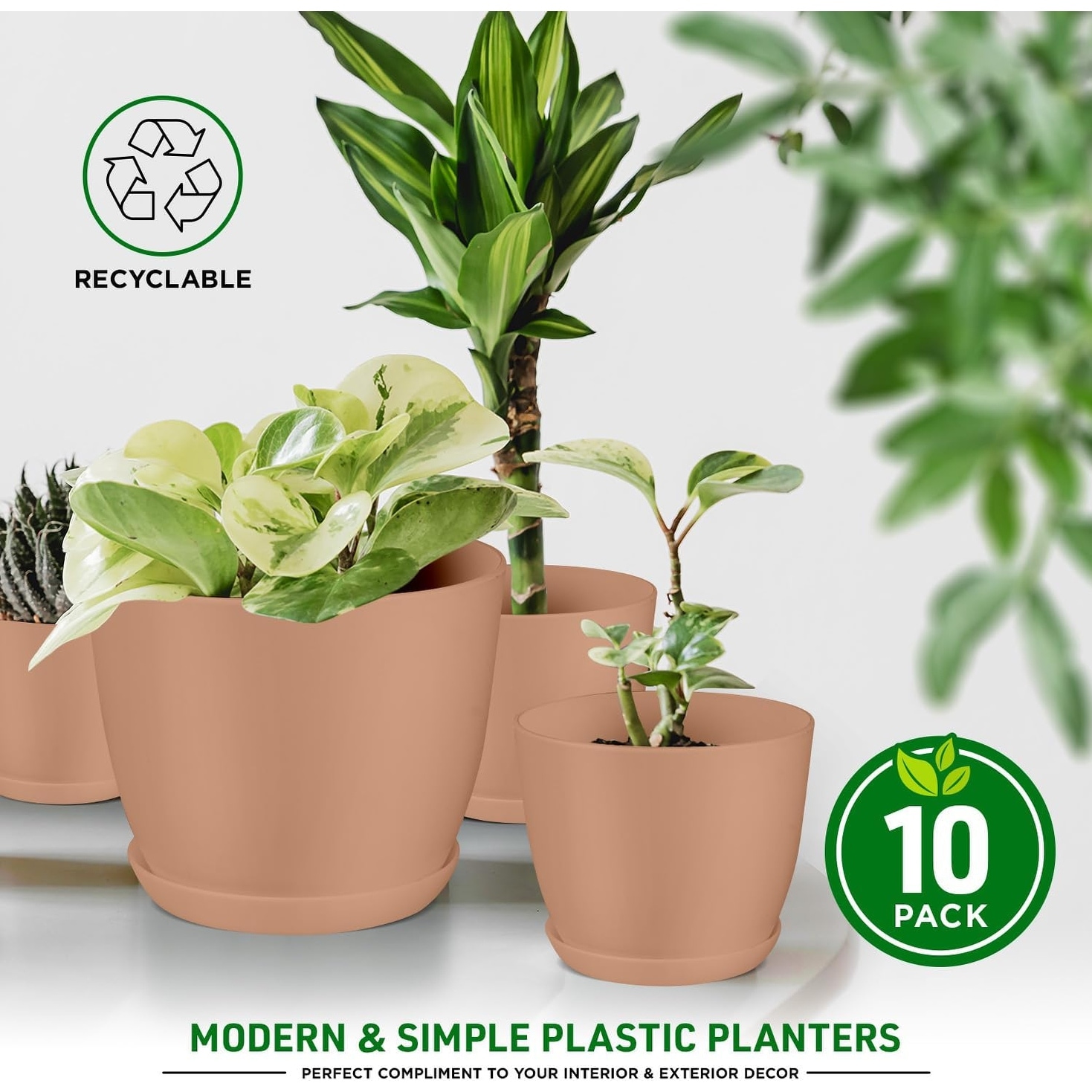
Plastic and resin containers often do not have drainage holes by default. You can add holes if needed to prevent water buildup.
- Check if your container has holes before planting.
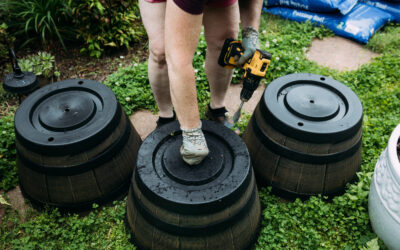
- Add holes carefully using a drill or heated tool.
- Use a layer of small stones at the bottom to improve drainage.
Ceramic And Decorative Pots
Ceramic pots may or may not have drainage holes. Some decorative pots lack holes but still hold soil and plants.
| Pot Type | Drainage Hole | Drainage Advice |
| Glazed Ceramic | Sometimes | Add holes or use carefully watered soil |
| Unglazed Ceramic | Usually Yes | Use as is for good drainage |
| Decorative Pots | Often No | Use as outer pot with a planter inside |
Self-watering Planters
Self-watering planters have a water reservoir below the soil. These pots usually do not need drainage holes.
They pull water up to the roots as the soil dries. This system prevents overwatering but needs a good setup to work well.
- Fill the reservoir with water only when needed.
- Keep the water level within the recommended range.
- Check the soil moisture regularly to avoid root rot.
How To Create Drainage Holes
Drainage holes help water escape from plant pots. This keeps roots healthy and stops water from building up.
Many planters do not come with drainage holes. You can add holes yourself to improve plant health.
Tools And Materials Needed
You need the right tools to make drainage holes safely. Prepare all materials before starting.
- Power drill or hand drill
- Drill bits (masonry or ceramic for hard pots)
- Masking tape or painter’s tape
- Marker or pencil to mark holes
- Safety goggles to protect your eyes
- Gloves to protect your hands
- Water spray bottle (to cool drill bit)
Step-by-step Drilling Process
Follow these steps to drill drainage holes properly. Take your time and work carefully.
- Place masking tape on the spot where you want the hole.
- Mark the exact hole location on the tape with a pencil.
- Put on safety goggles and gloves for protection.
- Start drilling slowly at the marked spot with a small drill bit.
- Spray water on the drill bit and pot to keep cool.
- Increase drill speed gradually and apply light pressure.
- Drill through the pot wall until the hole is complete.
- Remove tape and clean any dust from the hole.
Precautions For Fragile Pots
Fragile pots like ceramic or clay can crack during drilling. Use extra care with these materials.
- Use a smaller drill bit to start the hole.
- Drill at low speed to avoid cracking.
- Keep the pot wet by spraying water while drilling.
- Place the pot on a soft surface to reduce vibration.
- Do not force the drill; let it work slowly.
- If unsure, ask for help or use pots with pre-made holes.
Credit: www.bedbathandbeyond.com
Alternatives To Drainage Holes
Some planters do not have drainage holes. This can cause water to build up. Too much water can harm plant roots. Using other methods helps keep plants healthy without drainage holes.
Here are some ways to care for plants in pots without drainage. These methods help prevent overwatering and root rot.
Using A Layer Of Rocks Or Pebbles
Place small rocks or pebbles at the bottom of the planter. This layer stops soil from sitting in water. Water collects below the soil in the rock layer. It helps prevent roots from staying too wet.
- Choose clean, small rocks or pebbles
- Fill the bottom 1 to 2 inches of the planter
- Add soil on top of the rocks carefully
- Check the rocks for water buildup often
Choosing Well-draining Soil Mixes
Use soil that drains water quickly. Well-draining soil stops water from staying too long around roots. It keeps plants healthy without drainage holes.
| Soil Component | Benefit |
| Perlite | Improves air flow and drainage |
| Coarse Sand | Allows water to pass through fast |
| Coconut Coir | Holds moisture but drains well |
| Bark Chips | Increases soil aeration |
Watering Techniques For No-drain Planters
Water plants carefully to avoid too much moisture. Use less water than usual. Check soil moisture before watering again.
- Water slowly to let soil absorb it
- Use a spray bottle for light watering
- Wait until the top soil feels dry
- Remove excess water if it pools on the surface
Maintaining Healthy Plants
Planters need drainage holes to keep plants healthy. These holes let excess water escape. Without drainage, water can build up and harm roots.
Good drainage stops root rot and helps plants grow strong. It also keeps the soil fresh and aerated.
Watering Frequency And Amount
Drainage holes help control watering needs. You can water plants more often without soaking the roots.
Water only when the top soil feels dry. Avoid overwatering to keep roots healthy.
- Check soil before watering
- Water slowly to let it drain
- Use pots with holes for best results
Monitoring Soil Moisture
Drainage holes make it easier to check soil moisture. Wet soil drains quickly, so you know when to water again.
Use your finger or a moisture meter to test soil dampness. Healthy soil should feel moist but not soggy.
- Insert finger 1-2 inches deep
- Look for signs of dryness or dampness
- Adjust watering based on moisture levels
Repotting And Soil Refreshing
Drainage holes help soil stay fresh longer. When soil gets old, roots can suffer from poor air flow.
Repot plants every year or two. Use fresh soil to keep plants healthy and growing well.
- Choose pots with drainage holes
- Replace old soil with fresh mix
- Check roots for damage during repotting
Credit: greenvilledesigns.com
Frequently Asked Questions
Why Do Planters Need Drainage Holes?
Drainage holes prevent water from pooling at the bottom of planters. This helps avoid root rot and overwatering issues. Proper drainage ensures plants get the right amount of moisture. It allows excess water to escape, promoting healthy growth. Without drainage, plants may suffer from waterlogged soil and poor oxygen circulation.
Can Plants Survive Without Drainage Holes?
Plants can survive without drainage holes, but it’s challenging. You must carefully monitor watering levels to avoid overwatering. Using a layer of rocks or charcoal at the bottom can help. However, planters with drainage holes are generally better for plant health, allowing excess water to escape easily.
How Do Drainage Holes Benefit Plant Roots?
Drainage holes allow excess water to escape, preventing root rot. They help maintain proper oxygen levels in the soil. This promotes healthy root growth and nutrient absorption. Roots require both air and water; drainage holes ensure the right balance. They contribute to overall plant vitality and prevent waterlogged conditions.
Are Drainage Holes Necessary For All Plants?
Most plants benefit from drainage holes, but some can tolerate less drainage. Succulents and cacti require excellent drainage to thrive. However, some aquatic or moisture-loving plants might not need them. Assess your specific plant’s needs, but generally, drainage holes enhance plant health and growth.
Conclusion
Planters need drainage holes to keep plants healthy. Water drains out, stopping roots from rotting. Without holes, water can build up inside. This can harm plants and slow their growth. Choosing pots with holes helps air reach roots too. It supports strong and happy plants.
Remember, good drainage means better plant care. So, pick planters that let water flow out easily. Your plants will thank you for it.