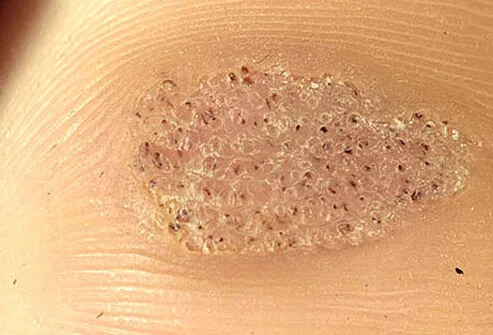
Have you ever noticed a small, rough bump on the bottom of your foot and wondered if it has seeds inside? Plantar warts can be confusing and sometimes even a bit scary.
You might ask yourself, “Do plantar warts have seeds? ” Understanding what’s really inside these pesky spots can help you take better care of your feet and know when to seek treatment. Keep reading to discover the truth about plantar warts and why knowing this can make a difference for your health and comfort.
What Are Planter’s Warts
Planter’s warts are small growths that appear on the soles of the feet. They are caused by a virus called human papillomavirus (HPV). These warts can be painful and make walking uncomfortable.
They look like thick, rough patches of skin with tiny black dots inside. These black dots are small blood vessels that have grown into the wart.
Causes And Symptoms
Planter’s warts happen when HPV enters the skin through tiny cuts or breaks. The virus infects the top layer of the skin and causes the cells to grow faster. This creates the wart.
- Small, grainy growths on the foot’s sole
- Hard, thickened skin over the wart
- Black dots inside the wart, which are clotted blood vessels
- Pain or tenderness when standing or walking
Where They Appear
Planter’s warts usually appear on the weight-bearing parts of the feet. This includes the heels and balls of the feet. The pressure in these areas can cause the warts to grow inward.
| Location | Description |
| Heel | Common spot with thick skin and pressure |
| Ball of the foot | Area where the foot pushes off during walking |
| Toes | Less common, but can appear between or on toes |

Credit: www.shutterstock.com
Common Myths About Planter’s Warts
Planter’s warts are a common skin problem caused by a virus. Many people have wrong ideas about them. These myths can cause confusion and fear.
This article clears up some common myths about planter’s warts. Knowing the facts helps you handle warts the right way.
Seeds Inside Warts
Some people think planter’s warts have seeds inside them. These “seeds” are tiny black dots seen on the wart surface. They look like small seeds but are not real seeds.
The black dots are actually small blood vessels that have clotted. They give the wart its rough texture but do not grow into new plants or anything like that.
Contagiousness And Spread
Many believe planter’s warts spread very easily from person to person. Warts can spread, but only by direct contact with the virus. The virus enters through small cuts or breaks in the skin.
Touching a wart does not always spread it. Sharing shoes or walking barefoot in public places increases the risk. Good hygiene lowers the chance of getting or spreading warts.
- Warts spread through skin contact with the virus
- Not all contact causes warts to spread
- Walking barefoot in public can increase risk
- Keeping feet clean helps prevent spreading
Home Remedies And Their Effectiveness
Many home remedies claim to remove planter’s warts. Common treatments include duct tape, apple cider vinegar, and garlic. Some may help, but results vary.
Home remedies take time and may not work for everyone. Some warts go away on their own without treatment. If a wart is painful or spreading, see a doctor for advice.
- Duct tape can help but needs weeks of use
- Apple cider vinegar may irritate skin
- Garlic has antiviral properties but is not a cure
- Medical treatment may be faster and safer
Scientific Facts About Planter’s Warts
Planter’s warts are small growths that appear on the soles of the feet. Many people wonder if these warts have seeds or if they spread in another way.
This article explains the scientific facts about how planter’s warts develop and why they do not have seeds.
How Warts Develop
Warts grow when a virus infects the skin cells. The virus causes the skin to grow quickly in a small area. This forms a bump called a wart.
The virus enters the skin through tiny cuts or scratches. Warts can spread to other parts of the body if the virus moves to new areas.
Role Of The Human Papillomavirus
The Human Papillomavirus (HPV) causes planter’s warts. Different types of HPV cause different kinds of warts.
HPV infects the top layer of the skin. It changes how skin cells grow, making the wart appear. The virus lives inside the skin, hidden from the immune system.
- HPV is highly contagious
- It spreads by direct contact with infected skin
- It can survive on surfaces like floors or towels
Why Warts Don’t Have Seeds
Warts do not have seeds because they are not plants. They are caused by a virus that makes skin cells grow.
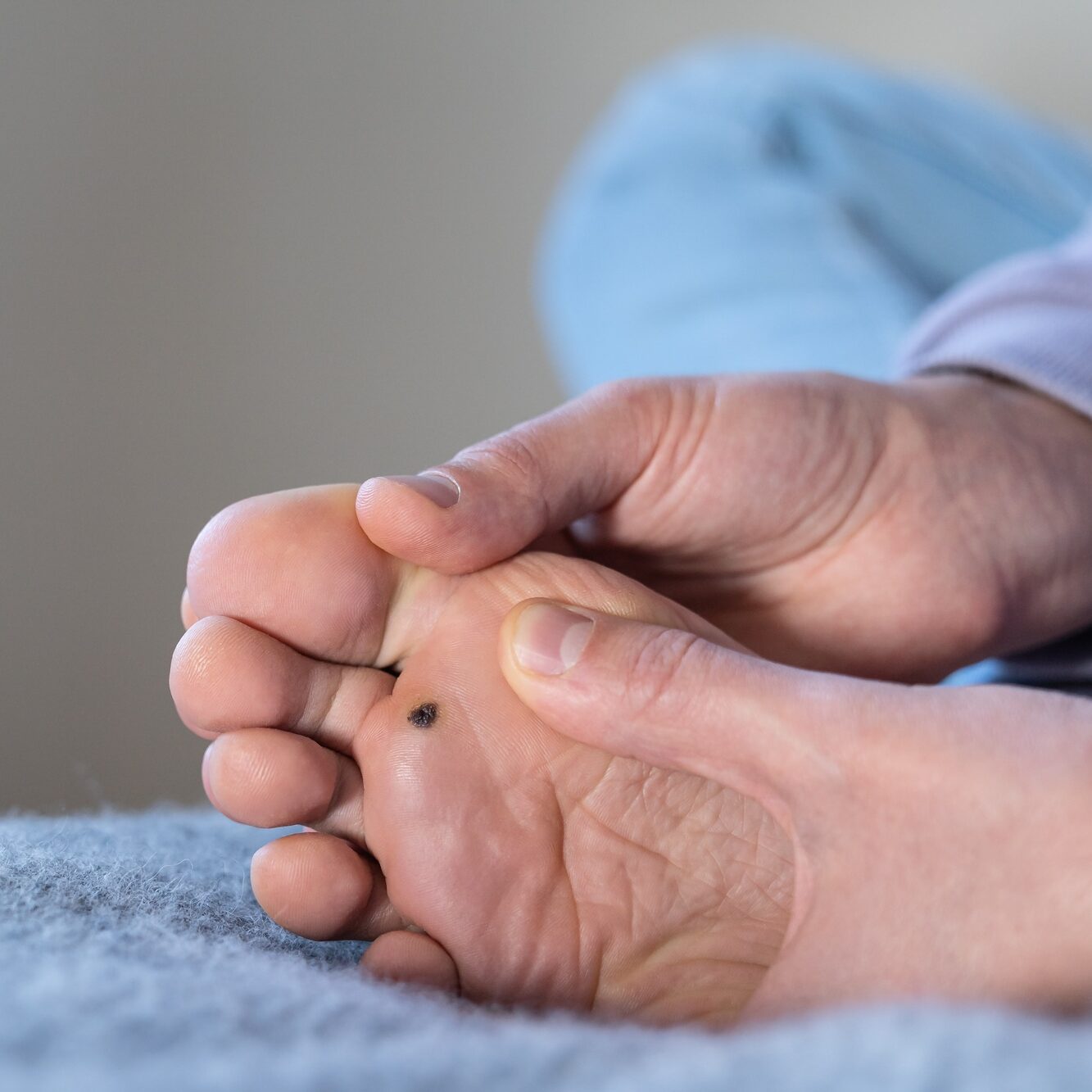
Sometimes black dots appear on warts. These are small blood vessels, not seeds. The dots show where blood flows inside the wart.
- Black dots are clotted blood vessels
- They help supply nutrients to the wart
- They are not reproductive parts
Credit: balancehealth.com
Treatment Options For Planter’s Warts
Planter’s warts appear on the soles of your feet. They can cause discomfort and pain. Treating these warts helps reduce symptoms and clear the skin.
There are many ways to treat planter’s warts. Some treatments you can buy yourself. Others require a doctor’s help. You can also take steps to prevent them.
Over-the-counter Solutions
Many OTC products work to remove planter’s warts. These usually contain salicylic acid. This acid softens the skin and helps peel the wart away.
- Salicylic acid patches or liquids
- Freezing sprays that kill wart tissue
- Medicated pads with acids or other chemicals
- Regular cleaning and filing of the wart
Medical Procedures
Doctors can use stronger treatments to remove planter’s warts. These methods are faster and often more effective than OTC options.
| Procedure | Description | Effectiveness |
| Cryotherapy | Freezing wart with liquid nitrogen | High |
| Laser Treatment | Burning wart tissue with laser light | Moderate |
| Minor Surgery | Cutting out the wart | High |
| Immunotherapy | Stimulating immune system to fight wart | Moderate |
Prevention Tips
Preventing planter’s warts lowers the chance of infection. Try these tips:
- Wear flip-flops in public showers and pools
- Keep feet clean and dry
- Do not share socks or shoes
- Avoid touching or picking at warts
- Change socks daily and use breathable shoes

Credit: www.katyfootcare.com
Frequently Asked Questions
What Are Planters Warts?
Planters warts are non-cancerous skin growths caused by the human papillomavirus (HPV). They typically appear on the soles of the feet. These warts can be painful due to their pressure points. Although they are harmless, they can be bothersome and sometimes require treatment to alleviate discomfort.
Do Planters Warts Contain Seeds?
No, planters warts do not contain seeds. The small black dots often seen in planters warts are actually tiny blood vessels. These blood vessels supply the wart with nutrients and are not seeds. The appearance of seeds is a common misconception among people.
How Do Planters Warts Spread?
Planters warts spread through direct contact with the virus. This can occur in public areas like pools and locker rooms. Sharing shoes or socks can also spread the virus. The virus thrives in warm, moist environments, so maintaining foot hygiene is crucial to prevent spreading.
Can Planters Warts Go Away On Their Own?
Yes, planters warts can go away on their own. The immune system can sometimes fight off the virus. However, this process can take months or even years. Seeking treatment can help speed up recovery and alleviate discomfort associated with the warts.
Conclusion
Planter’s warts do not have seeds. They spread through viruses, not plants. The human papillomavirus causes these warts to grow on the skin. They can pass from person to person or by touching contaminated surfaces. Treating planter’s warts early helps stop their spread.
Keeping feet clean and dry lowers the risk of infection. Understanding how planter’s warts spread helps you protect yourself. Always seek advice from a healthcare professional for proper care. Stay informed and take simple steps to keep your skin healthy.