Have you ever wondered if plants need food just like you do? You might think they do, but the answer isn’t as simple as it seems.
Understanding how plants get their energy can change the way you care for them and help your garden thrive. You’ll discover the surprising truth about what plants really need to grow strong and healthy. Keep reading, because what you learn here could transform your relationship with every plant you touch.
How Plants Get Nutrients
Plants need nutrients to grow and stay healthy. They get these nutrients from different sources.
Understanding how plants get their nutrients helps us care for them better. Three main ways plants get nutrients are photosynthesis, soil minerals, and water.
Photosynthesis And Energy
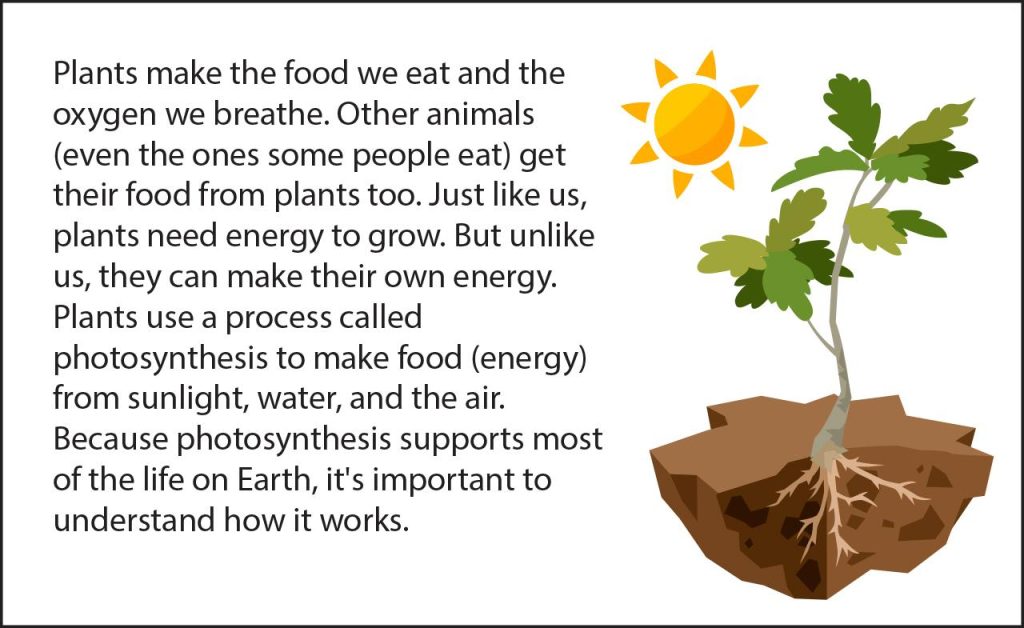
Plants make their own food using sunlight. This process is called photosynthesis. They use sunlight, carbon dioxide, and water to create energy.
The energy plants make helps them grow and repair themselves. Leaves play a big role in capturing sunlight for photosynthesis.
Soil Nutrients And Minerals
Plants absorb minerals and nutrients from the soil through their roots. These nutrients help with growth and health.
- Nitrogen helps leaves grow green and healthy.
- Phosphorus supports root and flower development.
- Potassium strengthens the plant’s ability to resist disease.
- Calcium builds strong cell walls.
- Magnesium is important for photosynthesis.
Water’s Role In Nutrition
Water is essential for plants to take in nutrients. It helps dissolve minerals in the soil so roots can absorb them.
| Function | Role of Water |
| Transport | Carries nutrients from soil to plant cells. |
| Photosynthesis | Supplies hydrogen needed for food production. |
| Temperature | Helps cool the plant through evaporation. |
| Structure | Keeps plant cells firm and healthy. |
Essential Nutrients For Growth
Plants need nutrients to grow strong and healthy. These nutrients help plants make food and build new cells.
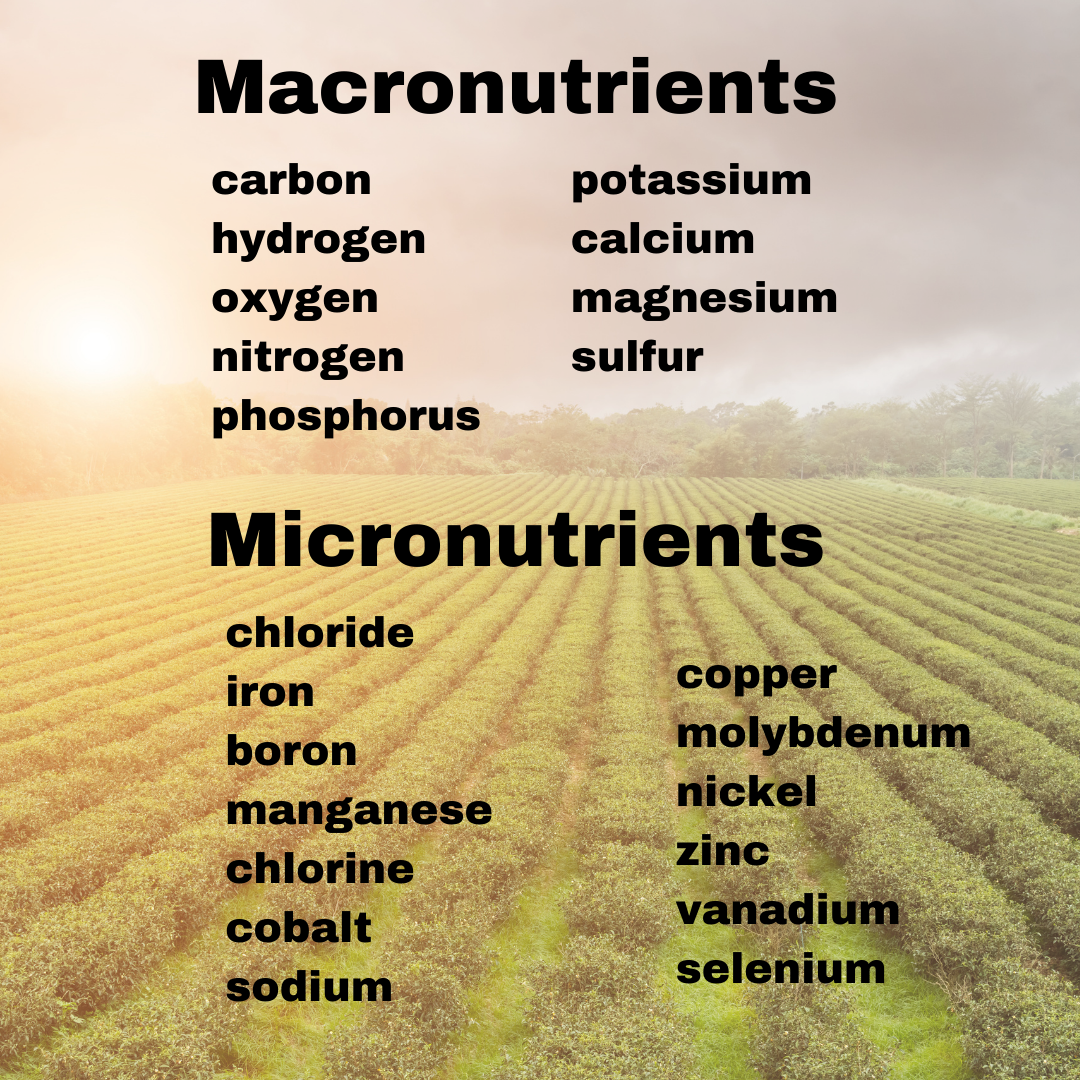
Some nutrients plants need in large amounts are called macronutrients. Others, needed in small amounts, are called micronutrients.
Macronutrients: Nitrogen, Phosphorus, Potassium
Nitrogen helps plants grow leaves and stems. It is part of chlorophyll, which plants use to make food.
Phosphorus helps plants make roots and flowers. It also helps with energy transfer inside the plant.
Potassium helps plants stay healthy. It controls water movement and helps fight diseases.
| Macronutrient | Main Function |
| Nitrogen (N) | Leaf and stem growth, chlorophyll production |
| Phosphorus (P) | Root and flower development, energy transfer |
| Potassium (K) | Water regulation, disease resistance |
Micronutrients And Their Functions
Micronutrients are needed in tiny amounts. They help plants with important jobs like making enzymes and chlorophyll.
- Iron helps plants make chlorophyll for green leaves.
- Manganese aids in photosynthesis and nitrogen use.
- Zinc supports growth hormones and enzyme function.
- Copper helps with photosynthesis and plant metabolism.
- Boron is important for cell wall formation and fruit growth.
Soil Quality And Plant Health
Plants need food to grow and stay healthy. The soil quality affects how plants access nutrients.
Good soil helps plants absorb the food they need. Soil must have the right balance of nutrients and structure.
Soil Ph And Nutrient Availability
Soil pH measures how acidic or basic the soil is. This affects how well plants can access nutrients.
Most plants prefer soil with a pH between 6 and 7. If the pH is too high or low, nutrients get locked away.
- Acidic soil may limit nutrient uptake
- Basic soil can cause nutrient deficiencies
- Balanced pH helps plants thrive
Organic Matter And Soil Fertility
Organic matter includes decomposed plants and animals in the soil. It is crucial for soil fertility.
Organic matter improves soil structure and provides nutrients. It also helps the soil retain water.
| Benefits of Organic Matter | Impact on Soil |
| Improves structure | Better root growth |
| Increases nutrients | Enhanced plant health |
| Water retention | Reduces drought stress |

Credit: www.youtube.com
Fertilizers And Supplements
Plants need nutrients to grow strong and healthy. They get some from the soil but may need extra help.
Fertilizers and supplements add important nutrients to the soil. This helps plants stay green and produce more leaves, flowers, or fruits.
Types Of Fertilizers
There are different types of fertilizers. Each one gives plants different nutrients they need.
- Organic Fertilizers:Made from natural materials like compost or manure.
- Inorganic Fertilizers:Made from chemicals that supply specific nutrients fast.
- Complete Fertilizers:Contain nitrogen, phosphorus, and potassium (NPK).
- Slow-Release Fertilizers:Release nutrients slowly over time.
- Liquid Fertilizers:Easy to apply and quickly absorbed by plants.
When And How To Apply Fertilizers
Apply fertilizers during the growing season when plants need nutrients most. This is usually spring and summer.
Follow the instructions on the fertilizer package. Use the right amount to avoid harming the plants.
- Water plants before applying fertilizer to protect roots.
- Spread fertilizer evenly around the base of the plant.
- Do not put fertilizer directly on leaves or stems.
- For liquid fertilizers, dilute with water as directed.
- Reapply fertilizers as needed, based on plant type and growth.
Signs Of Nutrient Deficiency
Plants need nutrients to grow healthy and strong. If they lack nutrients, they show signs on their leaves and stems. Spotting these signs early helps to fix the problem fast.
Different nutrients cause different symptoms. Knowing these signs helps gardeners give the right care to plants.
Common Symptoms In Leaves And Stems
- Yellowing leaves:Often a sign of nitrogen deficiency.
- Brown spots:Can indicate potassium shortage.
- Leaf curling:May mean lack of calcium.
- Stunted growth:Often caused by phosphorus deficiency.
- Pale or white leaves:Shows iron deficiency.
- Weak stems:Can result from low magnesium.
These symptoms appear because nutrients help with photosynthesis, cell growth, and plant strength. Without enough nutrients, plants cannot function well.
Correcting Deficiencies
| Nutrient | Correction Method | Notes |
| Nitrogen | Apply nitrogen-rich fertilizer or compost | Best added in spring or early growth |
| Potassium | Use potassium sulfate or wood ash | Improves flowering and fruiting |
| Calcium | Add lime or gypsum to soil | Prevents leaf curling and blossom end rot |
| Phosphorus | Use bone meal or rock phosphate | Supports root and flower development |
| Iron | Apply iron chelates or foliar sprays | Good for pale leaves and chlorosis |
| Magnesium | Use Epsom salts in soil or water | Strengthens stems and leaves |
Keep soil pH balanced for better nutrient uptake. Test soil regularly to avoid over-fertilizing. Healthy soil makes plants less likely to show deficiency signs.
Credit: medium.com
Watering And Nutrient Uptake
Plants need water to absorb nutrients from the soil. Water helps nutrients move to the roots. Without enough water, plants cannot get the food they need.
Balancing water and nutrients is key for healthy plants. Too much or too little water affects nutrient uptake. Good care means finding the right balance.
Balancing Water And Nutrient Absorption
Water carries nutrients to plant roots. If the soil is dry, nutrients stay locked in. If water is just right, plants absorb nutrients well.
- Keep soil moist but not soggy
- Use mulch to keep soil damp longer
- Water early in the day to reduce evaporation
- Check soil moisture before watering again
Avoiding Overwatering
Too much water washes nutrients away. It also stops roots from breathing. Overwatering can hurt plants more than dry soil.
| Problem | Effect on Plants |
| Overwatering | Roots rot, nutrients lost |
| Underwatering | Nutrients stay in soil, plants dry |
| Balanced Watering | Healthy roots, good nutrient flow |
Tips For Healthy Plant Growth
Plants need proper care to grow strong and healthy. Understanding their needs helps you support their growth.
Good soil and smart gardening habits make a big difference. Here are key tips for healthy plants.
Soil Testing And Monitoring
Soil testing helps you know what your plants need. It shows nutrient levels and soil pH.
- Test soil before planting to check nutrient content
- Use test kits or send samples to a lab
- Monitor soil pH to keep it in the right range
- Add fertilizers based on test results
- Check soil moisture regularly to avoid over or under watering
Sustainable Gardening Practices
Sustainable gardening uses methods that protect the environment. It helps plants and nature thrive.
| Practice | Benefit |
| Composting | Improves soil health and reduces waste |
| Mulching | Keeps soil moist and controls weeds |
| Crop rotation | Prevents soil nutrient loss and pests |
| Using native plants | Requires less water and care |

Credit: www.teacherspayteachers.com
Frequently Asked Questions
Do Plants Need Food To Grow?
Yes, plants need food to grow. They produce their own food using sunlight, water, and carbon dioxide through photosynthesis. Nutrients from soil also support their growth and development.
How Do Plants Make Their Own Food?
Plants make food through photosynthesis. They use sunlight, water, and carbon dioxide to create glucose and oxygen. This process provides energy for growth and survival.
Can Plants Survive Without Food From Soil?
Plants can survive without soil food temporarily. They rely mainly on photosynthesis for energy. However, soil nutrients are essential for long-term health and growth.
What Nutrients Do Plants Need As Food?
Plants need nitrogen, phosphorus, potassium, and trace minerals as food. These nutrients support photosynthesis, root development, and overall plant health.
Conclusion
Plants do need food, but not like animals do. They make their own food using sunlight, water, and air. This process is called photosynthesis. Plants also get nutrients from the soil to grow strong and healthy. Without these elements, plants cannot survive or thrive.
Understanding how plants get food helps us care for them better. Healthy plants bring beauty and life to our world. Simple care and the right conditions make plants happy and green.