Have you ever wondered if police cars have cameras inside them? You might be curious about what these cameras record and how they affect your safety and privacy.
Understanding whether police vehicles are equipped with cameras can change the way you think about law enforcement and your rights. Keep reading, because what you learn here could surprise you and help you stay informed the next time you see flashing lights behind you.

Credit: www.cbc.ca
Police Car Cameras Today
Police cars today often use cameras to record their activities. These cameras help officers gather evidence and improve safety.
Many types of cameras are used in police vehicles. They capture video and audio during traffic stops and emergencies.
Types Of Cameras Used
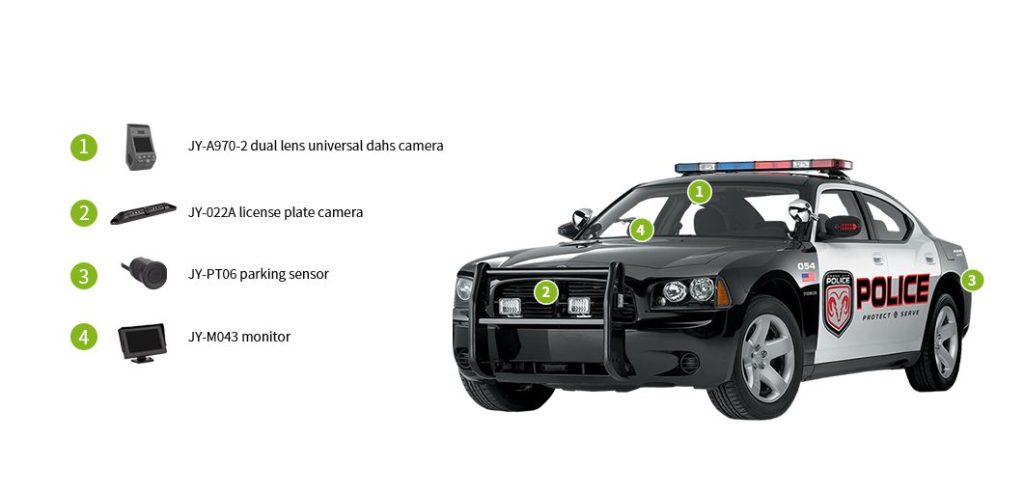
Police cars use several camera types for different purposes. Dash cameras record the road ahead. Body cameras record the officer’s view. Some cars have rear cameras to capture what happens behind the vehicle.
- Dash Cameras
- Body Cameras
- Rear-Facing Cameras
- 360-Degree Cameras
Placement And Coverage
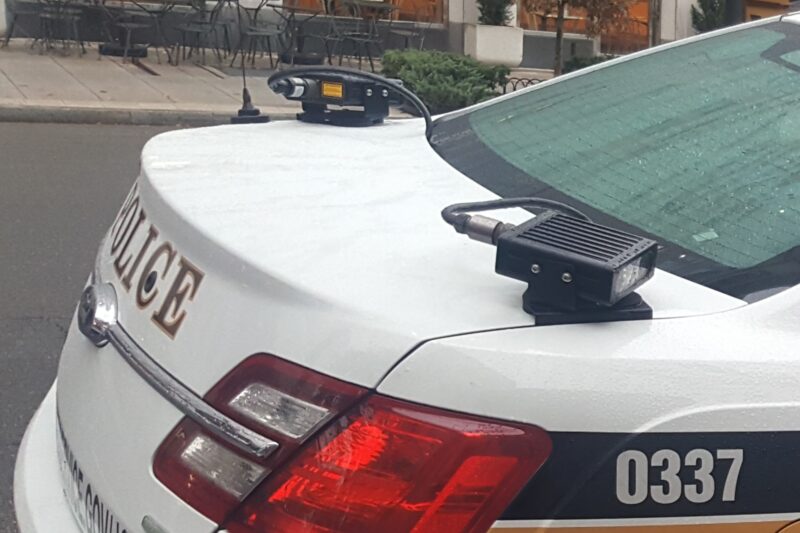
Cameras are placed to cover key angles around the police car. Dash cams sit on the dashboard or windshield. Body cams attach to the officer’s uniform. Rear cameras are on the back of the vehicle. Some setups offer full 360-degree views.
| Camera Type | Placement | Coverage Area |
| Dash Camera | Dashboard or Windshield | Front view of road |
| Body Camera | Officer’s Uniform | Officer’s perspective |
| Rear Camera | Rear of Vehicle | Behind the vehicle |
| 360-Degree Camera | Roof or multiple spots | All around the car |
Technology Behind Cameras
Modern police cameras use high-definition video to capture clear images. Many cameras have night vision to record in low light. Some cameras connect to the cloud to store footage safely. Others use GPS to record location data with videos.
- High-definition video quality
- Night vision capabilities
- Cloud storage options
- GPS location tagging
- Automatic activation during stops
Reasons For Installing Cameras
Police cars often have cameras installed to help improve safety and fairness. These cameras record events during police work. They capture video and audio of traffic stops, accidents, and other incidents.
Cameras in police cars serve many purposes. They help protect both officers and the public. These devices also provide important evidence for investigations and court cases.
Enhancing Officer Safety
Cameras help keep officers safe by recording what happens during calls. Knowing they are being recorded can reduce attacks on officers. It also allows backup to respond quickly if needed.
Footage from cameras can show if an officer acted in self-defense. This helps protect officers from false accusations. It also encourages safer behavior during confrontations.
Evidence Collection
Cameras collect clear evidence of crimes and accidents. Video recordings provide a factual account of events. This helps officers write accurate reports and supports investigations.
Recorded footage can be used in court to prove what happened. It helps judges and juries make fair decisions. This reduces disputes over conflicting stories.
Accountability And Transparency
Cameras promote honesty by recording police actions in real time. Officers know their actions are visible to the public and supervisors. This encourages them to follow rules and act professionally.
Video evidence can resolve complaints against officers quickly. It builds trust between the police and the community. Transparency helps improve relationships and reduce conflicts.
Legal Aspects And Privacy
Many police cars have cameras to record events during patrols. These cameras help with evidence and officer safety.
Using cameras raises questions about laws and privacy rights for both officers and the public.
Laws Governing Camera Use
Laws on police cameras vary by state and country. Some places require officers to turn cameras on during stops.
These laws set rules about when and how cameras should be used to protect everyone’s rights.
- Some laws require camera activation in all public interactions.
- Other laws limit use in private spaces to protect privacy.
- Officers may face penalties if they fail to record when required.
Public Privacy Concerns
People worry that cameras might record private moments without permission. This can feel like an invasion of privacy.
Cameras can capture sensitive information or bystanders who are not involved in incidents.
- Concerns about constant surveillance in public spaces
- Fear of misuse of recorded videos
- Questions about consent when recording individuals
Data Storage And Access
Police departments must store camera footage securely. This helps protect the data from theft or loss.
Access to footage is often limited to authorized people only. Rules control who can view or share videos.
- Footage stored on secure servers or encrypted devices
- Access granted only to investigators or legal officials
- Some footage can be requested by the public under certain laws

Credit: luview.com
Impact On Policing
Police cars with cameras have changed how officers do their jobs. These cameras record events during traffic stops and other police work. This helps to keep both officers and the public safe.
The presence of cameras can affect police behavior and community trust. It also provides useful data for studies on law enforcement practices.
Changes In Police Behavior
When police cars have cameras, officers often act more carefully. They know their actions are being recorded. This can lead to fewer complaints and less use of force.
- Officers follow procedures more closely.
- They communicate more calmly with the public.
- There is more accountability for actions taken.
Community Relations
Cameras in police cars help build trust with communities. People feel safer when they know interactions are recorded. This transparency can reduce tensions and improve cooperation.
Key ways cameras improve community relations:
- Clear evidence in disputes
- Reduced fear of unfair treatment
- Better understanding of police work
Case Studies And Statistics
Many studies show that police car cameras help lower complaints and use of force. The data proves these tools make a difference in policing.
| Study | Finding | Impact |
| City A (2019) | 30% drop in complaints | Improved officer conduct |
| City B (2020) | 15% reduction in use of force | Safer interactions |
| City C (2021) | Increased community trust by 20% | Better police relations |
Challenges And Limitations
Police cars often have cameras to record events and improve safety. These cameras can help with evidence and accountability. Still, they face some challenges and limits that affect how well they work.
Understanding these issues can show why cameras are not perfect tools. They need support to work properly and fairly in police work.
Technical Issues
Police car cameras may face problems with video quality and storage. Bad weather or low light can make videos unclear. Also, cameras can stop working due to hardware faults.
- Video can be blurry or dark in some conditions
- Storage space limits how long videos are saved
- Camera malfunctions can cause loss of footage
- Battery or power supply issues may interrupt recording
Cost And Maintenance
| Expense Type | Description |
| Initial Purchase | Buying cameras and installation |
| Repairs | Fixing broken or damaged units |
| Upgrades | Improving software and hardware |
| Data Storage | Keeping recorded videos safe and accessible |
| Training | Teaching officers to use cameras properly |
These costs add up and require ongoing budgets. Departments must plan for both buying and keeping cameras working well.
Ethical Dilemmas
Cameras raise questions about privacy and trust. Officers and the public may worry about when and how cameras record.
- Privacy concerns for people recorded in public or private places
- Deciding who can view or use the footage
- Possible misuse of video recordings
- Balancing transparency with security needs
Future Of Police Surveillance
Police cars often have cameras to record events and improve safety. These cameras help officers gather evidence and keep drivers honest.
The future of police surveillance will bring new tools and rules. These changes will affect how police use cameras and technology.
Emerging Technologies
New technology will change how police watch the streets. Cameras will get better with clearer images and longer recording times.
Other tools like drones and body cameras will work with car cameras. Police may use smart systems to spot crimes faster.
- High-definition cameras for clear video
- Drones for aerial views
- Body cameras for close-up recording
- Artificial intelligence to detect incidents
Policy Trends
New rules guide how police use cameras and data. These rules protect people’s rights and make sure cameras are used fairly.
Many places require police to turn on cameras during stops. Policies also set limits on who can view or share the videos.
- Mandatory camera use during police stops
- Clear rules for storing video data
- Limits on sharing videos publicly
- Training for officers on camera use
Balancing Security And Privacy
Police cameras help keep people safe but can raise privacy concerns. It is important to find a fair balance.
Clear laws and open discussions help protect privacy. People want safety without feeling watched all the time.
- Protecting citizens’ privacy rights
- Using cameras only when needed
- Keeping video data secure
- Being open about surveillance practices
Credit: www.aclu.org
Frequently Asked Questions
Do All Police Cars Have Cameras Installed?
Most police cars have cameras, but not all. Many departments use dash and body cameras for evidence and safety. Usage depends on budget and policy.
What Types Of Cameras Are Used In Police Cars?
Police cars commonly use dash cameras and body-worn cameras. Dash cams record traffic stops, while body cams capture officer interactions. Both enhance transparency and accountability.
How Do Police Car Cameras Improve Law Enforcement?
Cameras provide clear evidence during incidents and reduce false complaints. They promote officer accountability and protect both officers and the public during encounters.
Are Police Car Cameras Always Recording?
Police car cameras typically activate during traffic stops or emergencies. Some record continuously, but most start recording based on specific triggers or manual activation.
Conclusion
Police cars often have cameras for safety and accountability. These devices capture crucial evidence during incidents. They help ensure transparency in police actions. Cameras can protect both officers and the public. People feel safer knowing their interactions are recorded. Video footage aids in investigations and court cases.
It provides clear, unbiased accounts of events. As technology advances, camera use in police cars will likely grow. This ensures better law enforcement practices. Understanding this technology is important for all. It promotes trust and safety in communities.