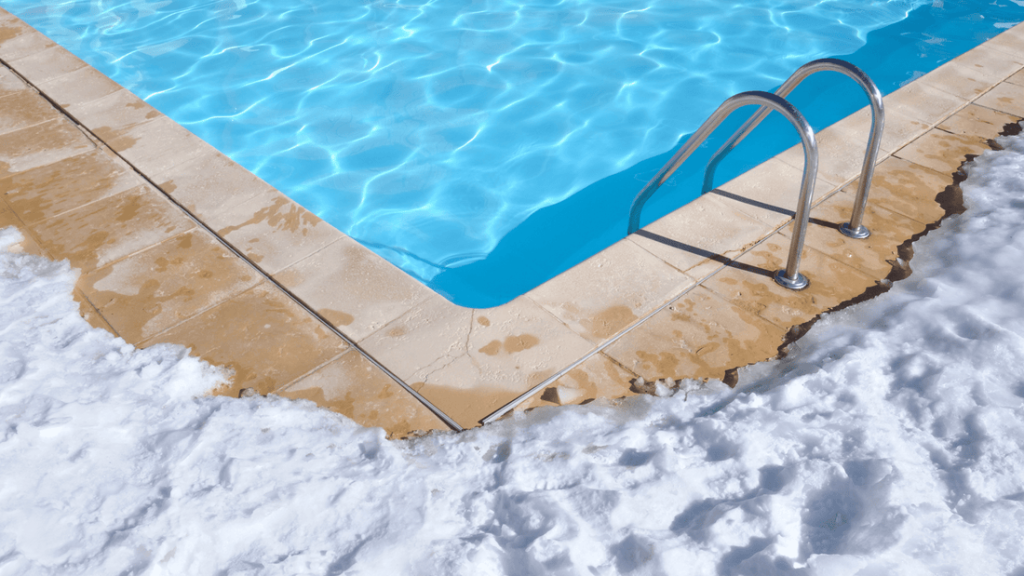
As winter approaches, you might find yourself wondering about your backyard oasis. Do pools freeze in the winter?
It’s a question many pool owners ask as temperatures start to drop. Imagine waking up to a beautiful blanket of snow, only to find your pool transformed into an unexpected ice rink. But is this a real possibility for you?
Understanding how your pool reacts to the cold can save you time, money, and stress. We’ll explore what happens to pools when the mercury plummets and how you can protect your investment. Stay with us to uncover crucial tips and insights that will keep your pool safe and ready for those warm summer days ahead.
How Pools Freeze
Pools can freeze during winter when temperatures drop low enough. Understanding how pools freeze helps you protect your investment. The freezing process depends on water behavior, temperature, and other factors.
Water Behavior In Cold
Water behaves differently as it cools. It becomes denser until it reaches 4°C (39°F). Below this, water starts to expand. Ice forms on the surface because cold water rises. This ice layer insulates the water below, slowing freezing deeper.
Temperature Thresholds
Water freezes at 0°C (32°F). But pools don’t freeze immediately at this temperature. Prolonged exposure to freezing temperatures is needed. If air temperature stays below freezing for many hours, ice begins to form. Sudden drops cause surface ice quickly.
Factors Influencing Freezing
- Pool size: Larger pools freeze slower than small ones.
- Water movement: Pumps and heaters reduce freezing risk.
- Covering: Pool covers help trap heat and slow freezing.
- Location: Pools in shaded or windy areas freeze faster.
- Water depth: Deep pools maintain warmth longer.
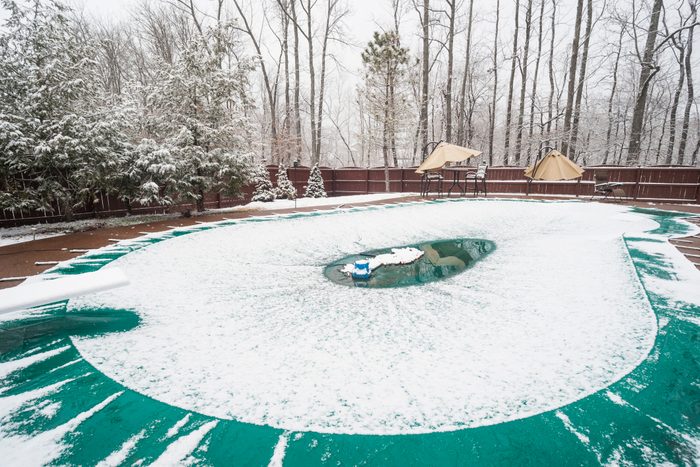
Credit: www.familyhandyman.com
Types Of Pools And Freezing Risks
Understanding the types of pools you have can help you better prepare for winter and the risks of freezing. Different pool types react differently to cold weather, and knowing these differences lets you take the right precautions. Let’s break down the common pool types and what freezing means for each.
Above-ground Pools
Above-ground pools face higher freezing risks because they have less insulation from the ground. Their walls and liner can be damaged by expanding ice if the water freezes solid. You should keep some water moving or use a pool cover designed for winter to reduce this risk.
Have you ever seen the liner crack after a harsh winter? I have, and it was a costly mistake that made me realize the importance of proper winter care.
In-ground Pools
In-ground pools are usually safer from freezing damage due to being partially underground, where the earth acts as insulation. However, the plumbing and equipment above ground are vulnerable to freezing. Draining pipes and using antifreeze solutions in the pool’s plumbing can protect your investment.
Ask yourself: Have you winterized your pump and filter systems? Neglecting this can lead to burst pipes and expensive repairs.
Inflatable And Portable Pools
Inflatable and portable pools are the most susceptible to freezing damage. Their thin walls don’t offer insulation, and ice can easily puncture or stretch them out of shape. Draining them completely and storing them indoors during cold months is the safest choice.
Think about whether it’s worth keeping your inflatable pool outside if your area regularly dips below freezing. The damage may not be worth the hassle.
Effects Of Freezing On Pools
Freezing temperatures can have serious effects on swimming pools. Ice forms as water freezes, expanding and putting pressure on pool surfaces and equipment. This expansion can cause cracks and damage that may be costly to fix. Understanding these effects helps pool owners take proper precautions to protect their pools during winter.
Structural Damage
Water expands by about 9% when it freezes. This expansion puts stress on pool walls and floors. Concrete and vinyl pools may crack or split under pressure. Small cracks can grow larger over time. This damage often leads to leaks. Repairing structural damage is expensive and time-consuming.
Equipment Risks
Pool equipment like pumps, filters, and heaters are vulnerable to freezing. Water left inside pipes can freeze and burst them. Broken pipes cause water leaks and damage the system. Frozen pumps may stop working and need replacement. Protecting equipment with insulation or draining water is essential.
Water Quality Changes
Freezing affects water chemistry and clarity. Ice formation can disrupt chemical balance, leading to algae growth and bacteria buildup. Cold temperatures slow down chemical reactions, making treatment less effective. Pools may become cloudy or dirty after thawing. Regular monitoring and cleaning help maintain water quality.

Credit: www.reddit.com
Preventing Pool Freezing
Preventing your pool from freezing during winter is essential to avoid costly damage to the structure and equipment. Taking proactive steps can save you time, money, and frustration when spring arrives. Let’s dive into practical ways to keep your pool safe and ice-free.
Using Pool Covers
A sturdy pool cover acts as a barrier against cold air and debris. It helps retain heat and slows down the freezing process significantly.
Choose covers designed specifically for winter protection—they are thicker and more durable. I once skipped using a cover one winter, and the cleanup and repairs afterward were overwhelming. Don’t let your pool become a frozen mess.
Maintaining Water Circulation
Moving water is less likely to freeze, so keeping your pool pump running for a few hours daily is crucial. Circulation prevents ice from forming on the surface and protects plumbing from freezing.
If you’re worried about energy costs, consider a timer to run the pump during the coldest parts of the day. Have you checked whether your current pump has this feature? It’s a smart way to balance protection and efficiency.
Adding Antifreeze Solutions
Special pool antifreeze can be added to plumbing lines to prevent freezing without harming your pool or the environment. This option is especially useful for pools in regions with harsh winters.
Make sure to use antifreeze products made for pools, not automotive antifreeze, which is toxic. Have you ever had to deal with burst pipes? Adding antifreeze can save you from that headache.
Winterizing Your Pool
Preparing your pool for winter is essential to avoid damage and costly repairs. Winterizing your pool means taking specific steps to protect it from freezing temperatures. These steps help maintain water quality and keep your pool equipment safe throughout the cold months.
Cleaning And Balancing Water
Before closing your pool, make sure to clean it thoroughly. Remove leaves, dirt, and debris using a net or pool vacuum. Clean water prevents stains and algae growth during winter.
Next, balance your pool water’s chemistry. Check and adjust pH, alkalinity, and calcium hardness to recommended levels. Balanced water protects your pool surface and equipment from corrosion or scaling.
Draining And Lowering Water Levels
Lower the water level to just below the pool’s skimmer or tile line. This prevents water from freezing inside the skimmer, which can cause cracks. However, don’t drain the pool completely; the water helps support the pool walls.
Drain water from pumps, filters, and heaters to avoid freeze damage. If water is left in these parts, expanding ice can crack pipes and damage equipment. Have you checked if your pool has winter drain plugs? Removing them is crucial to let water escape.
Protecting Pool Equipment
Winterizing your pool equipment is just as important as caring for the pool itself. Disconnect and store pool accessories like ladders, covers, and skimmer baskets in a dry place. This keeps them from weather damage and makes them last longer.
Use antifreeze designed for pools in plumbing lines if recommended for your climate. Cover your pool pump and filter with breathable covers to keep moisture and debris out. Have you considered investing in a pool cover? It shields your pool from harsh winter conditions and reduces cleanup in spring.
Signs Your Pool Is Freezing
Knowing the signs that your pool is freezing can save you from costly damage and unexpected repairs. Pools don’t always freeze overnight, and subtle hints often appear before the surface turns solid. Watching for these early indicators helps you act quickly and protect your investment during harsh winter conditions.
Ice Formation Indicators
One of the clearest signs your pool is freezing is the appearance of ice along the edges or surface. Thin sheets or small patches of ice may form first, especially in shaded areas or where water movement is minimal. Check your pool early in the morning for any frost or ice buildup—it’s easier to spot before the sun warms the surface.
Have you noticed your pool’s surface looking dull or slightly opaque? This could be an early sign of ice crystals starting to develop beneath the water.
Unusual Noises
Listen closely around your pool during cold nights. Freezing water expands and contracts, causing popping, cracking, or creaking sounds. These noises are your pool’s way of warning you that ice is forming and putting pressure on the pool walls and plumbing.
I once ignored these sounds and ended up with a cracked pipe. Don’t make the same mistake—pay attention to any strange noises coming from your pool area.
Water Level Fluctuations
Sudden drops or rises in your pool’s water level can also indicate freezing issues. Ice expansion can push water out, causing the level to rise temporarily, or damage to the plumbing can lead to leaks and lower water levels. Keep a close eye on the water line; unexpected changes during winter are a red flag.
If you notice your water level shifting without explanation, investigate immediately. It could be the first sign of freeze damage that needs attention.
Thawing Pools Safely
Thawing a pool after winter requires care to protect its structure and equipment. A slow, gentle approach reduces the risk of cracks and damage. Proper thawing ensures the pool is ready for use without costly repairs.
Avoiding Rapid Temperature Changes
Sudden heat shocks can crack pool surfaces and plumbing. Warm the pool water slowly over several days. Use a pool cover to keep heat steady. Avoid pouring hot water directly on ice or pool edges.
Inspecting For Damage
Look for cracks in the pool shell and tiles. Check for leaks around fittings and pipes. Examine the pool liner for tears or wear. Early detection helps prevent bigger problems later.
Restarting Pool Systems
Turn on pumps and filters gradually to avoid pressure spikes. Clean or replace filters before use. Test water chemistry to balance pH and chlorine levels. Regular checks keep equipment working well.
Credit: www.lathampool.com
Frequently Asked Questions
Can Outdoor Pools Freeze During Winter Months?
Yes, outdoor pools can freeze if temperatures drop below 32°F (0°C). Proper winterizing helps prevent damage from ice expansion.
How Does Pool Water Freeze In Cold Weather?
Pool water freezes when the surface temperature reaches freezing point. Ice forms on top, potentially damaging pool structure if not managed.
What Damage Can Freezing Cause To Pools?
Freezing can crack pool walls, pipes, and equipment. Ice expansion stresses materials, leading to costly repairs if precautions aren’t taken.
How To Prevent Pools From Freezing In Winter?
Use pool covers, antifreeze in pipes, and maintain water circulation. These steps reduce freezing risks and protect your pool during cold weather.
Conclusion
Pools can freeze during cold winter months. Ice may form on the surface if temperatures drop below freezing. Proper pool care helps prevent damage from freezing water. Draining or using pool covers can protect your pool. Knowing how cold weather affects pools saves time and money.
Keep an eye on weather forecasts in winter. Taking simple steps keeps pools safe and ready for spring. Winter pool care is important for every pool owner. Stay prepared and enjoy your pool longer.