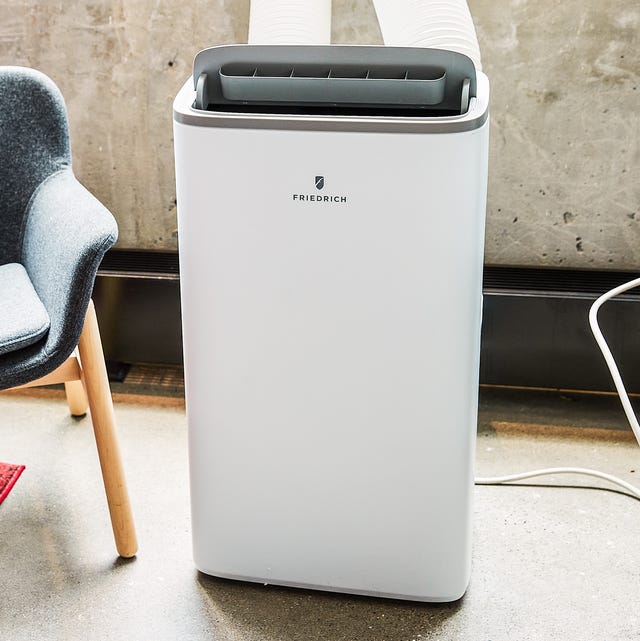
Are you wondering if your portable air conditioner uses Freon? You’re not alone.
Many people are curious about what powers these handy cooling machines and how they work. Understanding whether your unit contains Freon can help you take better care of it, save money, and stay safe. Keep reading to discover the truth about portable air conditioners and Freon—so you can make smarter choices for your comfort this summer.
How Portable Air Conditioners Work
Portable air conditioners use a simple cooling cycleto lower room temperature. They draw warm air from the room and pass it over a cool evaporator coil. This coil contains a special liquid called a refrigerantthat absorbs the heat.
The warmed refrigerant then moves to a compressor. This part squeezes the refrigerant, raising its temperature and pressure. Next, the hot refrigerant flows to the condenser coil, where it releases heat outside the unit.
After releasing heat, the refrigerant cools down and returns to liquid form. It then flows back to the evaporator coil to repeat the cycle. This process keeps the room cool and comfortable.
Role of Refrigerants:
- Refrigerants absorb heat inside the unit.
- They change from liquid to gas and back again.
- This cycle moves heat from indoors to outdoors.
- Common refrigerants include Freon or newer eco-friendly types.

Credit: www.youtube.com
Freon And Its Alternatives
Freonis a brand name for a group of chemicals called chlorofluorocarbons (CFCs). These chemicals were once used in many air conditioners and refrigerators to cool the air. Freon helps move heat from inside to outside, making rooms cooler.
Many portable air conditioners use different refrigerantsinstead of Freon now. These include:
- R-410A: A popular, safer alternative without chlorine.
- R-32: More energy efficient and less harmful to the environment.
- R-134a: Common in smaller cooling units.
Older Freon types can harm the environment by damaging the ozone layer. This layer protects Earth from harmful sun rays. New refrigerants are designed to have less impacton the environment and help reduce global warming.
Do Portable Air Conditioners Use Freon?
Portable air conditioners often use different types of refrigerants, not just Freon. Many models use R-410Aor R-32, which are safer and better for the environment. Freon, or R-22, is less common now because it harms the ozone layer. Newer air conditioners avoid using Freon to meet environmental rules. These refrigerants help cool the air efficiently and safely.
Some portable air conditioners do not use any traditional refrigerant like Freon. These include evaporative coolersand air conditioners with water-based cooling. They work by using water to cool the air instead of chemicals. These models are eco-friendly and good for small spaces. They also need less maintenance and are easier to use.
Maintaining Refrigerant Levels
Portable air conditioners often use refrigerants like Freon to cool air effectively. Keeping refrigerant levels correct ensures the unit runs smoothly and cools well. Low refrigerant can cause poor performance and damage the system.
Signs Of Low Refrigerant
Low cooling poweris a common sign of low refrigerant. The air conditioner might blow warm airinstead of cool air. You may hear hissing or bubbling soundsfrom the unit. Another sign is icingon the coils or pipes. The unit could run longer than usual but still not cool well. Notice if the energy billrises suddenly without increased use.
Refilling And Repairs
Only a professional technicianshould handle refilling refrigerant. Portable air conditioners use sealed systems, so leaks must be found and fixed first. Adding refrigerant without fixing leaks can cause damage. Refilling involves special tools and knowledge. Always use the correct refrigerant typestated in the manual. Regular maintenance helps keep the unit working well and saves money on repairs.
Safety And Environmental Concerns
Refrigerants like Freonmust be handled with great care. They can be harmful if released into the air. Proper tools and training are needed to fix leaks or refill refrigerants. Only certified technicians should work with these chemicals. This keeps both people and the environment safe.
Many countries have rules to control refrigerants. These laws limit how much can be released into the air. They also require safe disposal of old air conditioners. Following these rules helps protect the planet from damage.
| Aspect | Details |
|---|---|
| Handling | Use protective gear and proper tools |
| Who Can Work | Only certified technicians allowed |
| Regulations | Limits on refrigerant release and disposal |
| Environmental Impact | Prevent air pollution and ozone damage |

Credit: www.youtube.com
Choosing The Right Portable Ac
Energy efficiencyis a key factor when choosing a portable air conditioner. Units with better energy ratings save money and use less power. Look for models with an Energy Star label to ensure low energy use. Smaller rooms need less power to cool, so match the unit size to your space.
Refrigerant typematters for performance and environment. Most portable ACs use R-410A refrigerant, which is safer and more eco-friendly than older types like Freon (R-22). Some units still use Freon, but it is being phased out due to environmental rules.
| Refrigerant Type | Benefits | Environmental Impact |
|---|---|---|
| R-410A | Efficient cooling, safe for home use | Low ozone depletion |
| R-22 (Freon) | Good cooling but older technology | High ozone depletion, being banned |

Credit: geepas.co.uk
Frequently Asked Questions
Do Portable Air Conditioners Use Freon?
Yes, many portable air conditioners use freon as a refrigerant. Freon helps cool the air by absorbing heat. However, newer models may use more eco-friendly refrigerants. Always check your unit’s specifications to confirm the type of refrigerant used.
Are Portable Air Conditioners Eco-friendly?
Some portable air conditioners are eco-friendly, especially newer models. They often use refrigerants with lower environmental impact. Look for units with energy-efficient ratings. Always consider energy consumption and refrigerant type when choosing an eco-friendly model.
How Do Portable Air Conditioners Work?
Portable air conditioners work by removing heat from the air. They use a refrigerant like freon to cool the air. The cooled air is then circulated back into the room. The heat absorbed is vented outside through an exhaust hose.
Can I Replace Freon In My Portable Ac?
Yes, freon in portable air conditioners can be replaced. However, it should be done by a professional technician. Handling refrigerants requires expertise and proper equipment. Always follow manufacturer guidelines and local regulations regarding refrigerant handling.
Conclusion
Portable air conditioners use refrigerants like Freon to cool air effectively. These chemicals help move heat from inside to outside. Knowing this helps with proper care and maintenance. Always check the unit’s manual for the exact type of refrigerant used.
Regular servicing keeps the system running smoothly and efficiently. Small leaks can reduce cooling power and increase energy use. Taking simple steps can extend your air conditioner’s life. Now you understand how portable ACs work with Freon and why it matters.