Are you thinking about getting a portable air conditioner but aren’t sure if it needs to be vented? You’re not alone.
Many people wonder how these units actually work and whether venting is a must for them to cool your space effectively. Understanding this can save you time, money, and frustration. Keep reading to discover the truth about portable air conditioners and venting, so you can make the best choice for your home or office.
How Portable Ac Units Work
Portable air conditioners cool rooms by moving heat outside. They are easy to move from one place to another.
Understanding how they work helps you see why venting is needed. Let’s look at the basic cooling parts and heat exchange process.
Cooling Mechanism Basics
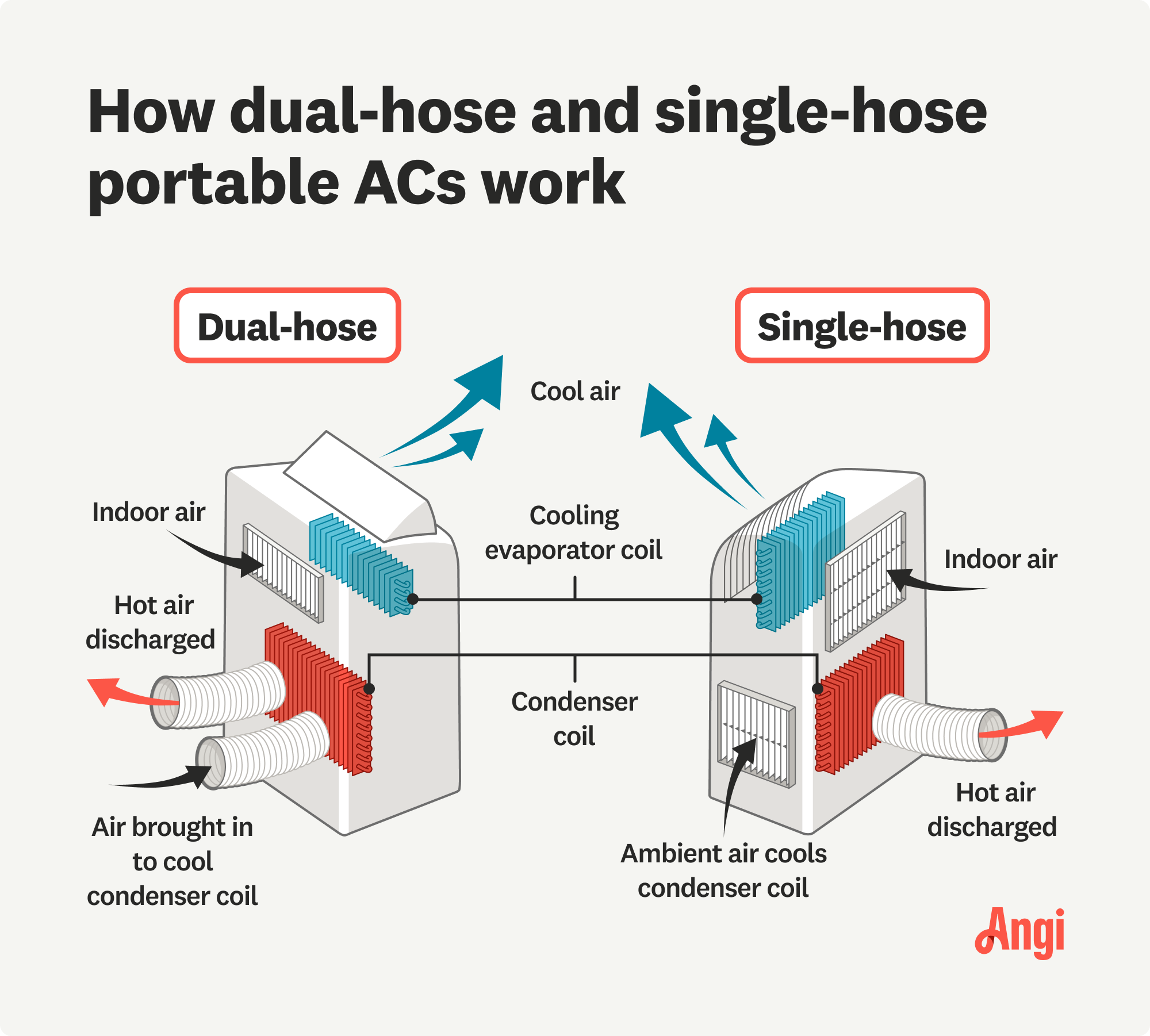
Portable AC units use a refrigeration cycle to cool air. Inside the unit, a refrigerant absorbs heat from the room air.
- The refrigerant starts as a cold liquid.
- It absorbs heat and turns into a warm gas.
- The warm gas moves to the outside through a vent hose.
- It cools down and turns back into a liquid.
- The cycle repeats to keep cooling the room.
Heat Exchange Process
The heat exchange moves heat from inside the room to the outside. The unit uses fans and coils for this process.
| Part | Function |
| Evaporator Coil | Absorbs heat from room air |
| Compressor | Pumps refrigerant through the system |
| Condenser Coil | Releases heat outside |
| Vent Hose | Expels hot air outside |
Why Venting Matters
Portable air conditioners need venting to work well. Venting helps remove hot air from your room.
Without venting, the unit cannot cool the space effectively. This makes venting very important.
Heat Removal Importance
The main job of a portable air conditioner is to take heat out of the room. Venting lets hot air leave your home.
If the hot air stays inside, the room will not get cooler. Venting moves heat outside, making cooling possible.
- Hot air is pushed through a vent hose
- Heat leaves the room through a window or wall opening
- Cool air stays inside for comfort
Impact On Efficiency
Venting helps the portable AC work faster and use less energy. Without venting, the unit runs longer and wastes power.
Good venting keeps the air conditioner from overheating. This improves its life and saves money on electricity.
- Proper venting lowers electric bills
- Prevents the unit from working too hard
- Helps maintain a steady, cool temperature
Types Of Venting Options
Portable air conditioners need venting to remove hot air. This helps keep your room cool. There are different ways to vent these units.
Each venting method has its own setup and benefits. Choosing the right one depends on your space and needs.
Window Vent Kits
Window vent kits are the most common way to vent portable air conditioners. They use a hose to push hot air outside through a window.
- Easy to install and remove
- Fits most standard windows
- Includes a plastic panel to close the gap
- Works well for renters or temporary setups
Through-the-wall Venting
This method vents the hot air through a hole drilled in the wall. It is more permanent than window venting.
| Advantage | Disadvantage |
| Stable and secure vent | Needs wall modification |
| Better air sealing | Not easy to move |
| Good for long-term use | Requires tools and skills |
Slide-out Door Venting
Slide-out door venting uses the space left by sliding doors. A vent kit fits in the door gap to release hot air.
- Quick to set up and remove
- Works well with sliding glass doors
- Does not need drilling or permanent changes
- Good for rooms with sliding doors
Credit: www.angi.com
Consequences Of No Venting
Portable air conditioners need venting to work properly. Without venting, they cannot remove hot air from the room.
This article explains what happens if you do not vent a portable air conditioner.
Reduced Cooling Performance
When a portable air conditioner is not vented, it struggles to cool the room. The hot air stays inside, mixing with the cold air.
- The unit works harder to reach the set temperature
- Cooling power drops significantly
- Energy use increases as it runs longer
Increased Room Temperature
Without venting, the heat from the unit moves back into the room. This raises the overall temperature.
| Effect | With Venting | Without Venting |
|---|---|---|
| Room Temperature | Cooler | Warmer |
| Air Quality | Better | Stale and hot |
| Comfort Level | High | Low |
Potential Damage Risks
Not venting a portable air conditioner can cause damage. The unit may overheat and parts can wear out faster.
- Compressor failure due to heat buildup
- Water leaks from excess condensation
- Increased chances of electrical issues
Portable Acs Without Vents
Most portable air conditioners need a vent to remove hot air outside. This vent usually goes through a window. But some models do not require vents at all.
These ventless units work differently from regular portable ACs. They use other cooling methods that do not produce hot exhaust air.
Evaporative Coolers
Evaporative coolers, also called swamp coolers, cool air by adding moisture. They use water to lower the temperature in the room.
Limitations
Evaporative coolers work best in dry climates. They are not very effective in humid areas. The added moisture can make the air uncomfortable.
- Not suitable for humid places
- Lower cooling power than traditional ACs
- Need regular water refills
- Can increase indoor humidity
Use Cases
These coolers are good for small spaces in dry weather. They use less electricity and are cheaper to run. People use them in homes, garages, and patios.
| Feature | Evaporative Cooler | Portable AC with Vent |
| Requires Vent | No | Yes |
| Best Climate | Dry | All |
| Humidity Effect | Increases | Decreases |
| Energy Use | Low | High |

Credit: www.reddit.com
Installation Tips For Venting
Portable air conditioners need venting to work well. Vents remove hot air from the room. Proper venting keeps your space cool and comfortable.
Installing the vent correctly is important. It helps the unit run efficiently and lasts longer. Follow these tips for the best setup.
Choosing The Right Location
Pick a spot near a window or vent opening. The exhaust hose must reach outside easily. Avoid places with obstacles or tight spaces.
Make sure the area has enough space for airflow. Keep the unit away from direct sunlight and heat sources. This helps the air conditioner work better.
- Choose a window close to a power outlet
- Keep the hose as short and straight as possible
- Ensure the unit has at least 20 inches of clearance
- Avoid blocking vents or airflow around the unit
Sealing And Insulation
Seal gaps around the window vent kit to stop warm air from entering. Use weather stripping or foam tape. This keeps your room cooler.
Insulate the exhaust hose if possible. It stops heat from leaking back inside. Proper sealing and insulation improve cooling and save energy.
- Use window panels designed for portable ACs
- Apply foam tape around gaps in the window kit
- Wrap the exhaust hose with insulating material
- Check seals regularly and replace if damaged
Maintenance Practices
Clean the exhaust hose and vent kit often. Dust and debris can block airflow. This reduces the unit’s cooling power.
Inspect seals and insulation for wear. Replace damaged parts quickly. Regular maintenance keeps the air conditioner working well.
- Disconnect and clean the exhaust hose every few weeks
- Wipe down the window vent panels regularly
- Check seals for cracks or gaps monthly
- Keep the area around the unit clean and free of dust
Energy Efficiency And Venting
Portable air conditioners need venting to remove hot air. This venting affects their energy efficiency. Understanding how venting works can help save power and improve cooling.
Without proper venting, a portable air conditioner uses more energy. This lowers its cooling power and raises your electricity bills.
Impact On Power Consumption
Portable air conditioners push hot air outside through a vent hose. If this vent is blocked or missing, the unit works harder. It uses more electricity and cools less efficiently.
Proper venting keeps heat outside. This stops the unit from recycling warm air. As a result, the air conditioner uses less power and cools better.
- Blocked vents increase power use
- Good venting reduces energy consumption
- Proper venting lowers electricity bills
Optimizing Cooling Performance
Venting portable air conditioners correctly helps them cool rooms faster. It stops warm air from coming back inside. This improves the cooling effect and comfort.
Use the right vent hose length and seal all gaps. Place the vent in a window or wall opening that fits well. This keeps hot air outside and cool air inside.
- Use short, straight vent hoses
- Seal gaps around the vent
- Place vent in a proper window or wall
- Keep vents clear of obstructions

Credit: www.dreo.com
Frequently Asked Questions
Do Portable Air Conditioners Need Venting?
Yes, portable air conditioners must be vented. Venting removes hot air from the unit. Without venting, the room temperature will not cool effectively.
How Do You Vent A Portable Air Conditioner?
You vent a portable AC using a hose connected to a window kit. The hose expels hot air outside. Proper sealing around the window prevents warm air from returning.
Can Portable Acs Work Without Venting?
No, portable ACs cannot cool rooms without venting. They rely on venting to expel heat. Without it, the unit only circulates warm air.
What Happens If A Portable Ac Isn’t Vented?
If not vented, the AC releases hot air back inside. This causes the room to heat up instead of cooling. It reduces efficiency and wastes energy.
Conclusion
Choosing the right portable air conditioner is crucial. Venting is often necessary for optimal cooling. Without venting, warm air recirculates, reducing efficiency. This can make rooms uncomfortable. Consider your space and needs when deciding. Some models offer ventless options. These usually work best in specific conditions.
Always read the manual for best results. Proper venting ensures effective cooling and energy efficiency. Explore options and choose wisely. It impacts comfort and cost. Make informed decisions for a cool, comfortable space.