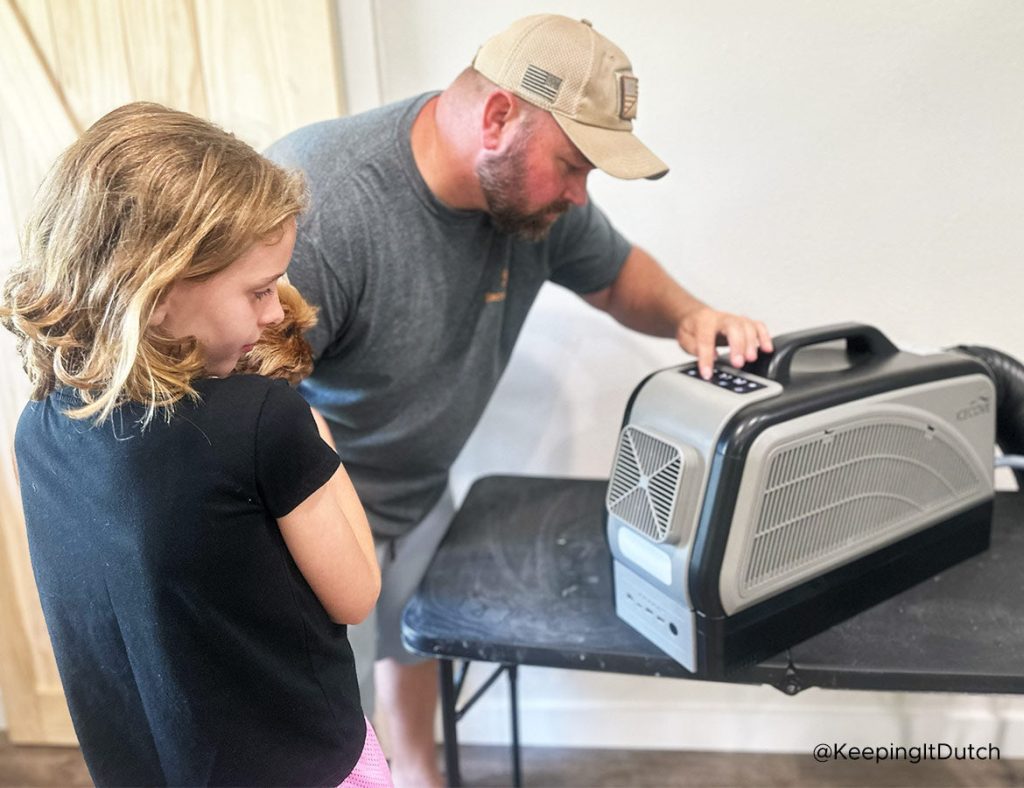
Are you thinking about getting a portable air conditioner but aren’t sure how it works? One big question you might have is: do portable air conditioners have to be vented?
Understanding this can save you time, money, and frustration. Imagine setting up your new AC only to find it’s not cooling your room properly. That’s why knowing the venting process is key. You’ll discover exactly what venting means, why it matters, and how to do it right.
Keep reading to make sure your portable air conditioner works perfectly for your space.
How Portable Air Conditioners Work
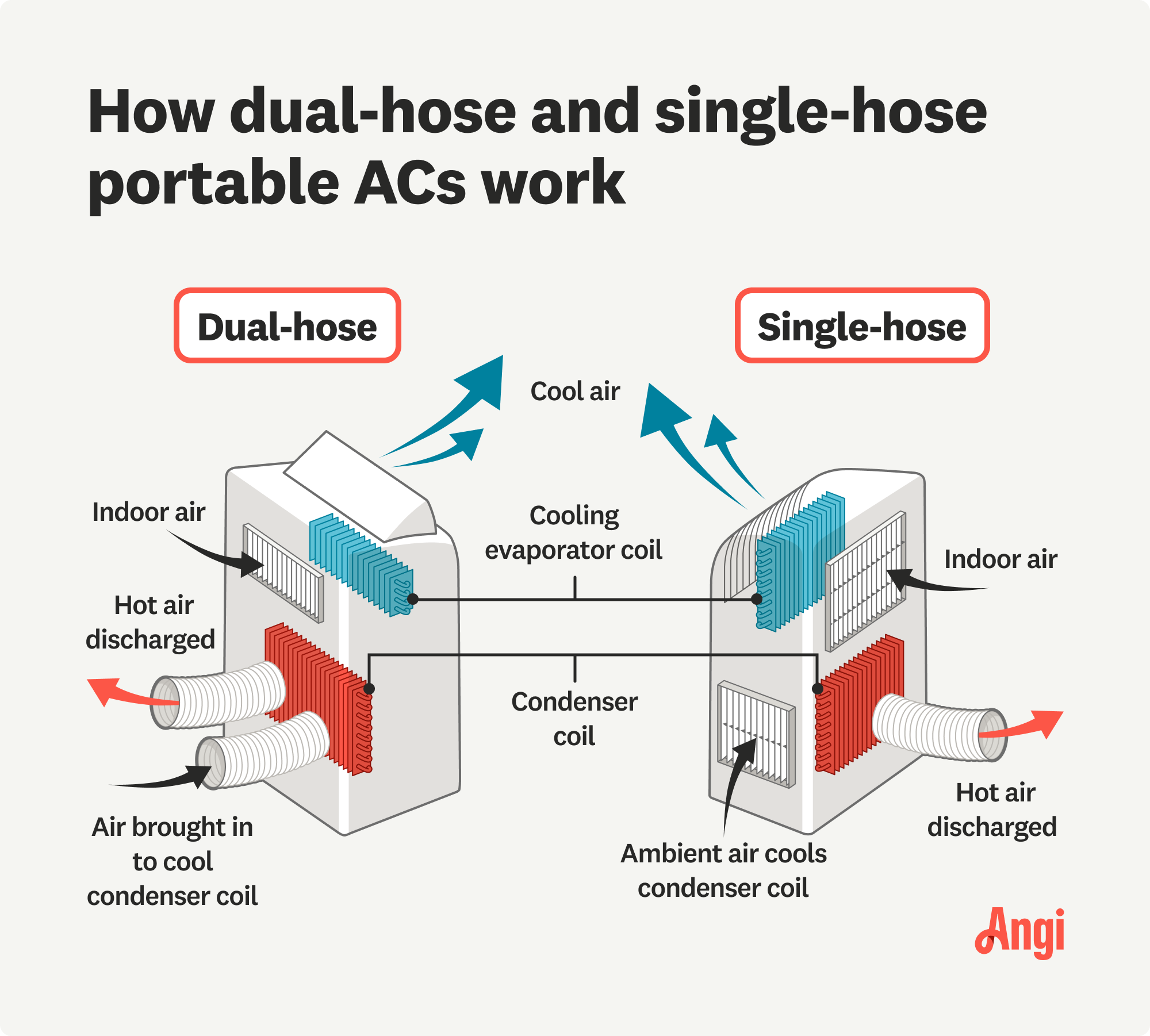
Portable air conditioners cool rooms by moving warm air outside. They have a hose that removes hot air through a window or wall opening. This process is called venting. Without venting, the hot air stays inside, making the room warmer.
Inside the unit, a compressor and fan work together. The compressor cools the air, while the fan blows cool air into the room. The warm air and moisture are pushed out through the vent hose.
- Warm air is drawn from the room.
- The air passes over cooling coils.
- Cool air is sent back inside.
- Hot air and moisture exit through the vent hose.
Some portable ACs have two hoses: one pulls in air for cooling, the other vents hot air. This helps cool rooms faster. But all portable ACs need venting to work well.
Ventilation Requirements
Portable air conditionersneed to remove hot air from the room. This is why ventingis important. Without venting, the hot air stays inside, and the room will not cool down properly.
Venting helps to send this hot air outside. This keeps the room cooler and the air conditioner working well.
- Window venting:A hose sends hot air through a window kit.
- Sliding door venting:Uses a panel to close the door with the hose passing through.
- Wall venting:Hot air goes outside through a hole in the wall.
- Drop ceiling venting:Hot air is vented into the space above a drop ceiling.
Common Venting Methods
Portable air conditionersusually need to be vented to the outside. This helps remove hot air and moisture. Window ventingis the most common way. It uses a kit to fit the exhaust hose in a window. This keeps your room cool and dry.
Sliding door ventingworks like window venting but fits sliding doors. It uses special panels to hold the hose. This option is good if windows do not fit the vent kit.
Vent kits and accessorieshelp make venting easier. They include hose extensions, window adapters, and sealing strips. These parts keep air from coming back inside. Proper venting improves cooling efficiencyand saves energy.

Credit: www.dreo.com
Alternative Venting Solutions
Ventless optionscool the air without needing an outside vent. These units use water evaporation or absorb heat differently. They work best in small spaces or dry climates but may add humidity.
Using a drop ceilingallows easy venting above the ceiling tiles. The exhaust hose can run through the ceiling space to a window or vent hole. This keeps the hose hidden and the room neat.
Ventilation through a wallis another choice. A small hole or vent is made in the wall. The exhaust hose connects directly through it. This method is more permanent and keeps the room cooler and quieter.
Pros And Cons Of Venting
Venting a portable air conditioner helps remove hot air, making the room cooler. Yet, venting requires a window or opening, which can be tricky to set up. Without venting, the unit may not cool effectively and can increase indoor humidity.
Benefits Of Proper Ventilation
Portable air conditioners need venting to remove hot air outside. This helps the unit cool a room more efficiently. Proper ventilation also reduces humidity, making the room more comfortable. It prevents the room from getting warmer due to trapped heat. Venting keeps the air conditioner working at its best, saving energy and lowering bills.
Challenges Of Venting
Setting up a vent can be hard. It needs a window or a hole to push hot air out. Not all rooms have easy places for venting. The vent hose can be bulkyand may block light or air. Sometimes, venting may let in dust or bugs. Moving the unit means moving the vent too, which can be tricky.

Credit: www.dreo.com
Maintaining Efficiency
Portable air conditioners must be vented to remove hot air outside. Without venting, the unit cannot cool the room well. The vent hose should be securely attached to a window or wall opening.
Regular maintenance helps keep the unit working efficiently. Clean or replace filters often to improve airflow. Dirt buildup reduces cooling power and uses more energy.
Check the exhaust hose for kinks or blockages. Blocked vents cause overheating and poor cooling. Keep the hose straight and free of damage.
Avoid common mistakes like using the unit in a closed room without venting. This traps heat and wastes electricity. Also, never use an extension cord; plug directly into a wall outlet for safety.
Credit: www.angi.com
Frequently Asked Questions
Do Portable Air Conditioners Need Venting?
Yes, most portable air conditioners require venting. Venting removes hot air from the room, improving cooling efficiency. Without venting, the unit recirculates hot air, reducing performance and increasing energy use.
How Do You Vent A Portable Air Conditioner?
You vent a portable AC using an exhaust hose connected to a window kit. The hose expels hot air outside through a window or wall opening, ensuring effective cooling indoors.
Can Portable Acs Work Without Venting?
Portable ACs generally cannot cool properly without venting. Without venting, heat builds up inside, making the room warmer and the unit less efficient.
What Happens If A Portable Ac Is Not Vented?
If not vented, a portable AC recirculates hot air, causing poor cooling. This leads to higher energy bills and potential overheating of the unit.
Conclusion
Portable air conditioners need venting to work well and cool your space. Venting helps remove hot air and keeps the room comfortable. Without venting, the unit cannot cool effectively and may overheat. Most models come with a venting kit for easy setup.
Always place the vent near a window or door. This simple step makes a big difference in performance. Choose the right spot and install the vent properly. That way, your portable air conditioner will keep you cool all summer.