Are you thinking about getting a portable air conditioner to beat the heat? One question that probably crosses your mind is whether your new unit needs to be vented outside.
It’s a simple detail, but it can make a big difference in how well your air conditioner works and how comfortable your space feels. If you want to avoid wasting money or ending up with a setup that doesn’t cool properly, understanding venting is key.
Keep reading, and you’ll discover exactly why venting matters and what you need to know to keep your room cool and fresh.
Why Venting Matters
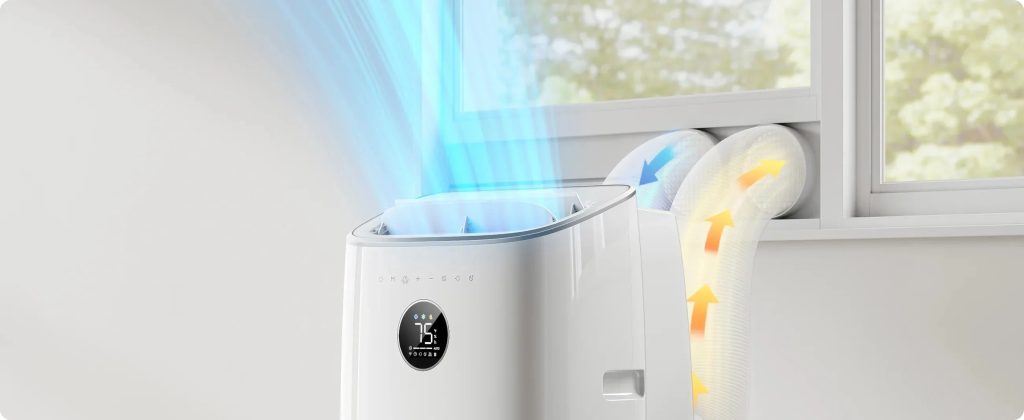
Portable air conditioners work by taking in warm air from the room. They cool the air inside and push hot air outside. This process needs a way to remove the hot air.
Venting outsideis important because it lets the hot air leave the room. Without venting, the hot air stays inside and makes the room warmer.
Cooling efficiency drops if the hot air is not vented properly. The unit has to work harder and uses more energy. Proper venting helps keep the room cool and saves power.
Credit: www.dreo.com
Types Of Portable Ac Units
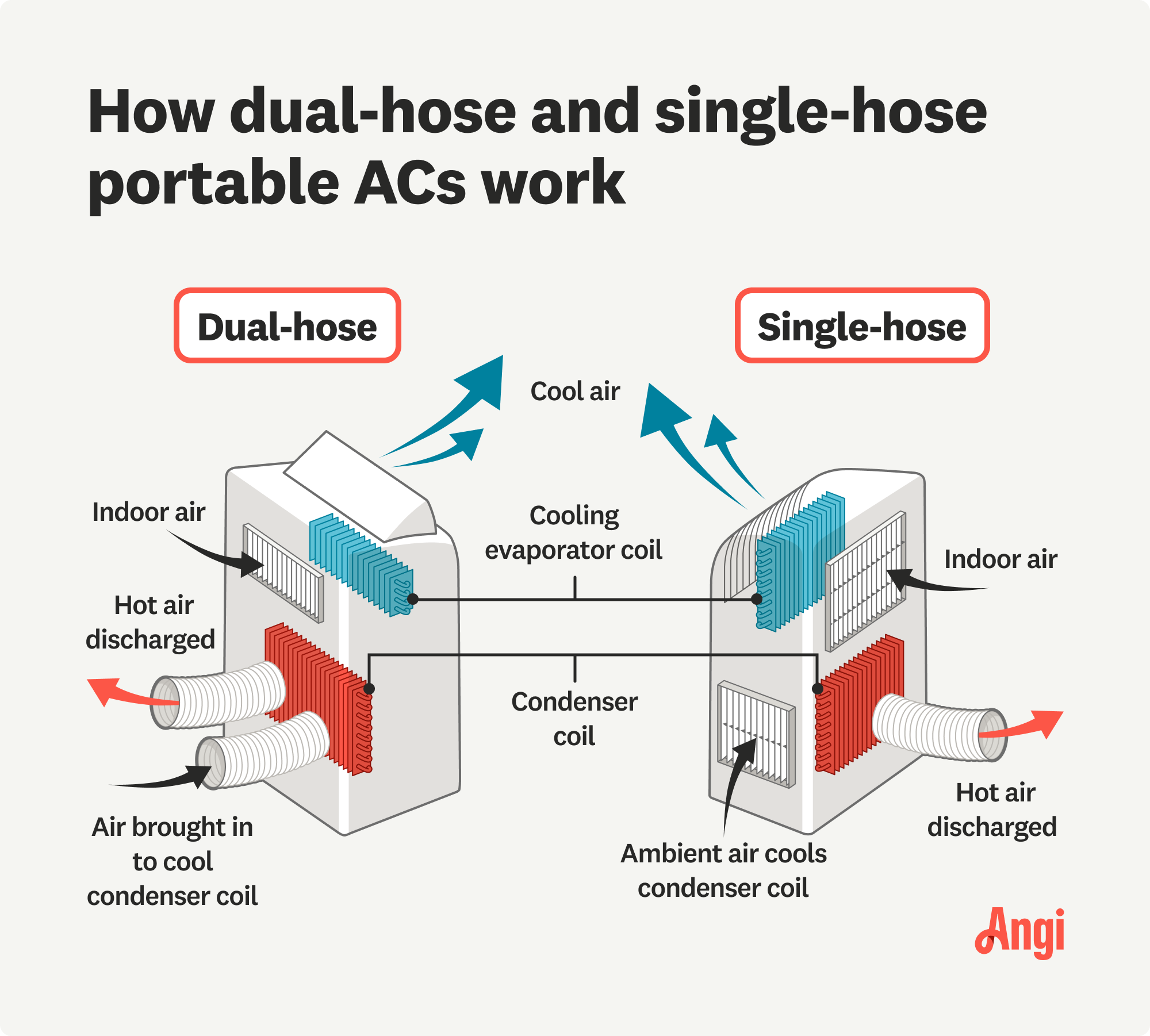
Single-hose modelspull warm air from the room and vent it outside. This causes negative pressure, which can draw in hot air from other places. They are usually cheaper but less efficient.
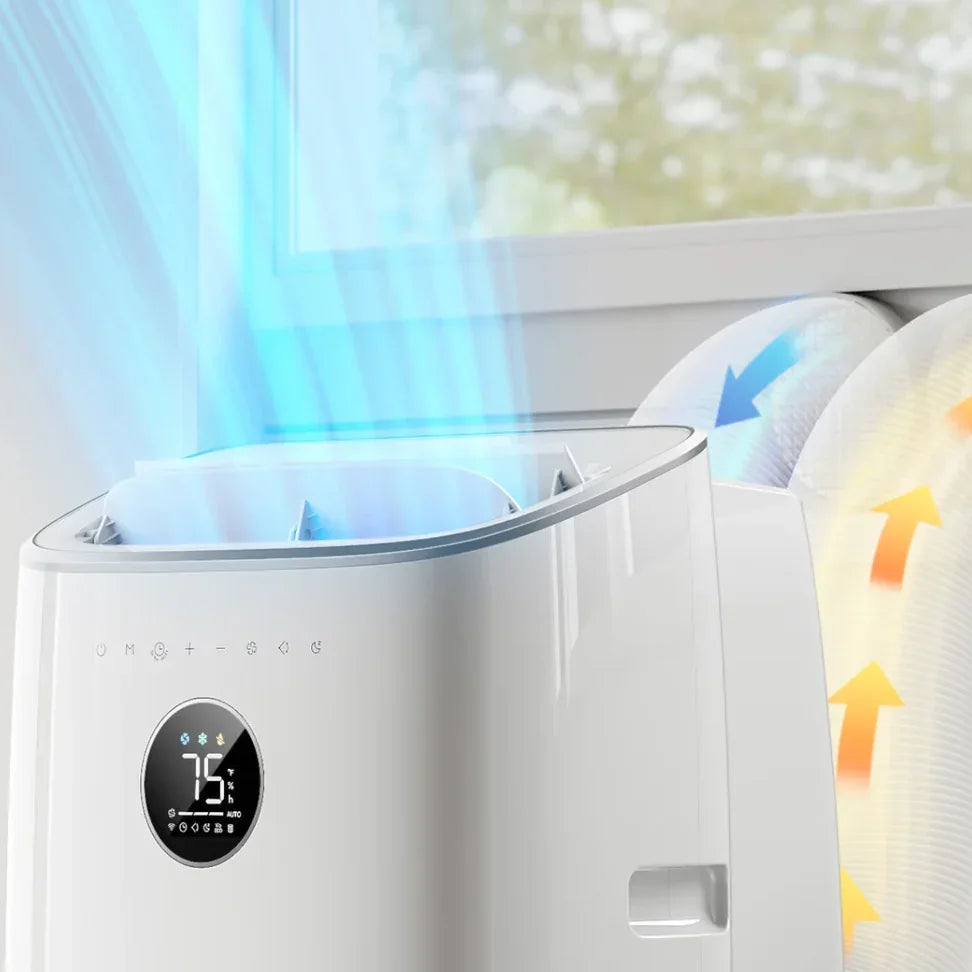
Dual-hose modelsuse one hose to bring air from outside and another to vent warm air out. This design keeps room pressure balancedand cools more effectively. They work better in larger rooms.
Non-vented optionsdo not need to be vented outside. These include evaporative coolers or portable fans. They are less effective in very hot or humid places but good for small spaces or dry climates.
Venting Methods
Portable air conditioners must vent hot air outside to cool a room effectively. Without proper venting, heat stays inside, reducing cooling power. Venting options include windows, sliding doors, or wall openings.
Window Kits
Window kitsare common for venting portable air conditioners. They fit into a window frame and hold the exhaust hose. These kits stop hot air from coming back inside. Most kits adjust to fit different window sizes. They are easy to install and remove.
Sliding Door Adapters
Sliding door adapters work like window kits but fit sliding doors. They hold the exhaust hose securely. These adapters slide into the door track. This method lets you vent the air without opening the door fully. It keeps your room cooler and energy efficient.
Through-the-wall Vents
Through-the-wall vents require cutting a hole in a wall. The exhaust hose goes outside through this hole. This method is more permanent and keeps noise outside. It also stops hot air from leaking back inside. Suitable for long-term use or rooms without windows.
Consequences Of No Venting
Not venting a portable air conditionercauses several issues. The hot air stays inside the room. This reduces the cooling powerof the unit. It struggles to lower the temperature effectively.
The room gets warmeras the hot air builds up. This can make the space uncomfortable. The air conditioner works harder to cool the room.
Energy use increasesbecause the unit runs longer. This leads to higher electricity bills. The machine also wears out faster due to extra strain.
Installation Tips
Choosing the right vent locationis key for portable air conditioners. The vent should be near a window or sliding door. This helps remove hot air outside easily. Avoid vents near curtains or furnitureto prevent blockage. Make sure the vent hose is not kinked or bent. Keep it as short and straightas possible for better airflow.
Sealing and insulationaround the vent is very important. Use foam strips or weather strippingto close gaps. This stops warm air from coming back inside. Proper sealing helps the air conditioner work more efficientlyand saves energy. Check for leaks regularly and reseal if needed.
Safety considerationsinclude placing the unit on a flat, stable surface. Keep the power cord away from water and heat. Do not block the air intake or exhaust. Regularly clean the filters to avoid dust buildup. Follow all safety instructions in the user manual.
Credit: www.angi.com
Maintenance And Troubleshooting
Cleaning the vent hoseis key to good air flow. Dust and dirt can block air and reduce cooling. Detach the hose and use a brush or cloth to wipe inside. Check for cracks or holes that cause air leaks. Replace the hose if damaged.
Checking for air leaksimproves the air conditioner’s efficiency. Look around the window kit, hose connections, and unit edges. Seal gaps with tape or weather stripping. This stops warm air from entering and cool air from escaping.
| Common Issues | Fixes |
|---|---|
| Unit not cooling well | Clean filters and vent hose, check for leaks |
| Water leaks inside | Empty water tank and clean drainage |
| Hose too short or bent | Use a longer, flexible hose without sharp bends |
| Unusual noise | Check for loose parts or objects inside |

Credit: www.dreo.com
Frequently Asked Questions
Do Portable Acs Need Venting?
Yes, portable air conditioners need venting. Venting removes hot air and moisture, ensuring efficient cooling. Without proper ventilation, the unit could overheat and perform poorly. Typically, a window vent kit is provided with the unit for easy installation. Always follow the manufacturer’s guidelines for optimal performance.
Can I Vent A Portable Ac Inside?
Venting a portable AC inside is not recommended. It can lead to ineffective cooling and increased humidity levels. The primary purpose of venting is to expel hot air outside. For best results, use the provided window vent kit to direct hot air outdoors.
What Happens If You Don’t Vent A Portable Ac?
Without venting, a portable AC’s cooling efficiency drops significantly. The unit recirculates hot air, causing it to overheat and consume more energy. This can lead to increased humidity and discomfort. Proper venting ensures the unit operates efficiently, maintaining a comfortable indoor environment.
How To Vent A Portable Ac Without A Window?
If windows aren’t available, consider alternative venting methods. Use sliding doors, ceiling vents, or a dryer vent. Ensure a secure seal to prevent air leakage. Always follow the manufacturer’s instructions for non-standard venting solutions to maintain the unit’s efficiency and avoid potential damage.
Conclusion
Portable air conditioners need proper venting to work well. Venting removes hot air and keeps the room cool. Without venting, the unit can’t cool effectively. Most models come with a hose for venting outside. Make sure to place the vent in a window or door.
This simple step improves cooling and saves energy. Choose a spot with easy access to the outdoors. Venting helps your portable AC cool your space faster. Remember, venting is key for good cooling performance.