Are you thinking about getting a portable air conditioner but unsure if it needs to be vented? This question can make a big difference in how you use and install your unit.
Understanding whether your portable AC needs venting will save you time, money, and frustration. You’ll discover the simple facts about venting portable air conditioners and learn how to keep your space cool without any hassle. Keep reading to find out what you really need to know before setting up your portable AC.
How Portable Acs Work
Portable air conditioners cool a room by removing warm air inside. They use a cooling mechanismsimilar to refrigerators.
Inside, a liquid refrigerant absorbs heat from the air. This process cools the air, which is then blown back into the room.
The heat exhaust processpushes the warm air out of the unit. This air must leave the room to keep the space cool.
That warm air goes through a hose or vent to the outside. Without venting, the heat stays inside and makes the room hotter.

Credit: www.zdnet.com
Why Venting Is Necessary
Portable air conditionersproduce hot air inside the unit. This heat must be moved outside. Without venting, hot air stays in the room. This stops the unit from cooling properly.
Venting helps remove heatand moisture. It keeps the air conditioner working well. The unit stays cool inside, so it uses less energy. This saves money on electric bills.
Here is why venting affects efficiency:
- Removes hot air outside, preventing room heat build-up
- Allows the unit to cool air faster
- Reduces strain on the air conditioner parts
- Improves overall cooling performance
Venting Options For Portable Acs
Portable air conditioners need to push hot air outside. This is called venting. Without venting, the room stays hot and the AC works poorly.
Window vent kits are common. They fit into your window frame and let the hot air go outside. Easy to install and remove.
Sliding door adaptors work like window kits but fit sliding doors. They seal the door gap to push air out.
Through-the-wall venting is more permanent. It requires drilling a hole in the wall. Hot air is sent outside through this hole.
| Venting Option | Best For | Installation | Portability |
|---|---|---|---|
| Window Vent Kits | Standard windows | Simple, no tools needed | Easy to move |
| Sliding Door Adaptors | Sliding doors | Moderate, fits door tracks | Fairly portable |
| Through-the-Wall Venting | Permanent setups | Requires drilling | Not portable |

Credit: www.reddit.com
Common Venting Mistakes
Using a hose that is too long can reduce the air conditioner’s efficiency. The unit must push hot air through the hose, so a shorter hose helps. Avoid bending or kinking the hose as it blocks airflow.
Sealing the window or vent poorly lets warm air enter the room. Gaps around the hose allow hot air back inside. Use foam or weather stripping to seal these gaps tightly.
- Blocked vents stop hot air from leaving the room.
- Check vents often to ensure nothing covers them.
- Keep vents clean and clear for best airflow.
Venting Alternatives And Myths
Portable air conditioners usually need venting to push hot air outside. Using one without venting can make the room hotter. Some users try to use these units without a vent hose, but this is not effective. The unit cools the air but blows hot air back inside, raising the room temperature.
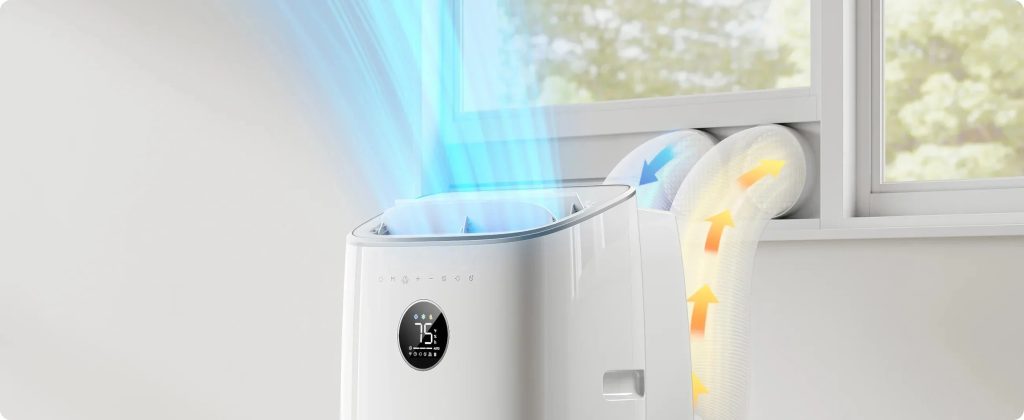
Dual hose unitshave two hoses: one draws air from outside, and the other pushes hot air out. This makes cooling faster and more efficient.
Single hose unitsuse one hose to push hot air out. They pull air from inside the room to cool the unit, which can lower room pressure and pull in warm air from other places.
| Feature | Dual Hose | Single Hose |
|---|---|---|
| Number of hoses | Two | One |
| Air source for cooling | Outside air | Room air |
| Efficiency | Higher | Lower |
| Room pressure effect | Neutral | Negative (lowers pressure) |
Maintenance Tips For Venting
Regular cleaning of vents and hoseskeeps your portable air conditioner working well. Dust and dirt can block airflow, making the unit less efficient. Use a soft brush or vacuum to clear vents carefully. Detach hoses and wash them with warm, soapy water. Let them dry completely before reconnecting.
Check for leaks in hoses and vent connectionsoften. Leaks reduce cooling power and waste energy. Look for cracks, holes, or loose fittings. Use tape or sealant to fix small leaks quickly. Tighten any loose connections to stop air escaping.
Energy Efficiency And Venting
Portable air conditionersneed venting to remove hot air from the room. Without venting, the unit works harder and uses more power. This reduces energy efficiencyand raises electricity bills.
Venting helps keep the room cool faster. It stops hot air from recirculating inside. This way, the unit cools the space better and saves energy.
- Venting lowers power consumption.
- Helps the unit work efficiently.
- Improves cooling performance.
- Prevents overheating of the unit.

Credit: www.dreo.com
Frequently Asked Questions
Do Portable Ac Units Need Venting?
Yes, portable air conditioners need venting to expel hot air outside. Without venting, the hot air will remain in the room, reducing the unit’s cooling efficiency. Venting can be done through a window, ceiling, or wall. Proper venting ensures optimal performance and energy efficiency of the portable air conditioner.
Can Portable Air Conditioners Work Without A Window?
Portable AC units can work without a window, but they still require venting. Alternative venting options include using a sliding door or a ceiling vent. Ensure the venting method allows hot air to escape effectively. Without proper venting, the unit’s cooling efficiency will be significantly reduced.
What Happens If You Don’t Vent A Portable Ac?
If you don’t vent a portable AC, it will be less effective. The hot air will remain in the room, causing it to stay warm. This reduces the cooling efficiency and increases energy consumption. Proper venting ensures optimal cooling performance and comfort in the room.
How Do You Vent A Portable Air Conditioner?
To vent a portable AC, use the exhaust hose and window kit provided. Attach the hose to the unit and the window kit. Place the window kit in the window, ensuring a tight seal. This setup allows hot air to escape outside, maintaining efficient cooling indoors.
Conclusion
Portable air conditioners need venting to work well. Without venting, hot air stays inside and makes the room warmer. Most units come with a hose to push hot air outside. Proper venting helps the air conditioner cool the room faster.
Always check the instructions for the best venting method. This simple step can save energy and keep you comfortable. Remember, venting is key for portable air conditioners to do their job right.