Are you considering a portable air conditioner for your home? You might be wondering about the specifics of how these devices work, particularly when it comes to cooling agents like Freon.
Understanding whether portable air conditioners use Freon is crucial not only for making an informed purchase but also for ensuring the safety and efficiency of your unit. Imagine enjoying a cool, refreshing breeze in your living space without second-guessing the environmental impact or the operational safety of your appliance.
Dive into this article to discover everything you need to know about portable air conditioners and their use of Freon. Your comfort and peace of mind depend on it!
How Portable Air Conditioners Work
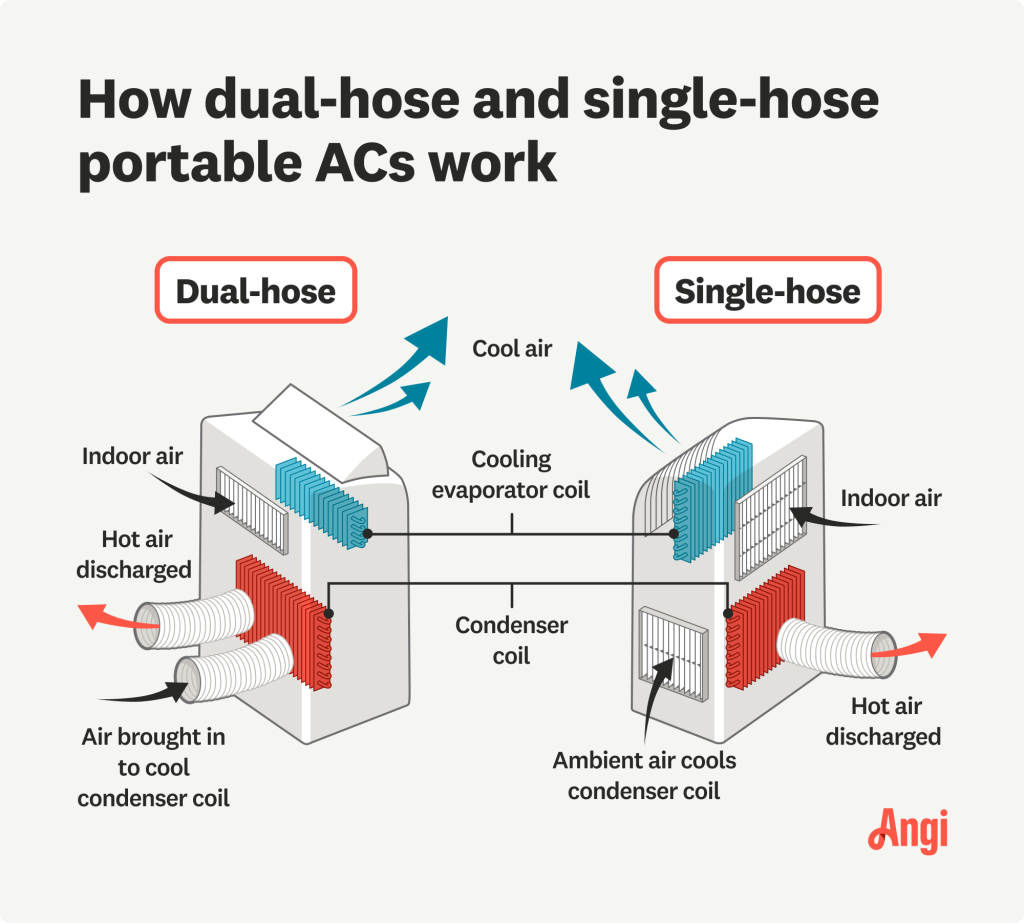
Portable air conditioners cool your room by moving heat outside. They are easy to move and use a simple system to lower the temperature.
These units pull warm air from the room and send cold air back. They use special chemicals to make the cooling process work well.
Cooling Mechanism Basics
Portable air conditioners work like small refrigerators. They use a compressor, coils, and a fan to cool the air. The compressor squeezes a gas to make it hot. The hot gas moves through coils and cools down. Then, the cold gas moves inside the machine to cool the air.
- Warm air is pulled inside the unit.
- The refrigerant absorbs heat from the air.
- The compressor raises the refrigerant’s temperature and pressure.
- Heat is released outside through a vent hose.
- Cool air blows back into the room.
Role Of Refrigerants
Refrigerants are special fluids that move heat inside portable air conditioners. They absorb heat from indoor air and release it outside. Freon is a common type of refrigerant used in many units.
| Refrigerant Type | Function | Common Use |
| Freon (R-22) | Absorbs and releases heat | Older portable AC units |
| R-410A | More efficient and eco-friendly | Newer portable AC units |
| R-32 | Lower environmental impact | Modern portable AC units |

Credit: www.popularmechanics.com
Freon And Its Alternatives
Portable air conditioners use chemicals called refrigerants to cool the air. Freon is one common type of refrigerant.
This article explains what Freon is, other refrigerants used today, and their effects on the environment.
What Is Freon?
Freon is a brand name for a group of chemicals called chlorofluorocarbons (CFCs) and hydrochlorofluorocarbons (HCFCs). They are gases used in cooling systems.
Freon helps move heat out of the air, making the air cooler inside the room or device.
Common Refrigerants In Use
Many portable air conditioners use different refrigerants today. Some are safer for the environment than Freon.
- R-410A: A popular Freon replacement with no chlorine.
- R-134a: Used in small air conditioners and refrigerators.
- R-32: More energy efficient and has less global warming effect.
- R-290 (Propane): A natural refrigerant with low environmental impact.
Environmental Impact
Freon gases can harm the Earth’s ozone layer and cause global warming. This is why many countries limit their use.
New refrigerants cause less harm but still need safe handling and recycling.
- Freon (CFCs/HCFCs) damages the ozone layer.
- R-410A and R-32 have no chlorine but can warm the planet.
- Natural refrigerants like R-290 have low global warming potential.
- Proper disposal of refrigerants helps protect the environment.
Freon In Portable Air Conditioners
Portable air conditioners cool rooms using refrigerants. These chemicals help move heat from inside to outside.
Freon is a common name for some refrigerants used in cooling systems. Let’s explore if portable AC units use Freon.
Do They Use Freon?
Many portable air conditioners use refrigerants that were once called Freon. Freon is a brand name for certain chemicals.
Today, newer portable ACs use safer and more eco-friendly refrigerants. Older models often used Freon types like R-22.
Types Of Refrigerants Found
Portable air conditioners use different refrigerants depending on their design and age. Here are common types:
- R-22: An older Freon type, now mostly phased out.
- R-410A: A popular, more eco-friendly refrigerant.
- R-32: Newer refrigerant with lower global warming potential.
- R-134a: Used in some portable and small AC units.
Regulations And Standards
Many countries limit or ban older refrigerants like R-22. These rules protect the environment from harmful gases.
Manufacturers now use refrigerants that meet safety and environmental standards. Portable ACs must follow these rules.
- Phasing out of ozone-depleting refrigerants.
- Use of refrigerants with lower global warming impact.
- Proper disposal of old refrigerants during repairs.
- Regular checks to prevent leaks and emissions.
Maintaining Portable Ac Refrigerants
Portable air conditioners use refrigerants to cool the air. These refrigerants, often Freon or similar types, help remove heat. Proper care keeps your AC running well and saves energy.
Maintaining the refrigerant system is important. It prevents leaks and ensures safe operation. This guide covers signs of leaks, refilling, and safety tips.
Signs Of Refrigerant Leaks
Leaks lower cooling efficiency and may harm the environment. Watch for these signs:
- AC cools less than usual
- Hissing or bubbling sounds near the unit
- Ice buildup on the coils
- Increased energy bills without more use
- Unusual odors or oily residue near the unit
Refilling And Servicing
Refilling refrigerant is a delicate task. It requires special tools and knowledge. Only trained technicians should refill or service your portable AC.
| Task | Details |
| Leak Check | Find leaks using electronic detectors or soap bubbles |
| Refrigerant Refill | Add exact refrigerant type and amount recommended by manufacturer |
| System Test | Run the unit to check cooling and pressure levels |
Safety Precautions
Handling refrigerants needs care. Follow safety rules to avoid harm or damage.
- Wear gloves and goggles when servicing
- Do not inhale refrigerant gases
- Work in a well-ventilated area
- Keep refrigerants away from open flames
- Dispose of old refrigerants properly
Choosing The Right Portable Ac
Portable air conditioners cool rooms without permanent installation. Choosing the right one means thinking about energy use and refrigerants.
Many portable ACs use Freon, but there are other options. It is important to pick an efficient and eco-friendly model.
Energy Efficiency
Energy efficiency helps save money on electricity bills. Look for units with a high Energy Efficiency Ratio (EER).
Efficient portable ACs use less power to cool the same space. This reduces environmental impact and operating cost.
- Check the EER rating before buying
- Choose models with energy-saving features
- Use timers to avoid running AC all day
Eco-friendly Refrigerant Options
Many portable ACs use Freon, a common refrigerant. Freon can harm the ozone layer and cause pollution.
Newer models use eco-friendly refrigerants like R-410A or R-32. These have less impact on the environment.
- R-410A is safer for the ozone layer
- R-32 has lower global warming potential
- Ask about refrigerant type before buying
Cost Vs. Performance
Portable AC prices vary based on size, features, and refrigerant type. Higher cost often means better cooling and efficiency.
Balance your budget with performance needs. Sometimes paying more saves money in energy bills later.
| Price Range | Performance | Energy Use |
| Low | Basic cooling, smaller rooms | Higher energy use |
| Mid | Good cooling, moderate rooms | Moderate energy use |
| High | Strong cooling, large rooms | Low energy use, efficient |

Credit: www.youtube.com

Credit: www.youtube.com
Frequently Asked Questions
Do Portable Air Conditioners Use Freon Refrigerant?
Most portable air conditioners use refrigerants similar to Freon, like R-410A or R-32. These are modern, eco-friendlier alternatives to traditional Freon (R-22). They cool effectively while meeting environmental regulations and safety standards for indoor use.
Is Freon Harmful In Portable Air Conditioners?
Freon can be harmful if leaked, causing respiratory issues and environmental damage. Modern portable ACs use safer refrigerants with lower ozone depletion potential. Proper maintenance prevents leaks, ensuring safe and efficient operation.
How Often Do Portable Acs Need Refrigerant Refills?
Portable air conditioners rarely need refrigerant refills. They are sealed systems designed to retain refrigerant for years. If cooling performance drops, it usually indicates a leak that requires professional repair.
Can I Recharge Freon In My Portable Air Conditioner?
You generally cannot recharge Freon in portable ACs yourself. These units use sealed refrigerant circuits. Recharging requires professional service with proper tools and certifications to avoid damage or safety risks.
Conclusion
Portable air conditioners often use refrigerants like Freon to cool the air. These chemicals help move heat out of your room efficiently. Knowing this helps you understand how these devices work. Always check the type of refrigerant before buying or servicing your unit.
Proper care keeps your air conditioner running well and safe. Choosing the right model ensures comfort during hot days. Simple steps make a big difference in cooling your space.