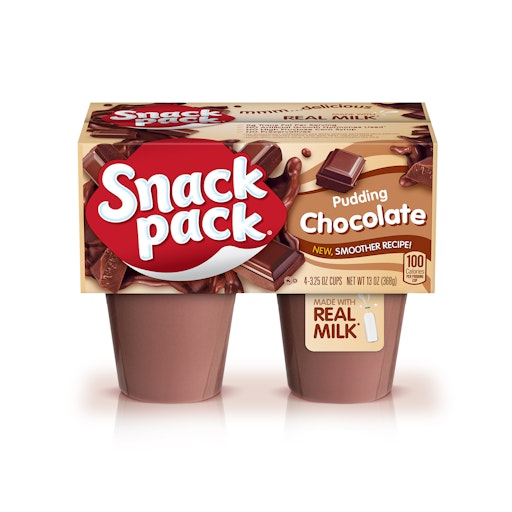
Have you ever wondered if those tasty pudding cups in your pantry need to stay cold? You might be confused about whether to keep them in the fridge or if they’re safe to enjoy right from the shelf.
This small question can make a big difference in how fresh and delicious your pudding tastes. Keep reading, and you’ll discover the simple truth about storing pudding cups, so you never have to worry about spoilage or taste again. Your next pudding snack will be just perfect!

Credit: www.gianteagle.com
Types Of Pudding Cups
Pudding cups come in different types, each with unique storage needs and flavors. Knowing these types helps you keep your pudding fresh and tasty. Some pudding cups can sit on the shelf, while others must stay cold. There are also differences between store-bought and homemade puddings.
Shelf-stable Varieties
Shelf-stable pudding cups do not need refrigeration before opening. They use preservatives or special packaging to stay fresh. These cups are ideal for snacks on the go. You can keep them in your pantry or lunchbox safely. Once opened, refrigeration is often recommended to keep pudding fresh.
Refrigerated Pudding Cups
Refrigerated pudding cups require cold storage at all times. They have no preservatives and rely on cold to stay good. You can find these in the refrigerated section of stores. They usually taste creamier and fresher than shelf-stable types. Always check the label for storage instructions.
Homemade Vs Store-bought
Homemade pudding cups need refrigeration from the start. They lack preservatives and can spoil quickly. Store-bought puddings offer convenience and longer shelf life. They come in both shelf-stable and refrigerated forms. Homemade versions allow control over ingredients and sweetness.
Shelf Life Without Refrigeration
Wondering how long pudding cups last without refrigeration? Understanding their shelf life outside the fridge can help you avoid waste and keep your snacks safe. Let’s break down what happens to both unopened and opened pudding cups when left unrefrigerated.
Unopened Pudding Cups
Unopened pudding cups are designed to be shelf-stable for a certain period. Usually, they can last several weeks to months at room temperature thanks to preservatives and sealed packaging.
Check the expiration date printed on the cup as your best guide. Still, keep in mind that higher temperatures can shorten their shelf life significantly.
Opened Pudding Cups
Once opened, pudding cups lose their protective seal and become vulnerable to bacteria and spoilage. Without refrigeration, the risk of spoilage increases sharply within a few hours.
Leaving an opened cup out for more than two hours is generally unsafe. If you’ve ever forgotten an opened pudding cup on the counter, you might have noticed changes in texture or smell—signs that it’s no longer good to eat.
Signs Of Spoilage
How can you tell if a pudding cup has gone bad without relying solely on time? Look for these clear signs:
- Unpleasant odor:A sour or off smell indicates bacterial growth.
- Texture changes:If the pudding becomes lumpy or watery, it’s a red flag.
- Mold presence:Any visible mold means you should toss it immediately.
Have you ever tasted pudding that seemed fine but suddenly felt off? Always trust your senses over assumptions when it comes to food safety.
Benefits Of Refrigerating Pudding Cups
Refrigerating pudding cups offers several important benefits. It helps keep the pudding fresh and safe to eat. Storing pudding cups in a cool environment also improves their taste and texture. Understanding these benefits encourages proper handling and storage of pudding cups.
Maintaining Freshness
Cold temperatures slow down the natural spoilage process. Refrigeration keeps pudding cups fresh for a longer time. It helps preserve the original flavor and appearance. Fresh pudding is more enjoyable to eat.
Preventing Bacterial Growth
Bacteria grow quickly at room temperature. Keeping pudding cups in the fridge reduces this risk. Cold storage stops harmful bacteria from multiplying. This makes pudding safer for consumption.
Enhancing Texture And Taste
Refrigeration firms up the pudding’s texture. It prevents the pudding from becoming too runny. The cool temperature also enhances the creamy taste. Pudding cups taste better when chilled properly.

Credit: www.gianteagle.com
Best Storage Practices
Storing pudding cups correctly can make a big difference in their taste and safety. You want to keep them fresh and avoid any unpleasant surprises. Paying attention to how you seal them, the temperature you store them at, and preventing contamination can keep your pudding enjoyable for longer.
Proper Sealing Techniques
After opening a pudding cup, sealing it tightly is essential. If the original lid is damaged or missing, use plastic wrap or an airtight container to cover the cup. This prevents the pudding from drying out and keeps unwanted odors from mixing in.
Have you ever noticed how a poorly sealed pudding tastes off after a day? That’s because air exposure speeds up spoilage. Make sure there’s no gap between the lid and the cup to keep your pudding fresh.
Ideal Refrigerator Temperature
Keeping pudding cups at the right temperature matters. Your refrigerator should stay between 35°F and 40°F (1.6°C to 4.4°C) to maintain food safety. Temperatures above this range can let bacteria grow faster, spoiling your pudding.
Check your fridge’s thermostat regularly. Even a small change can affect how long your pudding stays good. If you store pudding cups in the door, be aware that this area experiences more temperature fluctuations.
Avoiding Cross-contamination
Cross-contamination can ruin your pudding and pose health risks. Always store pudding cups away from raw meats or strong-smelling foods to prevent flavor transfer. Use separate shelves or compartments if possible.
Think about how you handle the pudding cups too. Always wash your hands before touching the lid or the inside. Avoid dipping spoons back into the cup after tasting to keep bacteria out.
Traveling With Pudding Cups
Traveling with pudding cups requires some care to keep them fresh and tasty. Pudding is a dairy product that can spoil if not stored properly. Taking pudding cups on trips means thinking about temperature and time. You want to enjoy your pudding without worrying about it going bad. Here are some tips to help you travel safely with pudding cups.
Keeping Pudding Cool On The Go
Keeping pudding cups cool is important to prevent spoilage. Use a cooler bag or insulated lunch box to store your pudding. Place ice packs around the cups to keep the temperature low. Avoid leaving pudding cups in direct sunlight or warm places. Check the pudding before eating to make sure it feels cold. Cold pudding is safer and tastes better.
Using Insulated Containers
Insulated containers help keep pudding at a safe temperature longer. They are designed to block heat and keep cold inside. Choose containers that fit your pudding cups snugly. This reduces air inside that can warm the pudding. Carry a small ice pack inside the container for extra cooling. Insulated containers are easy to carry and keep pudding fresh.
Safe Time Limits Outside The Fridge
Pudding cups should not stay outside the fridge too long. The safe time limit is about two hours at room temperature. In hot weather, reduce this time to one hour. After this, bacteria can grow and cause spoilage. If you cannot keep pudding cold, eat it quickly or do not take it. Always check for unusual smell or texture before eating. Safety first when traveling with pudding cups.
Common Myths About Pudding Storage
Many people have strong opinions about how to store pudding cups, but not all of them are based on facts. Misunderstandings about pudding storage can lead to wasted food or ruined desserts. Let’s clear up some common myths so you can keep your pudding fresh and tasty without any guesswork.
Pudding Cups Can Last Indefinitely Without Refrigeration
You might hear that pudding cups can be left out on the counter for days or even weeks without going bad. This is simply not true for most pudding types, especially those that are dairy-based. Without refrigeration, harmful bacteria can grow quickly, making the pudding unsafe to eat.
However, some shelf-stable pudding cups contain preservatives and are sealed airtight, allowing them to last longer unopened. Still, once opened, refrigeration is necessary to keep them fresh. Have you ever found a forgotten pudding cup in your pantry that looked fine but smelled off? That’s a clear sign refrigeration matters.
Refrigeration Changes Pudding Flavor Negatively
Some people avoid refrigerating pudding because they believe it dulls the flavor or changes the texture. While refrigeration can slightly thicken pudding, it doesn’t ruin the taste. In fact, chilling pudding often enhances its creaminess and makes it more refreshing to eat.
If you’ve ever enjoyed a cool pudding snack on a hot day, you know how satisfying it can be. If you notice any odd flavors, it’s more likely due to spoilage or old pudding rather than the fridge itself. What’s your favorite way to enjoy pudding—cold or room temperature?
Freezing Pudding Cups Is Always Safe
Freezing pudding cups isn’t always recommended. While it can extend shelf life, freezing often changes the pudding’s texture, making it grainy or watery after thawing. Not all pudding recipes freeze well, especially those with gelatin or dairy.
If you want to freeze pudding, consider transferring it to a separate airtight container and thawing it slowly in the fridge. This reduces texture changes but might not fully preserve the original creaminess. Have you tried freezing pudding before? How did it turn out for you?

Credit: shop.luckysupermarkets.com
Frequently Asked Questions
Do Unopened Pudding Cups Need Refrigeration?
Unopened pudding cups usually do not need refrigeration. They are shelf-stable due to preservatives and sealing. Always check the packaging for specific storage instructions to ensure safety and freshness.
How Long Can Pudding Cups Stay Unrefrigerated?
Pudding cups can stay unrefrigerated for several hours if unopened. However, once opened, they should be refrigerated and consumed within 2-3 days to prevent spoilage.
Can Pudding Cups Spoil Without Refrigeration?
Yes, pudding cups can spoil without refrigeration after opening. Warm temperatures promote bacterial growth, causing spoilage and foodborne illness risks. Always refrigerate after opening.
Are Refrigerated Pudding Cups Safer To Eat?
Refrigerated pudding cups are safer as cold temperatures slow bacterial growth. Keeping them chilled maintains freshness and extends shelf life, especially after opening.
Conclusion
Pudding cups often confuse people about storage. Some need refrigeration, others don’t. Check the label for guidance. Unopened, shelf-stable cups stay fresh in the pantry. Once opened, refrigerate them to keep safe. Homemade puddings always need a cool place. Refrigerate them to avoid spoilage.
For best taste, eat pudding fresh. Enjoy the creamy delight without worries. Proper storage keeps pudding safe and delicious. So, read the label and store wisely. Your pudding will taste its best!